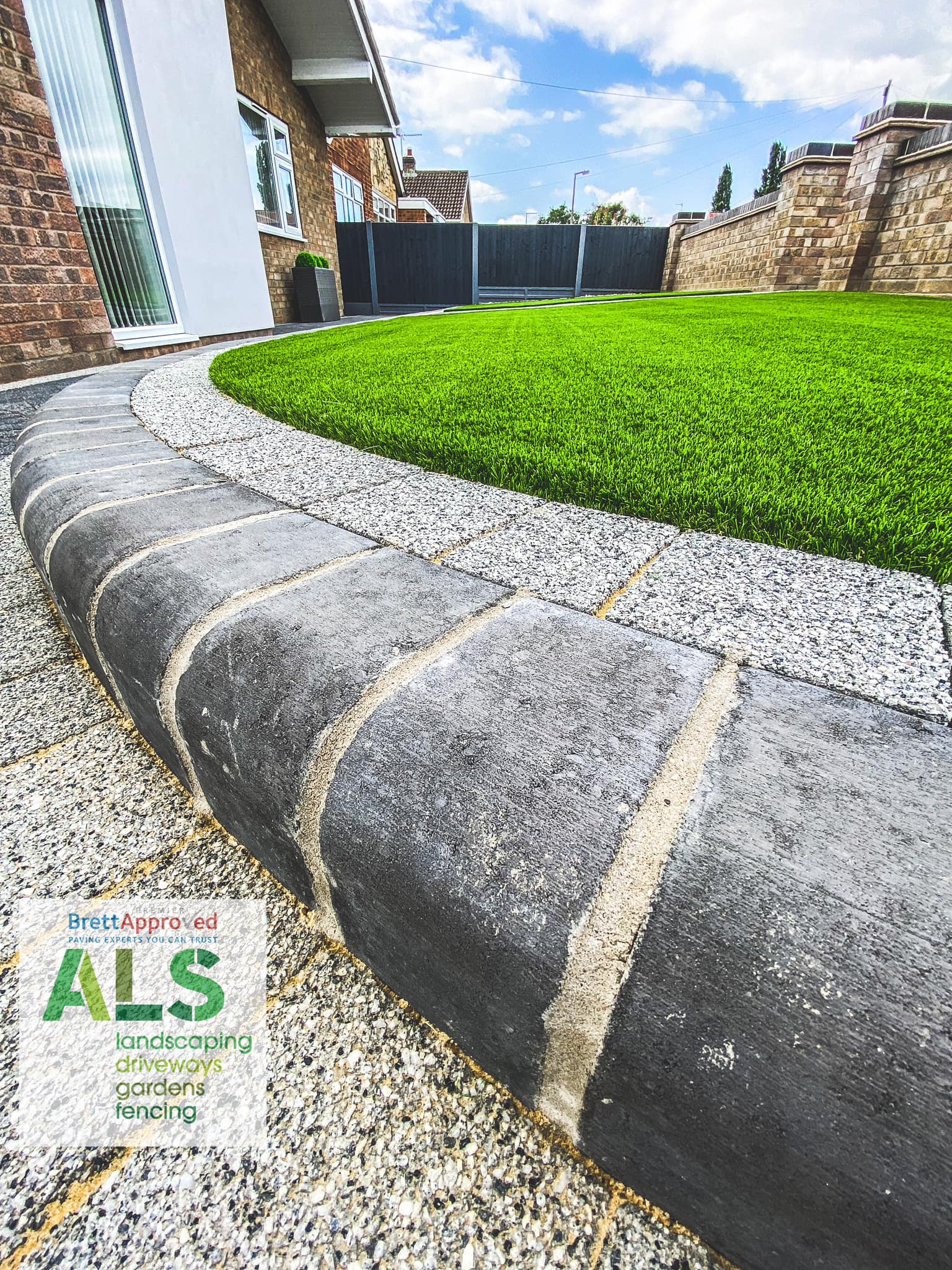
Spring is the perfect time to shake off the winter blues and get your home looking its best – and that includes your driveway. After months of harsh weather, your driveway may be looking a little worse for wear, with dirt, moss, and even cracks appearing. But with the right cleaning and maintenance, you can restore its appearance and keep it in great condition for years to come.
In this guide, we’ll walk you through simple but effective ways to clean, repair, and protect your driveway this spring, ensuring it’s safe, attractive, and ready for the warmer months ahead.
Why Spring is the Best Time for Driveway Maintenance
Winter can be tough on driveways. Cold temperatures, frost, and rain can cause surface damage, while fallen leaves, moss, and dirt build-up can make your driveway look neglected. Spring provides the ideal conditions for giving your driveway a deep clean and tackling any repairs before they become bigger issues.
The benefits of spring driveway maintenance include:
✔ Preventing small cracks from turning into costly repairs.
✔ Removing moss and algae that can create slippery surfaces.
✔ Refreshing your driveway’s appearance, improving curb appeal.
✔ Preparing your driveway for summer use, from parking to outdoor gatherings.
If your driveway is showing signs of wear and tear, check out our blog on Driveway Repair vs. Replacement: How to Make the Right Decision to see whether a simple fix or a full upgrade is the best option.
How to Give Your Driveway a Deep Clean
Cleaning your driveway isn’t just about making it look good – it also helps prevent long-term damage and keeps the surface safe to use.
Start with a Simple Sweep
Before you get into heavy-duty cleaning, clear away leaves, dirt, and debris with a stiff broom. This makes it easier to see any cracks, stains, or moss that need extra attention.
Use a Pressure Washer for a Deep Clean
A pressure washer is one of the best tools for removing built-up grime, particularly for concrete, tarmac, and block paving driveways. Here’s how to do it properly:
✔ Start on a low setting to avoid damage.
✔ Hold the nozzle at a slight angle to lift dirt rather than forcing it into the surface.
✔ Work in sections to ensure even cleaning.
Be careful when using a pressure washer on block paving – too much force can wash away the sand between the blocks, which will need replacing to keep them stable.
Remove Stains the Right Way
Oil, grease, and rust stains can be stubborn. Here’s how to tackle them:
- Oil stains: Sprinkle baking soda or cat litter over the stain, let it absorb for 15–30 minutes, then scrub with washing-up liquid and warm water.
- Rust stains: Use a mix of white vinegar and water, scrub with a brush, and rinse thoroughly.
- Moss and algae: A mixture of water and white vinegar or a commercial moss remover will do the trick.
For more in-depth cleaning advice, check out Parker’s Guide to Driveway Cleaning.
Checking for Damage and Making Minor Repairs
Once your driveway is clean, it’s easier to spot any cracks, holes, or loose paving that need attention. Fixing these issues now can prevent bigger, costlier problems in the future.
Repairing Cracks in Concrete or Tarmac Driveways
- Small cracks can be filled with driveway crack filler from a DIY store.
- For larger cracks, it’s best to get professional help to ensure a long-lasting repair.
Fixing Loose or Sinking Block Paving
- Remove the affected blocks.
- Add fresh sharp sand and compact it.
- Replace the blocks and brush more sand into the joints to stabilise them.
For more guidance on maintaining your driveway, visit our blog on The Importance of Regular Driveway Inspections and How to Conduct Them.
How to Protect Your Driveway for the Months Ahead
Once your driveway is clean and repaired, it’s a good idea to take a few extra steps to keep it looking great for longer.
Apply a Sealant (If Needed)
Certain driveway materials, such as tarmac and concrete, benefit from an occasional sealant application. This protects against water damage, fading, and staining.
✔ Tarmac driveways: Reseal every 2–3 years to keep them looking fresh.
✔ Concrete driveways: Apply a protective sealant every 3–5 years to prevent cracking.
Keep Weeds Under Control
Weeds love growing between block paving and in small driveway cracks. To prevent this:
✔ Regularly brush the surface to remove dirt where weeds can take root.
✔ Use a natural weed killer (like a vinegar solution) or a weed suppressant membrane if installing a new driveway.
Maintain Proper Drainage
Standing water can erode your driveway surface and encourage moss growth. If you notice water pooling, consider adding drainage channels or choosing a permeable driveway material like resin-bound gravel.
For driveway drainage solutions, check out Polycon’s Guide To Surface Water Drainage.
Should You Upgrade Your Driveway This Spring?
If your driveway is beyond a simple clean and repair, spring is an excellent time to consider a replacement. Warmer temperatures and drier weather make installation easier, ensuring a smooth and durable finish.
If you’re thinking about an upgrade, here are some of the most popular driveway materials this year:
- Resin-bound gravel: Low maintenance, stylish, and fully permeable.
- Block paving: Timeless, durable, and available in various patterns.
- Tarmac: Cost-effective and long-lasting with proper care.
Considering a new driveway? Get in touch with ALS Driveways Lincoln for expert advice and a free quote.
Conclusion
Spring is the perfect time to refresh and maintain your driveway, keeping it looking its best and preventing costly repairs later. With a thorough clean, minor fixes, and a bit of protection, you can extend its lifespan and improve the overall appearance of your home.
Whether you’re giving your driveway a deep clean or considering a full upgrade, ALS Driveways Lincoln is here to help. Contact us today to discuss your options and get your driveway ready for the new season!
FAQs:
How often should I clean my driveway?
Ideally, clean your driveway twice a year – once in spring and again in autumn – to prevent dirt build-up and damage.
What’s the best way to remove moss from a driveway?
A mixture of white vinegar and water works well for removing moss naturally. For larger areas, a commercial moss killer may be needed.
Can I use a pressure washer on all driveways?
Most driveways, including tarmac and concrete, can be pressure washed, but use a low setting on block paving to avoid displacing the sand.