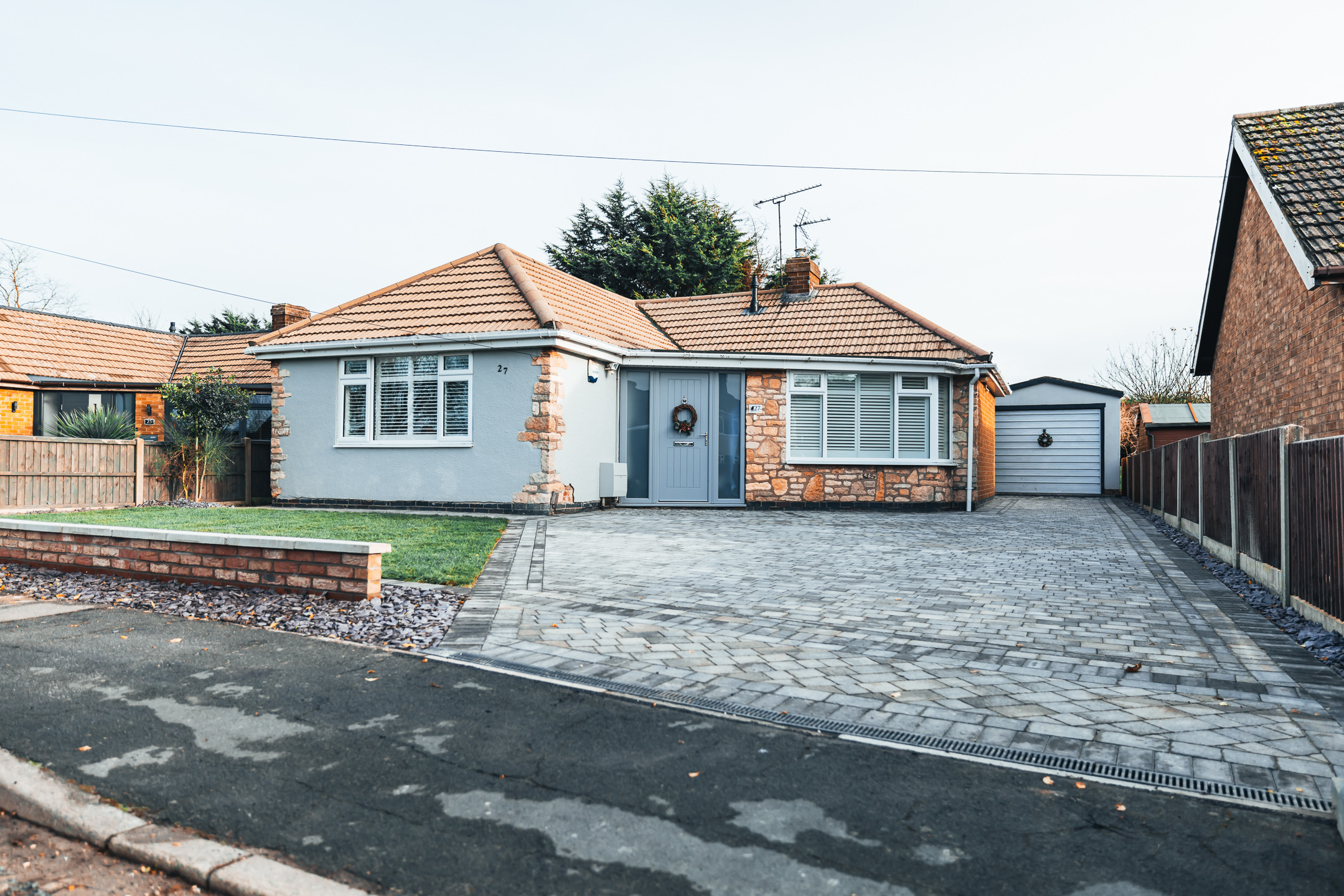
Upgrading your driveway can be a smart opportunity to be kind to the planet and your pocket. Recycled materials, such as crushed concrete, reclaimed bricks and asphalt millings, are now a favoured choice for homeowners throughout Lincolnshire. They are effective, attractive and increasingly reliable when installed correctly. In this guide, we’ll cover why recycled driveways are sensible, how they work in practice and what you need to look out for.
1. Why Recycled Materials Make Sense
Using recycled aggregates prevents tonnes of construction waste ending up in landfill and saves on transport and quarrying. According to Journal,of green building, recycled aggregates can reduce CO₂ emissions by up to 40% compared with fresh second-run stone – a significant environmental boost, matched by real savings on haulage and disposal costs.
2. A Real Project from Lincolnshire
In 2023, Minster Group recycled crushed concrete from Pelham Bridge to improve the Billinghay and Walcott footpath. The material was repurposed locally, saving landfill fees and reducing transport emissions. Though not a driveway, it proves that reused aggregates can deliver safe, long-lasting paved surfaces, just like they would in a driveway installation.
3. Comparing Costs for a 50 m² Drive
| Layer | New Material (£/m²) | Recycled Option (£/m²) |
| Sub‑base | 20–25 | 12–15 (crushed concrete) |
| Intermediate layer | 0–10 | 10–12 (asphalt millings) |
| Surface finish | 30–45 | 25–35 (reclaimed blocks or resin) |
| Estimated savings | – | 20–30% total cost |
These figures exclude labour but show significant potential for savings, especially when materials are sourced locally.
4. Common Recycled Materials
- Crushed Concrete – Excellent for a stable, permeable sub-base.
- Reclaimed Block Paving/Bricks – Offers traditional charm in patterns like herringbone.
- Asphalt Millings – Durable and cost-effective, ideal for mid-layer use.
- Decorative Recycled Aggregates – Like crushed granite or glass for a smart, drainage-friendly finish.
5. A Step-by-Step Installation Guide
- Source Certified Aggregates – Check for BS EN 13242 compliance to ensure quality.
- Site Assessment – Evaluate slope, soil type and drainage before ordering materials.
- Sub-Base Preparation – Lay crushed concrete in 100 mm layers and compact to create a firm foundation.
- Add Intermediate Layer – Spread and compact asphalt millings for added stability.
- Finish Surface – Install blocks or resin-bound aggregate; this should be drainage compliant (SuDS).
- Edge Detailing and Drainage – Use solid edging and install drainage features as explored in our blog 5 Tips to Stop Your Driveway From Sinking.
- Compact and Cure – Allow time for settling and seal edges to lock everything in place.
6. Maintenance Considerations
- Sweep Regularly – To prevent debris build-up and blockage.
- Weed Control – Check edges and joints each spring.
- Top-Up Aggregates – Add loose material where needed after rainfall.
- Resealing – Resin or block surfaces may need resealing every few years.
- Inspect Drainage – Ensure runoff systems are clear after heavy weather.
- More details available in our blog Maximising the Lifespan of Your Driveway.
7. Lincolnshire Suitability
Recycled surfaces work particularly well with local soil types and frequent rainfall, they support natural drainage and blend beautifully with rural surroundings. Whether in Waddingham or Saxilby, these driveways balance practical benefits with aesthetic appeal.
8. Compliance and Regulation
Ensure materials are certified to BS EN 13242. Use permeable aggregates to meet SuDS guidelines and avoid planning hiccups. Resources like the Environment Agency provide legal advice, and at ALS Driveways Lincoln, we handle all assessments and compliance checks for you.
9. A Little History
While using recycled stone isn’t new (it traces back to the Victorian era), today’s aggregates are more reliable, sustainably sourced, and tested for quality. It’s practical upcycling at its best – improved and modernised.
Conclusion
Recycled driveways combine sustainability, style, performance, and affordability. When properly planned and installed, they’re strong, drainage-friendly, eco-wise, and cost-effective – everything you want at the kerb.
Here at ALS Driveways Lincoln, we specialise in sourcing certified recycled materials, installing them with care, and ensuring lasting quality. If you want a driveway that delivers across all fronts, give us a call or fill in our contact form. We’re happy to chat through your options, no fuss, no pitch.
FAQs
Are recycled driveway materials durable?
Yes – when sourced properly and installed by professionals, materials like crushed concrete and asphalt millings offer strength and longevity equal to new aggregates.
Will recycled driveways require more upkeep?
Some loose surfaces may need occasional topping-up or sweeping. However, sealed layers like block paving or resin-bound finishes require minimal maintenance.
Do I need permission to install a recycled-material driveway?
Typically not. Provided the surfaces are permeable and SuDS compliant, these driveways usually fall under permitted development. Always good to check with your local planning officer or our team.