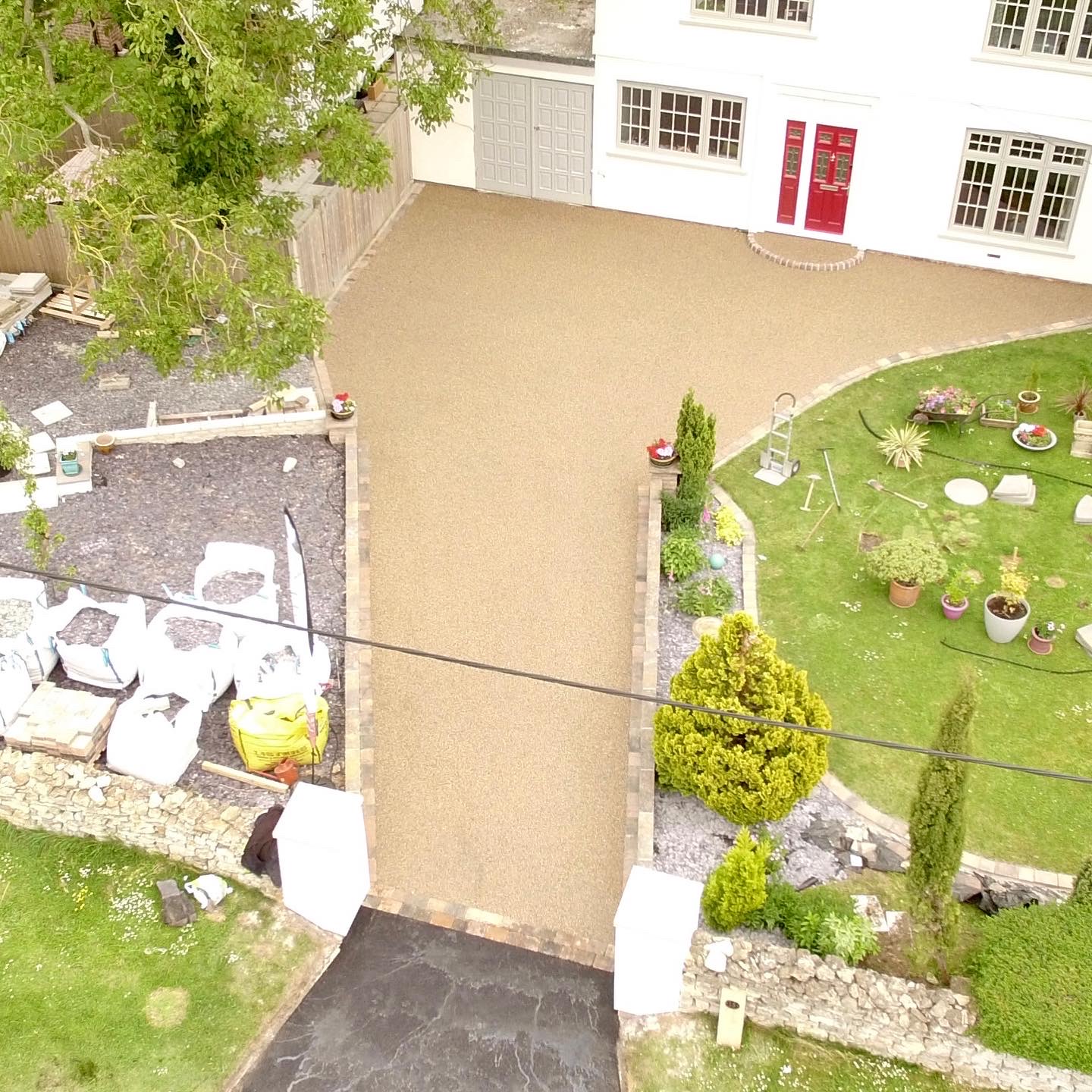
Permeable driveway paving continues to be one of the most popular choices for homeowners seeking eco-friendly and practical solutions for their driveways. Unlike traditional paving methods, permeable paving offers a range of environmental and functional benefits. In this blog, we explore why permeable paving might be the right choice for your driveway, and how it can make a significant difference to both your home and the environment.
Environmental Benefits
One of the main advantages of permeable driveway paving is its positive impact on the environment. Traditional driveways often contribute to water runoff, which can lead to flooding and water pollution. Permeable paving allows water to seep through the surface and into the ground, mimicking the natural water cycle. This process helps to:
Reduce Flooding:
By allowing water to infiltrate the ground, permeable paving reduces the volume of runoff, minimising the risk of flooding in urban areas. This is especially important in areas prone to heavy rainfall like the Lincolnshire area, or where the existing drainage infrastructure is insufficient.
Improve Water Quality:
As water passes through the permeable surface, it is filtered, reducing pollutants and improving the quality of groundwater. This natural filtration process helps to remove contaminants like oil, grease, and heavy metals that can accumulate on driveways and roadways.
Support Local Ecosystems:
Permeable surfaces help maintain natural water levels, supporting the health of local plants and wildlife. By reducing runoff, permeable paving also helps to prevent soil erosion and maintain the integrity of nearby water bodies.
Material Options
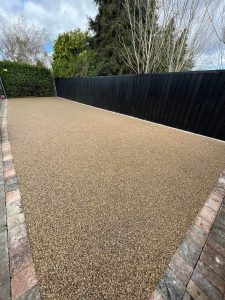
Permeable driveway paving can be achieved using a variety of materials, each offering unique benefits:
Porous Asphalt:
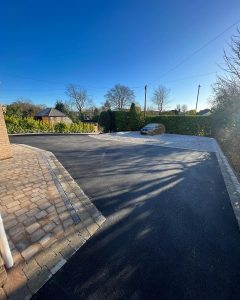
Similar to traditional asphalt but with added voids that allow water to pass through. Porous asphalt is durable and can withstand heavy traffic, making it an excellent choice for driveways.
Permeable Concrete:
A mix of concrete with high porosity, providing durability and water infiltration. Permeable concrete is an excellent option for homeowners looking for a robust and long-lasting driveway material.
Interlocking Pavers:
This is still a favourite of ours. Concrete or stone pavers with gaps in between, filled with sand, gravel or grass to facilitate drainage. Interlocking pavers are highly customisable and can be arranged in various patterns and designs to enhance the aesthetic appeal of your driveway.
Gravel:
A simple and cost-effective option, gravel driveways allow water to seep through easily. While gravel may require more maintenance to prevent spreading and ensure even coverage, it is a versatile and eco-friendly option.
Installation Process
The installation of a permeable driveway involves several key steps to ensure its effectiveness and longevity:
1. Excavation:
Removing the existing driveway surface and excavating to the required depth. This step ensures that the new permeable driveway will be level and stable.
2. Sub-base Preparation:
Laying a permeable sub-base, typically made of crushed stone, to provide structural support and drainage. The sub-base is crucial for maintaining the stability and permeability of the driveway.
3. Laying the Surface Material:
Installing the chosen permeable material, ensuring proper alignment and spacing. Careful installation is essential to maintain the permeability and aesthetic appeal of the driveway.
4. Finishing Touches:
Filling gaps with gravel, sand or grass, and compacting the surface to ensure stability. Additional features, such as edging or decorative elements, can also be added to enhance the appearance of the driveway.
Maintenance Tips
To keep a permeable driveway in top condition, regular maintenance is essential:
Cleaning:
Periodically remove debris and dirt from the surface to maintain permeability. Regular cleaning can prevent clogs and ensure that water continues to flow through the driveway.
Weed Control:
Keep weeds at bay by using appropriate herbicides or manual removal. Weeds can disrupt the permeability of the driveway and detract from its appearance.
Inspection:
Regularly check for any signs of damage or blockages and address them promptly to prevent further issues. Timely repairs can extend the lifespan of your driveway and maintain its functionality.
Replenishing Gravel:
If your permeable driveway includes gravel, periodically replenish the gravel to maintain even coverage and permeability. This step can help prevent erosion and maintain the driveway’s appearance.
Cost vs. Benefit Analysis
While the initial cost of permeable paving can be higher than traditional methods, the long-term benefits often outweigh the investment:
Cost Savings:
Reduced need for drainage systems and lower maintenance costs over time. Permeable driveways can help reduce the burden on municipal drainage systems and prevent costly water damage to your property.
Environmental Impact:
Contributing to sustainable water management and reducing environmental footprint. By choosing permeable paving, homeowners can actively participate in water conservation efforts and promote environmental stewardship.
Property Value:
Enhanced curb appeal and potential increase in property value due to eco-friendly features. Properties with well-maintained permeable driveways are attractive to environmentally conscious buyers and can command higher prices in the real estate market.
Latest Trends and Innovations
The latest trends in permeable driveway paving include innovative materials and designs that further enhance their functionality and appeal:
Recycled Materials:
Many permeable paving options now incorporate recycled materials, such as recycled concrete or plastic, to further reduce environmental impact.
Green Driveways:
Some homeowners are opting for green driveways, which incorporate grass or other vegetation between permeable pavers. These driveways blend seamlessly with the surrounding landscape and provide additional environmental benefits.
Smart Technology Integration:
Advances in smart home technology have led to the development of permeable driveways that can integrate with home automation systems. For example, some permeable driveways can be equipped with sensors that monitor water flow and alert homeowners to potential issues.
Conclusion
Permeable driveway paving offers a range of benefits that make it a smart choice for homeowners looking to improve their property’s functionality and environmental impact. With various materials and styles available, you can find a solution that fits your aesthetic preferences and practical needs. If you’re considering upgrading your driveway, contact us at ALS Driveways Lincoln for expert advice and a comprehensive quote.
FAQs
What are the main benefits of permeable driveway paving?
Permeable driveway paving helps reduce flooding by allowing water to seep through the surface, improving water quality by filtering pollutants, and supporting local ecosystems by maintaining natural water levels. It also adds aesthetic value to properties and can reduce long-term maintenance costs.
- What materials can be used for permeable driveway paving?
Materials for permeable driveway paving include porous asphalt, permeable concrete, interlocking pavers, and gravel. Each material offers unique benefits, such as durability, ease of maintenance, and aesthetic options.
- How do I maintain a permeable driveway?
Maintenance involves regular cleaning to remove debris, controlling weeds, inspecting for damage or blockages, and replenishing gravel if used. Regular upkeep ensures the driveway remains functional and aesthetically pleasing.