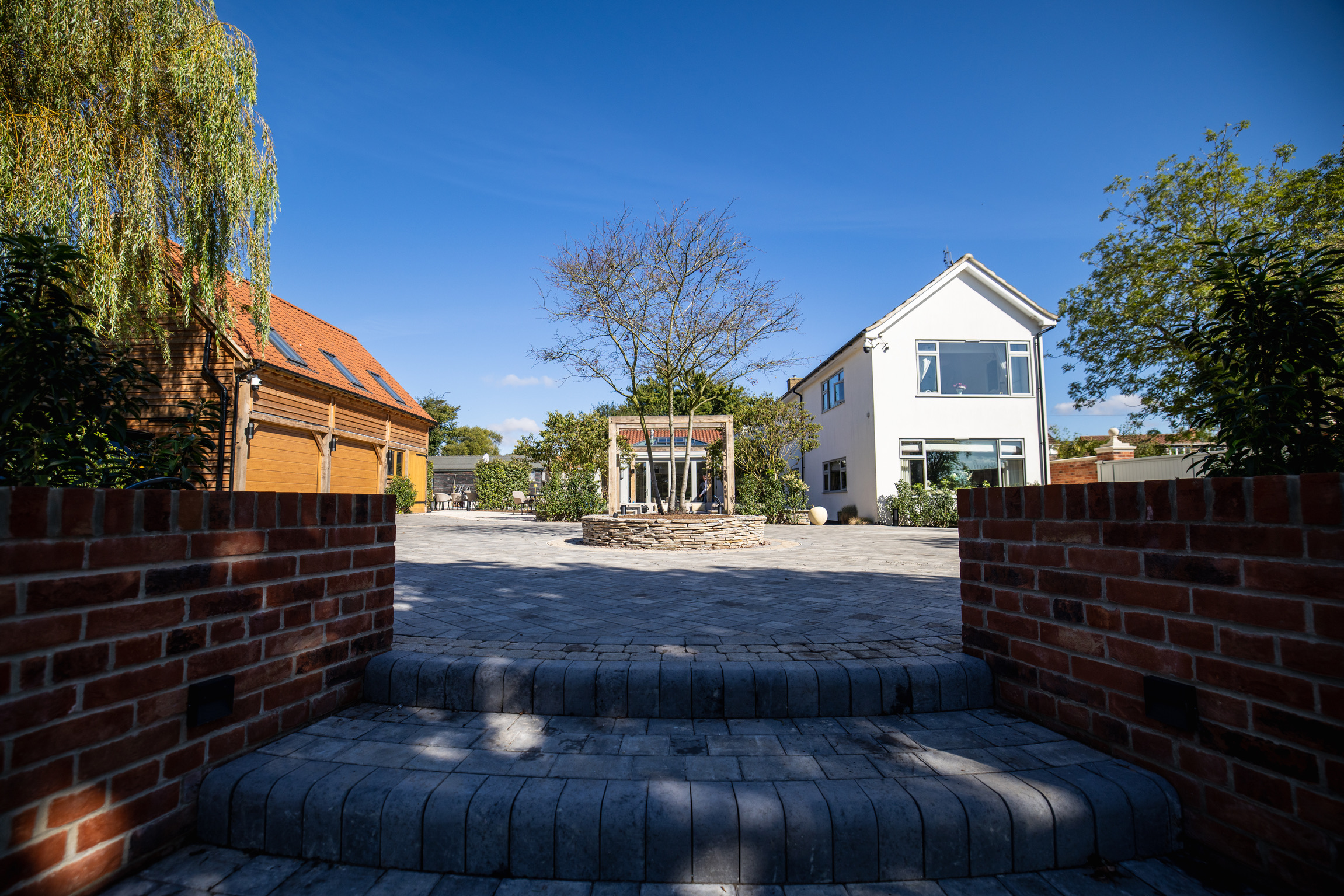
By the beginning of February, winter has usually settled into a steady pattern. Frosty mornings, damp afternoons and the occasional icy patch have become part of everyday life. Most homeowners keep an eye out for obvious issues such as ice or standing water, but there are other Winter driveway problems that homeowners often miss.
Hidden winter driveway problems often start small. Minor surface wear, drainage changes or slight movement beneath the surface can gradually appear after weeks of cold weather. Because these issues develop slowly, they can easily go unnoticed until spring arrives.
Fortunately, February is an excellent time to look a little closer. Spotting hidden winter driveway problems early allows homeowners to deal with them before they become more expensive repairs later in the year.
Why Hidden Winter Driveway Problems Develop During Cold Weather
Winter places unique stresses on driveway surfaces. Moisture, frost and debris all work together to weaken materials over time.
When water seeps into small gaps in the surface, freezing temperatures cause it to expand. As the ice melts, those gaps become slightly larger. Over several weeks, this process can gradually affect the stability of the driveway.
According to the Met Office, the UK regularly experiences freeze-thaw cycles during winter months. These cycles are one of the most common causes of gradual surface deterioration.
Because the process is slow, the early warning signs are often subtle.
Subtle Cracks That Are Easy to Miss
Many homeowners expect driveway cracks to appear suddenly. In reality, they often develop gradually and may initially look harmless.
For example, you might notice:
- Thin lines appearing across the surface
- Small cracks forming near driveway edges
- Gaps between paving blocks becoming slightly wider
These small changes may not seem serious. However, they allow more moisture to enter the surface, which can accelerate damage during further cold spells.
If cracks appear to be widening, it may be helpful to review our guide on How to Deal with Potholes and Cracks: Quick Fixes for Your Driveway, which explains what to look for and when repairs might be needed.
Drainage Changes That Appear Over Time
Another hidden winter driveway problem involves drainage.
During autumn and winter, debris such as leaves, moss and grit can gradually block drainage channels. As a result, water may begin draining more slowly without homeowners immediately noticing.
Early signs of drainage problems include:
- Puddles forming more frequently
- Water collecting along driveway edges
- Surfaces remaining damp long after rainfall
The Environment Agency recommends keeping drainage routes clear during wetter months to prevent surface water issues.
Checking these areas regularly in February helps prevent problems becoming worse as spring rainfall increases.
Slight Surface Movement Beneath Vehicles
Vehicle weight can sometimes reveal hidden winter driveway problems.
Over time, repeated parking in the same spot can create small depressions or uneven areas. These changes may be difficult to see at first but become more noticeable when the surface is wet.
For example, homeowners may begin to notice:
- Tyre tracks that remain visible after rain
- Slight dips forming where cars are parked
- Gravel shifting away from parking areas
While these changes are usually minor, they can indicate that the surface beneath the driveway has shifted slightly due to moisture or frost.
Moss and Algae Growth in Damp Areas
Moss and algae often appear during winter because surfaces remain damp for longer periods.
Although moss is common, it can sometimes highlight areas where water is not draining effectively.
The Royal Horticultural Society advises removing moss before it spreads widely, as it can make surfaces slippery and trap additional moisture.
Regular sweeping and occasional cleaning during milder days can help control growth.
What Homeowners Can Do in Early February
Fortunately, dealing with hidden winter driveway problems does not require complicated maintenance.
Simple actions can make a big difference.
For example:
- Sweep debris from the driveway regularly
- Check drainage channels after heavy rain
- Monitor cracks or uneven areas
- Remove moss and algae where possible
- Avoid harsh cleaning methods during freezing weather
These small steps help protect driveway surfaces until conditions improve later in the year.
When to Start Thinking About Repairs
Although February is still firmly part of winter, it can be a useful time to begin thinking about repairs or improvements.
If hidden winter driveway problems continue to appear, planning ahead allows homeowners to:
- explore repair options
- research driveway materials
- compare installation quotes
- schedule work before the busy spring season
Our blog Understanding the Costs of Driveway Installation and How to Budget explains how homeowners can begin planning driveway improvements without pressure.
Conclusion
Winter weather can gradually affect driveway surfaces in ways that are not always immediately obvious. Hidden winter driveway problems such as small cracks, drainage changes and surface movement often develop quietly over several weeks.
However, checking your driveway carefully at the beginning of February can reveal these early warning signs before they turn into larger repairs.
Regular maintenance and simple inspections help keep your driveway safe, tidy and ready for the changing seasons ahead.
If winter has highlighted issues with your driveway, the team at ALS Driveways Lincoln are always happy to offer practical advice and guidance.
FAQs
What are hidden winter driveway problems?
Hidden winter driveway problems include small cracks, drainage issues and surface movement that develop gradually during cold weather.
Why do driveway problems appear in winter?
Freeze-thaw cycles allow moisture to expand inside small gaps, which gradually weakens driveway surfaces.
Should homeowners inspect their driveway in February?
Yes. February is an ideal time to spot early winter damage before spring weather makes problems worse.