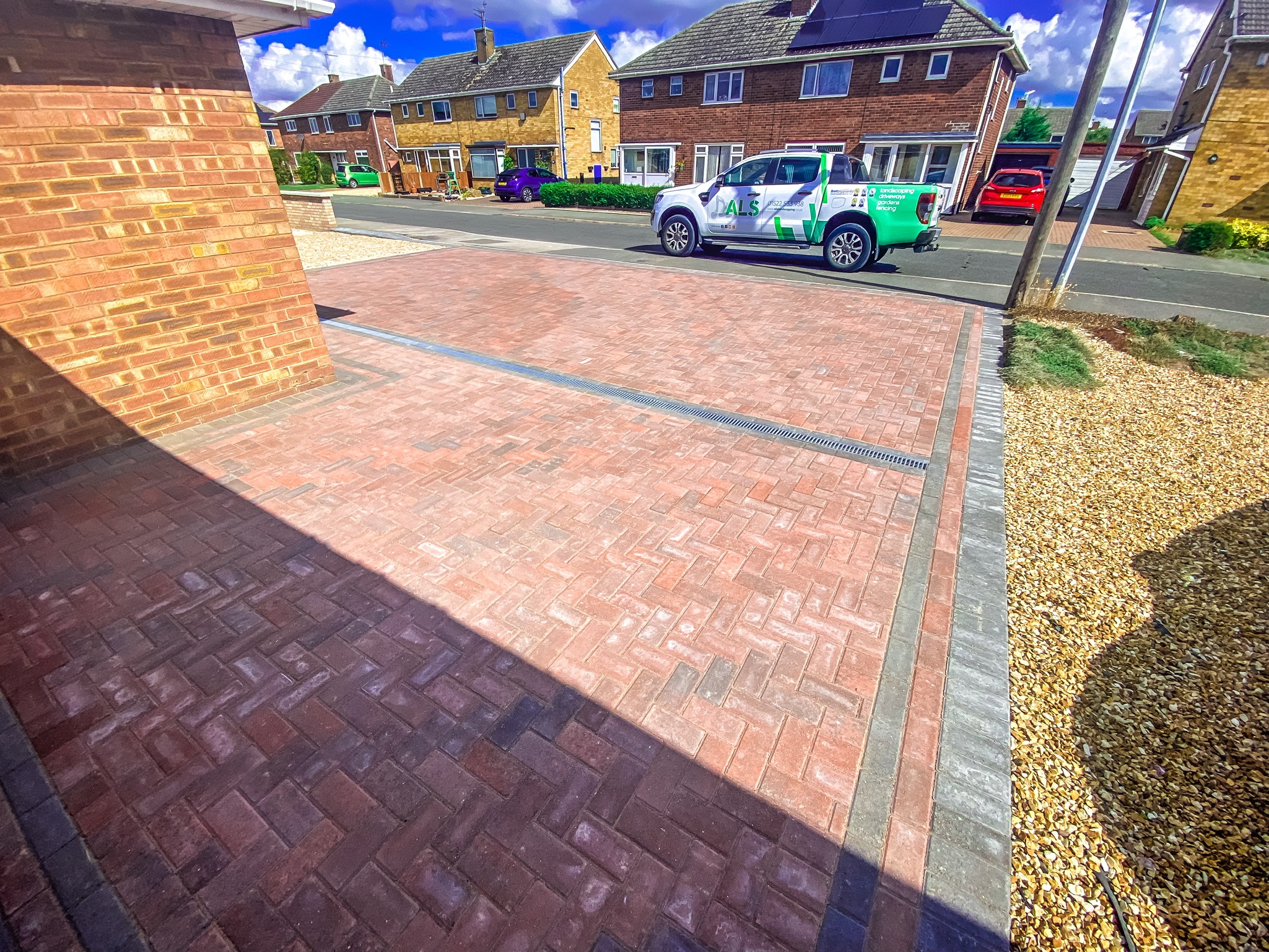
How Spring Rain Can Impact Your Driveway (And What to Watch For)
Spring rain driveway impact is something many homeowners don’t think about until problems start to appear. After a long winter, March often brings increased rainfall across the UK, and this change in weather can reveal how well your driveway is coping.
While a well-installed driveway is designed to handle water, persistent rain can highlight weaknesses such as poor drainage, surface wear or underlying structural issues.
Understanding how spring rain affects your driveway allows you to spot early warning signs and take action before small issues develop into larger problems.
How Does Spring Rain Driveway Impact Become Visible?
Spring rain driveway impact often becomes noticeable once heavier and more consistent rainfall arrives. During winter, frozen ground and lower rainfall levels can mask drainage issues. However, as temperatures rise and rainfall increases, these issues become easier to spot.
According to the Met Office overview of UK spring weather, March and April often bring a mix of rain and milder temperatures, which can place additional pressure on outdoor surfaces.
As a result, driveways may begin to show:
- standing water after rainfall
- darker patches where moisture lingers
- areas that take longer to dry
- minor surface movement
Can Spring Rain Cause Drainage Problems?
One of the most common effects of spring rain driveway impact is poor drainage.
If water is not able to drain away properly, it may begin to collect on the surface. Over time, this can affect both the appearance and condition of the driveway.
The UK Government guidance on sustainable drainage systems (SuDS) explains that managing surface water is essential to reduce flood risk and prevent long-term damage to outdoor surfaces.
When checking your driveway, look for:
- puddles that remain after rain
- water flowing towards your property
- blocked drainage channels
- overflow from nearby areas
If drainage issues are persistent, our blog Why Permeable Paving is the Future of Driveway Design explains how modern surfaces help manage rainfall effectively.
How Does Spring Rain Impact Driveway Surfaces?
Spring rain driveway impact is not limited to drainage. It can also affect the surface itself.
When water repeatedly sits on a driveway, it can gradually weaken certain materials. This is especially true if small cracks or gaps are already present.
Over time, homeowners may notice:
- cracks becoming more visible
- jointing sand washing away in block paving
- gravel shifting or spreading unevenly
- slight dips forming in high-use areas
These changes often develop gradually, which is why early detection is important.
If you notice these issues, our guide Driveway Repair vs Replacement: How to Make the Right Decision can help you assess the next steps.
Why Water Is the Biggest Long-Term Risk to Driveways
Water is one of the main causes of driveway deterioration over time.
When moisture repeatedly enters the surface and underlying layers, it can gradually weaken the structure. This is particularly relevant in the UK, where rainfall is frequent throughout the year.
The British Geological Survey highlights that soil types and ground conditions across the UK can influence how water behaves beneath surfaces, which can affect stability.
This is why proper installation, including a solid sub-base and effective drainage, is essential for long-term durability.
What Homeowners Should Do To Avoid Spring Rain Impact
Fortunately, there are simple steps homeowners can take to reduce the impact of spring rain.
During wetter periods, it is worth:
- checking drainage channels regularly
- clearing debris from the driveway surface
- monitoring areas where water collects
- avoiding parking on consistently saturated areas if possible
These small actions can help prevent moisture from causing further damage.
When to Consider Improvements
Spring rain driveway impact can sometimes highlight issues that have developed over time.
If problems such as poor drainage, uneven surfaces or repeated water pooling continue, it may be worth considering improvements.
For example, you might explore:
- upgrading to permeable paving
- improving drainage systems
- resurfacing worn areas
- redesigning the layout for better water flow
If you’re thinking about making changes, get in touch with us today.
Conclusion
Spring rain driveway impact is something every homeowner should be aware of as the seasons change. Increased rainfall can reveal drainage issues, highlight surface wear and expose areas that may need attention.
By checking your driveway regularly and responding to early warning signs, you can prevent minor issues from becoming more serious problems.
Taking action during March helps ensure your driveway remains safe, functional and ready for the months ahead.
If you would like advice on improving drainage or upgrading your driveway, the team at ALS Driveways Lincoln are always happy to help.
FAQs
Can heavy rain damage a driveway?
Yes. Persistent rain can highlight drainage issues and gradually weaken certain driveway surfaces.
Why does water pool on my driveway?
Water pooling is usually caused by poor drainage, uneven surfaces or blocked channels.
What is the best way to improve driveway drainage?
Options include clearing drainage channels, installing proper drainage systems or using permeable paving.