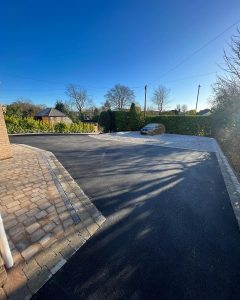
Creating a Grand Entrance: Design Ideas for an Impressive Driveway

Is your driveway making a statement, or is it barely whispering ‘hello’? A grand driveway doesn’t have to cost the earth. With thoughtful materials, smart features and a bit of style, your entrance can deliver that proud nod every time you pull up. Let’s explore some design ideas to help you create a driveway that earns respect, admiration and maybe even a few compliments.


1. Grand Gates and Borders: First Impressions Matter

Nothing says ‘welcome home’ quite like a striking set of gates. Whether it’s modern steel, rustic timber or classic wrought iron, a well-chosen pair will define your driveway and make a lasting first impression.

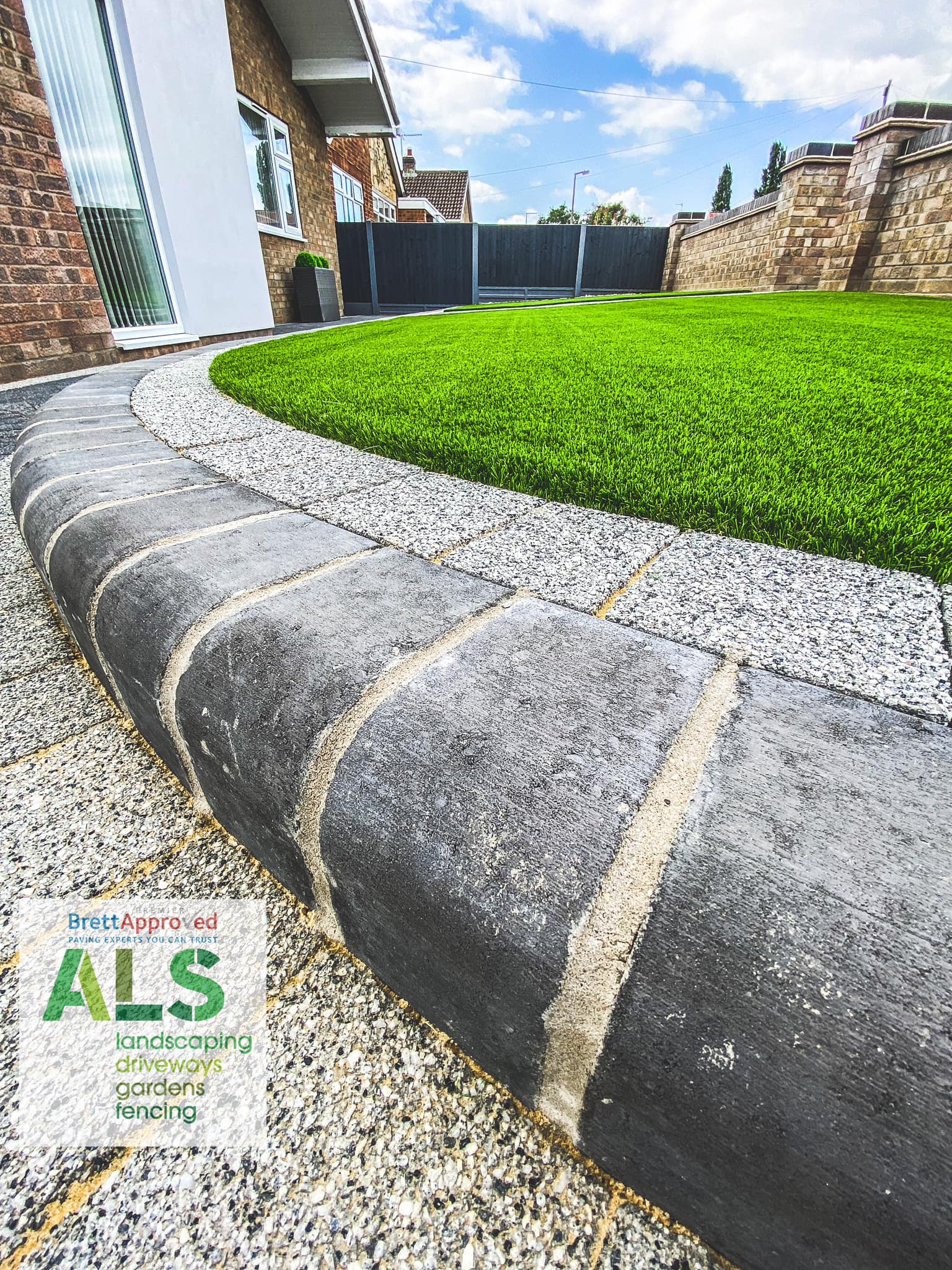
Pair your gates with low stone walls, neat brick pillars or timber edging to create a clean and structured look. Borders help contain materials like gravel and give your entrance a polished feel. According to The Spruce, even simple edging materials like steel or brick can transform a drive’s appearance.

Once your driveway is finished, we recommend reading our guide Driveway Maintenance: 5 tips on how to keep yours looking great for years to come for practical maintenance tips.


2. Materials That Mean Business

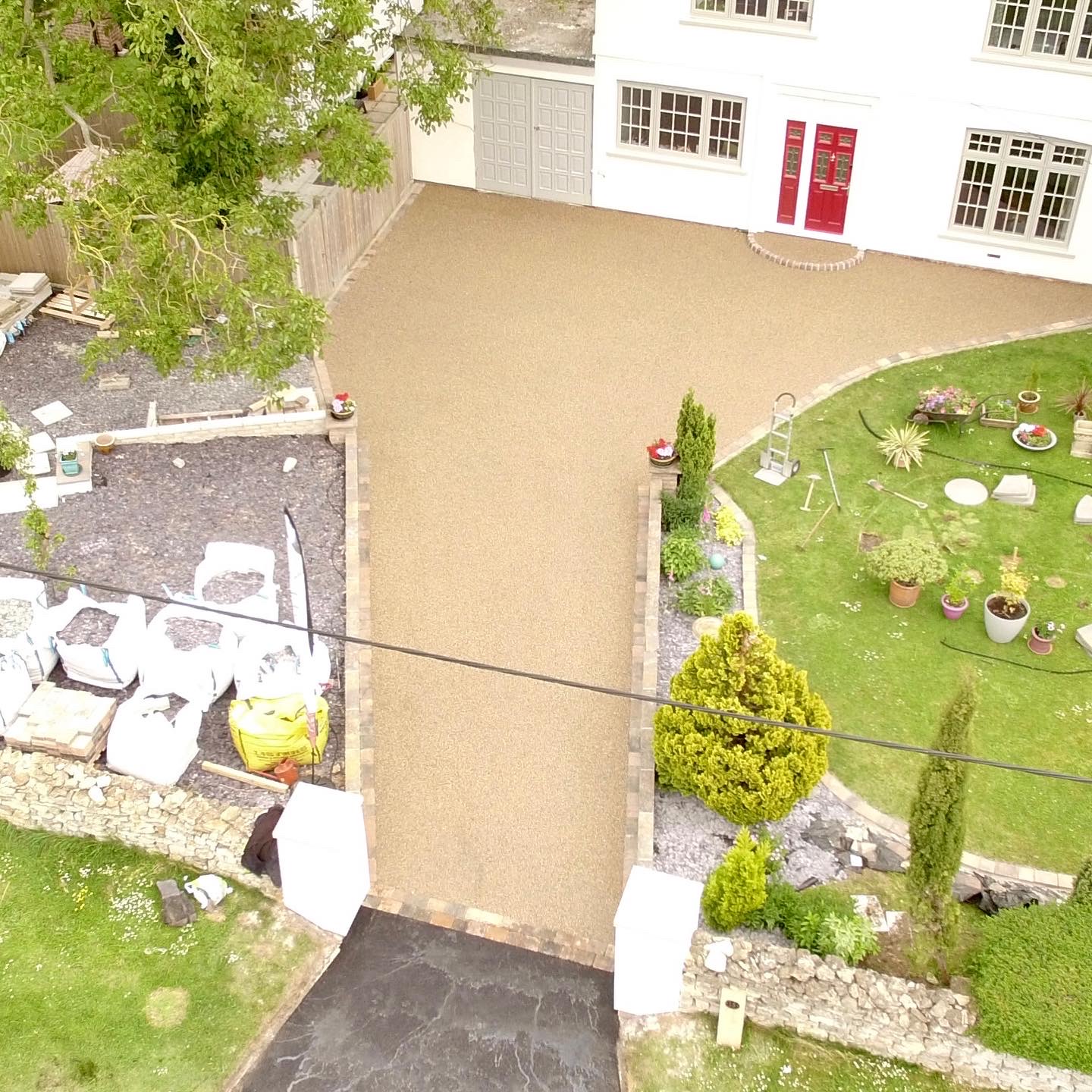
Choosing the right materials can make a huge visual difference. Resin-bound gravel is ideal if you want something modern and sleek. Block paving is perfect for those who prefer a traditional look with the flexibility of patterns and borders.

Our detailed blog Choosing the Best Driveway Material for Lincoln’s Climate explains which materials stand up to the British weather and which are best for Lincolnshire homes.


3. Lighting to Make It Shine

A grand driveway should still look great after the sun goes down. Low-level LED lighting along the edges, softly lit pillars or spotlights on your gate posts will make a huge difference.

Solar lights are easy to install and give off a soft glow. According to Surrey Hills Driveways, driveway lighting is one of the top trends for 2025, offering both safety and a stylish finish.


4. Feature Patterns and Detailing

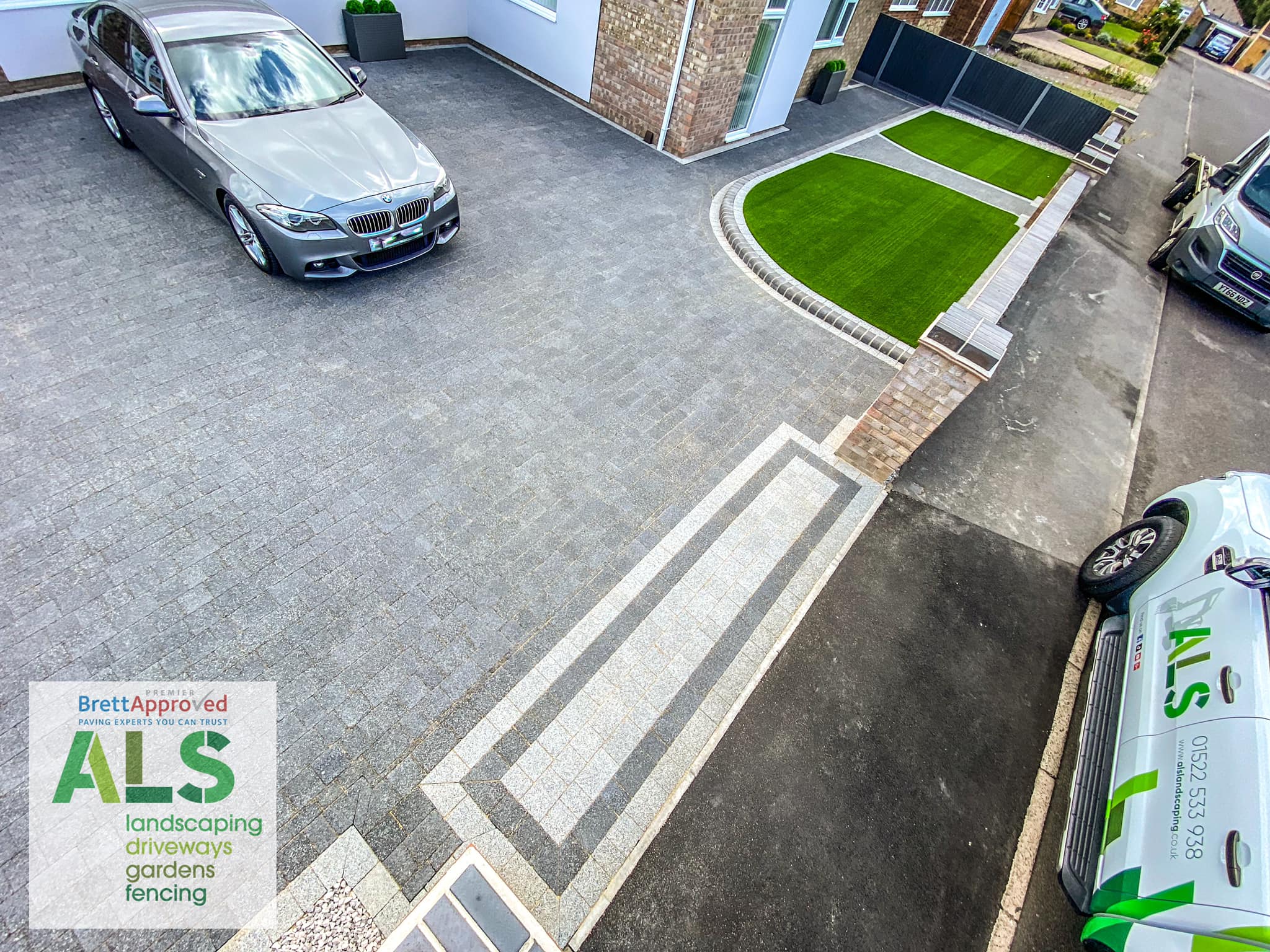
Patterns in your driveway are a brilliant way to add character. Think herringbone, basketweave or chevron. You can also create circular designs near the entrance or in front of your garage.

Adding a darker border or central feature can guide the eye and make your driveway look larger or more formal. These touches add class without being over the top.


5. Borders, Paths and Planting

Planting adds life and texture. Use low-growing shrubs like lavender, rosemary or small box hedges to soften edges and bring colour. Pleached trees or ornamental grasses give vertical interest and structure.

For tips on keeping your greenery and your driveway in good shape, take a look at our blog Maximising the Lifespan of Your Driveway.


6. Smart Add-ons for Modern Living

Add practicality with a bit of flair. Think motion-sensor lighting, integrated EV chargers or even heated surfaces for frost protection. These additions combine convenience with forward-thinking design, making your driveway smarter and more efficient.


7. Putting It All Together: A Checklist

Feature Description
Material Resin-bound, block paving or a combination for added style
Edging Stone, brick or metal borders to define space
Lighting Low-level LED or solar lighting for safety and ambience
Planting Shrubs, perennials and structure for softness and colour
Gates and Walls Timber, steel or stone for a strong visual start
Tech Options EV chargers, motion-sensor lighting or heated paving for smart living
Patterns Add interest with herringbone, chevron or circular details


Conclusion

Creating a grand driveway entrance is not about spending a fortune. It is about carefully selecting the right features to suit your home and lifestyle. Whether you love sleek modern finishes or a more traditional look with greenery and brick borders, the key is balance and detail.

At ALS Driveways Lincoln, we help homeowners bring these visions to life with advice, planning and professional installation. We know what works for Lincolnshire homes, and we are always happy to chat through your ideas.

Ready to get started? Call us today or fill in our contact form. We will help you create an entrance you can be proud of, one that combines style, substance and a smile every time you come home.

FAQs

  1. What makes a driveway look impressive?
    Using smart materials, lighting, planting and patterns all contribute to an eye-catching and welcoming design.
  2. Can I add lighting to my driveway later?
    Yes. Many solar and low-voltage options can be added after installation, but planning ahead makes it easier and more cohesive.

3. Do I need planning permission for gates or lighting?
Most driveway improvements are classed as permitted development. However, taller gates or specific lighting setups may need council approval, so it is best to check or ask us for advice.
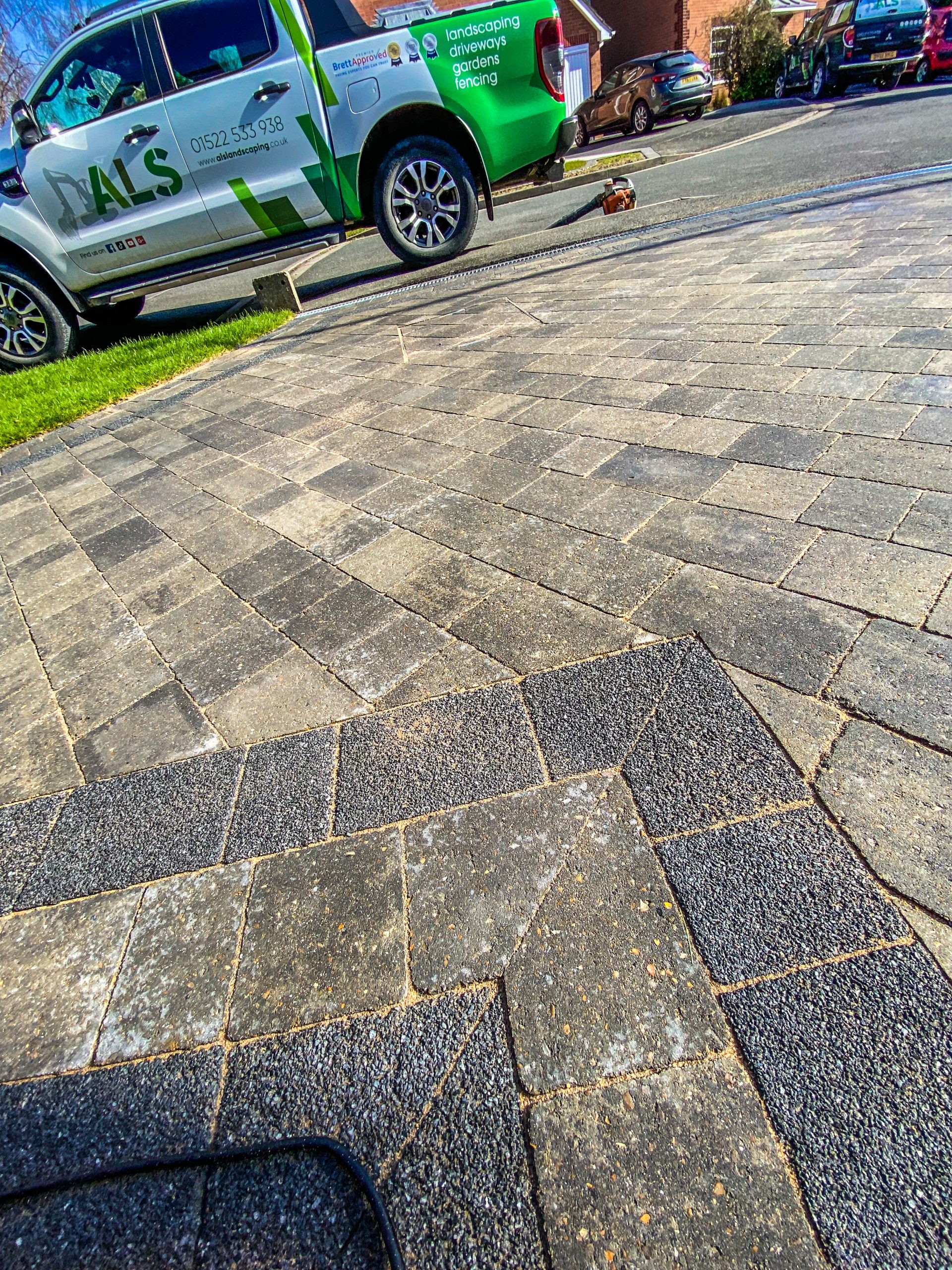
Exploring the Latest Trends in Driveway Design for 2025

Driveways have come a long way from being just a patch of tarmac to park your car. In 2025, they’re all about style, sustainability, and smart solutions. Let’s take a look at what’s making waves in driveway design this year.

1. Resin-Bound Driveways: The Smooth Operator

Resin-bound driveways are gaining popularity for their sleek finish and durability. They offer a seamless look and come in various colours to match your home’s aesthetic. Plus, they’re permeable, allowing water to drain through and reducing puddles.

For more on the benefits of permeable driveways, check out our blog: The Benefits of Permeable Driveway Paving: Eco-Friendly and Practical Solutions.

2. Geometric Patterns: Adding a Bit of Flair

Gone are the days of plain driveways. Homeowners are now opting for geometric patterns like herringbone or basket weave to add visual interest. It’s like giving your driveway a fancy new outfit, according to T&A Resin and Stonecraft Landscapes, bold geometric patterns are leading the way in design trends, especially in urban areas.

3. Eco-Friendly Materials: Green is the New Black

Sustainability is more than just a buzzword. Homeowners are choosing eco-friendly materials like permeable pavers and recycled concrete to reduce their environmental impact. It’s a win-win: good for the planet and your driveway.

A&L Tree and Landscapes highlight the growing trend towards eco-friendly driveway options, including the use of recycled materials and permeable designs.

4. Integrated Lighting: Bright Ideas

Adding lighting to your driveway isn’t just practical; it’s also stylish. From solar-powered lights to LED strips, illuminating your driveway enhances safety and adds a touch of elegance.

Surrey Hills Driveways suggest that incorporating lighting into paving is both functional and a major design statement. Take a look at our Innovative Driveway Technology blog for more.

5. Mixed Materials: The More, The Merrier

Why settle for one material when you can mix and match? Combining different textures like gravel with stone pavers creates a unique look that stands out. Hello Lovely Living, liken It to a pick-and-mix for your driveway.

In their blog, SandT Groundworks note that mixed-media designs incorporating two or more materials are set to dominate this year. 

6. Neutral Tones: Keeping It Classy

Neutral colours like greys, beiges, and charcoals are in vogue. They offer a timeless appeal and blend well with various architectural styles. Think of it as the little black dress for your driveway.

Stonecraft Landscapes mention that choosing a contrasting border in a darker or lighter shade can create clean lines that define the space, adding aesthetics. We agree wholeheartedly; check out our Transform Your Driveway with Decorative Edging blog. 

7. Smart Driveways: The Future is Now

Technology is making its way to driveways with features like heated surfaces to melt snow and integrated electric vehicle charging points. We mentioned this back in 2024 in our Innovative Driveway Technology blog.

SandT Groundworks also discuss the emergence of smart innovations for high-performance driveways, including heated driveways and solar-powered options. 

8. Personalised Touches: Make It Yours

Adding personal elements like monograms or custom patterns makes your driveway uniquely yours. It’s a great way to showcase your personality right from the curb. 

9. Low-Maintenance Solutions: Easy Does It

Homeowners are leaning towards materials that require minimal upkeep. Options like stabilised gravel and resin-bound surfaces are durable and easy to maintain, giving you more time to enjoy your driveway rather than working on it.

For tips on maintaining your driveway, check out our blog: Maximising the Lifespan of Your Driveway: Maintenance and Enhancement Tips.

10. Edging and Borders: The Finishing Touch

Adding borders or edging to your driveway not only enhances its appearance but also helps keep materials like gravel in place. It’s the cherry on top of your driveway sundae.

The Spruce provide ideas for affordable and easy-to-install edging options suitable for DIY projects.

Conclusion: More Than Just a Parking Spot

Let’s face it, driveways have come a long way from being a bit of gravel and guesswork. In 2025, they’re doing more than just keeping your car off the street – they’re upping curb appeal, supporting sustainability, and making life that little bit easier. From smart tech and sustainable surfaces to patterns, lighting and personalised touches, it’s never been more exciting (yes, really!) to think about your driveway.

Here at ALS Driveways Lincoln, we’re not just about laying paving – we’re about helping you make practical, attractive choices that work for your home and your budget. Whether you’re planning a full revamp or just curious about what’s possible, we’re happy to talk you through the options.

Need some guidance on materials? Check out Choosing the Best Driveway Material for Lincoln’s Climate. Thinking about future-proofing? You might also find our blog on Sustainable Driveways worth a look.

Let’s make 2025 the year your driveway finally gets the attention it deserves. Give us a ring, or pop over to our contact page – we’ll get the kettle on.

Choosing the Best Driveway Material for Lincoln’s Climate: A Comparative Guide

When it comes to choosing the right material for your driveway, it’s not just about looks – Lincolnshire’s ever-changing weather has a big say in how well your driveway performs over time. From damp, chilly winters to the odd heatwave in summer, Lincoln’s climate puts driveways through their paces.

In this blog, we’ll break down the most popular driveway materials and compare how they hold up in Lincoln’s conditions. Whether you’re planning a brand-new installation or thinking about upgrading, we’ll help you make an informed choice that lasts.


What Does Lincoln’s Climate Mean for Your Driveway?

Before diving into materials, let’s quickly sum up what makes Lincoln’s weather a bit of a challenge:

  • Cold, wet winters with frequent frosts and the odd snow flurry.
  • Mild, rainy springs and autumns, which can mean moss and weed growth.
  • Occasional heat spells in summer, putting stress on certain surfaces.
  • Plenty of moisture year-round, which affects drainage and longevity.

So, you’ll want a material that’s: 

✔ Durable through freeze-thaw cycles.
✔ Low-maintenance (because who wants to be constantly cleaning or repairing?).
✔ Well-drained to prevent puddles and slippery surfaces.

Comparing the Most Popular Driveway Materials for Lincoln

Block Paving

Overview:

Block paving is made up of individual blocks or bricks laid in various patterns, giving a traditional, high-end look.

Pros for Lincoln’s Climate:

  • Durable: Handles the freeze-thaw cycles well if installed with proper drainage.
  • Easy Repairs: Individual blocks can be replaced if damaged.
  • Permeable Options Available: Helps with Lincoln’s wet seasons and prevents puddles.
  • Visual Appeal: Customisable colours and patterns to suit any home.

Considerations:

  • Weed Growth: Moss and weeds can grow between blocks if not maintained.
  • Sanding Required: Needs occasional re-sanding to keep the blocks stable.

Learn more about the pros and cons in our blog Driveway Repair vs. Replacement: How to Make the Right Decision.


Resin-Bound Gravel

Overview:
Resin-bound gravel combines natural stone with a clear resin, creating a smooth, attractive surface.

Pros for Lincoln’s Climate:

  • Permeable Surface: Perfect for Lincoln’s rainy seasons—no puddles, no surface water.
  • Weed-Resistant: Unlike traditional gravel, there’s no loose stone for weeds to take root.
  • Durability: Handles temperature swings well without cracking.
  • Low Maintenance: Occasional jet wash is all it needs to stay pristine.

Considerations:

  • Initial Cost: Higher upfront investment compared to gravel or tarmac.
  • Professional Installation Essential: To ensure proper drainage and a flawless finish.


Tarmac (Asphalt)

Overview:
A classic, practical choice, tarmac driveways offer a smooth, dark finish and are popular across the UK.

Pros for Lincoln’s Climate:

  • Cost-Effective: Lower initial cost compared to block paving or resin.
  • Quick Installation: Can be laid and set fairly quickly.
  • Good for Cold Climates: Handles frosts well when installed correctly.

Considerations:

  • Heat Sensitivity: In rare hot spells, tarmac can soften and deform slightly.
  • Maintenance: Requires resealing every few years to maintain durability.
  • Less Visual Appeal: More functional than decorative.


Gravel

Overview:
Loose gravel driveways are one of the most affordable options, offering a rustic charm.

Pros for Lincoln’s Climate:

  • Excellent Drainage: Water passes through easily – no worries about standing water.
  • Affordable: Budget-friendly and simple to install.
  • Traditional Look: Suits rural or period properties perfectly.

Considerations:

  • Weed Growth: Needs regular maintenance to prevent weeds and grass.
  • Movement: Gravel can shift and spread, requiring occasional top-ups.
  • Snow & Ice: Can be tricky to clear in winter.


Concrete

Overview:
A hard-wearing and versatile material, concrete driveways provide a smooth, modern surface.

Pros for Lincoln’s Climate:

  • Strong & Durable: Handles heavy vehicles and freeze-thaw cycles.
  • Low Maintenance: Resistant to most weather conditions.
  • Customisable Finishes: Options like coloured or stamped concrete available.

Considerations:

  • Prone to Cracking: Especially if drainage isn’t spot-on.
  • Non-Permeable: Needs proper drainage solutions to prevent pooling.
  • Cost: Mid to high-range depending on finish.


Our Recommendation: What’s Best for Lincoln?

For Lincolnshire homes, resin-bound gravel and block paving strike the best balance:

  • Both handle wet weather and freezing temperatures well.
  • Both offer permeable options, ideal for avoiding puddles and drainage issues.
  • They provide a polished, attractive finish, adding kerb appeal and value to your property.

However, if budget is a key factor, tarmac or gravel may still serve you well with proper maintenance.


Long-Term Considerations: Maintenance & Longevity

Whatever material you choose, Lincoln’s climate means you’ll want to stay on top of upkeep:

Material Lifespan Key Maintenance Tips
Block Paving 20-30 years Re-sand joints, occasional weed control, power wash.
Resin-Bound Gravel 15-20 years Occasional jet wash, sweep debris regularly.
Tarmac 15-20 years Reseal every few years, fill any small cracks early.
Gravel 10-15 years Weed control, top up gravel as needed.
Concrete 25-30 years Check for cracks, reseal every few years if applicable.


Ready to Choose the Right Driveway?

At ALS Driveways Lincoln, we specialise in helping homeowners choose the perfect driveway material for Lincoln’s unique climate. Whether you’re looking for something low-maintenance, budget-friendly, or designed to wow the neighbours, we’re here to guide you every step of the way.

Get in touch today for a free consultation and no-obligation quote.

From Planning to Payoff: How to Maximise the ROI of a New Driveway Installation

Investing in a new driveway isn’t just about aesthetics—it’s a smart financial decision. A well-installed driveway can boost your property’s value, improve kerb appeal, and even make everyday life more convenient. But how do you ensure you get the best return on your investment (ROI)?

Whether you’re installing a driveway to enhance your home, increase resale value, or improve functionality, careful planning is key to maximising your investment. In this blog, we’ll guide you through every stage of the process, from material selection to long-term maintenance, so you get the most out of your driveway.

1. Why a Driveway is a Smart Investment

A professionally installed driveway provides multiple benefits beyond just a place to park your car.

Financial Benefits of a Driveway Installation:

  • Increases Property Value: According to Homebuilding & Renovating, well-designed driveway can add up to 10% to your home’s value.
  • Boosts Kerb Appeal: A high-quality driveway creates a strong first impression for visitors or potential buyers.
  • Reduces Maintenance Costs: Investing in durable materials and proper installation prevents costly repairs down the line.
  • Improves Practicality: More parking space can make your home more attractive to buyers, particularly in areas with limited on-street parking.


 If you’re thinking about whether to repair or replace your existing driveway, check out our blog on Driveway Repair vs. Replacement: How to Make the Right Decision.

2. Planning Your Driveway for Maximum ROI

A well-planned driveway project ensures you get the best results. Here’s what to consider:

a. Choose the Right Material for Your Budget and Needs

The material you select plays a major role in the longevity, appearance, and value of your driveway. Here’s a quick comparison:

Material Average Lifespan Pros Cons ROI Potential
Block Paving 30+ years Customisable, durable, easy to repair Higher upfront cost, requires re-sanding ⭐⭐⭐⭐⭐
Resin-Bound  15-20 years Smooth, modern look, permeable for drainage More expensive than standard gravel ⭐⭐⭐⭐
Tarmac (Asphalt) 15-25 years Cost-effective, quick installation Can soften in extreme heat, requires resealing ⭐⭐⭐⭐
Concrete 25-30 years Durable, low maintenance Can crack over time, limited design options ⭐⭐⭐
Gravel 10-15 years Affordable, easy to install Requires regular upkeep, can shift over time ⭐⭐⭐

If you want to balance cost and long-term value, block paving and resin-bound offer the best ROI.

b. Consider Your Driveway Layout and Size

Maximising space is essential. A well-thought-out design should:

  • Provide enough room for multiple vehicles if space allows.
  • Ensure easy access and exit.
  • Include edging or decorative borders for a polished look.

c. Factor in Drainage Solutions

A driveway with poor drainage can lead to pooling water, which weakens the surface over time. Proper planning includes:

  • Using permeable materials like resin-bound gravel or permeable block paving.
  • Installing drainage channels to prevent water damage.
  • Ensuring the driveway is sloped correctly to direct water away from your home.

Find out more about eco-friendly driveway materials in our blog on Sustainable Driveways: Eco-Friendly Materials and Installation Techniques.

3. How to Ensure a High-Quality Installation

Even the best materials won’t deliver good ROI if the installation is poor.

a. Work with Experienced Professionals

Choosing a trusted driveway installer, like ALS Driveways Lincoln, ensures your driveway is laid correctly and built to last.

b. Focus on Sub-Base Quality

The foundation is crucial for longevity. A poor sub-base leads to sinking and cracking, so ensure your installer uses the right materials and compaction techniques.

c. Add Finishing Touches for Kerb Appeal

Small details can make a big difference in ROI. Consider:

  • Decorative Edging: A neat border can elevate the look of your driveway.
  • Lighting: Improves security and enhances appearance at night.
  • Landscaping Integration: Blending your driveway with your garden creates a seamless look.

4. Long-Term Maintenance for Continued Value

Maintaining your driveway properly prevents damage and ensures it retains its appeal.

a. Regular Cleaning

  • Use a pressure washer for block paving and concrete.
  • Sweep gravel driveways regularly to maintain an even surface.

b. Weed and Moss Prevention

  • Apply a weed killer periodically to prevent plant growth.
  • Re-sand block paving every few years to maintain stability.

c. Resealing (If Needed)

  • Tarmac and concrete driveways benefit from resealing every few years to maintain durability.

A well-maintained driveway can last twice as long, doubling your return on investment!

5. Selling Your Home? How to Use Your Driveway as a Selling Point

If you’re planning to sell, your driveway can give you an edge in the property market.

a. Make Sure It’s in Good Condition

A damaged or neglected driveway can put buyers off. If needed, refresh the surface or relevel block paving before listing your property.

b. Highlight the Benefits in Your Listing

If your driveway offers off-street parking, is low maintenance, or was newly installed, make sure to mention it in your property listing!

c. Consider Staging the Driveway

Simple touches like potted plants, a fresh coat of paint on your garage door, or well-placed outdoor lighting can enhance first impressions.

Conclusion

A well-planned, professionally installed driveway isn’t just about convenience – it’s an investment that can significantly boost your property’s value and visual appeal. By choosing the right materials, ensuring quality installation, and maintaining it properly, you can maximise your driveway’s ROI and enjoy the benefits for years to come.

If you’re considering a new driveway, ALS Driveways Lincoln can help you make the right choices to get the best long-term value. Contact us today for expert advice and a no-obligation quote!

Sustainable Driveways: Eco-Friendly Materials and Installation Techniques

As sustainability becomes an increasingly important focus for homeowners, the demand for eco-friendly driveways is growing. Sustainable driveways not only minimise environmental impact but also offer long-term benefits like improved drainage, reduced maintenance, and increased property value. By choosing green materials and techniques, you can create a driveway that’s both stylish and environmentally responsible.

In this blog, we’ll explore the best eco-friendly driveway materials and sustainable installation practices to help you make an informed decision for your home.


1. Why Choose a Sustainable Driveway?

A sustainable driveway reduces its environmental impact in several ways:

  • Lower Carbon Footprint: 

Eco-friendly materials often require less energy to produce.

  • Improved Drainage: 

Permeable materials allow rainwater to drain naturally, reducing runoff and helping prevent localised flooding.

  • Durability: 

Many sustainable materials are long-lasting, reducing the need for replacements and repairs.

Choosing a sustainable driveway is a smart investment in both the planet and your property’s long-term value.


2. Eco-Friendly Materials for Sustainable Driveways

a. Permeable Pavers

Permeable pavers are designed to allow water to pass through gaps between the blocks, replenishing groundwater and preventing surface runoff. These pavers are available in a variety of styles and are ideal for creating a modern, eco-conscious driveway.

Benefits:

  • Excellent drainage.
  • Reduces the risk of flooding.
  • Long-lasting and easy to repair.

b. Resin-Bound

Resin-bound combines small stones with a clear resin to create a durable, porous surface. This material is visually appealing, low maintenance, and environmentally friendly.

Benefits:

  • Permeable and reduces runoff.
  • Wide range of colours and finishes.
  • Durable and resistant to cracking.

c. Recycled Materials

Using recycled materials, such as reclaimed concrete or crushed glass, reduces waste and gives old materials a second life. These options are cost-effective and provide a unique aesthetic.

Benefits:

  • Reduces landfill waste.
  • Cost-effective.
  • Creates a unique, customised appearance.

d. Grass and Gravel Grid Systems

These systems combine gravel or grass with plastic grids for added stability. Grass grids allow vegetation to grow while providing support for vehicles, creating a green and natural look.

Benefits:

  • Blends with landscaping.
  • Highly permeable and eco-friendly.
  • Ideal for low-traffic driveways.

Learn more about permeable pavers at Marshalls’ Guide to Sustainable Paving.


3. Sustainable Installation Techniques

Using eco-friendly materials is only part of the equation. Sustainable installation methods are just as important for creating a green driveway.

a. Proper Base Preparation

A well-prepared base ensures durability and optimal drainage. For sustainable driveways, consider using crushed stone or recycled aggregate as a base material to improve permeability and reduce waste.

b. Efficient Drainage Design

Incorporate drainage solutions such as soakaways, drainage channels, or permeable sub-bases to manage rainwater effectively. These techniques help prevent flooding and support natural water cycles.

c. Minimising Waste

Reduce construction waste by reusing excavated materials or recycling leftover pavers and aggregates. Planning carefully can also minimise overordering.

d. Hiring Professionals

Professional driveway installers, like ALS Driveways, Lincoln ensure materials are used efficiently and installed correctly to maximise durability and environmental benefits.

For more on effective driveway design, see our blog on Transforming Your Driveway with Decorative Borders and Edging.


4. Long-Term Benefits of Sustainable Driveways

Beyond reducing your environmental impact, sustainable driveways offer several practical advantages:

  • Cost Savings: 

Reduced runoff means fewer drainage issues, saving money on repairs and maintenance.

  • Resilience: 

Permeable surfaces prevent water pooling and are less prone to weather-related damage.

  • Curb Appeal: 

Eco-friendly driveways are attractive and can enhance your property’s value.


5. Choosing the Right Material for Your Needs

Each eco-friendly material has unique advantages, so it’s important to consider your driveway’s specific requirements:

  • High-Traffic Areas: 

Resin-bound gravel or permeable pavers provide durability and low maintenance.

  • Aesthetic Appeal: 

Choose recycled materials or custom-coloured resin-bound gravel for a stylish finish.

  • Blending with Nature: 

Grass and gravel grids are perfect for driveways that integrate with garden landscaping.

Pro Tip: Consult with professionals, like ALS Driveways, Lincoln to select materials and designs that meet both your sustainability goals and practical needs.


Conclusion

Sustainable driveways combine environmental responsibility with practical benefits, offering an eco-friendly solution that doesn’t compromise on style or functionality. By choosing materials like permeable pavers, resin-bound gravel, or recycled concrete, and using sustainable installation techniques, you can create a driveway that supports the environment while enhancing your home.

If you’re ready to explore eco-friendly driveway options, ALS Driveways Lincoln is here to help. We specialise in professional installation using high-quality materials designed for sustainability and longevity. Contact us today for a consultation and let’s create a driveway that’s as green as it is beautiful.

Is Your Driveway Ready for Christmas? Festive Prep and Maintenance Tips

Christmas is literally just around the corner; we’ve even had some snow! For most of us it’s a time for family gatherings, festive decorations, and plenty of visitors. While you’re busy planning menus and hanging lights, don’t overlook an important part of your home: your driveway. It’s one of the first things guests see, and a well-maintained driveway can make your home feel warm and welcoming, even in the chilliest weather.

In this blog, we’ll share essential tips to get your driveway holiday-ready, from quick fixes and cleaning to ideas for festive décor. Let’s make sure your driveway is as prepared as your Christmas tree!

Why Prepare Your Driveway for Christmas?

Christmas brings heavier traffic – both from visitors and delivery vehicles dropping off all those last-minute online orders. Preparing your driveway makes sure:

  1. Safety: 

Reduces the risk of slips, trips, and falls caused by ice, cracks, or debris.

  1. Curb Appeal: 

A clean, well-maintained driveway creates a welcoming first impression for guests.

  1. Durability: 

Tackling minor repairs before winter helps protect your driveway from further damage caused by cold weather and frost.

1. Start with a Thorough Clean

A sparkling driveway can make all the difference when welcoming Christmas guests. Cleaning doesn’t just improve its appearance – it helps you spot any damage that might need attention.

How to Clean Your Driveway:

  • Remove Debris: Sweep away leaves, twigs, and other debris. This prevents staining and clears the surface for deeper cleaning.
  • Tackle Stains: Use a mix of water and mild detergent to scrub away oil or grease stains. For tougher stains, a power washer can work wonders.
  • Pressure Washing: If you have a block paving or concrete driveway, pressure washing is ideal for removing dirt and moss build-up.

Tip: Avoid harsh chemicals that could damage the surface, especially if you have a resin-bound or asphalt driveway.

2. Repair Cracks and Potholes

Cracks and potholes don’t just look bad – they can also create hazards for guests and cause further damage during winter. The freeze-thaw cycle can turn small cracks into big problems, so it’s best to address them before temperatures drop.

  • Small Cracks: Fill hairline cracks with a crack filler to prevent water from seeping in and freezing.
  • Potholes: Use cold patch asphalt to fill potholes temporarily or contact a professional for a more permanent fix.

For more advice on repairing your driveway, check out our blog on Driveway Repair vs. Replacement: How to Make the Right Decision.

3. Apply a Protective Sealant

Sealing your driveway provides a protective layer against water, ice, and de-icing salts, which can degrade the surface. This is especially important for asphalt and concrete driveways.

  • When to Seal: 

Ideally, seal your driveway in autumn before the first frost, but there’s still time if temperatures are mild, especially if you’re reading this down South.

  • How to Seal: 

Apply an even coat of driveway sealer and let it cure for at least 24-48 hours. Follow the manufacturer’s instructions for the best results.

4. Ensure Good Drainage

Proper drainage is key to preventing water from pooling on your driveway, which can freeze and create slippery patches.

  • Clear Gutters and Drains: Make sure nearby gutters and drainage channels are free of leaves and debris.
  • Check Slopes: If water tends to pool on your driveway, consider installing a drainage channel to guide water away from the surface.

For more drainage tips, visit Paving Expert’s Guide to Driveway Drainage.

5. Add Anti-Slip Protection

Slippery driveways are a common hazard in winter. Adding anti-slip measures ensures your driveway is safe for guests and delivery drivers alike.

  • De-Icers: Use eco-friendly de-icing products like calcium magnesium acetate to melt ice without damaging the surface.
  • Sand or Grit: Sprinkle sand or grit over icy areas for added traction.
  • Mats or Runners: Consider placing non-slip mats along pathways or particularly icy spots for extra safety.

6. Light It Up for Safety and Style

Outdoor lighting can make a big impact during the festive season. Not only does it create a magical atmosphere, but it also improves visibility and safety for your guests.

  • Pathway Lights: Line your driveway with solar or LED pathway lights for a soft, welcoming glow.
  • Spotlights: Use spotlights to highlight key areas like steps or the front door.
  • Festive Touches: Add string lights or illuminated decorations to trees or fences near your driveway for a seasonal touch.

7. Festive Décor for Your Driveway

Your driveway is an extension of your home, so why not make it part of your holiday decorations?

  • Planters: Add festive planters filled with evergreen branches, holly, or poinsettias at the edges of your driveway.
  • Wreaths: Hang a wreath on your garage door or at the entrance to your driveway for a traditional look.
  • Inflatables or Light Displays: If you enjoy more playful décor, consider adding inflatables or light-up reindeer along the driveway.

Tip: Keep decorations clear of areas where cars will park or drive to avoid damage.

8. Get Professional Help if Needed

Sometimes, preparing your driveway for Christmas requires more than a DIY approach. If your driveway has significant damage or you want to ensure it’s in top condition, calling in the experts can save you time and hassle.

At ALS Driveways Lincoln, we offer professional advice and driveway replacements to get your driveway looking its best. Contact us today for a free consultation.

Conclusion

Getting your driveway ready for Christmas doesn’t have to be a daunting task. With a little cleaning, some minor repairs, and festive touches, you can create a driveway that’s safe, functional, and full of seasonal cheer. Whether it’s sealing, drainage improvements, or simply adding a string of lights, your efforts will make a lasting impression on everyone who visits.

If you need expert help to prepare your driveway for the holiday season, ALS Driveways Lincoln is here for you. From maintenance to full-scale repairs, we’ll make sure your driveway is ready to shine this Christmas.

The Importance of Regular Driveway Inspections and How to Conduct Them

Your driveway does more than provide a place to park the car; it’s a valuable part of your property’s first impression and curb appeal. However, driveways are constantly exposed to the elements, heavy loads, and temperature changes – all of which cause wear and tear over time. Conducting regular inspections can help you catch minor issues before they turn into costly repairs, extending the life and look of your driveway.

In this blog, we’ll look into why regular driveway inspections are essential and how to carry them out effectively, whether you have an asphalt, concrete, or gravel driveway.

Why Driveway Inspections Are Essential

Driveways face various stressors: rain, ice, UV rays, and even chemicals like de-icers. Without regular inspections, small cracks or uneven surfaces can develop unnoticed, leading to potholes or serious surface damage. Here’s why regular inspections are worth the time:

1. Prevent Expensive Repairs:

Catching cracks or drainage issues early can save you from having to invest in a complete replacement or resurfacing later.

2. Extend Lifespan:

Regular maintenance helps your driveway withstand seasonal wear, increasing its lifespan and keeping it looking good longer.

3. Safety:

Cracks, potholes, and uneven spots pose a tripping hazard. Regular inspections can help you keep the driveway safe for you, your family, and visitors.

4. Boosts Curb Appeal:

A well-maintained driveway enhances the appearance of your home, showing that the property is well cared for overall.

What to Look for During a Driveway Inspection

Inspecting your driveway only takes a few minutes, but knowing what to look for is key. Here are the main signs to check for:

Cracks and Small Holes:

Cracks can indicate surface damage, and if left unchecked, they allow water to seep in, freeze, and expand. This is especially problematic in winter, as the freeze-thaw cycle can worsen cracks quickly.

Drainage Issues:

Puddles or pooling water indicate drainage issues, which can weaken the driveway surface over time and increase the likelihood of cracking.

Uneven Surfaces or Sinking:

Spotting any areas that seem lower or uneven is a sign that the underlying foundation might be shifting. Address these areas early to prevent larger dips from forming.

Weeds and Moss:

Plant growth along the edges or in cracks can weaken the driveway, allowing roots to break through and expand cracks further.

Edge Wear:

If the edges of your driveway are breaking or crumbling, it’s often due to high foot traffic or lack of reinforcement. Adding edging can help strengthen these areas and maintain structure

How to Conduct a Driveway Inspection

Carrying out a driveway inspection is straightforward, but a bit of routine can help you get the best results. Here’s a quick guide to make your inspection effective:

1. Inspect After the Rain

Water can highlight cracks and drainage problems, so inspecting the driveway after a rainy day makes it easier to spot issues. Look for areas where water pools or seeps into cracks – this is often a sign of a drainage issue or expanding crack that needs to be sealed.

2. Use a Brush to Clear the Surface

Sweeping the driveway before inspection will give you a clearer view. It also helps you see hairline cracks or small surface holes that dirt or debris might otherwise hide.

3. Check for Loose Gravel (If Applicable)

If you’ve got a gravel driveway, take note of any areas where gravel has shifted or washed away, as this indicates that more gravel or a different type of edging might be needed to keep everything in place.

4. Test for Stability Along the Edges

Stand on the edges of your driveway and apply a bit of pressure. If you feel movement or see cracks appearing, these edges need reinforcement to prevent further deterioration. 

5. Check Downspouts and Gutters Nearby

If water is draining directly onto your driveway from a gutter or downspout, redirect it to avoid constant moisture exposure that can lead to cracks and damage.

Addressing Common Driveway Issues

After your inspection, any issues you find can be addressed with a few simple maintenance steps:

Seal Cracks Immediately: Use a quality crack filler to seal small cracks as soon as you notice them. This will prevent water from getting in and worsening the damage.

Repair Drainage Problems: Add drainage channels if water pools on your driveway, or adjust nearby slopes to help water flow away from the surface.

Replace Gravel or Pavers: For gravel driveways, regularly add gravel to maintain an even surface, and for block paving, re-sand any areas where pavers have loosened.

Consider Adding Edging: Reinforcing your driveway with edging, such as stone or bricks, can help keep gravel or pavers in place, maintain structure, and prevent wear and tear at the edges.

For a detailed guide on adding edging to your driveway, visit our blog Transform Your Driveway with Decorative Borders and Edging.

How Often Should You Inspect Your Driveway?

Twice a year is usually enough – once in early spring and once in autumn. However, if you live in a region prone to extreme weather or if your driveway gets heavy use, quarterly inspections ;might be better. An autumn inspection is an excellent time to address any repairs before winter arrives.

Conclusion

Regular driveway inspections are an easy, low-cost way to maintain your driveway, boost your home’s curb appeal, and avoid costly repairs in the future. By catching minor issues early, you’ll extend your driveway’s lifespan and keep it looking pristine. If you’re unsure about what to look for or need help addressing any issues, ALS Driveways is here to help with professional advice and repair services.

For more on driveway maintenance year-round, check out our blog Seasonal Driveway Care.

Space-Saving Design Tips and Tricks for Small Driveways

Owning a home with a small driveway can pose unique challenges. Limited space often means less room for vehicles, reduced aesthetic appeal, and potential issues with functionality. However, with thoughtful design and strategic planning, even the smallest driveways can be transformed into efficient, visually pleasing spaces. In this guide, we explore space-saving design tips and tricks to help you make the most of your small driveway.

Figure out Your Needs and Priorities

If you’ve got a smaller than average space, it’s essential that before you get started with your driveway transformation, you figure out what’s essential and what’s not. As much as (in an ideal world) you’d have the option of everything you want or need, with a smaller space, that’s not always possible. 

Start with the following questions:

– How many vehicles do you need to park regularly on the driveway?

– Do you want additional storage space?

– What’s your maximum budget for your driveway project ?

– What style of driveway do you prefer?

By answering these questions, you can create a clear vision and set realistic goals for your project.

Choose the Right Materials

If you want to maximise the appearance of space choosing the right materials is key. Here are some popular options:

Permeable Pavers:

Permeable pavers are an excellent choice for small driveways. They allow water to seep through, reducing runoff and improving drainage. These pavers come in various shapes and sizes, enabling creative designs that can make the space look larger.

Resin-Bound Gravel:

Resin-bound gravel provides a smooth, durable surface that’s both attractive and low-maintenance. It can be laid in intricate patterns, adding visual interest without overcrowding the space.

Concrete with Decorative Finishes:

Concrete is a versatile and durable material. Opt for decorative finishes such as stamped or stained concrete to add texture and style to your driveway.

Optimise Layout and Design

Efficient layout and design are key to maximising a small driveway. Here are some ideas:

Angled Parking:

If your driveway is too short for straight-on parking, why not go for angled parking? This technique can save space and make maneuvering easier.

Narrow Driveway with Wider Turnaround:

Design the driveway to be narrower along its length, with a wider area near the garage or house for easier turning and parking.

Circular Driveways:

If you’ve got enough space, a circular driveway can provide additional parking and easier access. It also adds an elegant touch to the property.

Use Vertical Space

When horizontal space is limited, look upwards. This is something that we often forget. Use vertical space for storage and aesthetic elements:

Wall-Mounted Storage:

Install wall-mounted storage solutions, such as shelves or cabinets, to keep tools and supplies off the ground. This not only saves space but also keeps the area tidy.

Trellises and Vertical Gardens:

Add trellises or vertical gardens along the edges of the driveway. These will improve the aesthetic appeal and can create a more welcoming entrance to your home.

Add some Smart Landscaping

Thoughtful landscaping can enhance the functionality and beauty of a small driveway:

Low-Growing Plants:

Choose low-growing plants and ground covers that won’t encroach on the driveway space. These plants can soften the edges and add greenery without overcrowding the area.

Defined Borders:

Use defined borders, such as brick or stone edging, to delineate the driveway from the surrounding landscape. This helps keep the driveway looking neat and organised.

Lighting:

Add some lighting to your driveway design. Pathway lights, uplights for trees, and wall-mounted fixtures can improve safety and add a touch of elegance.

Think about Multi-Functional Elements

In a small driveway, multi-functional elements can be a game-changer:

Carport with Storage:

If a garage isn’t an option, why not instal a carport that includes built-in storage. This provides shelter for your vehicle and additional space for storing outdoor items.

Folding or Sliding Gates:

Install folding or sliding gates that save space and provide security without requiring a large swing area.

Maintain a Clean and Organised Space

Keeping your driveway clean and organised is essential for maximising its functionality and appeal:

Regular Cleaning:

Regularly sweep and wash the driveway to keep it free of debris, stains, and moss. A clean driveway looks more inviting and is easier to maintain.

Declutter:

Avoid using the driveway as a storage area for items that don’t belong there. Keep garden tools, bicycles, and other items in designated storage spaces.

Personalise with Decorative Elements

Adding personal touches can make your small driveway stand out:

Decorative Driveway Gates:

Choose decorative gates that reflect your style. Wrought iron, wooden, or modern metal gates can add character and charm to your driveway.

Custom Paving Patterns:

Create custom paving patterns with bricks, stones, or pavers. Unique designs can make the driveway appear larger and more interesting.

Conclusion

Transforming a small driveway into a functional, attractive space is possible with careful planning and creative design. By figuring out your needs, choosing the right materials, optimising the layout, and incorporating smart landscaping, you can maximise your driveway’s potential. Whether you prefer modern minimalism, rustic charm, or functional elegance, there are countless ways to make your small driveway a standout feature of your home.

If you’re considering upgrading your driveway, contact us at ALS Driveways Lincoln for expert advice and a comprehensive quote.

FAQs

What materials are best for a small driveway?

For small driveways, permeable pavers, resin-bound gravel, and decorative concrete are excellent choices. Permeable pavers improve drainage and come in various shapes and sizes, allowing for creative designs. Resin-bound gravel offers a smooth, durable surface that can be laid in intricate patterns. Decorative concrete provides versatility and durability, with options for stamped or stained finishes to add texture and style.

How can I maximise space in my small driveway?

To maximise space, consider angled parking or a narrower driveway with a wider turnaround area. Utilise vertical space with wall-mounted storage and vertical gardens. Multi-functional elements like a carport with storage or folding/sliding gates can also help save space. Incorporating low-growing plants, defined borders, and proper lighting can further enhance functionality and appeal.

How can I maintain a clean and organised small driveway?

Regularly sweep and wash the driveway to keep it free of debris, stains, and moss. Repair cracks promptly to prevent further damage. Use defined borders to keep the driveway neat and organised. Avoid using the driveway as a storage area for unrelated items, and consider adding wall-mounted storage solutions to keep tools and supplies off the ground. Incorporating decorative elements like custom paving patterns and lighting can also contribute to a tidy and appealing space.

The Benefits of Permeable Driveway Paving: Eco-Friendly and Practical Solutions

Permeable driveway paving continues to be one of the most popular choices for homeowners seeking eco-friendly and practical solutions for their driveways. Unlike traditional paving methods, permeable paving offers a range of environmental and functional benefits. In this blog, we explore why permeable paving might be the right choice for your driveway, and how it can make a significant difference to both your home and the environment.

Environmental Benefits

One of the main advantages of permeable driveway paving is its positive impact on the environment. Traditional driveways often contribute to water runoff, which can lead to flooding and water pollution. Permeable paving allows water to seep through the surface and into the ground, mimicking the natural water cycle. This process helps to:

Reduce Flooding:

By allowing water to infiltrate the ground, permeable paving reduces the volume of runoff, minimising the risk of flooding in urban areas. This is especially important in areas prone to heavy rainfall like the Lincolnshire area, or where the existing drainage infrastructure is insufficient.

Improve Water Quality:

As water passes through the permeable surface, it is filtered, reducing pollutants and improving the quality of groundwater. This natural filtration process helps to remove contaminants like oil, grease, and heavy metals that can accumulate on driveways and roadways.

Support Local Ecosystems:

Permeable surfaces help maintain natural water levels, supporting the health of local plants and wildlife. By reducing runoff, permeable paving also helps to prevent soil erosion and maintain the integrity of nearby water bodies.

Material Options

Permeable driveway paving can be achieved using a variety of materials, each offering unique benefits:

Porous Asphalt:

Similar to traditional asphalt but with added voids that allow water to pass through. Porous asphalt is durable and can withstand heavy traffic, making it an excellent choice for driveways.

Permeable Concrete:

A mix of concrete with high porosity, providing durability and water infiltration. Permeable concrete is an excellent option for homeowners looking for a robust and long-lasting driveway material.

Interlocking Pavers:

This is still a favourite of ours. Concrete or stone pavers with gaps in between, filled with sand, gravel or grass to facilitate drainage. Interlocking pavers are highly customisable and can be arranged in various patterns and designs to enhance the aesthetic appeal of your driveway.

Gravel:

A simple and cost-effective option, gravel driveways allow water to seep through easily. While gravel may require more maintenance to prevent spreading and ensure even coverage, it is a versatile and eco-friendly option.

Installation Process

The installation of a permeable driveway involves several key steps to ensure its effectiveness and longevity:

1.  Excavation:

Removing the existing driveway surface and excavating to the required depth. This step ensures that the new permeable driveway will be level and stable.

2.   Sub-base Preparation:

Laying a permeable sub-base, typically made of crushed stone, to provide structural support and drainage. The sub-base is crucial for maintaining the stability and permeability of the driveway.

3. Laying the Surface Material:

Installing the chosen permeable material, ensuring proper alignment and spacing. Careful installation is essential to maintain the permeability and aesthetic appeal of the driveway.

4. Finishing Touches: 

Filling gaps with gravel, sand or grass, and compacting the surface to ensure stability. Additional features, such as edging or decorative elements, can also be added to enhance the appearance of the driveway.

Maintenance Tips

To keep a permeable driveway in top condition, regular maintenance is essential:

Cleaning:

Periodically remove debris and dirt from the surface to maintain permeability. Regular cleaning can prevent clogs and ensure that water continues to flow through the driveway.

Weed Control:

Keep weeds at bay by using appropriate herbicides or manual removal. Weeds can disrupt the permeability of the driveway and detract from its appearance.

Inspection:

Regularly check for any signs of damage or blockages and address them promptly to prevent further issues. Timely repairs can extend the lifespan of your driveway and maintain its functionality.

Replenishing Gravel:

If your permeable driveway includes gravel, periodically replenish the gravel to maintain even coverage and permeability. This step can help prevent erosion and maintain the driveway’s appearance.

Cost vs. Benefit Analysis

While the initial cost of permeable paving can be higher than traditional methods, the long-term benefits often outweigh the investment:

Cost Savings:

Reduced need for drainage systems and lower maintenance costs over time. Permeable driveways can help reduce the burden on municipal drainage systems and prevent costly water damage to your property.

Environmental Impact:

Contributing to sustainable water management and reducing environmental footprint. By choosing permeable paving, homeowners can actively participate in water conservation efforts and promote environmental stewardship.

Property Value:

Enhanced curb appeal and potential increase in property value due to eco-friendly features. Properties with well-maintained permeable driveways are attractive to environmentally conscious buyers and can command higher prices in the real estate market.

Latest Trends and Innovations

The latest trends in permeable driveway paving include innovative materials and designs that further enhance their functionality and appeal:

Recycled Materials:

Many permeable paving options now incorporate recycled materials, such as recycled concrete or plastic, to further reduce environmental impact.

Green Driveways:

Some homeowners are opting for green driveways, which incorporate grass or other vegetation between permeable pavers. These driveways blend seamlessly with the surrounding landscape and provide additional environmental benefits.

Smart Technology Integration:

Advances in smart home technology have led to the development of permeable driveways that can integrate with home automation systems. For example, some permeable driveways can be equipped with sensors that monitor water flow and alert homeowners to potential issues.

Conclusion

Permeable driveway paving offers a range of benefits that make it a smart choice for homeowners looking to improve their property’s functionality and environmental impact. With various materials and styles available, you can find a solution that fits your aesthetic preferences and practical needs. If you’re considering upgrading your driveway, contact us at ALS Driveways Lincoln for expert advice and a comprehensive quote.

FAQs

What are the main benefits of permeable driveway paving?

Permeable driveway paving helps reduce flooding by allowing water to seep through the surface, improving water quality by filtering pollutants, and supporting local ecosystems by maintaining natural water levels. It also adds aesthetic value to properties and can reduce long-term maintenance costs.

  1. What materials can be used for permeable driveway paving?

Materials for permeable driveway paving include porous asphalt, permeable concrete, interlocking pavers, and gravel. Each material offers unique benefits, such as durability, ease of maintenance, and aesthetic options.

  1. How do I maintain a permeable driveway?

Maintenance involves regular cleaning to remove debris, controlling weeds, inspecting for damage or blockages, and replenishing gravel if used. Regular upkeep ensures the driveway remains functional and aesthetically pleasing.

Why Automated Driveway Gates Are a Smart Upgrade for Your Home

In our last blog, we discussed why ALS Driveways, Lincoln think Driveway Alarms and Sensors are worth the investment.

In this blog, we’re going to discuss another investment that boosts both security and aesthetics.

In our opinion, automated driveway gates are a stellar choice. They’re not just about looking smart—they pack a substantial practical punch with security, convenience, and value-adding benefits. Let’s explore the reasons why installing an automated gate is a savvy upgrade.

Enhanced Security

A major advantage of automated gates is the increased security for your home. A sturdy gate is one of the first lines of defence against potential intruders, especially those intent on stealing your car. The most recent Crime Survey for the UK published by the Office for National Statistics (ONS) in January 2024 was cited in an article by Keyteck in which they stated that vehicle theft increased from 122,423 in the year to September  2022 to 132, 489 in the year to September 2023. That’s an 8% increase.

ONS also stated that homes with added security features such as cameras and gates are up to 50% less likely to be burgled. Automated gates further reinforce this by integrating advanced features like cameras and intercom systems, ensuring you always know who’s coming and going.

Boosting Property Value

Installing an automated gate can significantly increase your home’s market value. Properties equipped with security measures and aesthetic enhancements are more appealing to potential buyers. According to The Expert Gate Company such upgrades can increase property value by as much as 5%, making them a worthwhile investment for future financial returns.

Convenience and Accessibility

The convenience of automated gates is unmatched. With remote control access, you can open or close your gates without stepping outside—ideal during bad weather, and we’ve been having more than our fair share of that lately, or late-night arrivals. This feature is particularly beneficial for individuals with mobility issues, ensuring easy and safe access to their property.

Customisable Style

Automated gates offer a range of customisation options. They come in various designs and materials—metal, wood, or a combination—to match any architectural style. Choosing the right gate not only secures your property but also significantly enhances its curb appeal, making your home stand out in the neighbourhood.

Eco-Friendly Options

For the environmentally conscious, solar-powered gates are an excellent choice. These gates reduce reliance on traditional power sources, helping lower your carbon footprint while maintaining high functionality.

Installation Considerations

Before installation, consider the type of gate that best fits your driveway and lifestyle needs—whether sliding or swinging. Material durability, maintenance requirements, and the credibility of the installer are crucial factors to ensure a long-lasting and efficient setup. We’re more than happy to advise, if you need help making the decision. Just get in touch.

Latest Trends and Innovations

The latest innovations in driveway gate technology include smartphone integration, allowing homeowners to control gate functions from anywhere. We discuss this in more detail in our Understanding Driveway Alarms and Sensors guide. Automated gates used to be something that we’d associate with the elite or rich, but these are becoming more popular in an attempt to reduce vehicle theft. According to a 2023 Home Security Report, homes equipped with smart security systems, including automated gates, have seen a reduction in insurance premiums, reflecting the trust and value these systems offer.

The Potential Risk

At ALS Driveways, Lincoln we always try to give a rounded view/opinion and whilst we’re a fan of automated gates for all the reasons above, it goes without saying that whilst they are intended to protect, without correct installation and maintenance, they are capable of inflicting severe, sometimes fatal – injuries, as cited in Property Mark’s article recently.

Conclusion

Automated driveway gates are more than a luxury—they are a practical upgrade that enhances security, increases property value, and offers unmatched convenience. They’re a smart choice for any homeowner looking to improve their property’s functionality and aesthetic appeal.

If you’re considering a driveway upgrade, and know that now is the right time to go the whole hog, get in touch with us today for a comprehensive quote.


FAQs


What are the main benefits of installing automated driveway gates?

Automated driveway gates enhance home security by providing a robust barrier against potential intruders, which can deter theft, especially of vehicles. They also increase property value by up to 5% and offer convenience with features like remote control access. Additionally, these gates can significantly improve your home’s curb appeal with customizable designs and materials.


Can automated gates really save me money on home insurance?

Yes, installing automated driveway gates can potentially reduce your home insurance premiums. According to a 2023 Home Security Report, homes equipped with advanced security systems, including automated gates, are viewed as less risky, which can lead to lower insurance costs.


What should I consider before installing an automated driveway gate?

Before installing an automated gate, it’s important to consider the type of gate that best suits your driveway and lifestyle, whether sliding or swinging. You should also think about the gate’s material durability, maintenance needs, and the reliability of the installer. These factors ensure that your gate is functional, long-lasting, and effectively enhances your property’s security and aesthetics.