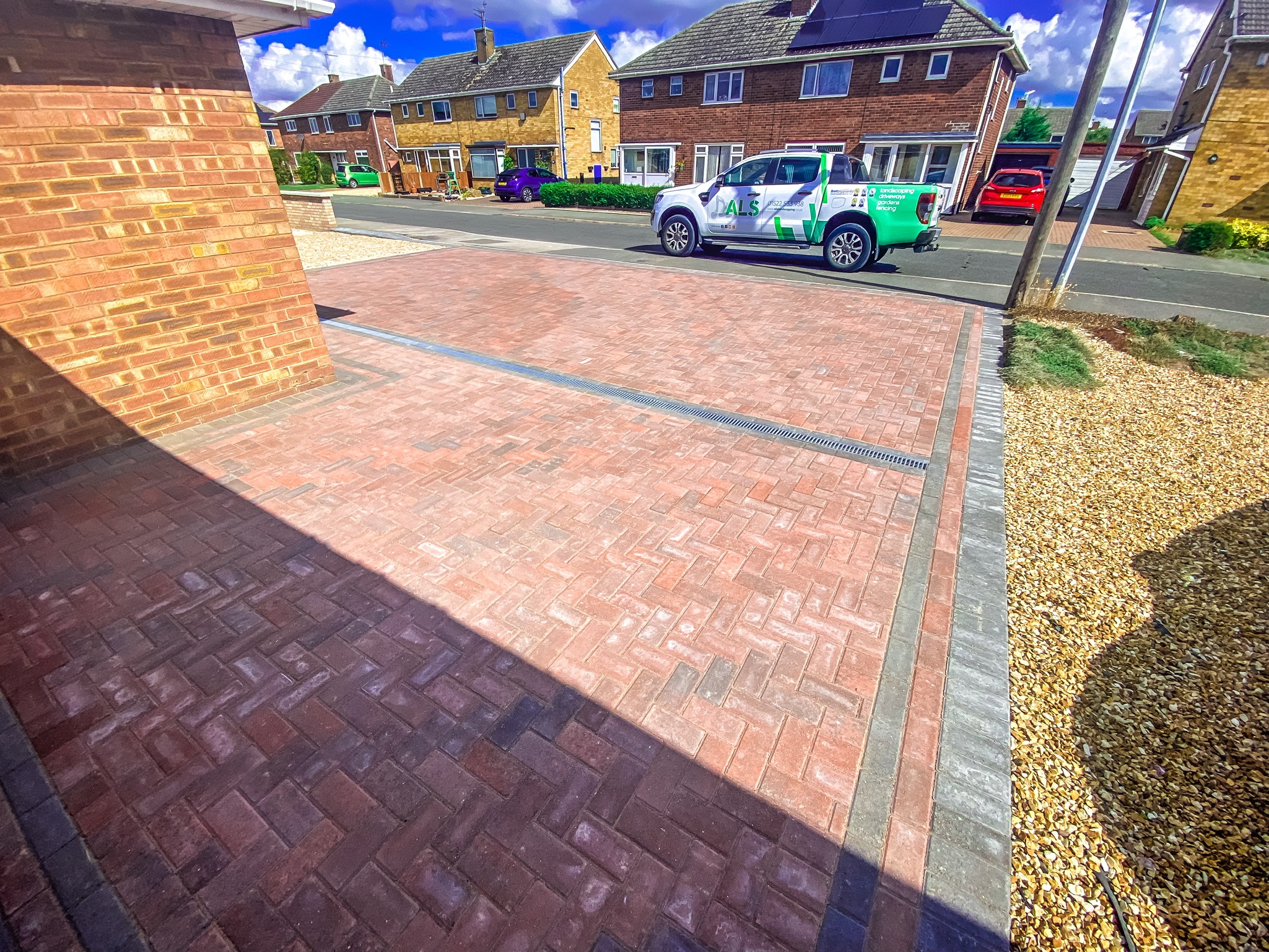
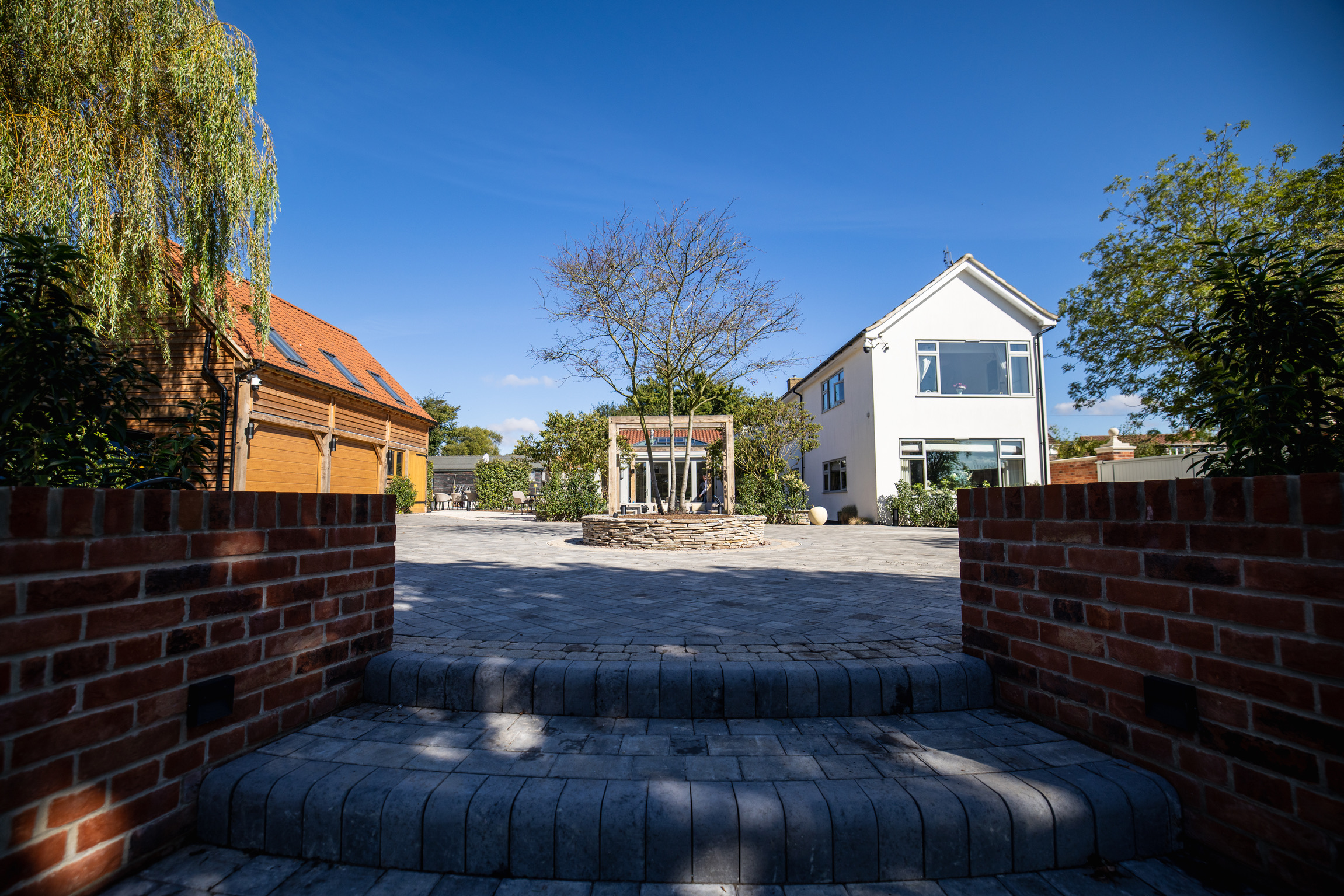
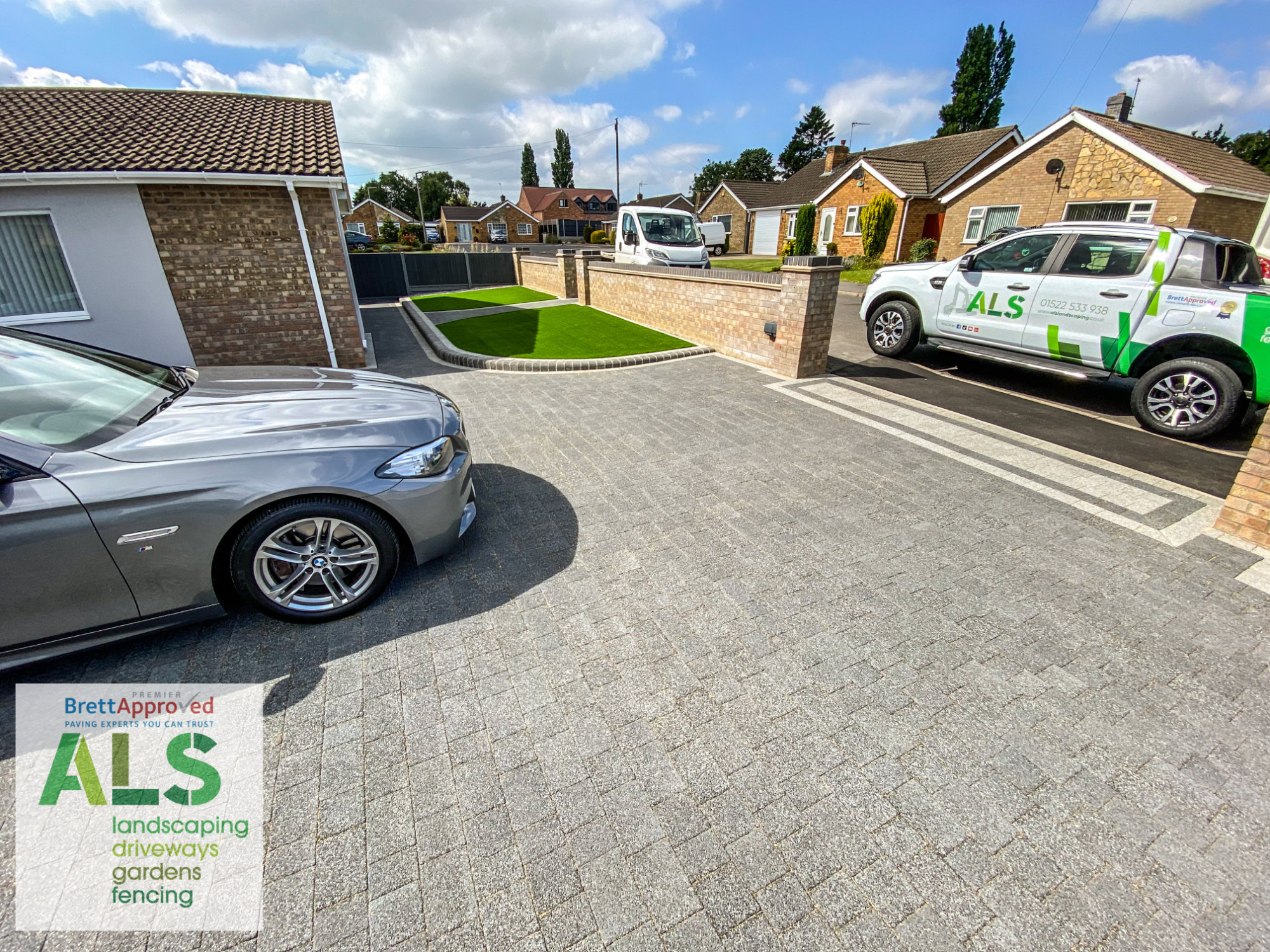
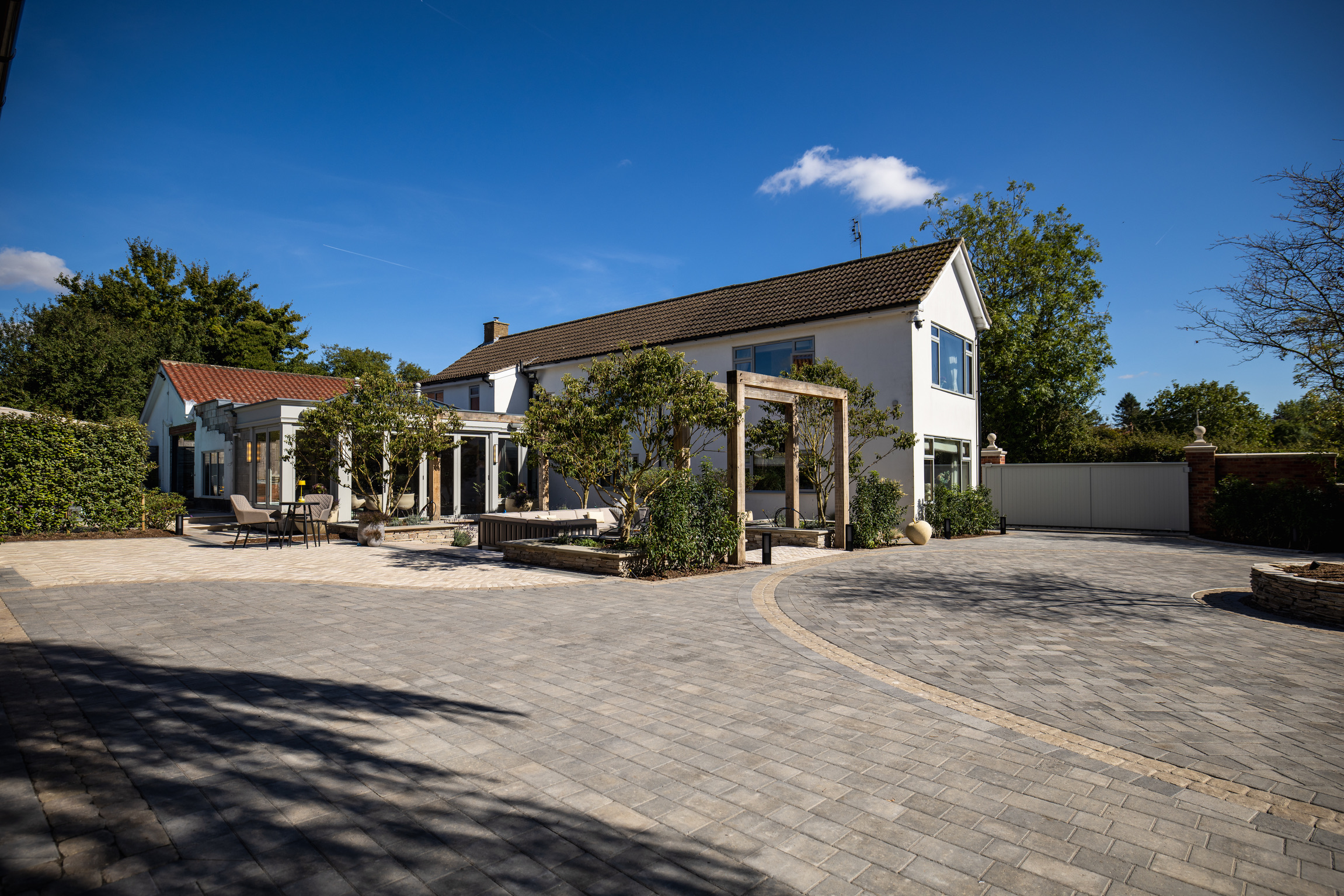
How Summer Changes the Way You Use Your Driveway

How summer changes the way you use your driveway isn’t something most people think about until the warmer weather arrives. Throughout the winter, your driveway is often little more than somewhere to park before heading indoors. However, once the days become longer and the temperatures rise, it quickly becomes one of the busiest parts of your property.

From family gatherings and weekend barbecues to packing for holidays and welcoming visitors, your driveway suddenly has to work much harder. At the same time, the way you move around your home changes too. You may find yourself using the front of your property more often, noticing little frustrations that weren’t obvious during the colder months.

Summer offers the perfect opportunity to take a fresh look at how your driveway supports your lifestyle and whether there are simple improvements that could make everyday life easier.

At a Glance

If you don’t have time to read the full blog, here’s what you need to know:

  • Summer often changes how you use your driveway, from hosting visitors to packing for holidays.
  • Increased use can highlight issues with parking, layout and accessibility that go unnoticed during the rest of the year.
  • Small improvements, such as tidying borders, improving parking layouts or refreshing planting, can make a noticeable difference.
  • Summer is one of the best times to assess whether your driveway still meets your family’s changing needs.
  • Planning improvements now means you’ll be ready before the wetter autumn and winter months arrive.

Why Does Your Driveway Feel Busier in Summer?

For many households, summer naturally means spending more time outdoors. Friends and family visit more often, children are home from school and outdoor spaces become an extension of the home.

As a result, your driveway may be used for:

  • welcoming visitors
  • unloading suitcases before and after holidays
  • parking additional vehicles
  • storing bicycles and outdoor equipment
  • receiving more deliveries
  • accessing gardens more frequently

These changes often highlight how well, or how poorly, your driveway functions on a daily basis.

Is Your Driveway Making Everyday Life Easier?

Summer has a way of exposing practical issues that are easy to overlook during the rest of the year.

Perhaps visitors struggle to park safely. Maybe you’re constantly moving vehicles so someone can get out. Or perhaps there’s simply not enough room for bikes, bins and everyday family life.

These aren’t necessarily signs that your driveway has reached the end of its life. However, they may suggest that its layout no longer reflects the way you use your home.

If you’ve started noticing these frustrations, our blog Is Your Driveway Still Fit for Purpose? Signs Your Family Has Outgrown It explores some of the common signs that your driveway may no longer meet your household’s needs.

Could Your Driveway Create a Better First Impression?

Summer is also when your home’s exterior receives the most attention.

Neighbours spend more time outdoors, visitors arrive more frequently and many homeowners tackle improvement projects while the weather is favourable.

A clean, well-designed driveway creates an immediate impression before anyone even reaches the front door.

Simple improvements might include:

  • refreshing driveway edging
  • removing weeds and moss
  • tidying borders
  • cleaning the surface
  • replacing tired planting

Small changes can often make a significant difference to your property’s overall appearance.

If you’re thinking about enhancing the space around your driveway as well as the driveway itself, our colleagues at ALS Landscaping have published ideas on creating attractive front gardens that complement your home’s entrance.

Are You Making the Most of the Space You Have?

One of the biggest misconceptions about driveways is that solving parking problems always requires more space.

In reality, many issues are caused by layout rather than size.

For example:

  • Could vehicles be parked more efficiently?
  • Would a different shape improve access?
  • Is there unused space that could work harder?
  • Could better borders improve manoeuvring?

Sometimes a thoughtful redesign delivers a much more practical driveway without increasing its overall footprint.

How Do Holidays Affect the Way You Use Your Driveway?

Summer holidays often place additional demands on your driveway.

Cars may be loaded with luggage, roof boxes or bicycles before setting off, while neighbours or family members may temporarily use your parking space to help keep an eye on your property.

When you return home, the process starts all over again.

If these moments feel stressful rather than straightforward, it may be worth asking whether your current driveway is supporting your lifestyle as effectively as it could.

Is This a Good Time to Plan Improvements?

Although many of our customers waited until autumn or winter to think about replacing a driveway, summer is often the ideal time to start planning.

The longer days make it easier to assess how your driveway performs, while increased outdoor use helps identify any shortcomings.

You may discover that you’d benefit from:

  • a more practical layout
  • additional parking space
  • improved access
  • better drainage
  • a surface that’s easier to maintain

Planning ahead also gives you more time to consider different materials and designs before making a decision.

If you’re weighing up the options, our blog Choosing the Best Driveway Materials for Lincoln’s Climate explains the advantages of the most popular driveway surfaces and what makes each one suitable for different homes.

Looking Beyond This Summer

The best driveway isn’t simply one that looks good today. It should continue to support your household as your needs change.

Perhaps your children will soon be learning to drive. Maybe you’re considering an electric vehicle or planning improvements to your front garden. Whatever the future holds, it’s worth thinking about whether your driveway will continue to work for you in the years ahead.

Making thoughtful improvements now can help avoid more significant changes later.

Conclusion

Summer changes the way you use your driveway in ways that often go unnoticed until your home becomes busier. More visitors, more time outdoors and more everyday activity all place greater demands on one of the hardest-working parts of your property.

Rather than seeing your driveway simply as somewhere to park, think about how well it supports the way you live. If it makes everyday life easier, improves your home’s appearance and adapts to your family’s changing needs, it’s doing exactly what it should.

If not, this summer could be the perfect time to start planning for the future.

Thinking About Improving Your Driveway?

If this summer has highlighted that your driveway no longer works as well as it could, now is a great time to start planning ahead. Whether you’re looking for additional parking, a more practical layout or a complete transformation, taking the time to explore your options now can help you make an informed decision.

The team at ALS Driveways is always happy to offer advice and discuss the best solution for your property. Get in touch to arrange a free, no-obligation quotation.


FAQs

Why does my driveway seem busier during the summer?

Warmer weather means more visitors, family activities, holidays and time spent outdoors, all of which increase how often your driveway is used.

Can changing my driveway layout improve parking?

Yes. In many cases, improving the layout can make parking easier without needing to increase the overall size of your driveway.

Is summer a good time to plan a new driveway?

Yes. Summer gives you the opportunity to see how your driveway performs during one of the busiest times of the year, making it easier to identify improvements that would benefit your home.

Is Your Driveway Still Fit for Purpose? Signs Your Family Has Outgrown It

Is your driveway still fit for purpose? It’s a question many homeowners don’t think to ask until everyday parking becomes a frustration.

When you first moved into your property, your driveway may have been perfectly adequate. However, families grow, lifestyles change and vehicle ownership often increases over time. What once felt spacious can suddenly become cramped, inconvenient and impractical.

While most people associate a new driveway with improving kerb appeal, there are times when functionality becomes the more important consideration. If you’re constantly juggling vehicles, struggling to park or finding your driveway no longer meets your household’s needs, it may be time to consider whether your current layout is still working for you.

What Does “Fit for Purpose” Actually Mean?

A driveway isn’t just somewhere to leave a car. It should work efficiently for your household, provide safe access to your property and support your day-to-day lifestyle.

A driveway that was suitable ten years ago may not be suitable today if:

  • your household now owns more vehicles
  • children have reached driving age
  • you’re working from home more often
  • you regularly have visitors
  • you’ve purchased larger vehicles

As lifestyles change, the way you use your driveway changes too.

Are You Constantly Moving Vehicles Around?

One of the clearest signs your driveway may no longer be fit for purpose is the daily vehicle shuffle.

If one vehicle regularly blocks another, you may find yourself moving cars several times a day just to get in and out.

This can become particularly frustrating when:

  • family members leave at different times
  • someone works shifts
  • visitors arrive unexpectedly
  • deliveries need access

What starts as a minor inconvenience can quickly become an ongoing source of frustration.

Has Your Household Grown Since You Moved In?

Many driveways were designed when households typically owned one or two vehicles. Today, it’s increasingly common for homes to have three or more.

For example:

  • parents may each have a vehicle
  • older children may own their own cars
  • company vehicles may need parking
  • recreational vehicles may require additional space

As a result, parking arrangements that once worked perfectly can become overcrowded.

If you’re considering how a driveway upgrade could improve your property’s functionality, our blog Will A Driveway Add Value To My Property? explains why practical parking space remains highly desirable for homeowners and buyers alike.

Is Parking Affecting Your Kerb Appeal?

A driveway that no longer meets your needs can affect more than convenience.

Cars parked partly on lawns, overflowing onto pathways or squeezed into unsuitable spaces can reduce the overall appearance of your property.

Even a well-maintained driveway can look cluttered if it simply isn’t large enough for the number of vehicles using it.

That’s one reason why many homeowners choose to redesign rather than simply repair an ageing driveway.

Our blog Top 5 Driveway Designs for 2024: Enhancing UK Homes with Style and Function explores how modern driveway layouts can improve both appearance and practicality.

Are Larger Vehicles Creating Problems?

Vehicle sizes have increased significantly over the years.

Many modern SUVs, vans and family vehicles take up considerably more space than older models. Consequently, a driveway that comfortably accommodated two cars a decade ago may feel noticeably tighter today.

Common issues include:

  • reduced manoeuvring space
  • blocked pathways
  • difficulty opening doors fully
  • restricted garage access

If parking feels more difficult than it used to, the problem may not be your driving. It could simply be that your driveway wasn’t designed for modern vehicle sizes.

Have You Started Working From Home?

The rise in remote and hybrid working has changed how many households use their driveways.

Cars that once left the property every weekday may now remain parked for much longer periods. In addition, tradespeople, deliveries and visitors may require more frequent access.

According to the Office for National Statistics, hybrid working remains a significant part of working life for many people across the UK.

As a result, parking arrangements that worked before 2020 may no longer be ideal today.

Could Your Driveway Support Future Needs?

A driveway shouldn’t just meet your current needs. Ideally, it should also support future changes.

Questions worth considering include:

  • Will your children soon need parking spaces?
  • Are you planning to buy another vehicle?
  • Could you require electric vehicle charging in future?
  • Are you likely to remain in the property long term?

Thinking ahead can help ensure any future driveway investment continues to provide value for years to come.

Is Safety Becoming an Issue?

An overcrowded driveway can sometimes create safety concerns.

For example:

  • reduced visibility when reversing
  • pedestrians sharing limited space with vehicles
  • blocked access routes
  • increased trip hazards

The Royal Society for the Prevention of Accidents (RoSPA) highlights the importance of maintaining safe visibility and access around residential driveways.

If parking arrangements feel awkward or unsafe, it may be worth reviewing whether the layout is still serving your household effectively.

How Do You Know When It’s Time for an Upgrade?

There isn’t a fixed point at which every homeowner should upgrade their driveway.

However, if you regularly experience:

  • parking frustration
  • limited space
  • poor vehicle access
  • safety concerns
  • difficulty accommodating visitors

then it may be worth exploring your options.

Sometimes a redesigned layout can create significantly more usable space without requiring a much larger area.

Our blog Paving the Way: Your No-Nonsense Guide to Driveway Decisions explains some of the key considerations homeowners should think about before making improvements.

Conclusion

Is your driveway still fit for purpose? If your family, vehicles or lifestyle have changed significantly since your driveway was installed, the answer may be no.

While appearance remains important, practicality often becomes the deciding factor. A driveway that works well for your household can improve convenience, safety and day-to-day living while also enhancing the overall appeal of your property.

If you’re finding that your driveway no longer meets your needs, now could be the perfect time to explore ways of making it work harder for your family.

How to Keep Your Driveway Looking Its Best in Summer Heat

Keep your driveway looking its best in summer heat and you’ll help protect both its appearance and long-term performance. While winter often gets the blame for driveway damage, warmer weather can create its own set of challenges.

During summer, driveways are exposed to higher temperatures, stronger UV rays and increased use from family gatherings, visitors and outdoor activities. Over time, this can affect both the appearance and condition of the surface.

Fortunately, a few simple maintenance steps can make a significant difference. By staying on top of seasonal care, homeowners can keep their driveway looking clean, attractive and well-maintained throughout the warmer months.

Why Is Summer Heat Hard on Driveways?

Many homeowners assume summer is the easiest season for driveway maintenance. However, prolonged heat and sunshine can gradually affect certain materials.

Strong UV exposure may contribute to fading over time, particularly on darker surfaces. In addition, hot weather can make dust, tyre marks and general surface wear more noticeable.

According to the Met Office summer weather overview, the UK has experienced increasingly warm summers in recent years, with heatwaves becoming more common.

This means summer driveway maintenance is becoming more important than ever.

How Can You Keep Your Driveway Looking Its Best in Summer Heat?

One of the simplest ways to keep your driveway looking its best in summer heat is through regular cleaning.

Over time, driveways can collect:

  • dust and dirt
  • tyre marks
  • food and drink spills
  • leaves and garden debris
  • pollen and airborne particles

Sweeping regularly prevents debris from building up and helps maintain the appearance of the surface.

If you’re unsure which surface is best suited to long-term durability, our blog Which Driveways Last The Longest? explores how different driveway materials perform over time.

Should You Be Concerned About Weeds During Summer?

Summer provides ideal growing conditions for weeds, especially in block paving joints, driveway edges and small surface gaps.

If left untreated, weeds can quickly affect the appearance of a driveway and may contribute to minor surface movement over time.

To reduce weed growth:

  • remove weeds early
  • keep edges tidy
  • sweep regularly
  • replace jointing sand where necessary

Maintaining clean joints and edges helps keep the entire driveway looking more polished throughout summer.

Can Summer Heat Cause Surface Fading?

Depending on the material, prolonged exposure to sunlight can gradually affect colour and appearance.

This doesn’t necessarily mean the driveway is damaged, but homeowners may notice certain areas appearing lighter or more weathered over time.

Modern driveway materials are generally designed to withstand UK weather conditions. However, quality installation and material choice still play a major role in long-term appearance.

Our blog Which Type Of Driveway Is The Best? explains how different driveway surfaces compare in terms of durability, maintenance and appearance.

Why Is Summer the Perfect Time to Check for Small Issues?

Summer provides excellent conditions for inspecting your driveway.

Dry weather makes it easier to spot:

  • small cracks
  • loose edging
  • uneven areas
  • drainage concerns
  • worn sections

Identifying minor issues early often helps prevent larger repairs later in the year.

In addition, any maintenance work can usually be completed more easily during periods of settled weather.

Does Summer Rain Still Affect Driveways?

Although summer is generally drier than winter, sudden heavy downpours and thunderstorms can still create problems.

Blocked drainage channels or poorly draining surfaces often become more noticeable when intense rainfall follows long dry spells.

The Environment Agency flood risk service highlights the importance of understanding how water behaves around your property.

Good drainage remains essential throughout the year, regardless of the season.

How Can You Improve Kerb Appeal During Summer?

Summer is one of the best times to improve the appearance of your driveway because outdoor spaces naturally become more visible.

Simple improvements can include:

  • cleaning the driveway surface
  • tidying borders
  • removing weeds
  • refreshing planting around the driveway
  • checking lighting features

Even relatively small changes can have a noticeable impact on the overall appearance of your property.

Our blog Eco-Friendly Driveway Choices explores design ideas that can help you create a more attractive entrance to your property and have a positive impact on the environment.

When Should You Consider Professional Advice?

While routine maintenance can address many common issues, some signs may suggest it’s time for professional advice.

These include:

  • recurring cracks
  • persistent drainage problems
  • noticeable sinking
  • surface deterioration
  • significant colour loss

Addressing these issues early may help prevent more extensive work later.

If you’re considering upgrading your driveway, our blog Paving the Way: Your No-Nonsense Guide to Driveway Decisions explains some of the key factors homeowners should consider before making a decision.

Conclusion

Keep your driveway looking its best in summer heat and you’ll help protect its appearance, functionality and lifespan.

While warmer weather may seem less damaging than winter conditions, heat, weeds, UV exposure and increased usage can all affect driveway surfaces over time.

By cleaning regularly, monitoring for small issues and staying on top of seasonal maintenance, homeowners can keep their driveway looking attractive throughout summer and beyond.

If you’d like advice on driveway maintenance, repairs or upgrades, the team at ALS Driveways Lincoln are always happy to help.

Eco-Friendly Driveway Choices

Eco-friendly driveway choices are becoming increasingly popular with homeowners who want to improve their property while also considering sustainability and long-term environmental impact. Modern driveways are no longer judged purely on appearance or durability. Increasingly, homeowners are thinking about drainage, material lifespan and how their driveway affects the environment around their home.

As weather patterns across the UK continue to change, sustainable driveway solutions are becoming more important than ever. Heavy rainfall, surface water management and environmentally conscious home improvements are now key considerations for many households.

Fortunately, modern driveway materials and installation methods offer a wide range of eco-friendly options that combine practicality, appearance and sustainability.

Why Are Eco-Friendly Driveway Choices Becoming More Popular?

Eco-friendly driveway choices are becoming more common because homeowners are more aware of how outdoor surfaces affect drainage and the local environment.

Traditional impermeable driveways can contribute to surface water runoff, especially during periods of heavy rain. When rainwater cannot drain naturally into the ground, it increases pressure on local drainage systems.

The Planning Portal guidance on paving front gardens explains that permeable surfaces are encouraged because they help manage rainwater more effectively and reduce the risk of flooding.

At the same time, homeowners are increasingly looking for materials that last longer, require less maintenance and support more sustainable property improvements.

What Are the Best Eco-Friendly Driveway Choices?

Several modern driveway materials are considered more environmentally friendly than traditional impermeable surfaces.

Popular eco-friendly driveway choices include:

  • resin-bound driveways
  • permeable block paving
  • gravel driveways
  • porous asphalt systems

These surfaces allow rainwater to pass through naturally, helping to reduce standing water and surface runoff.

Resin-bound driveways have become particularly popular because they combine permeability with a clean, modern appearance.

If you’re comparing options, our blog Choosing the Right Driveway for Your Home This Spring explains how different driveway materials perform in terms of durability, drainage and appearance. 

How Do Eco-Friendly Driveway Choices Improve Drainage?

Drainage is one of the biggest environmental benefits of modern driveway systems.

Permeable surfaces allow water to soak naturally into the ground rather than flowing directly into public drainage systems. This helps reduce pressure during periods of heavy rainfall.

The UK Government sustainable drainage guidance highlights the importance of surface water management in modern property design.

Good drainage can also help prevent:

  • standing water
  • moss and algae growth
  • erosion around driveway edges
  • long-term surface wear

Our blog How Spring Rain Can Affect Your Driveway (And What to Watch For) explains why effective drainage is essential for long-term driveway performance.

Are Recycled Materials Used in Eco-Friendly Driveway Choices?

Some eco-friendly driveway choices now incorporate recycled or reclaimed materials during installation.

For example:

  • recycled aggregates may be used within the sub-base
  • reclaimed edging materials can reduce waste
  • some permeable systems include recycled stone components

The Waste and Resources Action Programme (WRAP) encourages greater use of recycled construction materials to improve sustainability within the building industry.

Although not every installation uses recycled products, interest in sustainable construction methods continues to grow.

Can Eco-Friendly Driveway Choices Still Look Stylish?

Eco-friendly driveway choices are no longer limited to purely practical designs.

Modern permeable driveways are available in a wide range of colours, textures and finishes, allowing homeowners to combine sustainability with visual appeal.

Popular design features include:

  • contrasting borders
  • decorative edging
  • curved layouts
  • integrated landscaping
  • contemporary colour finishes

Our blog Top 5 Driveway Designs for 2024: Enhancing UK Homes with Style and Function explores how modern driveway design can improve both appearance and practicality. 

Do Eco-Friendly Driveway Choices Require More Maintenance?

Many homeowners assume sustainable driveways require more maintenance, but this is not necessarily true.

In fact, many eco-friendly driveway choices are designed to be low maintenance while still providing excellent drainage performance.

Routine maintenance typically includes:

  • sweeping away debris
  • occasional surface cleaning
  • checking drainage areas remain clear
  • removing weeds if necessary

If properly installed, permeable driveways can remain attractive and effective for many years with relatively straightforward maintenance.

Why Are Eco-Friendly Driveway Choices a Good Long-Term Investment?

Eco-friendly driveway choices can provide several long-term benefits beyond environmental improvements.

These may include:

  • reduced drainage problems
  • lower maintenance requirements
  • improved kerb appeal
  • better compliance with modern drainage guidance
  • increased property attractiveness to buyers

As sustainability becomes more important to homeowners, environmentally conscious driveway installations are likely to become even more desirable in the future.

If you’re considering whether upgrading your driveway is worthwhile, our blog Will A Driveway Add Value To My Property? explains how driveway improvements can deliver long-term value. 

Conclusion

Eco-friendly driveway choices are becoming an increasingly important consideration for modern homeowners. Sustainable materials, improved drainage and environmentally conscious installation methods can all help reduce the impact a driveway has on the surrounding environment.

At the same time, modern eco-friendly driveway solutions continue to offer excellent durability, appearance and practicality.

By choosing the right materials and ensuring proper installation, homeowners can create a driveway that not only looks impressive but also performs responsibly for years to come.

If you are exploring sustainable driveway options, the team at ALS Driveways Lincoln are always happy to help.

FAQs

What are the most eco-friendly driveway choices?

Permeable surfaces such as resin-bound driveways, gravel and permeable block paving are among the most eco-friendly driveway options.

Why are permeable driveways better for the environment?

They allow rainwater to drain naturally into the ground, reducing surface water runoff and helping manage flooding risk.

Do eco-friendly driveways last as long as traditional driveways?

Yes. When professionally installed and properly maintained, eco-friendly driveways can provide excellent long-term durability.

How Spring Rain Can Impact Your Driveway

How Spring Rain Can Impact Your Driveway (And What to Watch For)

Spring rain driveway impact is something many homeowners don’t think about until problems start to appear. After a long winter, March often brings increased rainfall across the UK, and this change in weather can reveal how well your driveway is coping.

While a well-installed driveway is designed to handle water, persistent rain can highlight weaknesses such as poor drainage, surface wear or underlying structural issues.

Understanding how spring rain affects your driveway allows you to spot early warning signs and take action before small issues develop into larger problems.

How Does Spring Rain Driveway Impact Become Visible?

Spring rain driveway impact often becomes noticeable once heavier and more consistent rainfall arrives. During winter, frozen ground and lower rainfall levels can mask drainage issues. However, as temperatures rise and rainfall increases, these issues become easier to spot.

According to the Met Office overview of UK spring weather, March and April often bring a mix of rain and milder temperatures, which can place additional pressure on outdoor surfaces.

As a result, driveways may begin to show:

  • standing water after rainfall
  • darker patches where moisture lingers
  • areas that take longer to dry
  • minor surface movement

Can Spring Rain Cause Drainage Problems?

One of the most common effects of spring rain driveway impact is poor drainage.

If water is not able to drain away properly, it may begin to collect on the surface. Over time, this can affect both the appearance and condition of the driveway.

The UK Government guidance on sustainable drainage systems (SuDS) explains that managing surface water is essential to reduce flood risk and prevent long-term damage to outdoor surfaces.

When checking your driveway, look for:

  • puddles that remain after rain
  • water flowing towards your property
  • blocked drainage channels
  • overflow from nearby areas

If drainage issues are persistent, our blog Why Permeable Paving is the Future of Driveway Design explains how modern surfaces help manage rainfall effectively.

How Does Spring Rain Impact Driveway Surfaces?

Spring rain driveway impact is not limited to drainage. It can also affect the surface itself.

When water repeatedly sits on a driveway, it can gradually weaken certain materials. This is especially true if small cracks or gaps are already present.

Over time, homeowners may notice:

  • cracks becoming more visible
  • jointing sand washing away in block paving
  • gravel shifting or spreading unevenly
  • slight dips forming in high-use areas

These changes often develop gradually, which is why early detection is important.

If you notice these issues, our guide Driveway Repair vs Replacement: How to Make the Right Decision can help you assess the next steps.

Why Water Is the Biggest Long-Term Risk to Driveways

Water is one of the main causes of driveway deterioration over time.

When moisture repeatedly enters the surface and underlying layers, it can gradually weaken the structure. This is particularly relevant in the UK, where rainfall is frequent throughout the year.

The British Geological Survey highlights that soil types and ground conditions across the UK can influence how water behaves beneath surfaces, which can affect stability.

This is why proper installation, including a solid sub-base and effective drainage, is essential for long-term durability.

What Homeowners Should Do To Avoid Spring Rain Impact

Fortunately, there are simple steps homeowners can take to reduce the impact of spring rain.

During wetter periods, it is worth:

  • checking drainage channels regularly
  • clearing debris from the driveway surface
  • monitoring areas where water collects
  • avoiding parking on consistently saturated areas if possible

These small actions can help prevent moisture from causing further damage.

When to Consider Improvements

Spring rain driveway impact can sometimes highlight issues that have developed over time.

If problems such as poor drainage, uneven surfaces or repeated water pooling continue, it may be worth considering improvements.

For example, you might explore:

  • upgrading to permeable paving
  • improving drainage systems
  • resurfacing worn areas
  • redesigning the layout for better water flow

If you’re thinking about making changes, get in touch with us today.


Conclusion

Spring rain driveway impact is something every homeowner should be aware of as the seasons change. Increased rainfall can reveal drainage issues, highlight surface wear and expose areas that may need attention.

By checking your driveway regularly and responding to early warning signs, you can prevent minor issues from becoming more serious problems.

Taking action during March helps ensure your driveway remains safe, functional and ready for the months ahead.

If you would like advice on improving drainage or upgrading your driveway, the team at ALS Driveways Lincoln are always happy to help.


FAQs

Can heavy rain damage a driveway?

Yes. Persistent rain can highlight drainage issues and gradually weaken certain driveway surfaces.

Why does water pool on my driveway?

Water pooling is usually caused by poor drainage, uneven surfaces or blocked channels.

What is the best way to improve driveway drainage?

Options include clearing drainage channels, installing proper drainage systems or using permeable paving.

Common Driveway Myths Homeowners Still Believe

Common driveway myths homeowners still believe are surprisingly widespread. Many people rely on advice they have heard from neighbours, read online, or picked up from outdated sources. Unfortunately, some of this information can be misleading.

Driveways are exposed to weather, vehicle weight and daily use throughout the year. Because of this, choosing the right materials and understanding how to maintain them properly can make a significant difference to how long a driveway lasts.

However, when common driveway myths influence decisions about installation or maintenance, homeowners may unintentionally shorten the life of their driveway or spend money on unnecessary repairs.

Below, we explore some of the most common driveway myths homeowners still believe and explain the reality behind them.

Are All Driveways the Same? One of the Most Common Driveway Myths

One of the most common driveway myths is the belief that all driveway surfaces perform in roughly the same way. In reality, different driveway materials behave very differently depending on factors such as drainage, installation quality and local weather conditions.

For example, block paving allows individual blocks to be replaced if damage occurs, while resin-bound surfaces allow water to drain through the surface. Tarmac driveways provide a smooth, durable surface but rely heavily on proper installation of the base underneath.

Choosing the right material is therefore more important than many homeowners realise. Guidance from GOV.UK on paving front gardens explains that permeable surfaces are increasingly recommended to help manage rainwater and reduce local flooding.

If you are considering a new driveway, our blog Choosing the Best Driveway Material for Lincoln’s Climate explains how different materials perform in local conditions.

Do Driveways Really Need No Maintenance?

Another example of homeowner common driveway myths is the idea that once a driveway is installed, it requires no maintenance.

Although driveways are designed to be durable, they still benefit from occasional care. Leaves, dirt and debris can gradually accumulate on the surface, particularly during autumn and winter.

If this material remains on the driveway, it can trap moisture and encourage moss growth. Over time, this may affect both the appearance and performance of the surface.

The National House Building Council (NHBC) notes that regular maintenance of external surfaces helps maintain the condition of residential properties and surrounding structures.

Simple tasks such as sweeping debris, clearing drainage areas and removing moss can help keep a driveway in good condition.

Are Small Cracks Nothing to Worry About?

Many homeowners assume small cracks are purely cosmetic. This is another of the common driveway myths that can sometimes lead to bigger issues later.

Cracks allow water to enter the surface of a driveway. During colder weather, this moisture may freeze and expand, gradually widening the crack.

According to the Met Office, freeze–thaw cycles are common during UK winters, particularly when temperatures fluctuate around freezing.

If you notice small cracks appearing, our guide Driveway Repair vs Replacement: How to Make the Right Decision explains when minor repairs are enough and when it may be worth considering a more substantial solution.

Do New Driveways Last Forever?

Another widespread homeowner belief when discussing common driveway myths is that once a driveway has been installed, it should last indefinitely.

In reality, all external surfaces experience wear over time. Weather conditions, vehicle weight and environmental factors all gradually affect the surface.

The British Geological Survey highlights that ground movement and soil conditions can also influence how surfaces behave over time, particularly in areas with clay soils.

With proper installation and sensible maintenance, many driveways can last for decades. However, understanding that wear is natural helps homeowners plan improvements when necessary.

Does Driveway Drainage Really Matter?

Drainage is often overlooked when discussing driveways, yet it plays an essential role in protecting both the surface and the surrounding property.

Poor drainage can cause water to collect on the driveway surface. Over time, standing water may weaken certain materials or encourage moss growth.

The Environment Agency advises homeowners to manage surface water effectively to reduce flooding risks and protect property structures.

Modern driveway designs frequently incorporate drainage channels or permeable materials that allow water to drain away naturally. Our blog Why Permeable Paving is the Future of Driveway Design explores how permeable driveway surfaces help manage rainfall more effectively.

Can DIY Driveway Repairs Always Save Money?

Many homeowners enjoy tackling DIY projects, but another of the common driveway myths is that DIY driveway repairs always save money.

Driveways rely on more than just the visible surface. The sub-base beneath the driveway plays a critical role in supporting vehicle weight and maintaining stability.

If the base beneath the surface has shifted or deteriorated, repairing the surface alone may only provide a temporary solution.

Professional driveway installers understand how the sub-base, drainage and surface materials work together. In many cases, professional advice can prevent repeated repairs and provide a longer-lasting result.

Conclusion

Common driveway myths can lead homeowners to make decisions based on outdated or inaccurate information. Understanding the facts behind these myths can help ensure better long-term results.

Different materials behave in different ways, driveways benefit from occasional maintenance, and proper drainage is essential for long-term performance.

By separating fact from fiction, homeowners can make more informed decisions about caring for their driveway.

If you are considering a new driveway or would like advice about maintaining your existing one, the team at ALS Driveways Lincoln are always happy to help.

FAQs

What are the most common driveway myths?

Some of the most common driveway myths include the belief that all driveway materials perform the same, that driveways require no maintenance, and that small cracks can safely be ignored.

Do driveways require regular maintenance?

Yes. Sweeping debris, removing moss and checking drainage areas can help extend the life of a driveway.

How long should a driveway last?

The lifespan depends on the material, installation quality and maintenance, but many well-installed driveways last several decades.

Hidden Winter Driveway Problems Homeowners Often Miss

By the beginning of February, winter has usually settled into a steady pattern. Frosty mornings, damp afternoons and the occasional icy patch have become part of everyday life. Most homeowners keep an eye out for obvious issues such as ice or standing water, but there are other Winter driveway problems that homeowners often miss.

Hidden winter driveway problems often start small. Minor surface wear, drainage changes or slight movement beneath the surface can gradually appear after weeks of cold weather. Because these issues develop slowly, they can easily go unnoticed until spring arrives.

Fortunately, February is an excellent time to look a little closer. Spotting hidden winter driveway problems early allows homeowners to deal with them before they become more expensive repairs later in the year.

Why Hidden Winter Driveway Problems Develop During Cold Weather

Winter places unique stresses on driveway surfaces. Moisture, frost and debris all work together to weaken materials over time.

When water seeps into small gaps in the surface, freezing temperatures cause it to expand. As the ice melts, those gaps become slightly larger. Over several weeks, this process can gradually affect the stability of the driveway.

According to the Met Office, the UK regularly experiences freeze-thaw cycles during winter months. These cycles are one of the most common causes of gradual surface deterioration.

Because the process is slow, the early warning signs are often subtle.

Subtle Cracks That Are Easy to Miss

Many homeowners expect driveway cracks to appear suddenly. In reality, they often develop gradually and may initially look harmless.

For example, you might notice:

  • Thin lines appearing across the surface
  • Small cracks forming near driveway edges
  • Gaps between paving blocks becoming slightly wider

These small changes may not seem serious. However, they allow more moisture to enter the surface, which can accelerate damage during further cold spells.

If cracks appear to be widening, it may be helpful to review our guide on How to Deal with Potholes and Cracks: Quick Fixes for Your Driveway, which explains what to look for and when repairs might be needed.

Drainage Changes That Appear Over Time

Another hidden winter driveway problem involves drainage.

During autumn and winter, debris such as leaves, moss and grit can gradually block drainage channels. As a result, water may begin draining more slowly without homeowners immediately noticing.

Early signs of drainage problems include:

  • Puddles forming more frequently
  • Water collecting along driveway edges
  • Surfaces remaining damp long after rainfall

The Environment Agency recommends keeping drainage routes clear during wetter months to prevent surface water issues.

Checking these areas regularly in February helps prevent problems becoming worse as spring rainfall increases.

Slight Surface Movement Beneath Vehicles

Vehicle weight can sometimes reveal hidden winter driveway problems.

Over time, repeated parking in the same spot can create small depressions or uneven areas. These changes may be difficult to see at first but become more noticeable when the surface is wet.

For example, homeowners may begin to notice:

  • Tyre tracks that remain visible after rain
  • Slight dips forming where cars are parked
  • Gravel shifting away from parking areas

While these changes are usually minor, they can indicate that the surface beneath the driveway has shifted slightly due to moisture or frost.

Moss and Algae Growth in Damp Areas

Moss and algae often appear during winter because surfaces remain damp for longer periods.

Although moss is common, it can sometimes highlight areas where water is not draining effectively.

The Royal Horticultural Society advises removing moss before it spreads widely, as it can make surfaces slippery and trap additional moisture.

Regular sweeping and occasional cleaning during milder days can help control growth.

What Homeowners Can Do in Early February

Fortunately, dealing with hidden winter driveway problems does not require complicated maintenance.

Simple actions can make a big difference.

For example:

  • Sweep debris from the driveway regularly
  • Check drainage channels after heavy rain
  • Monitor cracks or uneven areas
  • Remove moss and algae where possible
  • Avoid harsh cleaning methods during freezing weather

These small steps help protect driveway surfaces until conditions improve later in the year.

When to Start Thinking About Repairs

Although February is still firmly part of winter, it can be a useful time to begin thinking about repairs or improvements.

If hidden winter driveway problems continue to appear, planning ahead allows homeowners to:

  • explore repair options
  • research driveway materials
  • compare installation quotes
  • schedule work before the busy spring season

Our blog Understanding the Costs of Driveway Installation and How to Budget explains how homeowners can begin planning driveway improvements without pressure.

Conclusion

Winter weather can gradually affect driveway surfaces in ways that are not always immediately obvious. Hidden winter driveway problems such as small cracks, drainage changes and surface movement often develop quietly over several weeks.

However, checking your driveway carefully at the beginning of February can reveal these early warning signs before they turn into larger repairs.

Regular maintenance and simple inspections help keep your driveway safe, tidy and ready for the changing seasons ahead.

If winter has highlighted issues with your driveway, the team at ALS Driveways Lincoln are always happy to offer practical advice and guidance.

FAQs

What are hidden winter driveway problems?
Hidden winter driveway problems include small cracks, drainage issues and surface movement that develop gradually during cold weather.

Why do driveway problems appear in winter?
Freeze-thaw cycles allow moisture to expand inside small gaps, which gradually weakens driveway surfaces.

Should homeowners inspect their driveway in February?
Yes. February is an ideal time to spot early winter damage before spring weather makes problems worse.

Winter Driveway Damage UK: Warning Signs

Winter Driveway Damage UK is a common problem for homeowners once frost, rain and grit have worked their way into driveway surfaces. By January, small cracks, drainage issues and loose paving can start to appear. Checking for Winter Driveway Damage UK early helps prevent minor surface problems from becoming larger and more expensive repairs later in the year.

However, winter driveway damage rarely appears overnight. Instead, it tends to develop slowly. Small cracks widen, drainage becomes less effective, and surfaces start to show signs of wear.

That is exactly why January is the ideal time to check your driveway carefully. At this stage, winter has already highlighted potential problems, yet there is still time to plan sensible repairs before spring weather arrives.

In this guide, we will walk through the most common signs of winter driveway damage and explain what homeowners should look for before the seasons begin to change.

Why Does Winter Driveway Damage UK Appear in January?

January is the best time to inspect your driveway because winter weather has already exposed weaknesses such as cracks, drainage issues, or surface movement. At the same time, it is still early enough to plan repairs before spring rain worsens the damage.

According to the Met Office, January and February often bring repeated freeze-thaw cycles. This means water enters small gaps, freezes overnight, and expands. As a result, surfaces can weaken or shift over time.

Therefore, checking your driveway now allows you to:

  • Identify early winter damage
  • Prevent small issues from spreading
  • Plan repairs calmly before spring
  • Avoid unexpected costs later in the year

Early Signs of Winter Driveway Damage UK to Watch For

One of the most common early warning signs is surface cracking.

Cracks often appear gradually. At first, they may look like hairline marks that are easy to overlook. However, repeated freezing and thawing can cause these cracks to widen.

Look out for:

  • Thin cracks running across the driveway
  • Existing cracks that have grown larger
  • Small gaps forming between paving blocks
  • Edges beginning to crumble

If cracks begin holding water, they should not be ignored. Our blog How to Deal with Potholes and Cracks: Quick Fixes for Your Driveway explains when cracks are cosmetic and when they may need attention.

How Frost and Rain Cause Winter Driveway Surface Damage

Poor driveway drainage is usually visible through standing water, slow-draining puddles, or damp patches that remain long after rainfall has stopped.

Drainage issues are particularly common after winter because debris, moss and grit often build up in drainage channels.

Therefore, after rainfall, ask yourself:

  • Do puddles form in the same places every time?
  • Does water drain away quickly or sit for hours?
  • Are drainage channels blocked?
  • Is water flowing towards the house rather than away?

The Environment Agency advises homeowners to keep surface water flowing freely to prevent long-term structural damage and localised flooding.

If drainage problems occur regularly, you may find our blog Why Permeable Paving is the Future of Driveway Design helpful. It explains how some driveway surfaces naturally manage rainwater more effectively.

How to Spot Drainage Problems Caused by Winter Weather

Driveways can become uneven during winter because moisture affects the ground beneath the surface.

For example, water can enter the sub-base beneath paving blocks or gravel. When that water freezes, it expands and pushes materials upwards. Once the ground thaws again, sections may settle unevenly.

As a result, you might notice:

  • Loose or rocking paving blocks
  • Gravel shifting into dips
  • Slight ridges forming across the driveway
  • Areas that feel uneven when walked on

Although these issues may seem minor at first, they can gradually worsen if left unattended.

Is Moss or Algae a Sign of a Bigger Problem?

Moss growth itself is not always serious. However, it can indicate excess moisture, which may suggest drainage or surface issues.

Moss and algae tend to grow where surfaces stay damp. Therefore, shaded driveways or areas with poor drainage are more likely to develop growth.

The Royal Horticultural Society recommends tackling moss early in spring, as removal is easier before it spreads further.

In addition, removing moss helps prevent slippery surfaces and improves the appearance of your driveway.

When Should You Be Concerned About Winter Driveway Damage?

Some driveway issues can wait until warmer weather. However, certain warning signs should not be ignored.

For example:

  • Cracks that collect water
  • Large uneven sections
  • Drainage problems causing puddles
  • Loose blocks creating trip hazards

If any of these appear, it is sensible to investigate sooner rather than later.

Our blog Driveway Repair vs Replacement: How to Make the Right Decision explains how to tell whether minor repairs are enough or whether a larger upgrade may be worth considering.

If Winter Driveway Damage UK is spotted early, homeowners can often repair small cracks or drainage problems before spring rain makes them worse.

What Can Homeowners Do in January to Protect Their Driveway?

Although winter is not always ideal for major work, there are still practical steps you can take.

For instance:

  • Sweep regularly to remove debris
  • Keep drainage channels clear
  • Monitor cracks and uneven areas
  • Avoid using harsh de-icing chemicals
  • Make notes of issues for spring repairs

In addition, January is a great time to start planning improvements calmly rather than rushing later.

If budgeting is on your mind, our blog Understanding the Costs of Driveway Installation and How to Budget explains what factors affect driveway installation costs.

Why Planning Early Makes Life Easier

Many homeowners wait until late spring before thinking about driveway improvements. However, this often leads to longer waiting times.

By contrast, planning in winter allows you to:

  • Explore different driveway materials
  • Choose installation dates more easily
  • Budget properly without pressure
  • Compare options before the busy season

Therefore, even if work does not begin until later in the year, winter planning gives you more flexibility.

Conclusion

Winter can quietly expose the weak points in any driveway. Cracks, drainage problems and uneven surfaces often begin as small issues that gradually become larger ones.

However, by taking a few minutes in January to inspect your driveway carefully, you can identify problems early and plan sensible solutions before spring arrives.

Ultimately, a well-maintained driveway not only protects your property but also keeps your home looking tidy and welcoming throughout the year.

Understanding the signs of Winter Driveway Damage UK allows homeowners to protect their driveway and avoid costly repairs later in the year.

If you’re unsure about the condition of your driveway or would like advice on possible improvements, the team at ALS Driveways Lincoln are always happy to help.

FAQs

How do I know if winter has damaged my driveway?

Common signs include cracks, uneven surfaces, drainage problems, and moss growth caused by excess moisture.

Can winter weather cause driveway cracks?

Yes. Freeze-thaw cycles allow water to expand inside small gaps, which can gradually widen cracks.

When should driveway repairs be planned?

Winter inspections are useful because they allow homeowners to plan repairs before spring rain worsens the damage.

How to Keep Your Driveway in Good Shape Through the Rest of Winter

Winter driveway maintenance that homeowners often overlook in the UK  becomes particularly important in late January, when freezing temperatures, rain and frost start to take their toll on outdoor surfaces.

By late January, winter has well and truly settled in. The festive rush is over, but the cold weather is far from finished. Frosty mornings, wet afternoons and the odd icy surprise are now part of daily life, and your driveway is right in the firing line. 

Good winter driveway maintenance UK practices can prevent small cracks and drainage issues turning into expensive repairs later in the year.This is the point in winter where small problems can quickly turn into bigger ones if they are ignored. The good news is that a few simple checks and sensible habits can help your driveway cope with whatever the rest of winter throws at it.

In this blog, we’ll look at practical ways to keep your driveway safe, tidy and in good condition through the remaining winter months, without overcomplicating things.

Simple Winter Driveway Maintenance Tips UK

Early winter preparation is important, but late January is often when driveways really start to feel the strain. Repeated freeze and thaw cycles, constant moisture and reduced daylight all take their toll.

According to the Met Office, January is typically one of the coldest months in the UK, with frequent overnight frosts and increased rainfall. These conditions are ideal for surface damage if water is allowed to sit or seep into cracks.

A quick check now can help prevent issues from getting worse before spring arrives.

Start With a Simple Inspection

You don’t need specialist equipment to spot potential problems. A slow walk up and down your driveway is often enough.

Look out for:

  • Cracks that appear wider than they were earlier in winter
  • Puddles that linger long after rain has stopped
  • Loose blocks or uneven patches
  • Moss or algae forming in shaded areas

If you want more detail on dealing with surface damage, our blog How to Deal with Potholes and Cracks: Quick Fixes for Your Driveway explains what to watch for and when action is needed.

Keep Moisture Under Control

Moisture is the main cause of winter driveway damage. When water gets into small gaps and freezes, it expands and slowly breaks the surface apart.

To reduce moisture problems:

  • Sweep away leaves and debris regularly
  • Keep drainage channels and gullies clear
  • Remove moss and algae where possible
  • Avoid letting snow or slush sit and refreeze

The Environment Agency advises homeowners to keep drainage routes clear during winter to prevent surface water issues, particularly during prolonged wet spells. This advice applies just as much to driveways as it does to gardens and paths.

If drainage has been an ongoing issue, it may be worth reading our blog Why Permeable Paving is the Future of Driveway Design for longer-term solutions.

Be Careful With De-Icing Products

By January, most households have used some form of de-icer. While this helps prevent slips, not all products are kind to driveway surfaces.

Rock salt can:

  • Cause surface erosion over time
  • Leave white staining
  • Damage nearby plants and grass

Safer alternatives include grit, sharp sand, or eco-friendly de-icers designed for domestic surfaces. The Royal Horticultural Society recommends choosing products that are less corrosive and safer for surrounding areas.

Avoid pouring boiling water onto ice. It may seem effective, but it can crack surfaces and refreeze quickly, making the problem worse.

Clean Gently When Conditions Allow

You don’t need to deep-clean your driveway in January, but a light clean on a mild day can help.

If temperatures are above freezing:

  • Sweep away grime and debris
  • Rinse with cold water if needed
  • Avoid pressure washing if frost is forecast overnight

For guidance that applies all year round, our blog Spring into Action: Driveway Cleaning and Repair Tips for the New Season offers useful advice that also works in winter, with a bit of common sense applied.

Watch for Safety Hazards

Mid-winter is when safety becomes just as important as appearance. Slippery surfaces, uneven paving and poor visibility all increase the risk of accidents.

Simple safety improvements include:

  • Improving outdoor lighting
  • Keeping edges clear and visible
  • Gritting known slippery areas
  • Fixing loose blocks or gravel promptly

Know When to Plan Ahead

Winter is not always the best time to carry out major driveway work, but it is an excellent time to plan.

If winter has highlighted ongoing issues such as poor drainage, cracking or lack of space, January is ideal for:

  • Researching materials
  • Thinking about layout changes
  • Budgeting for spring or summer work

Our blog Understanding the Costs of Driveway Installation and How to Budget can help you start thinking about next steps without pressure.

Conclusion

By late January, your driveway has already faced weeks of tough weather, and there is still plenty of winter left to come. A little attention now can make a big difference, and winter driveway maintenance UK homeowners carry out in January can protect surfaces until spring.

Regular sweeping, sensible use of de-icers, good drainage and basic inspections all go a long way towards keeping your driveway in good shape.

If winter has made you realise your driveway needs more than just maintenance, the team at ALS Driveways Lincoln are always happy to offer advice and help you plan a long-term solution when the time is right.


FAQs

Should I worry about driveway damage in January?
Yes. January’s freeze and thaw cycles can make small cracks and drainage issues worse if left unchecked.

Is it safe to clean my driveway in winter?
Yes, as long as temperatures are above freezing and the surface can dry before nightfall.

When should I start planning driveway improvements?
Winter is ideal for planning and budgeting, even if installation is scheduled for spring or summer.

Avoiding Driveway Damage During Winter Weather: Post-Holiday Maintenance Tips

Christmas may be the most wonderful time of the year, but it can also be one of the toughest on your driveway. Between the extra cars, cold snaps, and delivery vans trundling back and forth, your driveway goes through a lot more than you might realise.

No doubt you’ve started planning when the decorations will be coming down and if you’re like us, the Quality Street tin will be (almost) empty, it’s the perfect time to give your driveway a bit of attention. After all, prevention is easier – and cheaper – than repair.

Here at ALS Driveways Lincoln, we’ve seen first-hand how winter weather can sneak up on even the best-kept drives. So before we drive (pun intended) into another year of frost, drizzle, and the occasional Lincolnshire snowstorm, here’s how to keep your driveway looking smart and working properly.


1. Start with a Good Clean

If your driveway hosted a small car park’s worth of visitors over the Christmas period, it’s likely collected a fair bit of dirt, mud and maybe the odd mince pie crumb (we won’t judge).

Winter grime can hide cracks and trap moisture, so give everything a thorough clean.

  • Use a stiff broom to remove debris.

  • For block paving or concrete, a pressure washer on a low setting can help lift dirt and moss.

  • Resin driveways are low maintenance, but still benefit from a gentle rinse to keep their colour bright.

For more detailed cleaning advice, take a look at our earlier blog Spring into Action: Driveway Cleaning and Repair Tips for the New Season – the same principles apply now too.


2. Check for Cracks, Chips and Loose Areas

Winter weather can exaggerate small issues. When water seeps into cracks and freezes, it expands, which makes things worse. So before temperatures drop again, take a slow walk up and down your drive.

Look for:

  • Small cracks or gaps between paving blocks

  • Loose gravel or movement underfoot

  • Water pooling in low spots

If you find minor damage, patch it up as soon as possible. If the issues look more serious, it might be time to think about resurfacing. Our blog Driveway Repair vs. Replacement: How to Make the Right Decision explains when to fix and when to start fresh.


3. Sweep Away Leftover Salt and Grit

If you’ve been gritting your driveway to stop ice (good job, by the way), make sure to sweep up the leftovers once the thaw begins.

Rock salt is great for keeping ice at bay but can damage concrete and tarmac surfaces over time. It can also leave behind white stains or residue that attracts moisture – not what you want in cold weather.

Switch to eco-friendly alternatives such as calcium magnesium acetate or use sand to add grip. The Royal Horticultural Society has helpful guidance on how to use de-icers safely.


4. Keep an Eye on Drainage

With the mix of melting ice, winter rain and the odd snow flurry, drainage can quickly become overwhelmed. If you notice water pooling anywhere, that’s a red flag.

Clear any leaves or silt from drainage channels and check that gullies aren’t blocked. The Environment Agency regularly warns that poor household drainage can lead to localised flooding, especially during wetter winters.

If your driveway doesn’t drain properly, it might be worth exploring a permeable surface, such as resin-bound gravel or block paving with built-in drainage. Read more about this in Why Permeable Paving is the Future of Driveway Design.


5. Tidy Up Edges and Borders

A neat border can make your driveway look instantly tidier – and it helps prevent overgrown plants from holding moisture against the edges.

Trim back bushes, sweep out debris from corners, and top up gravel if you have a loose-stone driveway. It’s a small job with a big visual impact, especially when the rest of the garden is looking bare this time of year.


6. Look Out for Stains and Oil Marks

If you’ve had a few extra vehicles visiting over the festive period, you might find new oil drips or tyre marks. Tackle them early before they settle in.

  • Use a mild detergent or degreaser suitable for your driveway type.

  • Avoid harsh chemicals that can damage sealants or discolour resin.

  • For stubborn stains, a bicarbonate of soda paste often works wonders.

If your driveway’s starting to show its age despite your best efforts, have a read of How a Well-Maintained Driveway Can Reduce Long-Term Costs – sometimes, a little regular care goes a long way.


7. Reapply Sealant if Needed

Winter is tough on unsealed driveways. A good sealant protects against moisture, frost and staining, making it one of the most worthwhile maintenance jobs you can do.

Concrete and tarmac should be resealed every two to three years. If you notice the surface starting to absorb water instead of repelling it, that’s a sign it’s time for a fresh coat.

If you’re unsure what kind of sealant to use, Which? has an excellent guide on choosing the right protective coatings for different surfaces.


8. Plan Ahead for the Year to Come

Once everything’s clean and checked over, now’s the perfect time to think about longer-term improvements. Maybe your driveway’s too small for all the family cars, or perhaps you’d like something that looks smarter and needs less upkeep.

Planning in winter means you can get a spring installation date before everyone else has the same idea. To start weighing your options, our blog Understanding the Costs of Driveway Installation and How to Budget is a great place to begin.


Conclusion

Your driveway works hard all year round – especially through winter. Taking a bit of time now, after the chaos of Christmas, will help it last longer and look better once spring arrives.

A clean, sealed, and well-drained driveway not only saves money on repairs but keeps your home looking tidy and cared for.

At ALS Driveways Lincoln, we’re here to help you make that happen. Whether you’re maintaining your current drive or planning something new for the year ahead, we’ve got the knowledge, experience and local expertise to get the job done right.