Avoiding Driveway Damage During Winter Weather: Post-Holiday Maintenance Tips

Christmas may be the most wonderful time of the year, but it can also be one of the toughest on your driveway. Between the extra cars, cold snaps, and delivery vans trundling back and forth, your driveway goes through a lot more than you might realise.

No doubt you’ve started planning when the decorations will be coming down and if you’re like us, the Quality Street tin will be (almost) empty, it’s the perfect time to give your driveway a bit of attention. After all, prevention is easier – and cheaper – than repair.

Here at ALS Driveways Lincoln, we’ve seen first-hand how winter weather can sneak up on even the best-kept drives. So before we drive (pun intended) into another year of frost, drizzle, and the occasional Lincolnshire snowstorm, here’s how to keep your driveway looking smart and working properly.


1. Start with a Good Clean

If your driveway hosted a small car park’s worth of visitors over the Christmas period, it’s likely collected a fair bit of dirt, mud and maybe the odd mince pie crumb (we won’t judge).

Winter grime can hide cracks and trap moisture, so give everything a thorough clean.

  • Use a stiff broom to remove debris.

  • For block paving or concrete, a pressure washer on a low setting can help lift dirt and moss.

  • Resin driveways are low maintenance, but still benefit from a gentle rinse to keep their colour bright.

For more detailed cleaning advice, take a look at our earlier blog Spring into Action: Driveway Cleaning and Repair Tips for the New Season – the same principles apply now too.


2. Check for Cracks, Chips and Loose Areas

Winter weather can exaggerate small issues. When water seeps into cracks and freezes, it expands, which makes things worse. So before temperatures drop again, take a slow walk up and down your drive.

Look for:

  • Small cracks or gaps between paving blocks

  • Loose gravel or movement underfoot

  • Water pooling in low spots

If you find minor damage, patch it up as soon as possible. If the issues look more serious, it might be time to think about resurfacing. Our blog Driveway Repair vs. Replacement: How to Make the Right Decision explains when to fix and when to start fresh.


3. Sweep Away Leftover Salt and Grit

If you’ve been gritting your driveway to stop ice (good job, by the way), make sure to sweep up the leftovers once the thaw begins.

Rock salt is great for keeping ice at bay but can damage concrete and tarmac surfaces over time. It can also leave behind white stains or residue that attracts moisture – not what you want in cold weather.

Switch to eco-friendly alternatives such as calcium magnesium acetate or use sand to add grip. The Royal Horticultural Society has helpful guidance on how to use de-icers safely.


4. Keep an Eye on Drainage

With the mix of melting ice, winter rain and the odd snow flurry, drainage can quickly become overwhelmed. If you notice water pooling anywhere, that’s a red flag.

Clear any leaves or silt from drainage channels and check that gullies aren’t blocked. The Environment Agency regularly warns that poor household drainage can lead to localised flooding, especially during wetter winters.

If your driveway doesn’t drain properly, it might be worth exploring a permeable surface, such as resin-bound gravel or block paving with built-in drainage. Read more about this in Why Permeable Paving is the Future of Driveway Design.


5. Tidy Up Edges and Borders

A neat border can make your driveway look instantly tidier – and it helps prevent overgrown plants from holding moisture against the edges.

Trim back bushes, sweep out debris from corners, and top up gravel if you have a loose-stone driveway. It’s a small job with a big visual impact, especially when the rest of the garden is looking bare this time of year.


6. Look Out for Stains and Oil Marks

If you’ve had a few extra vehicles visiting over the festive period, you might find new oil drips or tyre marks. Tackle them early before they settle in.

  • Use a mild detergent or degreaser suitable for your driveway type.

  • Avoid harsh chemicals that can damage sealants or discolour resin.

  • For stubborn stains, a bicarbonate of soda paste often works wonders.

If your driveway’s starting to show its age despite your best efforts, have a read of How a Well-Maintained Driveway Can Reduce Long-Term Costs – sometimes, a little regular care goes a long way.


7. Reapply Sealant if Needed

Winter is tough on unsealed driveways. A good sealant protects against moisture, frost and staining, making it one of the most worthwhile maintenance jobs you can do.

Concrete and tarmac should be resealed every two to three years. If you notice the surface starting to absorb water instead of repelling it, that’s a sign it’s time for a fresh coat.

If you’re unsure what kind of sealant to use, Which? has an excellent guide on choosing the right protective coatings for different surfaces.


8. Plan Ahead for the Year to Come

Once everything’s clean and checked over, now’s the perfect time to think about longer-term improvements. Maybe your driveway’s too small for all the family cars, or perhaps you’d like something that looks smarter and needs less upkeep.

Planning in winter means you can get a spring installation date before everyone else has the same idea. To start weighing your options, our blog Understanding the Costs of Driveway Installation and How to Budget is a great place to begin.


Conclusion

Your driveway works hard all year round – especially through winter. Taking a bit of time now, after the chaos of Christmas, will help it last longer and look better once spring arrives.

A clean, sealed, and well-drained driveway not only saves money on repairs but keeps your home looking tidy and cared for.

At ALS Driveways Lincoln, we’re here to help you make that happen. Whether you’re maintaining your current drive or planning something new for the year ahead, we’ve got the knowledge, experience and local expertise to get the job done right.
Maximising Kerb Appeal Before the Dark Nights Set In

As the days shorten and we roll towards another British winter, many of us start thinking about cosy nights in, hearty meals, and whether the heating really needs to go on yet. But while you’re sorting out blankets and boiler checks, have you thought about how your home looks from the outside?

Your driveway and front garden are the first things people see, whether it’s visitors arriving, the postie doing the rounds, or potential buyers sizing up your property. And with the dark nights drawing in, keeping your kerb appeal high is about more than just looks –  it’s about safety, security, and making sure your home feels welcoming even on the greyest days.

In this blog, we’ll share some straightforward, down-to-earth tips to maximise your kerb appeal before the clocks change, without needing a lottery win or a team of TV designers.


Why Kerb Appeal Matters More in Autumn and Winter

In summer, your garden and driveway are naturally helped along by long days, bright light, and plenty of colour. Come October, though, things change. Dull evenings, wet leaves, and fading daylight can make even the smartest homes look a bit drab.

Good kerb appeal isn’t just about impressing the neighbours. It’s about:

  • Safety – ensuring your driveway and paths are well lit and clear of hazards.

  • Security – a tidy, well-maintained frontage deters opportunistic crime.

  • First impressions – essential if you’re selling your home or just want to feel proud each time you pull onto the drive.


Lighting: A Simple Game Changer

With sunset happening before tea-time, lighting becomes your best ally. You don’t need your driveway lit up like Blackpool Illuminations, but some well-placed lights can make a huge difference.

  • Pathway lights: Solar stake lights are easy to install and provide a soft glow, guiding visitors safely to your door.

  • Wall-mounted fixtures: Great for highlighting house numbers and entrances. Choose warm white for a welcoming feel.

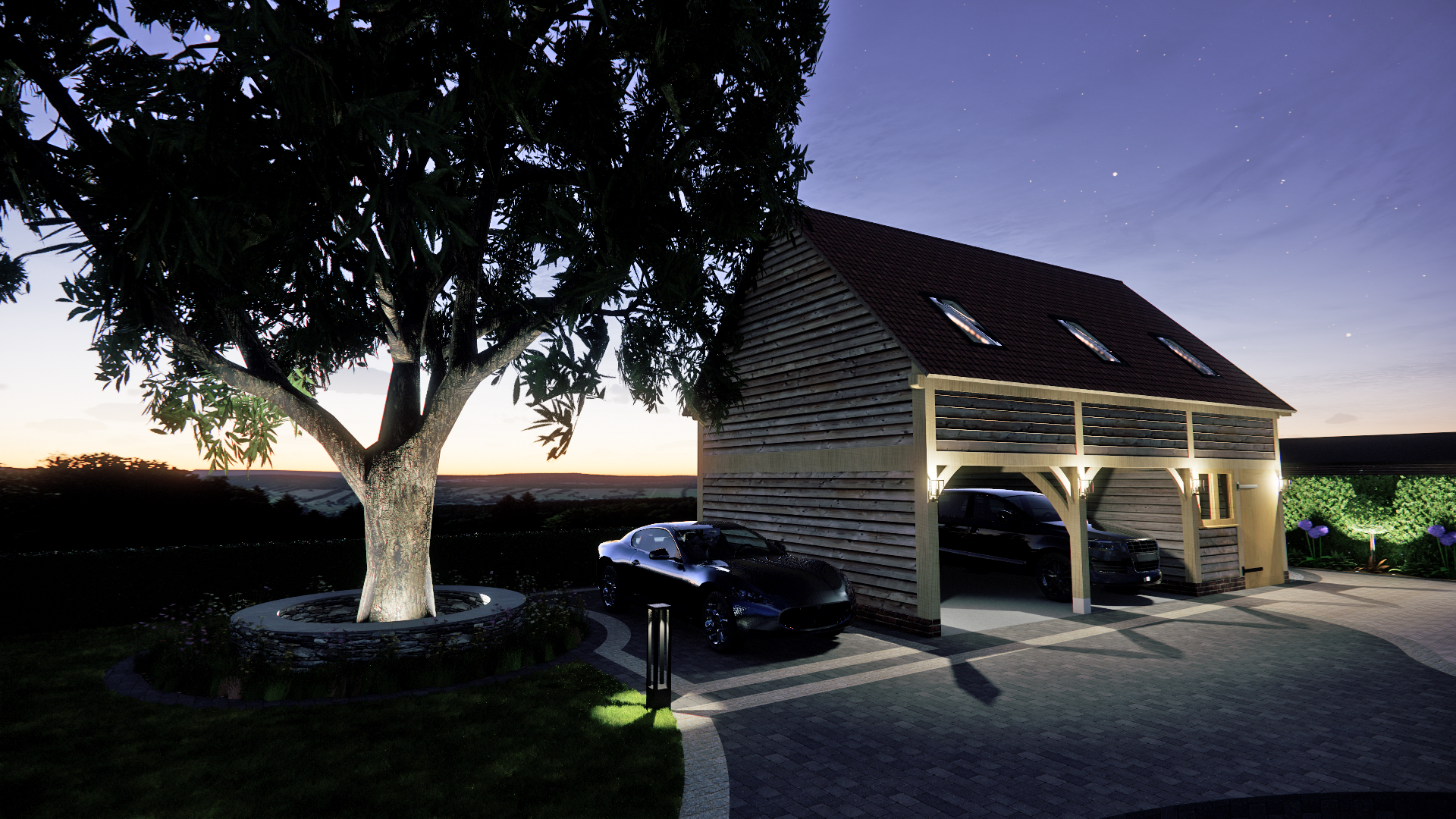
  • Uplighting: If you’ve got trees or shrubs, uplighting creates depth and interest. Just avoid going too over the top – this is kerb appeal, not a West End stage show.

We talk about this more in our previous blog Festive Safety Tips for Your Driveway.


Sweep Away Autumn’s Mess

There’s nothing that spoils kerb appeal faster than a drive covered in soggy leaves. Aside from looking untidy, they’re also slippery and can stain some driveway surfaces if left too long.

  • Sweep at least once a week during peak leaf fall.

  • Dispose of leaves through your council’s green waste service (Lincoln Garden Waste) or create compost for the spring.

  • Check drains and gullies regularly so they don’t clog and cause puddling.

Our blog Is your Driveway Ready for Christmas?” shares even more tips if you want to go deeper.


Add a Splash of Seasonal Colour

Even in autumn and winter, a little greenery (or colour) can brighten the approach to your home.

  • Pots and planters: Hardy plants like cyclamen, winter pansies, or ornamental cabbages can withstand the cold and add cheer.

  • Evergreens: Box balls or dwarf conifers in matching pots either side of your door give a smart, timeless look.

  • Climbers: If you’ve got fences or trellises, ivy and evergreen clematis keep things looking lively when other plants fade.


Keep It Clean and Tidy

A quick spruce-up of your drive makes a huge difference. Dirt, moss, and oil stains are all more noticeable under artificial lighting.

  • Pressure wash: A good clean will instantly lift block paving or concrete.

  • Resin driveways: These only need a sweep and occasional wash – one reason they’re becoming so popular. We explained their low-maintenance appeal in “The Benefits of Resin Driveways: Why They’re Perfect for Your Home”.

  • Edge definition: Trim grass verges and tidy borders for a neat finish.


A Touch of Personal Style

Kerb appeal isn’t just about maintenance – it’s about personality. A few finishing touches can make your home feel warm and inviting.

  • A seasonal wreath on the door (not just for Christmas).

  • Matching doormat and planters.

  • Smart, easy-to-read house numbers.

Little things like this catch the eye and create a good impression without costing a fortune.


When to Think About Bigger Changes

Sometimes, no amount of sweeping or planting can disguise a driveway that’s past its best. Cracks, potholes, and faded surfaces can drag down your home’s overall look. If that’s the case, it might be time to consider resurfacing or replacing.

We’ve shared advice on this in our blog Driveway Repair vs. Replacement: How to Make the Right Decision”, which can help you weigh up your options.


Conclusion

Before the dark nights fully set in, giving your driveway and front garden some TLC is one of the simplest ways to keep your home looking smart, safe, and welcoming. From adding subtle lighting to keeping on top of autumn leaves, these small steps make a big difference.

And if your current driveway is letting your kerb appeal down, ALS Driveways Lincoln are here to help with expert advice, quality installations, and a friendly service trusted by homeowners across the region.

Want to explore your options before winter? Browse our blog library for more seasonal tips, or get in touch for a free quote.


FAQs

  1. What’s the easiest way to improve kerb appeal in autumn?
    Adding outdoor lighting and keeping your driveway clear of leaves are quick, low-cost fixes that make a big difference.
  2. Do leaves really damage driveways?
    Yes, especially if left to rot. They trap moisture, which can stain or encourage moss growth.
  3. Should I invest in a new driveway before selling my home?
    A new driveway can significantly boost kerb appeal and help your home stand out to buyers – especially in the darker months.

Selling Your Home? How a New Driveway Could Help You Close the Deal Faster

When it comes to selling your home, most people focus on sprucing up the kitchen, giving the living room a lick of paint, or tackling the dreaded loft clear-out. But here’s the thing: before anyone sets foot inside, they’ve already formed an opinion. And what’s the first thing they see? Your driveway.

A tired, cracked or weed-ridden driveway can give the wrong impression before buyers even reach the front door. On the flip side, a smart new driveway can instantly lift the look of your property, add value, and even help you sell faster.

So, is a new driveway really worth it when you’re trying to move home? Let’s take a closer look.


First Impressions Count

We all know the phrase “don’t judge a book by its cover”. But let’s be honest, when it comes to houses, everyone does. According to a 2023 survey by Zoopla, 68% of buyers said kerb appeal was one of the most important factors influencing their decision to view a home. And a driveway, sitting right at the front of the property, is a huge part of that first impression.

Imagine pulling up to a house with a smooth, freshly-laid driveway compared with one full of potholes and cracks. Which home would you expect to be better looked after? Exactly.

If you’d like to read more about simple ways to get your driveway in top condition, you might enjoy our blog on Spring into Action: Driveway Cleaning and Repair Tips for the New Season.


Adding Value to Your Home

It’s not just about looks. A driveway can also boost the actual value of your home. Recent figures from Property Reporter UK suggest that a new driveway can increase a property’s value by up to 10%. That’s a potential boost of £20,000 on a home worth £200,000 – not bad for something that also makes life more practical.

In Lincoln and the surrounding areas, where parking space is often at a premium, having a proper driveway can make your home much more appealing to buyers. Nobody wants to be circling the street on a wet Tuesday night trying to find a spot.

If you’re weighing up costs, take a look at our post Understanding the Costs of Driveway Installation and How to Budget. It breaks down what to expect and how to plan sensibly.


Convenience is King

One of the first questions buyers often ask is: “Where will I park?” Having your own driveway gives them peace of mind straight away. It’s convenient, secure, and often reduces car insurance premiums.

Think about it from the buyer’s point of view. A house with no driveway means battling for on-street parking, dodging residents’ permits, and worrying about dings and scrapes from passing cars. A home with a neat driveway? Problem solved.


Choosing the Right Driveway for Selling

If you’re thinking about upgrading your driveway before putting your house on the market, you’ll want something that looks the part but doesn’t break the bank.

  • Block paving is a popular choice because it looks smart and lasts for years.

  • Resin driveways offer a modern, low-maintenance option that really lifts the look of a home.

  • Gravel driveways can be more cost-effective and still give a lovely rustic finish.

We’ve covered this in detail in our blog Choosing the Best Driveway Material for Lincoln’s Climate: A Comparative Guide.


Timing Matters

If you’re planning on selling soon, you might be wondering if you’ve got the time to upgrade your driveway. The good news is, modern driveway installations are usually quicker than people think. Depending on the size and material, most projects are completed in a few days to a week.

That means you can have a fresh, new look in time for viewings without a long wait.


A Smart Investment

At the end of the day, a new driveway isn’t just about looks – it’s about investment. For many buyers, seeing a well-kept driveway is a signal that the rest of the home has been cared for too. It reassures them they’re not walking into a money pit.

And let’s face it, if a new driveway can help you sell faster and potentially add thousands to your asking price, it’s one of those rare home improvements that can really pay off.


Conclusion

If you’re getting ready to sell your home, don’t overlook the space right outside your front door. A new driveway can:

  • Create a brilliant first impression.

  • Add value to your home.

  • Make life easier for buyers with guaranteed parking.

  • Help your property stand out in a competitive market.

At ALS Driveways Lincoln, we’ve helped countless homeowners upgrade their driveways before selling – and many have told us it made all the difference. If you’d like to explore your options, get in touch with our friendly team today.


FAQs

Does a new driveway really increase property value?
Yes. A well-installed driveway can add up to 10% to your home’s value, particularly in areas like Lincoln where off-road parking is highly sought after.

Which driveway material is best if I’m selling my home?
Block paving and resin are very popular with buyers because they look smart and are long-lasting. Gravel can also be a cost-effective option.

How long does it take to install a new driveway?
Most driveways can be completed within a few days to a week, depending on size and material. This makes it possible to upgrade before viewings start.

Creating a Grand Entrance: Design Ideas for an Impressive Driveway

Is your driveway making a statement, or is it barely whispering ‘hello’? A grand driveway doesn’t have to cost the earth. With thoughtful materials, smart features and a bit of style, your entrance can deliver that proud nod every time you pull up. Let’s explore some design ideas to help you create a driveway that earns respect, admiration and maybe even a few compliments.


1. Grand Gates and Borders: First Impressions Matter

Nothing says ‘welcome home’ quite like a striking set of gates. Whether it’s modern steel, rustic timber or classic wrought iron, a well-chosen pair will define your driveway and make a lasting first impression.

Pair your gates with low stone walls, neat brick pillars or timber edging to create a clean and structured look. Borders help contain materials like gravel and give your entrance a polished feel. According to The Spruce, even simple edging materials like steel or brick can transform a drive’s appearance.

Once your driveway is finished, we recommend reading our guide Driveway Maintenance: 5 tips on how to keep yours looking great for years to come for practical maintenance tips.


2. Materials That Mean Business

Choosing the right materials can make a huge visual difference. Resin-bound gravel is ideal if you want something modern and sleek. Block paving is perfect for those who prefer a traditional look with the flexibility of patterns and borders.

Our detailed blog Choosing the Best Driveway Material for Lincoln’s Climate explains which materials stand up to the British weather and which are best for Lincolnshire homes.


3. Lighting to Make It Shine

A grand driveway should still look great after the sun goes down. Low-level LED lighting along the edges, softly lit pillars or spotlights on your gate posts will make a huge difference.

Solar lights are easy to install and give off a soft glow. According to Surrey Hills Driveways, driveway lighting is one of the top trends for 2025, offering both safety and a stylish finish.


4. Feature Patterns and Detailing

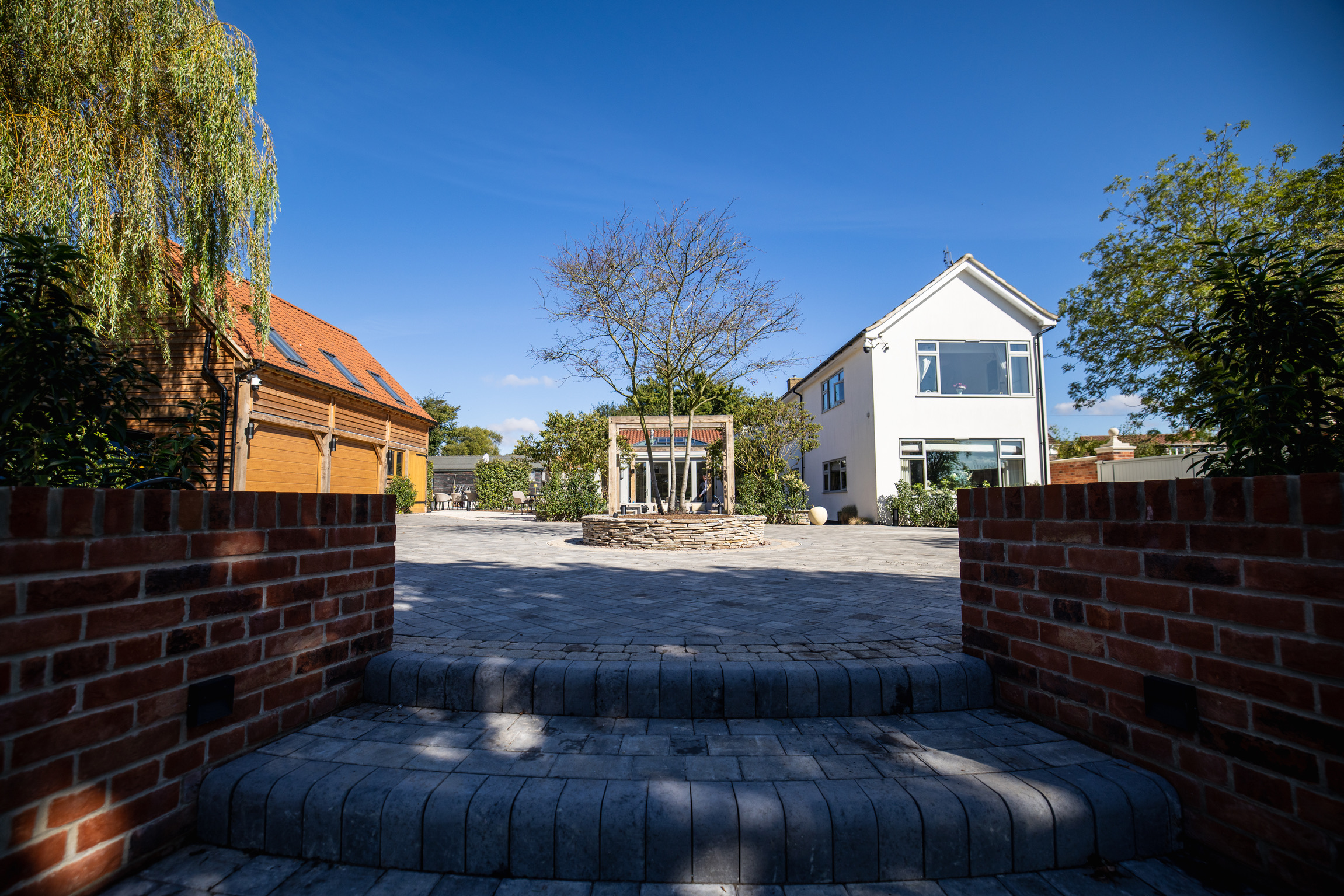
Patterns in your driveway are a brilliant way to add character. Think herringbone, basketweave or chevron. You can also create circular designs near the entrance or in front of your garage.

Adding a darker border or central feature can guide the eye and make your driveway look larger or more formal. These touches add class without being over the top.


5. Borders, Paths and Planting

Planting adds life and texture. Use low-growing shrubs like lavender, rosemary or small box hedges to soften edges and bring colour. Pleached trees or ornamental grasses give vertical interest and structure.

For tips on keeping your greenery and your driveway in good shape, take a look at our blog Maximising the Lifespan of Your Driveway.


6. Smart Add-ons for Modern Living

Add practicality with a bit of flair. Think motion-sensor lighting, integrated EV chargers or even heated surfaces for frost protection. These additions combine convenience with forward-thinking design, making your driveway smarter and more efficient.


7. Putting It All Together: A Checklist

Feature Description
Material Resin-bound, block paving or a combination for added style
Edging Stone, brick or metal borders to define space
Lighting Low-level LED or solar lighting for safety and ambience
Planting Shrubs, perennials and structure for softness and colour
Gates and Walls Timber, steel or stone for a strong visual start
Tech Options EV chargers, motion-sensor lighting or heated paving for smart living
Patterns Add interest with herringbone, chevron or circular details


Conclusion

Creating a grand driveway entrance is not about spending a fortune. It is about carefully selecting the right features to suit your home and lifestyle. Whether you love sleek modern finishes or a more traditional look with greenery and brick borders, the key is balance and detail.

At ALS Driveways Lincoln, we help homeowners bring these visions to life with advice, planning and professional installation. We know what works for Lincolnshire homes, and we are always happy to chat through your ideas.

Ready to get started? Call us today or fill in our contact form. We will help you create an entrance you can be proud of, one that combines style, substance and a smile every time you come home.

FAQs

  1. What makes a driveway look impressive?
    Using smart materials, lighting, planting and patterns all contribute to an eye-catching and welcoming design.
  2. Can I add lighting to my driveway later?
    Yes. Many solar and low-voltage options can be added after installation, but planning ahead makes it easier and more cohesive.

3. Do I need planning permission for gates or lighting?
Most driveway improvements are classed as permitted development. However, taller gates or specific lighting setups may need council approval, so it is best to check or ask us for advice.

Exploring the Latest Trends in Driveway Design for 2025

Driveways have come a long way from being just a patch of tarmac to park your car. In 2025, they’re all about style, sustainability, and smart solutions. Let’s take a look at what’s making waves in driveway design this year.

1. Resin-Bound Driveways: The Smooth Operator

Resin-bound driveways are gaining popularity for their sleek finish and durability. They offer a seamless look and come in various colours to match your home’s aesthetic. Plus, they’re permeable, allowing water to drain through and reducing puddles.

For more on the benefits of permeable driveways, check out our blog: The Benefits of Permeable Driveway Paving: Eco-Friendly and Practical Solutions.

2. Geometric Patterns: Adding a Bit of Flair

Gone are the days of plain driveways. Homeowners are now opting for geometric patterns like herringbone or basket weave to add visual interest. It’s like giving your driveway a fancy new outfit, according to T&A Resin and Stonecraft Landscapes, bold geometric patterns are leading the way in design trends, especially in urban areas.

3. Eco-Friendly Materials: Green is the New Black

Sustainability is more than just a buzzword. Homeowners are choosing eco-friendly materials like permeable pavers and recycled concrete to reduce their environmental impact. It’s a win-win: good for the planet and your driveway.

A&L Tree and Landscapes highlight the growing trend towards eco-friendly driveway options, including the use of recycled materials and permeable designs.

4. Integrated Lighting: Bright Ideas

Adding lighting to your driveway isn’t just practical; it’s also stylish. From solar-powered lights to LED strips, illuminating your driveway enhances safety and adds a touch of elegance.

Surrey Hills Driveways suggest that incorporating lighting into paving is both functional and a major design statement. Take a look at our Innovative Driveway Technology blog for more.

5. Mixed Materials: The More, The Merrier

Why settle for one material when you can mix and match? Combining different textures like gravel with stone pavers creates a unique look that stands out. Hello Lovely Living, liken It to a pick-and-mix for your driveway.

In their blog, SandT Groundworks note that mixed-media designs incorporating two or more materials are set to dominate this year. 

6. Neutral Tones: Keeping It Classy

Neutral colours like greys, beiges, and charcoals are in vogue. They offer a timeless appeal and blend well with various architectural styles. Think of it as the little black dress for your driveway.

Stonecraft Landscapes mention that choosing a contrasting border in a darker or lighter shade can create clean lines that define the space, adding aesthetics. We agree wholeheartedly; check out our Transform Your Driveway with Decorative Edging blog. 

7. Smart Driveways: The Future is Now

Technology is making its way to driveways with features like heated surfaces to melt snow and integrated electric vehicle charging points. We mentioned this back in 2024 in our Innovative Driveway Technology blog.

SandT Groundworks also discuss the emergence of smart innovations for high-performance driveways, including heated driveways and solar-powered options. 

8. Personalised Touches: Make It Yours

Adding personal elements like monograms or custom patterns makes your driveway uniquely yours. It’s a great way to showcase your personality right from the curb. 

9. Low-Maintenance Solutions: Easy Does It

Homeowners are leaning towards materials that require minimal upkeep. Options like stabilised gravel and resin-bound surfaces are durable and easy to maintain, giving you more time to enjoy your driveway rather than working on it.

For tips on maintaining your driveway, check out our blog: Maximising the Lifespan of Your Driveway: Maintenance and Enhancement Tips.

10. Edging and Borders: The Finishing Touch

Adding borders or edging to your driveway not only enhances its appearance but also helps keep materials like gravel in place. It’s the cherry on top of your driveway sundae.

The Spruce provide ideas for affordable and easy-to-install edging options suitable for DIY projects.

Conclusion: More Than Just a Parking Spot

Let’s face it, driveways have come a long way from being a bit of gravel and guesswork. In 2025, they’re doing more than just keeping your car off the street – they’re upping curb appeal, supporting sustainability, and making life that little bit easier. From smart tech and sustainable surfaces to patterns, lighting and personalised touches, it’s never been more exciting (yes, really!) to think about your driveway.

Here at ALS Driveways Lincoln, we’re not just about laying paving – we’re about helping you make practical, attractive choices that work for your home and your budget. Whether you’re planning a full revamp or just curious about what’s possible, we’re happy to talk you through the options.

Need some guidance on materials? Check out Choosing the Best Driveway Material for Lincoln’s Climate. Thinking about future-proofing? You might also find our blog on Sustainable Driveways worth a look.

Let’s make 2025 the year your driveway finally gets the attention it deserves. Give us a ring, or pop over to our contact page – we’ll get the kettle on.

Spring into Action: Driveway Cleaning and Repair Tips for the New Season

Spring is the perfect time to shake off the winter blues and get your home looking its best – and that includes your driveway. After months of harsh weather, your driveway may be looking a little worse for wear, with dirt, moss, and even cracks appearing. But with the right cleaning and maintenance, you can restore its appearance and keep it in great condition for years to come.

In this guide, we’ll walk you through simple but effective ways to clean, repair, and protect your driveway this spring, ensuring it’s safe, attractive, and ready for the warmer months ahead.

Why Spring is the Best Time for Driveway Maintenance

Winter can be tough on driveways. Cold temperatures, frost, and rain can cause surface damage, while fallen leaves, moss, and dirt build-up can make your driveway look neglected. Spring provides the ideal conditions for giving your driveway a deep clean and tackling any repairs before they become bigger issues.

The benefits of spring driveway maintenance include:
✔ Preventing small cracks from turning into costly repairs.
✔ Removing moss and algae that can create slippery surfaces.
✔ Refreshing your driveway’s appearance, improving curb appeal.
✔ Preparing your driveway for summer use, from parking to outdoor gatherings.

If your driveway is showing signs of wear and tear, check out our blog on Driveway Repair vs. Replacement: How to Make the Right Decision to see whether a simple fix or a full upgrade is the best option.


How to Give Your Driveway a Deep Clean

Cleaning your driveway isn’t just about making it look good – it also helps prevent long-term damage and keeps the surface safe to use.

Start with a Simple Sweep

Before you get into heavy-duty cleaning, clear away leaves, dirt, and debris with a stiff broom. This makes it easier to see any cracks, stains, or moss that need extra attention.

Use a Pressure Washer for a Deep Clean

A pressure washer is one of the best tools for removing built-up grime, particularly for concrete, tarmac, and block paving driveways. Here’s how to do it properly:
✔ Start on a low setting to avoid damage.
✔ Hold the nozzle at a slight angle to lift dirt rather than forcing it into the surface.
✔ Work in sections to ensure even cleaning.

Be careful when using a pressure washer on block paving – too much force can wash away the sand between the blocks, which will need replacing to keep them stable.

Remove Stains the Right Way

Oil, grease, and rust stains can be stubborn. Here’s how to tackle them:

  • Oil stains: Sprinkle baking soda or cat litter over the stain, let it absorb for 15–30 minutes, then scrub with washing-up liquid and warm water.
  • Rust stains: Use a mix of white vinegar and water, scrub with a brush, and rinse thoroughly.
  • Moss and algae: A mixture of water and white vinegar or a commercial moss remover will do the trick.

For more in-depth cleaning advice, check out Parker’s Guide to Driveway Cleaning.


Checking for Damage and Making Minor Repairs

Once your driveway is clean, it’s easier to spot any cracks, holes, or loose paving that need attention. Fixing these issues now can prevent bigger, costlier problems in the future.

Repairing Cracks in Concrete or Tarmac Driveways

  • Small cracks can be filled with driveway crack filler from a DIY store.
  • For larger cracks, it’s best to get professional help to ensure a long-lasting repair.

Fixing Loose or Sinking Block Paving

  • Remove the affected blocks.
  • Add fresh sharp sand and compact it.
  • Replace the blocks and brush more sand into the joints to stabilise them.

For more guidance on maintaining your driveway, visit our blog on The Importance of Regular Driveway Inspections and How to Conduct Them.


How to Protect Your Driveway for the Months Ahead

Once your driveway is clean and repaired, it’s a good idea to take a few extra steps to keep it looking great for longer.

Apply a Sealant (If Needed)

Certain driveway materials, such as tarmac and concrete, benefit from an occasional sealant application. This protects against water damage, fading, and staining.

✔ Tarmac driveways: Reseal every 2–3 years to keep them looking fresh.
✔ Concrete driveways: Apply a protective sealant every 3–5 years to prevent cracking.

Keep Weeds Under Control

Weeds love growing between block paving and in small driveway cracks. To prevent this:
✔ Regularly brush the surface to remove dirt where weeds can take root.
✔ Use a natural weed killer (like a vinegar solution) or a weed suppressant membrane if installing a new driveway.

Maintain Proper Drainage

Standing water can erode your driveway surface and encourage moss growth. If you notice water pooling, consider adding drainage channels or choosing a permeable driveway material like resin-bound gravel.

For driveway drainage solutions, check out Polycon’s Guide To Surface Water Drainage. 

Should You Upgrade Your Driveway This Spring?

If your driveway is beyond a simple clean and repair, spring is an excellent time to consider a replacement. Warmer temperatures and drier weather make installation easier, ensuring a smooth and durable finish.

If you’re thinking about an upgrade, here are some of the most popular driveway materials this year:

  • Resin-bound gravel: Low maintenance, stylish, and fully permeable.
  • Block paving: Timeless, durable, and available in various patterns.
  • Tarmac: Cost-effective and long-lasting with proper care.

Considering a new driveway? Get in touch with ALS Driveways Lincoln for expert advice and a free quote.

Conclusion

Spring is the perfect time to refresh and maintain your driveway, keeping it looking its best and preventing costly repairs later. With a thorough clean, minor fixes, and a bit of protection, you can extend its lifespan and improve the overall appearance of your home.

Whether you’re giving your driveway a deep clean or considering a full upgrade, ALS Driveways Lincoln is here to help. Contact us today to discuss your options and get your driveway ready for the new season!


FAQs:

How often should I clean my driveway?
Ideally, clean your driveway twice a year – once in spring and again in autumn – to prevent dirt build-up and damage.

What’s the best way to remove moss from a driveway?
A mixture of white vinegar and water works well for removing moss naturally. For larger areas, a commercial moss killer may be needed.

Can I use a pressure washer on all driveways?
Most driveways, including tarmac and concrete, can be pressure washed, but use a low setting on block paving to avoid displacing the sand.

How to Keep Your Driveway Safe and Slip-Free During Icy Conditions

As winter sets in, icy driveways can quickly become a hazard for you, your family, and visitors. From slips and falls to potential vehicle mishaps, icy conditions are not just inconvenient – they’re dangerous. Fortunately, with some preparation and the right techniques, you can keep your driveway safe, accessible, and slip-free throughout the winter months.

In this blog, we’ll explore practical tips to tackle ice on your driveway, from prevention methods to effective solutions for icy conditions. 

Why It’s Important to Keep Your Driveway Ice-Free

An icy driveway doesn’t just pose risks to people; it can also damage the surface itself. When water freezes, it expands, worsening any small cracks or gaps in your driveway. Over time, this leads to larger cracks, potholes, and costly repairs.

By keeping your driveway ice-free, you:

  • Enhance safety: Reduce the risk of slips and falls.
  • Protect your driveway: Minimise damage caused by freezing and thawing.
  • Ensure accessibility: Make it easier for vehicles and visitors to come and go safely.

1. Prepare Your Driveway Before Winter

The best way to manage icy conditions is to prepare your driveway before temperatures drop. Preventive measures can significantly reduce the risk of ice forming in the first place.

Steps to Prepare Your Driveway:

  • Inspect for Cracks: Repair any cracks or gaps in your driveway to prevent water from seeping in and freezing. Use a quality crack filler to seal them. Learn more about crack sealing from Asphalt Institute’s Crack Sealing Guide.
  • Seal the Surface: Applying a driveway sealant creates a protective barrier, making it harder for water to penetrate the surface. This is especially important for asphalt and concrete driveways.
  • Improve Drainage: Ensure your driveway has proper drainage to prevent water from pooling and freezing. If water collects in specific areas, consider installing drainage channels.

For tips on sealing your driveway, check out our blog on Seasonal Driveway Care.


2. Clear Snow Promptly

Snow left on your driveway can quickly compact into ice, making the surface slippery and more challenging to clear. Removing snow promptly is one of the simplest ways to prevent icy patches.

Tips for Clearing Snow:

  • Use the Right Shovel: Opt for a plastic or rubber-bladed shovel to avoid scratching your driveway’s surface. For expert snow removal advice, visit Shopping Expert to see which they consider to be the best snow shovels this year. 
  • Shovel in Layers: For heavy snowfalls, remove snow in layers to make the task more manageable.
  • Avoid Piling Snow Near Driveway Edges: Keep snow piles away from the driveway to prevent melted snow from refreezing overnight.

3. Use De-Icing Products Wisely

De-icing products can effectively melt ice, but some can damage your driveway or harm the environment. Choosing the right product is key to keeping your driveway safe without causing long-term issues.

Popular De-Icing Options:

  • Rock Salt: Widely used but can be harsh on concrete and the environment. Use sparingly, and avoid using on new concrete driveways.
  • Calcium Magnesium Acetate (CMA): An eco-friendly alternative that is less corrosive than traditional salts. Learn more about CMA from The Salt Association.
  • Sand or Grit: Provides traction without melting ice. While not a de-icer, it’s a safe option for slippery surfaces.

Always follow the manufacturer’s instructions and avoid over-applying de-icing products, as this can lead to residue build-up or driveway damage.

4. Add Traction to Your Driveway

Even with snow cleared and ice treated, adding extra traction can provide peace of mind, particularly on sloped driveways.

How to Add Traction:

  • Apply Grit: Sprinkle grit or sand over icy patches to create a non-slip surface.
  • Lay Mats or Rugs: Non-slip mats or outdoor rugs can be placed on high-traffic areas to provide additional grip.
  • Install Heated Driveway Mats: For a long-term solution, consider installing heated mats in key areas of your driveway.

5. Consider Installing a Heated Driveway

If icy driveways are a persistent problem for you, a heated driveway might be worth considering. These systems use electric or hydronic heating elements beneath the surface to melt snow and ice automatically.

Benefits of a Heated Driveway:

  • Convenience: No need for manual shovelling or de-icing.
  • Safety: Provides consistent protection against slips and falls.
  • Longevity: Prevents ice-related damage to the driveway’s surface.

Learn more about the pros and cons of heated driveways in bob vila’s Home Advice Guide.

6. Maintain Your Driveway Edges

Driveway edges are particularly vulnerable to ice build-up. If water runs off your driveway and collects along the edges, it can freeze and cause structural issues over time.

Tips for Protecting Edges:

  • Add edging materials, such as bricks or stone, to reinforce weak spots.
  • Regularly clear snow and debris from the edges to prevent ice from forming.

Learn how to strengthen your driveway with edging in our blog on Transforming Your Driveway with Decorative Borders and Edging.

7. Regularly Inspect and Maintain Your Driveway

Even with the best precautions, icy conditions can still take a toll on your driveway. Regular inspections will help you catch issues early, saving you money and hassle in the long run.

What to Look For:

  • New cracks or potholes caused by freezing and thawing.
  • Signs of pooling water or drainage issues.
  • Uneven surfaces or shifting edges.

For advice on inspections, see our blog on The Importance of Regular Driveway Inspections and How to Conduct Them.

Conclusion

Keeping your driveway safe and slip-free during icy conditions doesn’t have to be a challenge. By preparing your driveway before winter, clearing snow promptly, and using the right de-icing and traction solutions, you can enjoy a safer, stress-free season.

If your driveway needs repairs or upgrades to withstand winter weather, ALS Driveways Lincoln is here to help. From sealing and drainage solutions to full installations, we’ll ensure your driveway is ready for anything winter throws its way.

Contact us today to schedule a consultation and protect your driveway this winter.

FAQs:

  1. What’s the best way to prevent ice from forming on my driveway?
    Seal your driveway before winter, clear snow promptly, and ensure proper drainage to prevent water from pooling and freezing.
  2. Can I use salt on my concrete driveway?
    Salt can damage concrete over time, especially newer surfaces. Consider using eco-friendly de-icers like calcium magnesium acetate instead.
  3. How can I make my driveway less slippery in winter?

Add traction with grit, sand, or non-slip mats, and treat icy areas with a suitable de-icer. Regular snow removal also helps.

Is Your Driveway Ready for Christmas? Festive Prep and Maintenance Tips

Christmas is literally just around the corner; we’ve even had some snow! For most of us it’s a time for family gatherings, festive decorations, and plenty of visitors. While you’re busy planning menus and hanging lights, don’t overlook an important part of your home: your driveway. It’s one of the first things guests see, and a well-maintained driveway can make your home feel warm and welcoming, even in the chilliest weather.

In this blog, we’ll share essential tips to get your driveway holiday-ready, from quick fixes and cleaning to ideas for festive décor. Let’s make sure your driveway is as prepared as your Christmas tree!

Why Prepare Your Driveway for Christmas?

Christmas brings heavier traffic – both from visitors and delivery vehicles dropping off all those last-minute online orders. Preparing your driveway makes sure:

  1. Safety: 

Reduces the risk of slips, trips, and falls caused by ice, cracks, or debris.

  1. Curb Appeal: 

A clean, well-maintained driveway creates a welcoming first impression for guests.

  1. Durability: 

Tackling minor repairs before winter helps protect your driveway from further damage caused by cold weather and frost.

1. Start with a Thorough Clean

A sparkling driveway can make all the difference when welcoming Christmas guests. Cleaning doesn’t just improve its appearance – it helps you spot any damage that might need attention.

How to Clean Your Driveway:

  • Remove Debris: Sweep away leaves, twigs, and other debris. This prevents staining and clears the surface for deeper cleaning.
  • Tackle Stains: Use a mix of water and mild detergent to scrub away oil or grease stains. For tougher stains, a power washer can work wonders.
  • Pressure Washing: If you have a block paving or concrete driveway, pressure washing is ideal for removing dirt and moss build-up.

Tip: Avoid harsh chemicals that could damage the surface, especially if you have a resin-bound or asphalt driveway.

2. Repair Cracks and Potholes

Cracks and potholes don’t just look bad – they can also create hazards for guests and cause further damage during winter. The freeze-thaw cycle can turn small cracks into big problems, so it’s best to address them before temperatures drop.

  • Small Cracks: Fill hairline cracks with a crack filler to prevent water from seeping in and freezing.
  • Potholes: Use cold patch asphalt to fill potholes temporarily or contact a professional for a more permanent fix.

For more advice on repairing your driveway, check out our blog on Driveway Repair vs. Replacement: How to Make the Right Decision.

3. Apply a Protective Sealant

Sealing your driveway provides a protective layer against water, ice, and de-icing salts, which can degrade the surface. This is especially important for asphalt and concrete driveways.

  • When to Seal: 

Ideally, seal your driveway in autumn before the first frost, but there’s still time if temperatures are mild, especially if you’re reading this down South.

  • How to Seal: 

Apply an even coat of driveway sealer and let it cure for at least 24-48 hours. Follow the manufacturer’s instructions for the best results.

4. Ensure Good Drainage

Proper drainage is key to preventing water from pooling on your driveway, which can freeze and create slippery patches.

  • Clear Gutters and Drains: Make sure nearby gutters and drainage channels are free of leaves and debris.
  • Check Slopes: If water tends to pool on your driveway, consider installing a drainage channel to guide water away from the surface.

For more drainage tips, visit Paving Expert’s Guide to Driveway Drainage.

5. Add Anti-Slip Protection

Slippery driveways are a common hazard in winter. Adding anti-slip measures ensures your driveway is safe for guests and delivery drivers alike.

  • De-Icers: Use eco-friendly de-icing products like calcium magnesium acetate to melt ice without damaging the surface.
  • Sand or Grit: Sprinkle sand or grit over icy areas for added traction.
  • Mats or Runners: Consider placing non-slip mats along pathways or particularly icy spots for extra safety.

6. Light It Up for Safety and Style

Outdoor lighting can make a big impact during the festive season. Not only does it create a magical atmosphere, but it also improves visibility and safety for your guests.

  • Pathway Lights: Line your driveway with solar or LED pathway lights for a soft, welcoming glow.
  • Spotlights: Use spotlights to highlight key areas like steps or the front door.
  • Festive Touches: Add string lights or illuminated decorations to trees or fences near your driveway for a seasonal touch.

7. Festive Décor for Your Driveway

Your driveway is an extension of your home, so why not make it part of your holiday decorations?

  • Planters: Add festive planters filled with evergreen branches, holly, or poinsettias at the edges of your driveway.
  • Wreaths: Hang a wreath on your garage door or at the entrance to your driveway for a traditional look.
  • Inflatables or Light Displays: If you enjoy more playful décor, consider adding inflatables or light-up reindeer along the driveway.

Tip: Keep decorations clear of areas where cars will park or drive to avoid damage.

8. Get Professional Help if Needed

Sometimes, preparing your driveway for Christmas requires more than a DIY approach. If your driveway has significant damage or you want to ensure it’s in top condition, calling in the experts can save you time and hassle.

At ALS Driveways Lincoln, we offer professional advice and driveway replacements to get your driveway looking its best. Contact us today for a free consultation.

Conclusion

Getting your driveway ready for Christmas doesn’t have to be a daunting task. With a little cleaning, some minor repairs, and festive touches, you can create a driveway that’s safe, functional, and full of seasonal cheer. Whether it’s sealing, drainage improvements, or simply adding a string of lights, your efforts will make a lasting impression on everyone who visits.

If you need expert help to prepare your driveway for the holiday season, ALS Driveways Lincoln is here for you. From maintenance to full-scale repairs, we’ll make sure your driveway is ready to shine this Christmas.

The Importance of Regular Driveway Inspections and How to Conduct Them

Your driveway does more than provide a place to park the car; it’s a valuable part of your property’s first impression and curb appeal. However, driveways are constantly exposed to the elements, heavy loads, and temperature changes – all of which cause wear and tear over time. Conducting regular inspections can help you catch minor issues before they turn into costly repairs, extending the life and look of your driveway.

In this blog, we’ll look into why regular driveway inspections are essential and how to carry them out effectively, whether you have an asphalt, concrete, or gravel driveway.

Why Driveway Inspections Are Essential

Driveways face various stressors: rain, ice, UV rays, and even chemicals like de-icers. Without regular inspections, small cracks or uneven surfaces can develop unnoticed, leading to potholes or serious surface damage. Here’s why regular inspections are worth the time:

1. Prevent Expensive Repairs:

Catching cracks or drainage issues early can save you from having to invest in a complete replacement or resurfacing later.

2. Extend Lifespan:

Regular maintenance helps your driveway withstand seasonal wear, increasing its lifespan and keeping it looking good longer.

3. Safety:

Cracks, potholes, and uneven spots pose a tripping hazard. Regular inspections can help you keep the driveway safe for you, your family, and visitors.

4. Boosts Curb Appeal:

A well-maintained driveway enhances the appearance of your home, showing that the property is well cared for overall.

What to Look for During a Driveway Inspection

Inspecting your driveway only takes a few minutes, but knowing what to look for is key. Here are the main signs to check for:

Cracks and Small Holes:

Cracks can indicate surface damage, and if left unchecked, they allow water to seep in, freeze, and expand. This is especially problematic in winter, as the freeze-thaw cycle can worsen cracks quickly.

Drainage Issues:

Puddles or pooling water indicate drainage issues, which can weaken the driveway surface over time and increase the likelihood of cracking.

Uneven Surfaces or Sinking:

Spotting any areas that seem lower or uneven is a sign that the underlying foundation might be shifting. Address these areas early to prevent larger dips from forming.

Weeds and Moss:

Plant growth along the edges or in cracks can weaken the driveway, allowing roots to break through and expand cracks further.

Edge Wear:

If the edges of your driveway are breaking or crumbling, it’s often due to high foot traffic or lack of reinforcement. Adding edging can help strengthen these areas and maintain structure

How to Conduct a Driveway Inspection

Carrying out a driveway inspection is straightforward, but a bit of routine can help you get the best results. Here’s a quick guide to make your inspection effective:

1. Inspect After the Rain

Water can highlight cracks and drainage problems, so inspecting the driveway after a rainy day makes it easier to spot issues. Look for areas where water pools or seeps into cracks – this is often a sign of a drainage issue or expanding crack that needs to be sealed.

2. Use a Brush to Clear the Surface

Sweeping the driveway before inspection will give you a clearer view. It also helps you see hairline cracks or small surface holes that dirt or debris might otherwise hide.

3. Check for Loose Gravel (If Applicable)

If you’ve got a gravel driveway, take note of any areas where gravel has shifted or washed away, as this indicates that more gravel or a different type of edging might be needed to keep everything in place.

4. Test for Stability Along the Edges

Stand on the edges of your driveway and apply a bit of pressure. If you feel movement or see cracks appearing, these edges need reinforcement to prevent further deterioration. 

5. Check Downspouts and Gutters Nearby

If water is draining directly onto your driveway from a gutter or downspout, redirect it to avoid constant moisture exposure that can lead to cracks and damage.

Addressing Common Driveway Issues

After your inspection, any issues you find can be addressed with a few simple maintenance steps:

Seal Cracks Immediately: Use a quality crack filler to seal small cracks as soon as you notice them. This will prevent water from getting in and worsening the damage.

Repair Drainage Problems: Add drainage channels if water pools on your driveway, or adjust nearby slopes to help water flow away from the surface.

Replace Gravel or Pavers: For gravel driveways, regularly add gravel to maintain an even surface, and for block paving, re-sand any areas where pavers have loosened.

Consider Adding Edging: Reinforcing your driveway with edging, such as stone or bricks, can help keep gravel or pavers in place, maintain structure, and prevent wear and tear at the edges.

For a detailed guide on adding edging to your driveway, visit our blog Transform Your Driveway with Decorative Borders and Edging.

How Often Should You Inspect Your Driveway?

Twice a year is usually enough – once in early spring and once in autumn. However, if you live in a region prone to extreme weather or if your driveway gets heavy use, quarterly inspections ;might be better. An autumn inspection is an excellent time to address any repairs before winter arrives.

Conclusion

Regular driveway inspections are an easy, low-cost way to maintain your driveway, boost your home’s curb appeal, and avoid costly repairs in the future. By catching minor issues early, you’ll extend your driveway’s lifespan and keep it looking pristine. If you’re unsure about what to look for or need help addressing any issues, ALS Driveways is here to help with professional advice and repair services.

For more on driveway maintenance year-round, check out our blog Seasonal Driveway Care.

Space-Saving Design Tips and Tricks for Small Driveways

Owning a home with a small driveway can pose unique challenges. Limited space often means less room for vehicles, reduced aesthetic appeal, and potential issues with functionality. However, with thoughtful design and strategic planning, even the smallest driveways can be transformed into efficient, visually pleasing spaces. In this guide, we explore space-saving design tips and tricks to help you make the most of your small driveway.

Figure out Your Needs and Priorities

If you’ve got a smaller than average space, it’s essential that before you get started with your driveway transformation, you figure out what’s essential and what’s not. As much as (in an ideal world) you’d have the option of everything you want or need, with a smaller space, that’s not always possible. 

Start with the following questions:

– How many vehicles do you need to park regularly on the driveway?

– Do you want additional storage space?

– What’s your maximum budget for your driveway project ?

– What style of driveway do you prefer?

By answering these questions, you can create a clear vision and set realistic goals for your project.

Choose the Right Materials

If you want to maximise the appearance of space choosing the right materials is key. Here are some popular options:

Permeable Pavers:

Permeable pavers are an excellent choice for small driveways. They allow water to seep through, reducing runoff and improving drainage. These pavers come in various shapes and sizes, enabling creative designs that can make the space look larger.

Resin-Bound Gravel:

Resin-bound gravel provides a smooth, durable surface that’s both attractive and low-maintenance. It can be laid in intricate patterns, adding visual interest without overcrowding the space.

Concrete with Decorative Finishes:

Concrete is a versatile and durable material. Opt for decorative finishes such as stamped or stained concrete to add texture and style to your driveway.

Optimise Layout and Design

Efficient layout and design are key to maximising a small driveway. Here are some ideas:

Angled Parking:

If your driveway is too short for straight-on parking, why not go for angled parking? This technique can save space and make maneuvering easier.

Narrow Driveway with Wider Turnaround:

Design the driveway to be narrower along its length, with a wider area near the garage or house for easier turning and parking.

Circular Driveways:

If you’ve got enough space, a circular driveway can provide additional parking and easier access. It also adds an elegant touch to the property.

Use Vertical Space

When horizontal space is limited, look upwards. This is something that we often forget. Use vertical space for storage and aesthetic elements:

Wall-Mounted Storage:

Install wall-mounted storage solutions, such as shelves or cabinets, to keep tools and supplies off the ground. This not only saves space but also keeps the area tidy.

Trellises and Vertical Gardens:

Add trellises or vertical gardens along the edges of the driveway. These will improve the aesthetic appeal and can create a more welcoming entrance to your home.

Add some Smart Landscaping

Thoughtful landscaping can enhance the functionality and beauty of a small driveway:

Low-Growing Plants:

Choose low-growing plants and ground covers that won’t encroach on the driveway space. These plants can soften the edges and add greenery without overcrowding the area.

Defined Borders:

Use defined borders, such as brick or stone edging, to delineate the driveway from the surrounding landscape. This helps keep the driveway looking neat and organised.

Lighting:

Add some lighting to your driveway design. Pathway lights, uplights for trees, and wall-mounted fixtures can improve safety and add a touch of elegance.

Think about Multi-Functional Elements

In a small driveway, multi-functional elements can be a game-changer:

Carport with Storage:

If a garage isn’t an option, why not instal a carport that includes built-in storage. This provides shelter for your vehicle and additional space for storing outdoor items.

Folding or Sliding Gates:

Install folding or sliding gates that save space and provide security without requiring a large swing area.

Maintain a Clean and Organised Space

Keeping your driveway clean and organised is essential for maximising its functionality and appeal:

Regular Cleaning:

Regularly sweep and wash the driveway to keep it free of debris, stains, and moss. A clean driveway looks more inviting and is easier to maintain.

Declutter:

Avoid using the driveway as a storage area for items that don’t belong there. Keep garden tools, bicycles, and other items in designated storage spaces.

Personalise with Decorative Elements

Adding personal touches can make your small driveway stand out:

Decorative Driveway Gates:

Choose decorative gates that reflect your style. Wrought iron, wooden, or modern metal gates can add character and charm to your driveway.

Custom Paving Patterns:

Create custom paving patterns with bricks, stones, or pavers. Unique designs can make the driveway appear larger and more interesting.

Conclusion

Transforming a small driveway into a functional, attractive space is possible with careful planning and creative design. By figuring out your needs, choosing the right materials, optimising the layout, and incorporating smart landscaping, you can maximise your driveway’s potential. Whether you prefer modern minimalism, rustic charm, or functional elegance, there are countless ways to make your small driveway a standout feature of your home.

If you’re considering upgrading your driveway, contact us at ALS Driveways Lincoln for expert advice and a comprehensive quote.

FAQs

What materials are best for a small driveway?

For small driveways, permeable pavers, resin-bound gravel, and decorative concrete are excellent choices. Permeable pavers improve drainage and come in various shapes and sizes, allowing for creative designs. Resin-bound gravel offers a smooth, durable surface that can be laid in intricate patterns. Decorative concrete provides versatility and durability, with options for stamped or stained finishes to add texture and style.

How can I maximise space in my small driveway?

To maximise space, consider angled parking or a narrower driveway with a wider turnaround area. Utilise vertical space with wall-mounted storage and vertical gardens. Multi-functional elements like a carport with storage or folding/sliding gates can also help save space. Incorporating low-growing plants, defined borders, and proper lighting can further enhance functionality and appeal.

How can I maintain a clean and organised small driveway?

Regularly sweep and wash the driveway to keep it free of debris, stains, and moss. Repair cracks promptly to prevent further damage. Use defined borders to keep the driveway neat and organised. Avoid using the driveway as a storage area for unrelated items, and consider adding wall-mounted storage solutions to keep tools and supplies off the ground. Incorporating decorative elements like custom paving patterns and lighting can also contribute to a tidy and appealing space.