Which driveways last the longest?

Driveways can be considered an essential aspect of a property’s overall appearance and function. They’re the first point of contact for visitors and residents, and they play a crucial role in a property’s curb appeal. A well-designed and durable driveway can enhance the aesthetic appeal and add value to a property. But with so many driveway options available, it can be challenging for homeowners and property developers to determine which driveway is the ‘right’ driveway and which one will last the longest, especially in today’s economic climate.

At ALS Driveways, Lincoln we want you to make the right driveway decision for you. In this blog, we’ll discuss the different types of driveways available, and how long they should last. We’ve put them in order, from longest to shortest to make it easier.

Concrete Driveways

Concrete driveways are one of the most popular options among homeowners and property developers in the UK. They’re low maintenance, durable and can last up to 30 years or more if properly installed and maintained. The longevity of concrete driveways is due to their high compressive strength and ability to withstand harsh weather conditions.

Cemex discuss the pros and cons of different types of driveway constructions in their recent blog. They also make a great point, ‘whilst driveways are the most used parts of a house, they’re often given the least thought during the construction process’.

For an indicative cost of a concrete driveway per square metre, look at our blog Which type of driveway is best?

Resin Driveways

Resin driveways are still a relatively new option for UK homeowners and property developers. They’re durable and can last up to 25 years or more, but only when they’re properly installed and maintained. Resin driveways are known to withstand heavy loads and harsh weather conditions.

According to SureSet, “…resin driveways can take up to 7.5 tonnes. With an average car weighing in at around 1.4 tonnes, and large vans weighing approximately 3.5 tonnes…” in our opinion, they’re worth considering if you’re a two vehicle (or more) family.

Block Paving Driveways

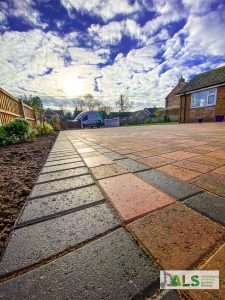
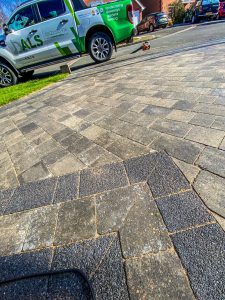
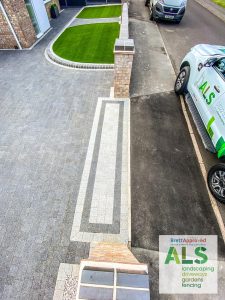
Block paving driveways are a really popular option for UK homeowners and property developers, not least due to their aesthetic appeal and versatility. With a range of colours, shapes and styles available (location dependent) they can certainly enhance your current homes curb appeal. Block paving driveways are a durable driveway option that can last up to 25 years or more (when installed and maintained professionally).  Block paving is also able to withstand heavy loads and harsh weather conditions.

At ALS we don’t just install the driveway, we work with you on the design spec to make sure your new driveway will maximise your homes first impression. Take a look at some of our recently completed projects.
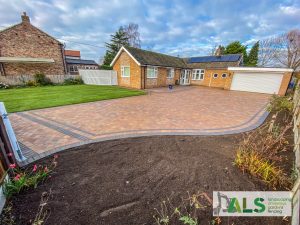
Block Paved Driveway

Tarmac Driveways

Tarmac driveways are another popular option among UK homeowners and property developers. They’re cost-effective, durable and can last up to 20 years or more if properly installed and maintained. The longevity of tarmac driveways is due to their ability to flex and move with the ground, which helps to prevent cracking.

According to JL Driveways, “Tarmac driveways are one of the best options when it comes to needing a drive that’s highly durable, weather resistant and one that’s made to last. Tarmac has been the option of choice for many years and continues to be a popular choice as a surface solution.”

Gravel Driveways

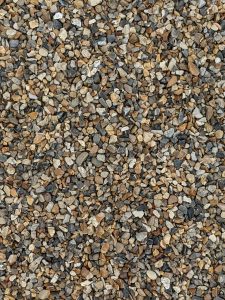
At ALS Driveways Lincoln we’ve seen a general shift away from gravel driveway installations in recent years. They’re a relatively low-cost option, and of the types of driveways we mentioned earlier, the easiest one to install, especially from a DIY point of view. However, regardless of driveway material, we will always advise using professional installers if you want it to last up to 10 years. The longevity of gravel driveways is due to their ability to drain water quickly, which helps to prevent erosion.

If gravel is your preferred option, there are many suppliers available nationwide to choose from. Gravelmaster.co.uk scores well on Trustpilot, and according to their website has next day nationwide delivery available. (There are other suppliers and ALS Driveways Lincoln is not affiliated in any way).

Conclusion

Choosing the right driveway that will work for you in your existing environment is an important decision. If you’re looking to enhance your home’s curb appeal, add value and provide functionality, then it’s one that shouldn’t be taken lightly.

Homeowners and property developers should also consider factors such as durability, maintenance, and cost as well as the aesthetics when selecting a driveway installation. Among the options discussed, concrete driveways are notably the most durable and can last up to 30 years or more, followed closely by resin, block paving, and tarmac driveways, which can last up to 25 years or more. While gravel driveways are a low-cost option, their longevity is limited, and professional installation is always recommended. Overall, investing in a well-designed and durable driveway can provide long-lasting benefits for your home.

If you’re thinking about installing a driveway in Lincoln and you’d like some help to narrow down the  driveway that will meet your needs and expectations, get in touch with us today.

Driveway FAQs: at a glance!

If you’re a homeowner or property maintenance company in the UK, you’ll probably have some questions about driveways. Driveways are an essential part of any property, and they can have a significant impact on its overall look and value.

In this blog post, we’ll answer four of the most frequently asked questions that people have asked ALS Driveways in Lincoln about driveways.

Driveway in Lincolnshire

1.    What are the different types of driveways?

There are several different types of driveways that you can choose from, depending on your budget, style preferences, and the overall look of your property. Some of the most popular types of driveways in the UK include:

  • Tarmac driveways: Tarmac is a popular choice for driveways because it’s affordable, durable, and easy to maintain. Tarmac driveways are also weather-resistant, so they can withstand the harsh UK climate.
  • Block paving driveways: Block paving is a versatile material that can be used to create a wide range of patterns and designs. Block paving driveways are also durable and long-lasting, and they can add value to your property.
  • Gravel driveways: Gravel is a low-cost material that can be used to create a rustic, natural look for your driveway. Gravel driveways are also easy to install and maintain, and they can provide good drainage for your property.
  • Concrete driveways: Concrete is a durable and long-lasting material that can be used to create a range of designs and patterns. Concrete driveways are also easy to maintain and can be coloured or textured to match your property’s style.

We discuss the ‘best’ type of driveway and outline the pros and cons of each type in more detail in our recent blog Which type of driveway is the best?

2.    How much does it cost to install a driveway in the UK in 2023?

The cost of installing a driveway in the UK will vary depending on several factors, including the type of driveway you choose, the size of your property, and the complexity of the installation.

According to Checkatrade, a leading UK trade directory, the average cost of installing a new driveway is around £3,000 to £4,000. However, this cost can range from £1,000 to £9,000 or more, depending on the specifics of the job.

For a more in depth understanding of the costs, read our blog Which type of driveway is the best?, or alternatively get in touch.

3.    How long does it take to install a driveway?

The installation time for a driveway can vary depending on the type of driveway you choose and the complexity of the installation. Generally, a driveway installation can take anywhere from a few days to a few weeks. According to the experts at Marshalls, a leading UK supplier of paving products, the installation time for a typical driveway is around 3-5 days.

4.    How do I maintain my driveway?

Maintaining your driveway is essential to ensure that it stays in good condition and lasts for as long as possible. Here are some tips for maintaining your driveway:

  • Regularly sweep or hose down your driveway to remove any debris, leaves or dirt.
  • Remove any stains from your driveway as soon as possible using a suitable cleaner, as they can become permanent if left untreated.
  • Fill any cracks or holes in your driveway to prevent them from getting worse.
  • Apply a sealant to your driveway every few years to protect it from the elements and prolong its lifespan.

You can find more specific information in our blog Driveway Maintenance.

5.    Do I need planning permission to install a driveway?

In most cases, you don’t need planning permission to install a driveway in the UK.

However, there are some exceptions, such as if you’re installing a new driveway that’s over 5 square metres, if you need the kerb dropping, or if you’re planning to use non-permeable materials that could cause flooding.

If you’re unsure whether you need planning permission for your driveway, it’s best to check with your local council or speak to us, and we’ll be able to advise. 

Conclusion

Driveways are an important aspect of any property, and it’s essential to choose the right type of driveway for your needs and budget. ALS Driveways in Lincoln are here to help and advise. We’re also able to offer financing to make your dream driveway a reality. Get in touch with us today.

Driveway in Lincolnshire


Driveway Maintenance: 5 tips on how to keep yours looking great for years to come!

As a homeowner, your driveway is the first thing you or your guests see when arriving at your home. An attractive driveway can significantly enhance your home’s kerb appeal and create a lasting impression, but if you don’t look after it you could be left with drive embarrassment.

Some driveways need more maintenance than others. You can read about the pros and cons of the different types of driveway in our previous blog “Which type of driveway is the best”.

In this blog we’ll share 5 tips to help you to keep your driveway looking great for years to come, regardless of which type you’ve installed.

1.   Regular Cleaning

Regular cleaning is essential to maintaining your driveway’s appearance. Dirt, debris, and oil stains can accumulate over time, making it look unsightly and unkempt. Regular sweeping and pressure washing can remove dirt and grime from the surface of your driveway, depending on the type of driveway. Please note, power washing is only suitable for driveway installations of concrete or brick.

According to the experts at Driveway Cleaning Lincoln, “Power washing can be a great way to clean your driveway, but it can also be damaging if done incorrectly. We recommend hiring a professional pressure washing company to ensure the job is done right.”

2.   Repair Cracks and Holes

Cracks and holes can appear on your driveway over time, especially if it’s made from concrete. These small imperfections can turn into bigger problems if left untreated. It’s important to repair them as soon as possible to prevent further damage. According to Better Homes & Gardens, you can repair your concrete driveway in a weekend or less!

If your driveway has an asphalt surface, and it’s looking less than ‘ideal’ HomeServe have a guide that will help you decide whether to DIY resurface it, or whether a professional installer should be called.

3.   Sealcoating

Sealcoating can help protect your driveway from the elements, such as rain, sun, and snow. It’s a protective layer that is applied to the surface of your driveway, preventing water and other materials from penetrating the surface. It’s best used on block paving, concrete or any other porous driveway surface.

Checkatrade provide a guide to indicative costs and suggest that there are 6 reasons why sealing your block paved driveway is a smart idea:

  1. It protects your driveway from stains.
  2. It enhances the colour of your blocks and reducing fading.
  3. It increases the lifespan of your block paving driveway.
  4. It prevents moss and algae from growing.
  5. It reduces the likelihood of weeds.
  6. It makes your driveway stronger and therefore less prone to damage.


4.   Use Appropriate Products

Using the right products on your driveway is crucial if you want to prevent damage and keep your driveway looking its best! Avoid using harsh chemicals or de-icers as these can damage the surface of your driveway. Instead, use products that are designed specifically for your driveway type.

According to the experts at Smartseal, “Using the right products can help protect your driveway and extend its life. Look for products that are designed for your driveway’s specific material, whether it’s concrete, asphalt, or block paving.”


5.   Hire Professionals

Finally, hiring professionals can be a great way to ensure that your driveway is well-maintained. Professionals have the expertise and equipment to keep your driveway in top condition. According to MyBuilder, “Hiring a professional can be a good investment in the long run. They can identify problems early on and offer solutions that can prevent further damage.”

 Conclusion

Maintaining your driveway doesn’t have to be a daunting task. With regular cleaning, repairs, sealcoating, appropriate products, and professional help, you can keep your driveway looking great for years to come. As the experts at Driveway Cleaning Lincoln say, “A well-maintained driveway not only enhances your home’s kerb appeal but also adds value to your property.”

We hope this blog has helped you to understand how you can easily maintain your dream driveway in Lincoln. If you know you need a new driveway and you’re not a fan of DIY, or if you need any advice or have any questions, get in touch with us today.


Driveway Maintenance Lincoln

Which type of driveway is the best?

Having a well-designed and functional driveway can enhance the kerb appeal of your property and make life easier for you. But with so many different driveway options available in the UK, it can be challenging to choose the one that suits your needs and budget. In this blog, we’ll discuss the different types of driveways available in the UK, the indicative costs, and their pros and cons.

Block Paving:

Block paving is a popular choice in the UK for driveways due to its versatility, durability, and its suitability for a wide range of property styles. It’s available in various colours, sizes, and patterns, making it easy to customise allowing you to create a unique look for your home. When installed professionally, a block paving driveway is a low-maintenance option and can last up to 25 years.

Indicative cost of block paving

According to Checkatrade, the cost of block paving in the UK ranges from £90 – £110 per square metre depending on the design, material, and location. The average cost for a 50m² area will set you back around £5,500. Assuming a 50m² driveway with space for a lawn.

Pros of a block paving driveway

Block paving is durable, long-lasting, versatile, and easy to repair. You can replace individual blocks if they become damaged.

Cons of a block paving driveway

Block paving is considered to be more expensive than some other driveway options. Expect to have a hefty upfront cost and is time-consuming to install. It can require regular cleaning (location dependent) and can be prone to weed growth.

Gravel Driveways:

Gravel driveways are one of the most cost-effective options for homeowners. They quick and easy to install and require minimal upkeep (just the occasional raking and topping up to maintain their appearance over time). Gravel is available in a range of colours and sizes (location dependent) so it’s easy to complement your home’s existing aesthetic. Gravel driveways are also permeable, meaning that rainwater can drain away, making them an eco-friendly choice!

Indicative cost of a gravel driveway

According to HomeownerCosts, the average cost of installing a gravel driveway is around £70 per m2 if it’s a new driveway, reduced to approx £30 per m2 for an overlay. Using the 50m2 average, you’d be looking at £3,500 or £1,500 respectively. Note that the cost will vary depending on the gravel type, installation cost, and location.

Pros of a gravel driveway

Gravel driveways are relatively inexpensive (especially when compared to other options), easy to install, easy to customise with colour and size, and provide good drainage.

Cons of a gravel driveway

Gravel driveways can be messy, can be noisy when driven or walked on and the gravel can become displaced which may require regular topping up.

Gravel Driveway
Photo by Philippa Lowe on Unsplash

Resin Bound Driveways:

Resin-bound driveways are a modern and attractive option. They’re becoming increasingly popular in the UK due to their visual appeal and low-maintenance requirements. They’re made from a mixture of natural stones and resin which is troweled onto a prepared surface. Resin-bound comes in a range of colours and designs (location dependent) and they’re also porous which means that water can drain away quickly.

Indicative cost of a resin-bound driveway

Loftera suggests that the cost of a new resin-bound driveway will range from £40 per m2, to a high of £70 per m2. Taking the average 50m2  then, you’ll be looking at approximately £3,000 but again this will vary depending on design and location.

Pros of a resin-bound driveway

They’re visually appealing, low maintenance, long-lasting, porous, and available in a range of colours and finishes.

Cons of a resin-bound driveway

Resin-bound driveways are not the cheapest option. Generally, we would advise professional installation which will increase the cost. They can become slippery when wet and aren’t suitable for heavy vehicles.

Tarmac Driveways:

Tarmac driveways are a popular choice due to their affordability and durability. They’re also low maintenance and can last up to 20 years. Tarmac driveways are available in a range of colours and finishes and can be customised to maximise kerb appeal. They’re easy to install and weather-resistant which makes them an ideal choice for areas with heavy rainfall.

Indicative cost of a tarmac driveway

According to Smartspender a new tarmac driveway will cost anywhere between £45 m2 and £90 m2. Using our example size of a 50m2 driveway the cost will be in the region of £4,100. Worth another repeat, this is of course, dependent on location.

Pros of a tarmac driveway

Tarmac driveways are durable, long-lasting, low maintenance, weather-resistant and cost-effective.

Cons of a tarmac driveway

Tarmac generally isn’t as visually appealing as some of the other options. It can be prone to cracking and may require regular sealing. Tarmac is also prone to becoming hot during the summer months.

Concrete Driveways:

Concrete driveways are becoming a less popular choice for homeowners, but they’re still an affordable and durable option. They’re available in different colours and finishes and can be customised to make the best of your kerb appeal. Concrete driveways are also a low-maintenance option and when installed correctly can last up to 25 years.

Indicative cost of a concrete driveway

According to Household Quotes, the cost of concrete driveways in the UK ranges from £15 per m2 to £25 per m2 If you’re installing a flat concrete driveway, increased to £27 per m2 to £32 per m2 for a patterned concrete driveway. Using the 50m2 for comparison then, this will cost around £1,000 for a flat concrete drive, or £1,500 for a patterned one.

Pros of a concrete driveway

Concrete driveways are affordable, durable, and require minimal maintenance.

Cons of a concrete driveway

Concrete can be prone to cracking and can become slippery in wet conditions.

In conclusion, choosing the right type of driveway is essential for every homeowner. The different types of driveways available in the UK offer varying levels of practicality, feasibility, indicative costs, and pros and cons. Therefore, it is crucial to consider your needs, preferences, and budget before making a decision. We hope this article has provided you with valuable insights and helped you make an informed decision.

Conclusion

Choosing the right driveway for your property depends on your budget, maintenance requirements, and aesthetic preferences. Gravel driveways are cost-effective and low maintenance, block paving driveways are versatile and durable, tarmac driveways are weather-resistant and cost-effective, and resin-bound driveways are visually appealing and low maintenance.

We hope this blog has helped you to make an informed decision when choosing your dream driveway. If you need any advice or have any questions about your driveway installation in Lincoln, get in touch with us today.



5 Tips To Stop Your Driveway From Sinking

The OBVIOUS…Use An Approved Driveway Installer!

If you use an approved installer, you can expect your driveway (material dependent) to last upwards of 15 years. ALS Driveways are an award winning approved installer for Brett, which means that you get 10-year materials guarantee from them, and a 5-year installation guarantee from us. Unlike the ‘no guarantee’ available from the blokes just passing by with ‘spare’ materials…


Not wanting to ‘tar’ everyone with the same brush (forgive the pun!) but if you want to find out what the five most common reasons for driveways sinking are (and how to avoid them), read on…

1.Drainage

The Issue – Poor Drainage

If the drainage around your driveway is poor, especially during heavy rainfall, the water can, and will, build up. Without treatment, this is likely to cause the sub-level soil to become saturated, which will ultimately lead to your driveway sinking.

The Solution – Good Drainage

Any reputable driveway installer, such as an approved installer, like ALS Landscaping, will complete a full site inspection before providing you with a quote. They’ll be inspecting the existing surface to determine if there are any drainage issues, such as whether the surrounding area is low-lying and whether the area is prone to flooding. If it is, then a significant amount of remedial work will be required to ensure your new driveway is one that you’ll be proud to come home to and not one where you get a ‘sinking’ feeling along with a sinking driveway.

Remedial works may include, for example, the installation of a large soakaway being connected to Aco channels in the threshold along the front and of course ensuring that the falls are correct to British Standards. At ALS Landscaping we like to go the extra mile. On a recently completed project, not only did we complete the ‘basics’, but we also connected the downpipes from the homeowner’s gutters to the new soakaway for maximum protection. You can read more about our Brett Beta Block Paved Driveway in Lincoln here.

2.Soil Compaction

The Issue – Poor Soil Compaction

If the soil wasn’t properly compacted before your driveway was built, it can cause the driveway to sink over time.

The Solution – Adequate Soil Compaction

Soil compaction is the term used to describe how tightly packed soil is. The more compact, or tight the soil is, the denser it becomes and the more weight it can support. Therefore, it’s crucial that the soil under your new driveway is compacted adequately to ensure that your new driveway doesn’t sink.

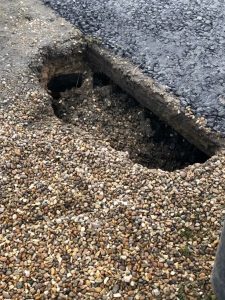
ALS Landscaping is shameless when it comes to its tools. They love nothing more than getting out the big guns, known fondly as ‘Vera’ their vibrating plate compactor. We are aware of others in the trade that may not give this stage the attention it deserves, but at ALS we always compact our sub-base hardcore levels to the correct compaction level. If you’re determined that your driveway will not end up like the image below, get in touch with us today.

 

Driveway hole

3. Foundations

The Issue – Poor Foundations

Improperly installed foundations are one of the main reasons your driveway will sink.

The Solution – British Standard Foundations

When it comes to the depth of the foundations required for your new driveway, there are several factors to consider, including, but not limited to, the length and width of the driveway, the average vehicle type, and the number of vehicles that will be using it, as well as the type of ground the driveway is going to be constructed on. Excavating six to eight inches for your typical driveway is adequate, but in some cases, it may be necessary to excavate up to one foot, as was the case with this project where ALS Landscaping excavated to 300mm deep before installing and compacting the hardcore sub-base to ensure that this driveway is future-proofed against sinking.

According to the National House Building Council (NHBC) building standards 2022, regulation 10.2 (6), the construction of private drives and car parking areas should be constructed in accordance with Table 2d. At ALS Landscaping, and as an award-winning Brett-approved installer, our work is regularly checked to ensure that we exceed British Standards. You know you’re in safe hands.

4. Weight

The Issue – Excessive Weight

If you’re constantly parking heavy vehicles on your driveway, it can cause it to sink over time.

The Solution – Fit for Purpose

At ALS Landscaping we understand that your new driveway is an investment that you expect to last. That’s why we always undertake a full site inspection, prior to providing you with a quote, to ensure that your new driveway will not only complement your property and fit in the space available but will also be fit for purpose and stand the test of time. Prior to our site inspection, we’ll be asking you questions about how you’re intending to use your driveway, including the types and number of vehicles you be expecting to park on it. This will help us to ensure that we give you the best advice regarding driveway surfaces suitable for your specific needs, whether that’s block paving, resin bound, or more traditional surface finish, such as concrete and tarmacadam. We’ll ensure you get a driveway that’s built to last.

And last, but by no means least…

5.Tree Roots

The Issue – Tree Roots

If the roots of trees in the vicinity of your driveway have not been removed they can continue to grow underneath it and cause it to sink.

The Solution – Adequate Site Preparation

Fail to prepare…prepare to fail. Ensuring your driveway site is fully prepared is not only hard physical work but work that’s crucial if you want your driveway to last. ALS Landscaping takes extra care to remove hidden tree roots that otherwise will cause your driveway to sink. During our inspection visit we’ll let you know if there will be additional remedial work required by accessing the vicinity of your new driveway to determine if any existing trees are likely to cause future issues.

Summary

Having a new driveway installed is a significant investment. An investment that you want to make sure will stand the test of time and be fit for purpose. Don’t leave it to chance. Always use an approved installer like ALS Landscaping in Lincoln.

Interestingly there are no published figures available on how common sinking driveways are in the UK at the time of writing. The likelihood is that since this type of ‘issue’ isn’t generally covered by home insurance, the stats aren’t collated, and so the scale of how common this issue is remains unknown.

If you want to find out more about how we can future-proof your new driveway from sinking, get in touch with ALS Landscaping today. Our team is waiting for your call!


Will A Driveway Add Value To My Property?

YES. Installing a driveway will add value to your property.

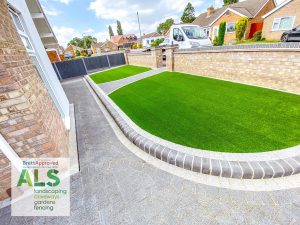
Driveway in Lincoln installed by ALS Driveways
Driveway in Lincoln installed by ALS Driveways.

The value of your property will increase (on average) anywhere between 2% and 10% (2022) when you have a new driveway installed. The increase in value will depend on the location of the property, the materials used, the size, and the impact of the kerb appeal.

In this guide, we look at whether a new driveway will add value to your home, whether that’s for resale purposes, or because you’ve made the decision to stay put. As expert driveway installers we’ve seen and installed everything from a basic concrete driveway to an all-singing and dancing resin-bound driveway, expertly edged with contrasting block paving.

Keep reading to find out how and why a driveway will add value (regardless of the upfront costs).


Is It Worth Getting A New Driveway?

A new driveway is an affordable home improvement. When it comes to adding value to your home, it’s not the first item on the list of recommended improvements, nor the one that necessarily will add the most value, but it will add value. In today’s economic climate, anything that adds value is worth considering.

Before taking the plunge and booking your driveway installation for 2023 look at the street, cul-de-sac, avenue, or lane outside your home. Are there plenty of on-street parking spaces, or do you find yourself leaving work early just so you can get a space somewhere relatively close to where you live? If it’s the second option, then installing a driveway should be moving up your ‘wanted’ list of renovations rapidly.

Imagine no longer having to mow the front lawn. Stop there for a second. Not only will it save you a good few hours a year watering, fertilising, weeding, and maintaining your perfectly manicured lawn (to keep up with the Jones’s next door), your new driveway will be virtually maintenance-free. If you’re looking for a way to save precious time, you might just have found the solution! You’ll also be doing the environment a favour too by not adding chemicals to the mix.

Now picture this. You’ve just done the BIG shop. No, the BIG shop. It’s still 2022 remember, and you haven’t got a driveway (yet). You’re late. It’s cold, and it’s snowing. There are no parking spaces available in your street. Nope. No parking spaces available on the next street either.

Do you:

  1. Leave the BIG shop in the car, and hope it stops snowing soon (so you can come back later)?
  2. Stay in the car (with the heater still turned on) hoping it stops snowing soon (and hoping the frozen food doesn’t start to defrost)?
  3. Make two (no three) trips with the BIG shop back to the house (and wish you’d had the driveway installed sooner)?

Joking aside. We’ve all been there. At some point, we’ve all tried hard to manifest that elusive parking space. Having your own driveway means that you never have to worry about finding a space when getting home from the BIG shop again.

An article published by John Minnis Property in June 2022, quoted research conducted by Ideal Homes. They found that 84% of homeowners looking to buy a new home, said that not having a driveway could be a deal breaker which means that only 16% of the respondents questioned would buy a house without one. You can read the full article here. If selling your home is something you’re considering, installing a driveway could be the solution to getting a premium price and a quick sale.

Could A Driveway Save Me Money?

Great question! It’s another YES. Having a new driveway installed could save you money. Most insurers reduce your policy premium if you park your car on a driveway overnight. And in the last paragraph, we talked about saving money too. Where on-street parking is limited, you may need to purchase a residential parking permit; some of these are in excess of £1,000 per annum. That’s another saving right there.


Is Having A Driveway Safer?


YES. It’s safer for your car AND your children. A well-lit driveway acts as a natural deterrent to car thieves; if there’s an easier target parked on the road, that will always be their first choice. More cars are stolen and broken into when parked on the street. Having your car parked where you can ‘see’ it overnight, and where your CCTV cameras can capture any motion, will always make your car less of a target.

If your home is on a busy street, and you have children, getting them into the car safely on the street can be a hazard that’s worth avoiding. It’s not just about worrying about oncoming vehicles, you also need to make sure you’ve got enough room to open the doors wide enough to get the children out safely. Then there’s the hassle of swapping the car seats into another household vehicle when the need arises. Having your own driveway will give you all the room you need to keep everyone safe.


Summary


Having a driveway installed will add more than just value to your property. It will add convenience, kerb appeal, and safety. It will also save you time and money. It’s always a good idea to do some research, as with any home improvement – remember to ask your local estate agents for their advice. We’ve yet to install a driveway that didn’t add value!

At ALS Landscaping our mission is to provide YOU with the driveway of your dreams, amongst other things. And in our usual way, we’re NOT afraid to tell you the truth about whether having a new driveway installed will add value to your property.

ALS Landscaping is different. We’re experts and we’ve been installing driveways for more than twenty years. We’re Premier Brett Approved installers, which means that when you trust us to install your driveway you get more than just a dream driveway, it comes with a ten-year product guarantee and a five-year installation guarantee! Click the image below to find out more.


If you’re ready to get in touch, complete the quote request here and we’ll be in touch.