How Summer Changes the Way You Use Your Driveway

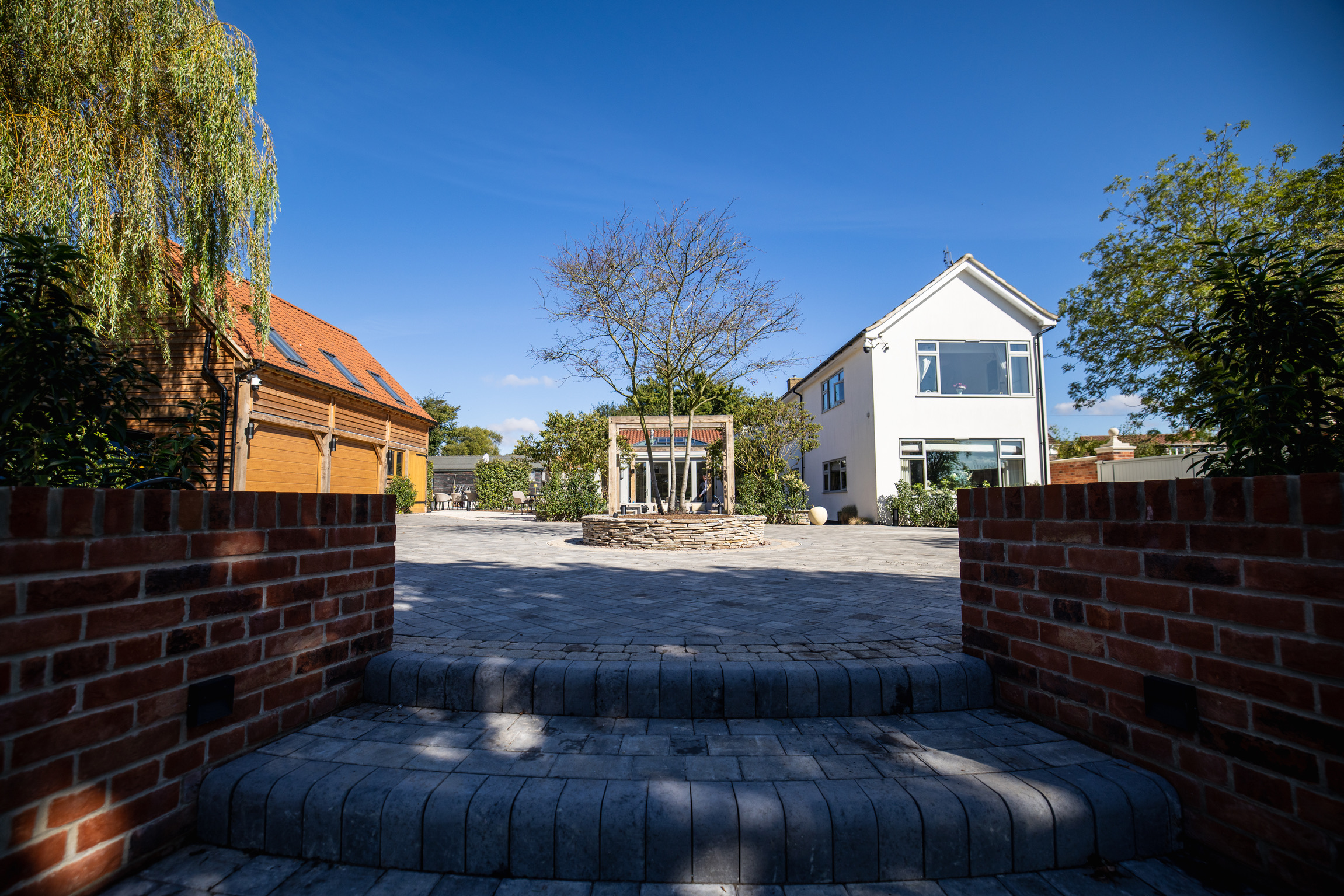
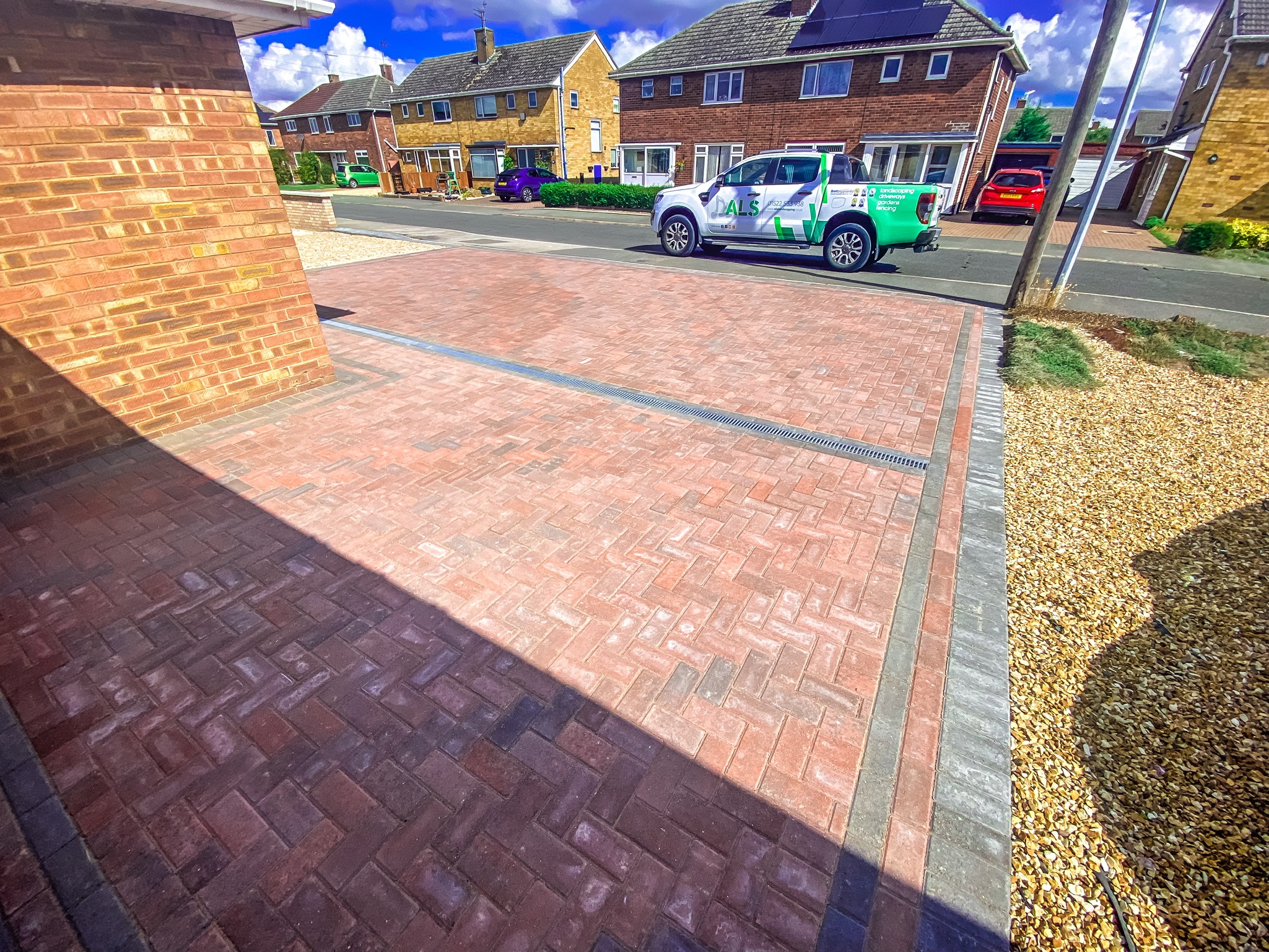
How summer changes the way you use your driveway isn’t something most people think about until the warmer weather arrives. Throughout the winter, your driveway is often little more than somewhere to park before heading indoors. However, once the days become longer and the temperatures rise, it quickly becomes one of the busiest parts of your property.

From family gatherings and weekend barbecues to packing for holidays and welcoming visitors, your driveway suddenly has to work much harder. At the same time, the way you move around your home changes too. You may find yourself using the front of your property more often, noticing little frustrations that weren’t obvious during the colder months.

Summer offers the perfect opportunity to take a fresh look at how your driveway supports your lifestyle and whether there are simple improvements that could make everyday life easier.

At a Glance

If you don’t have time to read the full blog, here’s what you need to know:

  • Summer often changes how you use your driveway, from hosting visitors to packing for holidays.
  • Increased use can highlight issues with parking, layout and accessibility that go unnoticed during the rest of the year.
  • Small improvements, such as tidying borders, improving parking layouts or refreshing planting, can make a noticeable difference.
  • Summer is one of the best times to assess whether your driveway still meets your family’s changing needs.
  • Planning improvements now means you’ll be ready before the wetter autumn and winter months arrive.

Why Does Your Driveway Feel Busier in Summer?

For many households, summer naturally means spending more time outdoors. Friends and family visit more often, children are home from school and outdoor spaces become an extension of the home.

As a result, your driveway may be used for:

  • welcoming visitors
  • unloading suitcases before and after holidays
  • parking additional vehicles
  • storing bicycles and outdoor equipment
  • receiving more deliveries
  • accessing gardens more frequently

These changes often highlight how well, or how poorly, your driveway functions on a daily basis.

Is Your Driveway Making Everyday Life Easier?

Summer has a way of exposing practical issues that are easy to overlook during the rest of the year.

Perhaps visitors struggle to park safely. Maybe you’re constantly moving vehicles so someone can get out. Or perhaps there’s simply not enough room for bikes, bins and everyday family life.

These aren’t necessarily signs that your driveway has reached the end of its life. However, they may suggest that its layout no longer reflects the way you use your home.

If you’ve started noticing these frustrations, our blog Is Your Driveway Still Fit for Purpose? Signs Your Family Has Outgrown It explores some of the common signs that your driveway may no longer meet your household’s needs.

Could Your Driveway Create a Better First Impression?

Summer is also when your home’s exterior receives the most attention.

Neighbours spend more time outdoors, visitors arrive more frequently and many homeowners tackle improvement projects while the weather is favourable.

A clean, well-designed driveway creates an immediate impression before anyone even reaches the front door.

Simple improvements might include:

  • refreshing driveway edging
  • removing weeds and moss
  • tidying borders
  • cleaning the surface
  • replacing tired planting

Small changes can often make a significant difference to your property’s overall appearance.

If you’re thinking about enhancing the space around your driveway as well as the driveway itself, our colleagues at ALS Landscaping have published ideas on creating attractive front gardens that complement your home’s entrance.

Are You Making the Most of the Space You Have?

One of the biggest misconceptions about driveways is that solving parking problems always requires more space.

In reality, many issues are caused by layout rather than size.

For example:

  • Could vehicles be parked more efficiently?
  • Would a different shape improve access?
  • Is there unused space that could work harder?
  • Could better borders improve manoeuvring?

Sometimes a thoughtful redesign delivers a much more practical driveway without increasing its overall footprint.

How Do Holidays Affect the Way You Use Your Driveway?

Summer holidays often place additional demands on your driveway.

Cars may be loaded with luggage, roof boxes or bicycles before setting off, while neighbours or family members may temporarily use your parking space to help keep an eye on your property.

When you return home, the process starts all over again.

If these moments feel stressful rather than straightforward, it may be worth asking whether your current driveway is supporting your lifestyle as effectively as it could.

Is This a Good Time to Plan Improvements?

Although many of our customers waited until autumn or winter to think about replacing a driveway, summer is often the ideal time to start planning.

The longer days make it easier to assess how your driveway performs, while increased outdoor use helps identify any shortcomings.

You may discover that you’d benefit from:

  • a more practical layout
  • additional parking space
  • improved access
  • better drainage
  • a surface that’s easier to maintain

Planning ahead also gives you more time to consider different materials and designs before making a decision.

If you’re weighing up the options, our blog Choosing the Best Driveway Materials for Lincoln’s Climate explains the advantages of the most popular driveway surfaces and what makes each one suitable for different homes.

Looking Beyond This Summer

The best driveway isn’t simply one that looks good today. It should continue to support your household as your needs change.

Perhaps your children will soon be learning to drive. Maybe you’re considering an electric vehicle or planning improvements to your front garden. Whatever the future holds, it’s worth thinking about whether your driveway will continue to work for you in the years ahead.

Making thoughtful improvements now can help avoid more significant changes later.

Conclusion

Summer changes the way you use your driveway in ways that often go unnoticed until your home becomes busier. More visitors, more time outdoors and more everyday activity all place greater demands on one of the hardest-working parts of your property.

Rather than seeing your driveway simply as somewhere to park, think about how well it supports the way you live. If it makes everyday life easier, improves your home’s appearance and adapts to your family’s changing needs, it’s doing exactly what it should.

If not, this summer could be the perfect time to start planning for the future.

Thinking About Improving Your Driveway?

If this summer has highlighted that your driveway no longer works as well as it could, now is a great time to start planning ahead. Whether you’re looking for additional parking, a more practical layout or a complete transformation, taking the time to explore your options now can help you make an informed decision.

The team at ALS Driveways is always happy to offer advice and discuss the best solution for your property. Get in touch to arrange a free, no-obligation quotation.


FAQs

Why does my driveway seem busier during the summer?

Warmer weather means more visitors, family activities, holidays and time spent outdoors, all of which increase how often your driveway is used.

Can changing my driveway layout improve parking?

Yes. In many cases, improving the layout can make parking easier without needing to increase the overall size of your driveway.

Is summer a good time to plan a new driveway?

Yes. Summer gives you the opportunity to see how your driveway performs during one of the busiest times of the year, making it easier to identify improvements that would benefit your home.

Planning for an Electric Vehicle? What You Should Consider First

Planning for an electric vehicle is about much more than choosing the right car. If you’re considering making the switch, it’s worth taking a closer look at your driveway too. While many homeowners focus on charging points and running costs, your driveway plays a vital role in how convenient, safe and future-proof EV ownership will be.

With electric vehicle ownership continuing to grow across the UK, more households are installing home chargers and adapting their properties to suit changing lifestyles. However, not every driveway is ready for the transition. From parking layouts to charging cable safety, a little planning now can save time, money and inconvenience later.

Whether you’re buying your first electric vehicle or preparing for the future, here’s what you should consider before upgrading your driveway.

Why Does Your Driveway Matter When Planning for an Electric Vehicle?

Most electric vehicle owners charge their cars at home, making your driveway an important part of everyday life.

Unlike filling up at a petrol station once a week, charging often becomes part of your daily routine. That means your vehicle needs to be parked where charging is convenient, safe and doesn’t create hazards for your family or visitors.

According to the Office for Zero Emission Vehicles (OZEV), home charging remains the most convenient and cost-effective option for many EV owners.

If your current driveway makes parking awkward, now could be the perfect opportunity to rethink its layout before installing a charger.

Is Your Current Parking Layout Working?

Many driveways were designed years ago when households typically owned one or two smaller vehicles.

Today, many families have:

  • two or three cars
  • larger SUVs
  • visiting family members
  • delivery vehicles
  • tradespeople requiring access

Adding an electric vehicle into the mix can highlight problems that already exist.

Ask yourself:

  • Can you park close enough to your home?
  • Will charging cables reach safely?
  • Do you have enough room to open doors comfortably?
  • Will another vehicle block access?

If the answer to any of these is no, your driveway may benefit from redesigning before installing a charger.

Where Should a Home Charger Be Installed?

One of the most common mistakes homeowners make is choosing the charger location before thinking about how they actually park.

Ideally, your charger should be:

  • close to your usual parking position
  • easily accessible
  • protected from accidental knocks
  • positioned to avoid trailing cables across walkways

The Energy Saving Trust recommends thinking carefully about where you park most often before arranging installation.

Planning the charger and driveway together usually creates a much more practical solution.

Could Charging Cables Become a Trip Hazard?

Charging cables shouldn’t cross public footpaths or regularly stretch across areas where people walk.

Doing so can create:

  • trip hazards
  • damage to cables
  • inconvenience for neighbours
  • unnecessary wear

If your existing driveway layout means cables would need to cross pathways, it may be worth redesigning the parking area before installing charging equipment.

A small change to your driveway layout could make charging much easier for years to come.

Is It Worth Future-Proofing Your Driveway?

Even if you’re only buying one electric vehicle today, it’s worth thinking ahead.

Many households are expected to own more than one electric vehicle over the next decade. Consequently, installing a driveway that only accommodates one charging point may limit your options later.

Future-proofing could include:

  • leaving space for an additional charger
  • widening parking areas
  • improving vehicle access
  • planning for larger vehicles

Thinking ahead now could help avoid unnecessary disruption in the future.

Can a Driveway Upgrade Improve Property Value?

A well-designed driveway has always been an attractive feature for prospective buyers. Increasingly, however, buyers are also considering whether a property is ready for electric vehicle ownership.

Features that may become more desirable include:

  • off-road parking
  • convenient charging access
  • practical parking layouts
  • sufficient turning space

If you’re already considering improving your driveway, it makes sense to think about both today’s needs and tomorrow’s expectations.

Our blog Will A Driveway Add Value To My Property? explores why practical off-road parking continues to be one of the most desirable features for homeowners.

Should You Upgrade Your Driveway Before Buying an EV?

Not every homeowner needs a completely new driveway before buying an electric vehicle.

However, if you’ve already been thinking about replacing an ageing, damaged or impractical driveway, combining both projects can often be more cost-effective.

It also allows you to:

  • design around your charging point
  • improve drainage if required
  • increase parking space
  • enhance kerb appeal at the same time

Our blog Paving the Way: Your No-Nonsense Guide to Driveway Decisions explains some of the key factors homeowners should consider when planning a new driveway.

What Should You Ask Your Driveway Installer?

Before work begins, it’s worth discussing your future plans with your installer.

Questions to ask include:

  • Can the driveway accommodate EV charging?
  • Is additional ducting worth installing?
  • Will the layout still work if we buy a second EV?
  • Is there enough room for larger vehicles?
  • How can we future-proof the design?

A good installer will help you think beyond today’s requirements and create a driveway that continues to meet your needs for many years.

Conclusion

Planning for an electric vehicle isn’t just about choosing the right charger or comparing battery ranges. Your driveway plays an equally important role in making EV ownership straightforward and convenient.

By thinking about parking, charging, future expansion and everyday practicality, you’ll be better prepared for the changes that electric vehicles bring.

Whether you’re upgrading your driveway now or simply planning ahead, taking a long-term view can help ensure your investment continues to work for you well into the future.

If you’re considering improving your driveway before making the switch to an electric vehicle, the team at ALS Driveways Lincoln will be happy to discuss the options available.

FAQs

Do I need a new driveway before buying an electric vehicle?

Not necessarily. However, if your current driveway is difficult to access or doesn’t allow convenient charging, it’s worth considering improvements before installing a home charger.

Where should an EV charger be installed?

Ideally, it should be close to where you normally park, allowing you to charge safely without cables crossing walkways or creating trip hazards.

Will an EV-ready driveway add value to my home?

As electric vehicles become more common, practical off-road parking with convenient charging access is likely to become increasingly attractive to future buyers.

Is Your Driveway Still Fit for Purpose? Signs Your Family Has Outgrown It

Is your driveway still fit for purpose? It’s a question many homeowners don’t think to ask until everyday parking becomes a frustration.

When you first moved into your property, your driveway may have been perfectly adequate. However, families grow, lifestyles change and vehicle ownership often increases over time. What once felt spacious can suddenly become cramped, inconvenient and impractical.

While most people associate a new driveway with improving kerb appeal, there are times when functionality becomes the more important consideration. If you’re constantly juggling vehicles, struggling to park or finding your driveway no longer meets your household’s needs, it may be time to consider whether your current layout is still working for you.

What Does “Fit for Purpose” Actually Mean?

A driveway isn’t just somewhere to leave a car. It should work efficiently for your household, provide safe access to your property and support your day-to-day lifestyle.

A driveway that was suitable ten years ago may not be suitable today if:

  • your household now owns more vehicles
  • children have reached driving age
  • you’re working from home more often
  • you regularly have visitors
  • you’ve purchased larger vehicles

As lifestyles change, the way you use your driveway changes too.

Are You Constantly Moving Vehicles Around?

One of the clearest signs your driveway may no longer be fit for purpose is the daily vehicle shuffle.

If one vehicle regularly blocks another, you may find yourself moving cars several times a day just to get in and out.

This can become particularly frustrating when:

  • family members leave at different times
  • someone works shifts
  • visitors arrive unexpectedly
  • deliveries need access

What starts as a minor inconvenience can quickly become an ongoing source of frustration.

Has Your Household Grown Since You Moved In?

Many driveways were designed when households typically owned one or two vehicles. Today, it’s increasingly common for homes to have three or more.

For example:

  • parents may each have a vehicle
  • older children may own their own cars
  • company vehicles may need parking
  • recreational vehicles may require additional space

As a result, parking arrangements that once worked perfectly can become overcrowded.

If you’re considering how a driveway upgrade could improve your property’s functionality, our blog Will A Driveway Add Value To My Property? explains why practical parking space remains highly desirable for homeowners and buyers alike.

Is Parking Affecting Your Kerb Appeal?

A driveway that no longer meets your needs can affect more than convenience.

Cars parked partly on lawns, overflowing onto pathways or squeezed into unsuitable spaces can reduce the overall appearance of your property.

Even a well-maintained driveway can look cluttered if it simply isn’t large enough for the number of vehicles using it.

That’s one reason why many homeowners choose to redesign rather than simply repair an ageing driveway.

Our blog Top 5 Driveway Designs for 2024: Enhancing UK Homes with Style and Function explores how modern driveway layouts can improve both appearance and practicality.

Are Larger Vehicles Creating Problems?

Vehicle sizes have increased significantly over the years.

Many modern SUVs, vans and family vehicles take up considerably more space than older models. Consequently, a driveway that comfortably accommodated two cars a decade ago may feel noticeably tighter today.

Common issues include:

  • reduced manoeuvring space
  • blocked pathways
  • difficulty opening doors fully
  • restricted garage access

If parking feels more difficult than it used to, the problem may not be your driving. It could simply be that your driveway wasn’t designed for modern vehicle sizes.

Have You Started Working From Home?

The rise in remote and hybrid working has changed how many households use their driveways.

Cars that once left the property every weekday may now remain parked for much longer periods. In addition, tradespeople, deliveries and visitors may require more frequent access.

According to the Office for National Statistics, hybrid working remains a significant part of working life for many people across the UK.

As a result, parking arrangements that worked before 2020 may no longer be ideal today.

Could Your Driveway Support Future Needs?

A driveway shouldn’t just meet your current needs. Ideally, it should also support future changes.

Questions worth considering include:

  • Will your children soon need parking spaces?
  • Are you planning to buy another vehicle?
  • Could you require electric vehicle charging in future?
  • Are you likely to remain in the property long term?

Thinking ahead can help ensure any future driveway investment continues to provide value for years to come.

Is Safety Becoming an Issue?

An overcrowded driveway can sometimes create safety concerns.

For example:

  • reduced visibility when reversing
  • pedestrians sharing limited space with vehicles
  • blocked access routes
  • increased trip hazards

The Royal Society for the Prevention of Accidents (RoSPA) highlights the importance of maintaining safe visibility and access around residential driveways.

If parking arrangements feel awkward or unsafe, it may be worth reviewing whether the layout is still serving your household effectively.

How Do You Know When It’s Time for an Upgrade?

There isn’t a fixed point at which every homeowner should upgrade their driveway.

However, if you regularly experience:

  • parking frustration
  • limited space
  • poor vehicle access
  • safety concerns
  • difficulty accommodating visitors

then it may be worth exploring your options.

Sometimes a redesigned layout can create significantly more usable space without requiring a much larger area.

Our blog Paving the Way: Your No-Nonsense Guide to Driveway Decisions explains some of the key considerations homeowners should think about before making improvements.

Conclusion

Is your driveway still fit for purpose? If your family, vehicles or lifestyle have changed significantly since your driveway was installed, the answer may be no.

While appearance remains important, practicality often becomes the deciding factor. A driveway that works well for your household can improve convenience, safety and day-to-day living while also enhancing the overall appeal of your property.

If you’re finding that your driveway no longer meets your needs, now could be the perfect time to explore ways of making it work harder for your family.

How to Keep Your Driveway Looking Its Best in Summer Heat

Keep your driveway looking its best in summer heat and you’ll help protect both its appearance and long-term performance. While winter often gets the blame for driveway damage, warmer weather can create its own set of challenges.

During summer, driveways are exposed to higher temperatures, stronger UV rays and increased use from family gatherings, visitors and outdoor activities. Over time, this can affect both the appearance and condition of the surface.

Fortunately, a few simple maintenance steps can make a significant difference. By staying on top of seasonal care, homeowners can keep their driveway looking clean, attractive and well-maintained throughout the warmer months.

Why Is Summer Heat Hard on Driveways?

Many homeowners assume summer is the easiest season for driveway maintenance. However, prolonged heat and sunshine can gradually affect certain materials.

Strong UV exposure may contribute to fading over time, particularly on darker surfaces. In addition, hot weather can make dust, tyre marks and general surface wear more noticeable.

According to the Met Office summer weather overview, the UK has experienced increasingly warm summers in recent years, with heatwaves becoming more common.

This means summer driveway maintenance is becoming more important than ever.

How Can You Keep Your Driveway Looking Its Best in Summer Heat?

One of the simplest ways to keep your driveway looking its best in summer heat is through regular cleaning.

Over time, driveways can collect:

  • dust and dirt
  • tyre marks
  • food and drink spills
  • leaves and garden debris
  • pollen and airborne particles

Sweeping regularly prevents debris from building up and helps maintain the appearance of the surface.

If you’re unsure which surface is best suited to long-term durability, our blog Which Driveways Last The Longest? explores how different driveway materials perform over time.

Should You Be Concerned About Weeds During Summer?

Summer provides ideal growing conditions for weeds, especially in block paving joints, driveway edges and small surface gaps.

If left untreated, weeds can quickly affect the appearance of a driveway and may contribute to minor surface movement over time.

To reduce weed growth:

  • remove weeds early
  • keep edges tidy
  • sweep regularly
  • replace jointing sand where necessary

Maintaining clean joints and edges helps keep the entire driveway looking more polished throughout summer.

Can Summer Heat Cause Surface Fading?

Depending on the material, prolonged exposure to sunlight can gradually affect colour and appearance.

This doesn’t necessarily mean the driveway is damaged, but homeowners may notice certain areas appearing lighter or more weathered over time.

Modern driveway materials are generally designed to withstand UK weather conditions. However, quality installation and material choice still play a major role in long-term appearance.

Our blog Which Type Of Driveway Is The Best? explains how different driveway surfaces compare in terms of durability, maintenance and appearance.

Why Is Summer the Perfect Time to Check for Small Issues?

Summer provides excellent conditions for inspecting your driveway.

Dry weather makes it easier to spot:

  • small cracks
  • loose edging
  • uneven areas
  • drainage concerns
  • worn sections

Identifying minor issues early often helps prevent larger repairs later in the year.

In addition, any maintenance work can usually be completed more easily during periods of settled weather.

Does Summer Rain Still Affect Driveways?

Although summer is generally drier than winter, sudden heavy downpours and thunderstorms can still create problems.

Blocked drainage channels or poorly draining surfaces often become more noticeable when intense rainfall follows long dry spells.

The Environment Agency flood risk service highlights the importance of understanding how water behaves around your property.

Good drainage remains essential throughout the year, regardless of the season.

How Can You Improve Kerb Appeal During Summer?

Summer is one of the best times to improve the appearance of your driveway because outdoor spaces naturally become more visible.

Simple improvements can include:

  • cleaning the driveway surface
  • tidying borders
  • removing weeds
  • refreshing planting around the driveway
  • checking lighting features

Even relatively small changes can have a noticeable impact on the overall appearance of your property.

Our blog Eco-Friendly Driveway Choices explores design ideas that can help you create a more attractive entrance to your property and have a positive impact on the environment.

When Should You Consider Professional Advice?

While routine maintenance can address many common issues, some signs may suggest it’s time for professional advice.

These include:

  • recurring cracks
  • persistent drainage problems
  • noticeable sinking
  • surface deterioration
  • significant colour loss

Addressing these issues early may help prevent more extensive work later.

If you’re considering upgrading your driveway, our blog Paving the Way: Your No-Nonsense Guide to Driveway Decisions explains some of the key factors homeowners should consider before making a decision.

Conclusion

Keep your driveway looking its best in summer heat and you’ll help protect its appearance, functionality and lifespan.

While warmer weather may seem less damaging than winter conditions, heat, weeds, UV exposure and increased usage can all affect driveway surfaces over time.

By cleaning regularly, monitoring for small issues and staying on top of seasonal maintenance, homeowners can keep their driveway looking attractive throughout summer and beyond.

If you’d like advice on driveway maintenance, repairs or upgrades, the team at ALS Driveways Lincoln are always happy to help.

Eco-Friendly Driveway Choices

Eco-friendly driveway choices are becoming increasingly popular with homeowners who want to improve their property while also considering sustainability and long-term environmental impact. Modern driveways are no longer judged purely on appearance or durability. Increasingly, homeowners are thinking about drainage, material lifespan and how their driveway affects the environment around their home.

As weather patterns across the UK continue to change, sustainable driveway solutions are becoming more important than ever. Heavy rainfall, surface water management and environmentally conscious home improvements are now key considerations for many households.

Fortunately, modern driveway materials and installation methods offer a wide range of eco-friendly options that combine practicality, appearance and sustainability.

Why Are Eco-Friendly Driveway Choices Becoming More Popular?

Eco-friendly driveway choices are becoming more common because homeowners are more aware of how outdoor surfaces affect drainage and the local environment.

Traditional impermeable driveways can contribute to surface water runoff, especially during periods of heavy rain. When rainwater cannot drain naturally into the ground, it increases pressure on local drainage systems.

The Planning Portal guidance on paving front gardens explains that permeable surfaces are encouraged because they help manage rainwater more effectively and reduce the risk of flooding.

At the same time, homeowners are increasingly looking for materials that last longer, require less maintenance and support more sustainable property improvements.

What Are the Best Eco-Friendly Driveway Choices?

Several modern driveway materials are considered more environmentally friendly than traditional impermeable surfaces.

Popular eco-friendly driveway choices include:

  • resin-bound driveways
  • permeable block paving
  • gravel driveways
  • porous asphalt systems

These surfaces allow rainwater to pass through naturally, helping to reduce standing water and surface runoff.

Resin-bound driveways have become particularly popular because they combine permeability with a clean, modern appearance.

If you’re comparing options, our blog Choosing the Right Driveway for Your Home This Spring explains how different driveway materials perform in terms of durability, drainage and appearance. 

How Do Eco-Friendly Driveway Choices Improve Drainage?

Drainage is one of the biggest environmental benefits of modern driveway systems.

Permeable surfaces allow water to soak naturally into the ground rather than flowing directly into public drainage systems. This helps reduce pressure during periods of heavy rainfall.

The UK Government sustainable drainage guidance highlights the importance of surface water management in modern property design.

Good drainage can also help prevent:

  • standing water
  • moss and algae growth
  • erosion around driveway edges
  • long-term surface wear

Our blog How Spring Rain Can Affect Your Driveway (And What to Watch For) explains why effective drainage is essential for long-term driveway performance.

Are Recycled Materials Used in Eco-Friendly Driveway Choices?

Some eco-friendly driveway choices now incorporate recycled or reclaimed materials during installation.

For example:

  • recycled aggregates may be used within the sub-base
  • reclaimed edging materials can reduce waste
  • some permeable systems include recycled stone components

The Waste and Resources Action Programme (WRAP) encourages greater use of recycled construction materials to improve sustainability within the building industry.

Although not every installation uses recycled products, interest in sustainable construction methods continues to grow.

Can Eco-Friendly Driveway Choices Still Look Stylish?

Eco-friendly driveway choices are no longer limited to purely practical designs.

Modern permeable driveways are available in a wide range of colours, textures and finishes, allowing homeowners to combine sustainability with visual appeal.

Popular design features include:

  • contrasting borders
  • decorative edging
  • curved layouts
  • integrated landscaping
  • contemporary colour finishes

Our blog Top 5 Driveway Designs for 2024: Enhancing UK Homes with Style and Function explores how modern driveway design can improve both appearance and practicality. 

Do Eco-Friendly Driveway Choices Require More Maintenance?

Many homeowners assume sustainable driveways require more maintenance, but this is not necessarily true.

In fact, many eco-friendly driveway choices are designed to be low maintenance while still providing excellent drainage performance.

Routine maintenance typically includes:

  • sweeping away debris
  • occasional surface cleaning
  • checking drainage areas remain clear
  • removing weeds if necessary

If properly installed, permeable driveways can remain attractive and effective for many years with relatively straightforward maintenance.

Why Are Eco-Friendly Driveway Choices a Good Long-Term Investment?

Eco-friendly driveway choices can provide several long-term benefits beyond environmental improvements.

These may include:

  • reduced drainage problems
  • lower maintenance requirements
  • improved kerb appeal
  • better compliance with modern drainage guidance
  • increased property attractiveness to buyers

As sustainability becomes more important to homeowners, environmentally conscious driveway installations are likely to become even more desirable in the future.

If you’re considering whether upgrading your driveway is worthwhile, our blog Will A Driveway Add Value To My Property? explains how driveway improvements can deliver long-term value. 

Conclusion

Eco-friendly driveway choices are becoming an increasingly important consideration for modern homeowners. Sustainable materials, improved drainage and environmentally conscious installation methods can all help reduce the impact a driveway has on the surrounding environment.

At the same time, modern eco-friendly driveway solutions continue to offer excellent durability, appearance and practicality.

By choosing the right materials and ensuring proper installation, homeowners can create a driveway that not only looks impressive but also performs responsibly for years to come.

If you are exploring sustainable driveway options, the team at ALS Driveways Lincoln are always happy to help.

FAQs

What are the most eco-friendly driveway choices?

Permeable surfaces such as resin-bound driveways, gravel and permeable block paving are among the most eco-friendly driveway options.

Why are permeable driveways better for the environment?

They allow rainwater to drain naturally into the ground, reducing surface water runoff and helping manage flooding risk.

Do eco-friendly driveways last as long as traditional driveways?

Yes. When professionally installed and properly maintained, eco-friendly driveways can provide excellent long-term durability.

Landscaping Around Your Driveway

Landscaping around your driveway can dramatically improve the overall appearance of your property. While many homeowners focus solely on the driveway surface itself, the surrounding space plays a major role in how polished and cohesive the finished result looks.

A beautifully installed driveway can lose some of its impact if it is bordered by untidy edges, sparse planting or poorly considered front garden design. On the other hand, thoughtful landscaping around your driveway can elevate the entire front of your home, improve kerb appeal and create a more welcoming entrance.

With spring in full swing and gardens beginning to flourish, May is the ideal time to consider how landscaping can complement your driveway and maximise visual impact.

Why Is Landscaping Around Your Driveway Important?

Landscaping around your driveway helps frame the space and create a more intentional, premium finish.

Without landscaping, even a high-quality driveway can look incomplete. Borders, planting and hard landscaping features soften the edges of the driveway and help it blend naturally into the rest of the property.

In addition, well-planned landscaping can:

  • improve kerb appeal
  • add colour and visual interest
  • enhance drainage around the driveway
  • create clearer separation between driveway and garden
  • increase perceived property value

According to the Royal Horticultural Society’s front garden design guidance, front garden landscaping plays a significant role in creating attractive, functional entrances to residential properties.

What Plants Work Best for Landscaping Around Your Driveway?

Choosing the right planting is essential when landscaping around your driveway.

Plants should enhance the appearance of the space without obstructing vehicles, pathways or visibility.

Popular choices include:

  • low-growing evergreen shrubs
  • ornamental grasses
  • lavender and other drought-tolerant plants
  • compact flowering perennials
  • structured topiary for formal designs

When selecting plants, it’s worth considering long-term maintenance requirements as well as seasonal appearance.

Should You Add Borders When Landscaping Around Your Driveway?

Borders are one of the most effective ways to improve landscaping around your driveway.

A well-defined border helps separate the driveway from lawns, flower beds or pathways while creating a more finished appearance.

Popular border options include:

  • block paving edging
  • brick soldier courses
  • stone setts
  • raised planter edging

Borders can also help prevent gravel or soil from spilling onto the driveway surface.

If you’re planning a new driveway, our blog Choosing the Right Driveway for Your Home This Spring explores how design details can influence the final look of the installation.

Can Landscaping Around Your Driveway Improve Drainage?

Landscaping around your driveway is not purely aesthetic. Done correctly, it can also improve drainage.

Planting beds and permeable borders can help absorb surface water, while thoughtful grading can direct rainfall away from the driveway.

The UK Government guidance on sustainable drainage systems highlights the benefits of integrating drainage-conscious landscaping into property design.

This is particularly valuable for homes that experience pooling water near driveway edges.

How Can Lighting Enhance Landscaping Around Your Driveway?

Lighting is often overlooked when landscaping around your driveway, yet it can significantly improve both appearance and practicality.

Options include:

  • low-level pathway lighting
  • uplighting for planting features
  • driveway edge lighting
  • wall-mounted entrance lighting

Lighting not only enhances aesthetics in the evening but can also improve safety and visibility.

Our blog Innovative Driveway Solutions: How Smart Technology is Changing the Game explores modern lighting and smart driveway features in more detail.

What Mistakes Should You Avoid When Landscaping Around Your Driveway?

To achieve the best results, avoid common mistakes such as:

  • overplanting too close to the driveway
  • choosing plants that grow too large
  • blocking drainage routes
  • ignoring maintenance requirements
  • creating borders that clash with the driveway style

Successful landscaping should complement the driveway rather than compete with it.

Why May Is the Perfect Time for Landscaping Around Your Driveway

May offers ideal conditions for landscaping work.

Warmer temperatures and improving soil conditions make it easier to establish planting, while the spring season provides homeowners with a clear view of how their front garden can be improved ahead of summer.

Landscaping during May also allows plants time to establish before the hotter summer months.

Conclusion

Landscaping around your driveway is one of the most effective ways to maximise the visual impact of your property’s entrance. By combining thoughtful planting, attractive borders and practical design features, homeowners can create a driveway area that feels polished, welcoming and well considered.

Whether you’re installing a new driveway or simply improving an existing one, landscaping can make a substantial difference to the final result.

If you are planning driveway improvements this spring, the team at ALS Driveways Lincoln are always happy to help.


FAQs

What plants are best for landscaping around a driveway?

Low-growing shrubs, ornamental grasses and drought-tolerant perennials work well around driveways.

Can landscaping improve driveway drainage?

Yes. Planting beds and permeable borders can help absorb water and improve drainage.

Should driveway borders match the driveway material?

They don’t have to match exactly, but they should complement the overall design for a cohesive look.

Choosing the Right Driveway for Your Home This Spring

Choosing the right driveway is an important decision for any homeowner, particularly in spring when many people begin planning improvements to their property. After assessing winter wear and considering whether an upgrade is needed, the next step is selecting a driveway that suits both your home and your lifestyle.

However, choosing the right driveway is not simply about appearance. It also involves understanding how different materials perform, how they handle drainage, and how well they stand up to daily use.

With a wide range of options available, taking the time to choose carefully can make a significant difference to both the look and longevity of your driveway.


What Should You Consider When Choosing the Right Driveway?

Choosing the right driveway starts with understanding your specific needs. Every property is different, and what works well for one home may not be suitable for another.

Key factors to consider include:

  • how often the driveway is used
  • the number and type of vehicles
  • drainage requirements
  • the style of your property
  • long-term maintenance expectations

In addition, local planning considerations may also play a role. The UK Planning Portal explains that certain driveway surfaces must meet drainage requirements to avoid the need for planning permission.


Which Driveway Materials Are Most Popular in the UK?

When choosing the right driveway, understanding the most common materials can help narrow down your options.

Some of the most popular choices include:

Block Paving
A versatile option that offers a traditional look and allows for easy repairs.

Resin-Bound Driveways
A modern, permeable surface that provides a smooth finish and excellent drainage.

Tarmac Driveways
A durable and cost-effective solution that performs well under regular use.

Gravel Driveways
A budget-friendly option with natural drainage benefits, although it requires ongoing maintenance.

Each material has its advantages, and the best choice depends on how the driveway will be used.


How Important Is Drainage When Choosing the Right Driveway?

Drainage plays a critical role when choosing the right driveway. Poor drainage can lead to standing water, which may cause long-term damage to the surface.

Gov.UK has a Draining & Surface Water Guide that highlights the importance of sustainable drainage systems in managing surface water effectively.

Permeable driveway materials are designed to allow water to pass through the surface, reducing the risk of pooling and helping to manage rainfall more efficiently.

If drainage has been an issue with your current driveway, this is an important factor to prioritise when selecting a new surface.


Should You Prioritise Appearance or Durability?

Choosing the right driveway often involves balancing appearance with durability.

While a driveway should complement the look of your home, it also needs to withstand daily use and changing weather conditions.

For example:

  • lighter surfaces may show marks more easily
  • darker finishes can hide wear but may fade over time
  • textured surfaces provide grip but may require more cleaning

It is important to choose a driveway that not only looks good initially but continues to perform well over time.

If improving your property’s appearance is a priority, our blog Selling Your Home? How a New Driveway Could Help You Close the Deal Faster explains how driveway upgrades can influence kerb appeal and property value.


How Does Budget Affect Choosing the Right Driveway?

Budget is naturally an important consideration when choosing the right driveway.

Costs can vary depending on:

  • the material selected
  • the size of the area
  • ground preparation requirements
  • drainage solutions
  • design features such as borders or patterns

While it may be tempting to choose the lowest-cost option, it is often worth considering long-term value. A higher-quality installation may reduce maintenance costs and last longer.

For a detailed breakdown, our guide Is a New Driveway Worth the Investment? Key Factors to Consider explores the financial side of driveway upgrades.


Why Spring Is the Ideal Time for Choosing the Right Driveway

Spring is one of the best times to choose and install a new driveway. The weather is generally more stable, and conditions are suitable for ground preparation and installation work.

In addition, starting the process in spring allows homeowners to:

  • secure installation dates before peak demand
  • complete work ahead of summer
  • enjoy the benefits of a new driveway sooner

The Met Office spring weather overview notes that improving conditions during spring make it a practical time for outdoor projects.


What Mistakes Should You Avoid When Choosing the Right Driveway?

When choosing the right driveway, there are a few common mistakes to avoid:

  • focusing only on appearance
  • overlooking drainage requirements
  • underestimating usage demands
  • choosing materials based on short-term cost
  • not considering long-term maintenance

Taking a balanced approach helps ensure the driveway meets both practical and aesthetic needs.

If you are exploring modern options, our blog Innovative Driveway Solutions: How Smart Technology is Changing the Game highlights new features homeowners are now considering.

Conclusion

Choosing the right driveway is an important step for any homeowner looking to improve their property this spring. By considering factors such as materials, drainage, durability and budget, it is possible to select a driveway that meets both practical needs and visual expectations.

Taking the time to make the right decision now can help ensure long-term performance and reduce future maintenance issues.

If you are planning a new driveway this year, the team at ALS Driveways Lincoln are always happy to offer advice and help you explore the best options for your home.


FAQs

What is the best driveway material for UK homes?

The best material depends on usage, drainage and budget, but resin, block paving and tarmac are popular choices.

Do I need planning permission for a new driveway?

In many cases no, but permeable surfaces are recommended to meet drainage regulations.

How long does a new driveway last?

Most driveways last many years, depending on the material, installation quality and maintenance.

Signs It’s Time to Upgrade Your Driveway This Year

Upgrade your driveway is something many homeowners start thinking about as spring arrives. After months of winter weather followed by early spring rain, this time of year often reveals how well your driveway has held up.

While some surfaces continue to perform well, others begin to show signs of wear that are harder to ignore. Cracks may become more visible, drainage issues more noticeable, and the overall appearance may start to impact your home’s kerb appeal.

However, knowing when to upgrade your driveway is not always straightforward. Some issues can be repaired, while others suggest that a full upgrade may be the better long-term option.

In this guide, we’ll look at the key signs that indicate it may be time to upgrade your driveway this year.

What Are the Clear Signs You Should Upgrade Your Driveway?

Upgrade your driveway becomes a consideration when multiple issues begin to appear at once rather than a single isolated problem.

For example, you may notice:

  • cracks spreading across the surface
  • uneven areas developing
  • water pooling after rainfall
  • fading or worn appearance

When several of these signs appear together, it often indicates that the surface has reached the end of its lifespan.

According to the NHBC homeowner guidance, external surfaces naturally deteriorate over time due to weather exposure and regular use.

Can Driveway Cracks Be Repaired or Do They Mean It’s Time to Upgrade Your Driveway?

Small cracks can often be repaired. However, larger or recurring cracks may suggest deeper structural issues.

If cracks continue to reappear after repairs, it could indicate problems with the sub-base beneath the surface.

In these cases, choosing to upgrade your driveway may provide a more durable and long-term solution.

If you are unsure, our guide Is a New Driveway Worth the Investment? Key Factors to Consider explains how to assess whether upgrading is the right decision.

Why Do Drainage Problems Often Lead Homeowners to Upgrade Their Driveway?

Drainage issues are one of the most common reasons homeowners choose to upgrade their driveway.

If water regularly pools on the surface, it can gradually weaken materials and create ongoing maintenance issues.

The CIRIA SuDS Manual highlights the importance of effective drainage systems in managing surface water and protecting paved areas.

Modern driveway installations often include permeable materials or built-in drainage solutions that prevent water from collecting.

Does Appearance Matter When You Upgrade Your Driveway?

Appearance plays a bigger role than many homeowners expect. A worn or outdated driveway can affect the overall look of your property.

As spring arrives, homeowners often spend more time outdoors, making kerb appeal more noticeable.

If your driveway looks tired, faded or uneven, upgrading can significantly improve the overall appearance of your home.

Our blog Maximising Kerb Appeal Before the Dark Nights Set In explains how driveway improvements can enhance your property’s exterior.

How Does Spring Make It Easier to Upgrade Your Driveway?

Spring is one of the best times to upgrade your driveway. Weather conditions are generally more stable, and installation work can be planned more efficiently.

In addition, starting the process early in the season allows homeowners to avoid peak demand later in the year.

The Planning Portal provides guidance on driveway planning considerations, including permeable surfaces and drainage requirements.

What Should You Consider Before You Upgrade Your Driveway?

Before making a decision, it’s important to consider a few key factors:

  • the condition of your current driveway
  • how you use the space
  • drainage requirements
  • long-term durability
  • overall budget

Taking these into account helps ensure the new driveway meets both practical and aesthetic needs.

If you are exploring options, our blog Innovative Driveway Solutions: How Smart Technology is Changing the Game highlights modern features homeowners are now choosing.

Conclusion

Upgrade your driveway is a decision many homeowners face as spring begins. While some issues can be repaired, others indicate that a full upgrade may be the more effective long-term solution.

By recognising the signs early, you can plan improvements at the right time and avoid ongoing maintenance problems.

A well-designed driveway not only improves functionality but also enhances the overall appearance of your home.

If you are considering upgrading your driveway this year, the team at ALS Driveways Lincoln are always happy to offer advice and help you explore the best options.


FAQs

How do I know if I should upgrade my driveway?

If your driveway has multiple issues such as cracks, drainage problems and surface wear, it may be time to upgrade.

Is spring a good time to install a new driveway?

Yes. Spring offers more stable weather conditions and better availability for installation work.

Can driveway drainage problems be fixed without replacing it?

In some cases yes, but persistent issues may require a full upgrade to resolve properly.


How Spring Rain Can Impact Your Driveway

How Spring Rain Can Impact Your Driveway (And What to Watch For)

Spring rain driveway impact is something many homeowners don’t think about until problems start to appear. After a long winter, March often brings increased rainfall across the UK, and this change in weather can reveal how well your driveway is coping.

While a well-installed driveway is designed to handle water, persistent rain can highlight weaknesses such as poor drainage, surface wear or underlying structural issues.

Understanding how spring rain affects your driveway allows you to spot early warning signs and take action before small issues develop into larger problems.

How Does Spring Rain Driveway Impact Become Visible?

Spring rain driveway impact often becomes noticeable once heavier and more consistent rainfall arrives. During winter, frozen ground and lower rainfall levels can mask drainage issues. However, as temperatures rise and rainfall increases, these issues become easier to spot.

According to the Met Office overview of UK spring weather, March and April often bring a mix of rain and milder temperatures, which can place additional pressure on outdoor surfaces.

As a result, driveways may begin to show:

  • standing water after rainfall
  • darker patches where moisture lingers
  • areas that take longer to dry
  • minor surface movement

Can Spring Rain Cause Drainage Problems?

One of the most common effects of spring rain driveway impact is poor drainage.

If water is not able to drain away properly, it may begin to collect on the surface. Over time, this can affect both the appearance and condition of the driveway.

The UK Government guidance on sustainable drainage systems (SuDS) explains that managing surface water is essential to reduce flood risk and prevent long-term damage to outdoor surfaces.

When checking your driveway, look for:

  • puddles that remain after rain
  • water flowing towards your property
  • blocked drainage channels
  • overflow from nearby areas

If drainage issues are persistent, our blog Why Permeable Paving is the Future of Driveway Design explains how modern surfaces help manage rainfall effectively.

How Does Spring Rain Impact Driveway Surfaces?

Spring rain driveway impact is not limited to drainage. It can also affect the surface itself.

When water repeatedly sits on a driveway, it can gradually weaken certain materials. This is especially true if small cracks or gaps are already present.

Over time, homeowners may notice:

  • cracks becoming more visible
  • jointing sand washing away in block paving
  • gravel shifting or spreading unevenly
  • slight dips forming in high-use areas

These changes often develop gradually, which is why early detection is important.

If you notice these issues, our guide Driveway Repair vs Replacement: How to Make the Right Decision can help you assess the next steps.

Why Water Is the Biggest Long-Term Risk to Driveways

Water is one of the main causes of driveway deterioration over time.

When moisture repeatedly enters the surface and underlying layers, it can gradually weaken the structure. This is particularly relevant in the UK, where rainfall is frequent throughout the year.

The British Geological Survey highlights that soil types and ground conditions across the UK can influence how water behaves beneath surfaces, which can affect stability.

This is why proper installation, including a solid sub-base and effective drainage, is essential for long-term durability.

What Homeowners Should Do To Avoid Spring Rain Impact

Fortunately, there are simple steps homeowners can take to reduce the impact of spring rain.

During wetter periods, it is worth:

  • checking drainage channels regularly
  • clearing debris from the driveway surface
  • monitoring areas where water collects
  • avoiding parking on consistently saturated areas if possible

These small actions can help prevent moisture from causing further damage.

When to Consider Improvements

Spring rain driveway impact can sometimes highlight issues that have developed over time.

If problems such as poor drainage, uneven surfaces or repeated water pooling continue, it may be worth considering improvements.

For example, you might explore:

  • upgrading to permeable paving
  • improving drainage systems
  • resurfacing worn areas
  • redesigning the layout for better water flow

If you’re thinking about making changes, get in touch with us today.


Conclusion

Spring rain driveway impact is something every homeowner should be aware of as the seasons change. Increased rainfall can reveal drainage issues, highlight surface wear and expose areas that may need attention.

By checking your driveway regularly and responding to early warning signs, you can prevent minor issues from becoming more serious problems.

Taking action during March helps ensure your driveway remains safe, functional and ready for the months ahead.

If you would like advice on improving drainage or upgrading your driveway, the team at ALS Driveways Lincoln are always happy to help.


FAQs

Can heavy rain damage a driveway?

Yes. Persistent rain can highlight drainage issues and gradually weaken certain driveway surfaces.

Why does water pool on my driveway?

Water pooling is usually caused by poor drainage, uneven surfaces or blocked channels.

What is the best way to improve driveway drainage?

Options include clearing drainage channels, installing proper drainage systems or using permeable paving.

Spring Driveway Cleaning: Refresh After Winter

Spring driveway cleaning is one of the most effective ways to restore your driveway after the long winter months. By March, most driveways across Lincolnshire have been exposed to weeks of damp weather, frost and debris, all of which can leave surfaces looking tired and worn.

As temperatures begin to rise and daylight hours increase, this is the ideal time to give your driveway a proper clean. Not only does this improve appearance, but it also helps prevent longer-term damage caused by trapped moisture, moss and dirt.

Fortunately, spring driveway cleaning does not need to be complicated. With the right approach, homeowners can quickly refresh their driveway and prepare it for the months ahead.

Why Spring Driveway Cleaning Is Important After Winter

Spring driveway cleaning is important because winter leaves behind more than just visible dirt. Moisture, grit and organic debris can build up over time, particularly during colder months.

According to the Met Office guidance on frost, repeated freezing and thawing can leave surfaces more vulnerable to moisture penetration. As a result, debris left on the surface can trap water and contribute to gradual wear.

Cleaning your driveway in early spring helps to:

  • remove debris that holds moisture
  • reduce the risk of moss and algae growth
  • improve surface appearance
  • highlight any areas that may need attention

What Should Be Removed During Spring Driveway Cleaning?

The first step in spring driveway cleaning is to clear away anything that has accumulated over winter.

This typically includes:

  • leaves and organic debris
  • road grit carried in by tyres
  • mud and soil build-up
  • early moss or algae growth

Even a simple sweep can make a noticeable difference. Removing this layer allows the surface to dry properly and makes further cleaning more effective.

If winter has caused visible surface issues, our guide Driveway Repair vs Replacement: How to Make the Right Decision explains what to look for and when action may be needed.

Is Pressure Washing Safe for Spring Driveway Cleaning?

Pressure washing is a popular method for spring driveway cleaning, but it needs to be used carefully.

While it can remove stubborn dirt and algae, using too much pressure may damage certain surfaces. For example:

  • block paving joints can be disturbed
  • resin surfaces can be weakened if misused
  • tarmac can be marked or worn

The CIRIA SuDS Manual highlights the importance of protecting permeable surfaces so they continue to function properly.

If using a pressure washer, it is best to:

  • use a moderate setting
  • keep a consistent distance from the surface
  • avoid prolonged focus on one area

How to Deal With Moss and Algae During Spring Driveway Cleaning

Moss and algae are common after winter, particularly in shaded or damp areas.

Spring driveway cleaning should include removing these growths before they spread further. Moss can make surfaces slippery and may trap additional moisture against the driveway.

To manage moss and algae:

  • brush affected areas thoroughly
  • use a suitable driveway cleaner if needed
  • avoid harsh chemicals that may damage the surface

Regular cleaning throughout spring can help prevent regrowth.

Don’t Forget About Drainage Areas

Spring driveway cleaning should also include checking drainage.

During winter, drainage channels can become blocked with debris. As a result, water may not flow away from the driveway as effectively.

HMRC flood guidance advises keeping drainage routes clear to reduce surface water risks.

Check that:

  • drainage channels are free from debris
  • water flows away from the property
  • no standing water remains after rain

If drainage problems persist, our blog Why Permeable Paving is the Future of Driveway Design explains how modern driveway solutions can help manage rainfall more effectively.

When to Consider Further Maintenance

Spring driveway cleaning often highlights areas that may need further attention.

For example, you may notice:

  • small cracks becoming more visible
  • uneven sections of paving
  • areas where water collects
  • surface wear from vehicle use

While not all issues require immediate repair, identifying them early allows homeowners to plan ahead.

If you are considering improvements, our guide Understanding the Costs of Driveway Installation and How to Budget provides useful insight into planning future work.

Conclusion

Spring driveway cleaning is a simple but effective way to refresh your driveway after winter. By removing debris, managing moss and checking drainage, homeowners can improve both the appearance and condition of their driveway.

Taking the time to carry out a proper clean in March also helps prepare your driveway for increased use during the warmer months.

If you would like advice on maintaining or upgrading your driveway, the team at ALS Driveways Lincoln are always happy to help.

FAQs

When should I clean my driveway after winter?

Early spring, particularly March, is the ideal time to clean your driveway after winter.

Is pressure washing safe for all driveways?

Not always. Some surfaces require a gentler approach to avoid damage.

How do I stop moss growing on my driveway?

Regular cleaning, good drainage and reducing moisture build-up can help prevent moss growth.