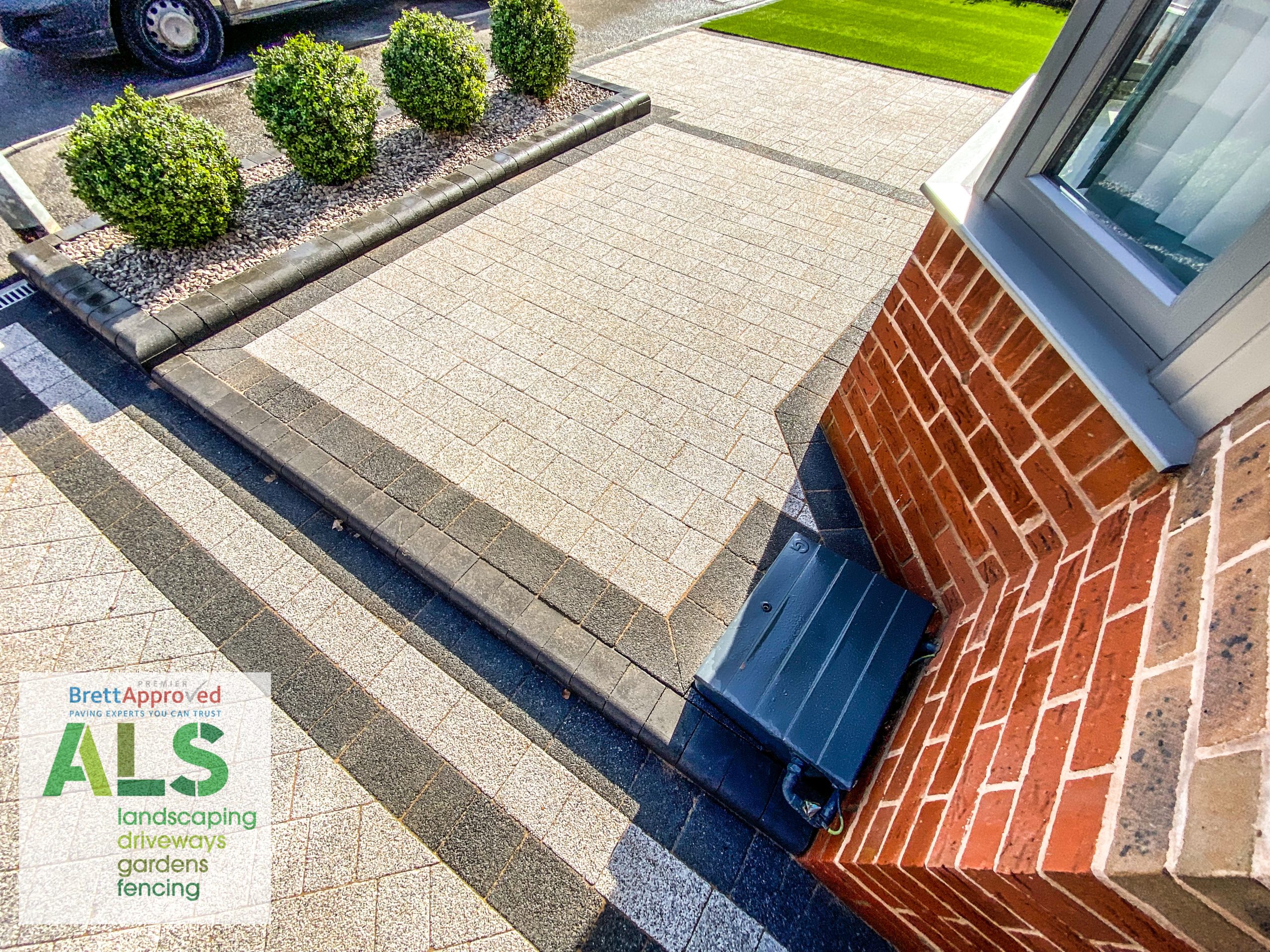
Why Permeable Paving is the Future of Driveway Design

In recent years, the humble driveway has undergone a transformation. No longer just a place to park your car, it’s now a statement of style, sustainability, and smart design. One of the most significant innovations leading this change is permeable paving. But what exactly is it, and why is it becoming the go-to choice for homeowners across the UK?

Understanding Permeable Paving

Permeable paving refers to a range of materials and techniques designed to allow water to pass through the surface, reducing runoff and promoting natural drainage into the ground below. Unlike traditional impermeable surfaces, which can contribute to flooding and water pollution, permeable options support sustainable water management practices.

This approach aligns with Sustainable Urban Drainage Systems (SuDS), which aim to manage rainfall in urban areas, reducing the risk of flooding and improving water quality.

The Benefits of Permeable Paving

1. Effective Water Management

With permeable paving, rainwater seeps through the surface, reducing runoff and promoting natural drainage into the ground below. This not only mitigates the risk of flooding but also helps replenish groundwater levels.

In fact, the UK government notes that permeable surfaces can significantly reduce the need for additional drainage systems, making them an environmentally friendly choice for homeowners. (Driveline Paving LTD)

2. Planning Permission Advantages

In the UK, if you’re paving over more than five square metres of your front garden with traditional, impermeable materials, you might need planning permission. However, permeable surfaces like gravel, permeable concrete block paving, or porous asphalt typically don’t require such permissions. (Planning Portal)

This means you can upgrade your driveway without the added hassle of navigating complex planning regulations.

3. Environmental Impact

Permeable paving supports sustainable urban drainage systems (SuDS), helping to reduce the risk of flooding and water pollution. By allowing water to filter through the comparative guidesurface, these systems can trap suspended solids and filter pollutants from stormwater.

Moreover, by reducing surface runoff, permeable paving helps prevent the overwhelming of sewer systems during heavy rainfall, a common issue in many urban areas.

4. Aesthetic Versatility

From resin-bound gravel to permeable concrete blocks, there’s a range of materials and colours to suit every home’s aesthetic. Whether you’re after a sleek modern look or a more traditional feel, permeable paving has got you covered.

For inspiration on how to enhance your driveway’s appearance, check out our previous blog on The Benefits of Permeable Driveway Paving: Eco-Friendly and Practical Solutions.

Popular Permeable Paving Options

Resin-Bound Gravel

A mixture of aggregate stones and resin, this surface is smooth, durable, and allows water to drain through effectively. It’s a flexible surfacing material, resistant to cracking, and conforms to SuDS standards.

Resin-bound gravel is also known for its low maintenance requirements and long-lasting finish, making it a popular choice among homeowners.

Permeable Concrete Block Paving

Designed with gaps to facilitate water infiltration, these blocks are both functional and visually appealing. They are suitable for areas with light vehicular traffic and can enhance the aesthetic appeal of your property.

This type of paving is particularly effective when combined with a well-designed sub-base that promotes efficient water drainage.

Porous Asphalt and Concrete

These materials have a porous structure that permits water to seep through, making them suitable for areas with heavy rainfall. They are commonly used on roads, paths, and parking lots subject to light vehicular traffic.

Porous asphalt and concrete are durable options that can withstand the UK’s variable weather conditions while providing effective drainage solutions.

Gravel

A cost-effective option, gravel driveways allow for excellent drainage but may require more maintenance to prevent displacement. Stabilised gravel, in particular, offers great drainage and can easily be altered and repaired.

For more on choosing the best driveway material for Lincoln’s climate, consider reading our comparative guide.

Maintenance Considerations

While permeable driveways may require periodic cleaning to prevent clogging, regular upkeep ensures long-term performance and appearance. For instance, resin-bound surfaces should be swept or power washed at least twice a year to avoid the build-up of detritus and prevent the growth of moss or algae.

Additionally, it’s advisable to inspect the paving annually for signs of wear or damage, addressing any issues promptly to maintain its effectiveness.

For a comprehensive guide on maintaining your driveway, refer to our blog on Maximising the Lifespan of Your Driveway: Maintenance and Enhancement Tips.

Conclusion

Permeable paving represents a significant advancement in driveway design, offering environmental benefits, regulatory compliance, and aesthetic versatility. As we look to build more sustainable communities, embracing such innovations is not just beneficial – it’s essential.

At ALS Driveways Lincoln, we’re committed to helping you make informed decisions about your driveway needs. Whether you’re considering a new installation or upgrading an existing one, our team is here to provide expert advice and quality service.

By integrating permeable paving into your driveway design, you’re not only enhancing the functionality and appearance of your property but also contributing to a more sustainable and environmentally friendly future.

How to Deal with Potholes and Cracks: Quick Fixes for Your Driveway

We’ve all seen them – those annoying potholes and cracks that suddenly appear in the middle of your once-smooth driveway. Whether it’s down to the relentless Lincolnshire rain, frost over winter, or just general wear and tear, surface damage is a common nuisance for homeowners. The good news? You don’t have to live with it – and in many cases, you don’t need a full driveway replacement either.

In this blog, we’ll explain what causes potholes and cracks, how to identify when it’s a quick fix vs a bigger job, and what you can do to put things right before the damage gets worse.


What Causes Potholes and Cracks in Driveways?

Driveways take a real beating throughout the year. From heavy vehicles and shifting soil, to freezing and thawing, there are several reasons you might start to see damage appearing.

Common causes include:

  • Freeze-thaw cycles: Water gets into small cracks, freezes, expands, and makes the damage worse.

  • Poor drainage: Standing water can soften tarmac or concrete and wash away sub-base material.

  • Heavy vehicles: Regular parking of large vans or delivery vehicles can cause depressions or breaks.

  • Old age: Even the best-laid driveway surfaces wear out eventually.

  • Poor installation: If the base wasn’t prepared properly, the surface may not hold up as well over time.

If you’re unsure whether repair or replacement is the best option, read our blog on Driveway Repair vs. Replacement: How to Make the Right Decision.


Spot the Signs Early: Don’t Wait for Damage to Spread

Most potholes and cracks don’t happen overnight. Often, there are early warning signs that give you time to step in before the damage gets worse.

Keep an eye out for:

  • Hairline cracks forming in the surface

  • Uneven areas or dips

  • Loose gravel or blocks

  • Small areas of crumbling tarmac

  • Water pooling in certain spots

Walk your driveway every couple of months, especially after winter or heavy rainfall. It’s a five-minute job that can save you hundreds in the long run.


Quick Fixes for Different Driveway Types

Here’s how to approach minor repairs depending on the surface you have.

Tarmac Driveways

Small cracks can be cleaned and filled with cold lay tarmac or tarmac repair kits, available from most DIY shops. For potholes, clean out the loose debris, apply a cold patch filler, and compact it with a tamper.

✔ Quick and easy
✔ Affordable
✖ May not blend perfectly with older tarmac
✖ Temporary fix if underlying drainage issues remain

Concrete Driveways

Cracks in concrete can be filled using a concrete crack filler or sealant. If your concrete has spalled (flaked or chipped), you might need a resurfacing product.

✔ Neat finish with the right product
✔ Helps prevent water getting in
✖ Doesn’t work well on deep structural damage

Block Paving

Loose or uneven blocks? Simply lift them, add fresh sharp sand to level the base, and re-lay the blocks. Refill the joints with kiln-dried sand to stop movement.

✔ Blocks can be replaced individually
✔ Great for DIYers
✖ Weeds and moss can return if joints aren’t sealed

Resin-Bound Gravel

Minor surface cracking in resin often requires professional help, but early-stage issues like loose stones or slight discoloration can sometimes be resolved with a gentle jet wash and re-broadcasting of aggregate.

✔ Seamless look when professionally repaired
✖ Difficult to DIY without affecting the finish


When a “Quick Fix” Isn’t Enough

While DIY repairs can patch things up, they’re not always a long-term solution. Sometimes, recurring cracks or large potholes are a sign of deeper issues — like failing sub-base or drainage problems.

You might need a full replacement if:

  • Cracks are spreading rapidly across the surface

  • Potholes keep reappearing in the same spot

  • Water sits on your driveway for long periods

  • The surface has deteriorated significantly over time

In these cases, it’s best to speak to a professional installer like ALS Driveways Lincoln, who can assess the damage and recommend the best course of action.


Preventing Future Damage: A Bit of Upkeep Goes a Long Way

Once you’ve sorted out the current issues, it pays to do a little ongoing maintenance to keep your driveway in tip-top shape.

Here’s what we recommend:

  • Sweep regularly: Clear leaves, dirt, and debris that hold moisture.

  • Clean stains: Oil, fuel, and rust stains weaken surface materials.

  • Seal surfaces: Tarmac and concrete benefit from resealing every few years.

  • Control weeds: Use a natural weed killer or re-sand joints in block paving.

  • Ensure good drainage: Avoid pooling water by keeping channels clear and slopes intact.

Our Maintenance Blog offers seasonal advice for keeping your driveway in great condition.


Conclusion

Potholes and cracks might seem like a minor annoyance at first, but left unchecked, they can lead to expensive repairs – or even full replacement. The good news is, with a bit of attention and a few handy fixes, you can extend the life of your driveway and keep it looking smart.

If you’re unsure whether your driveway can be saved with a simple repair, or if it’s time to start fresh, ALS Driveways Lincoln is here to help. Our friendly, experienced team can offer honest advice, expert installation, and practical solutions tailored to your needs.


FAQs:

Can I repair driveway cracks myself?
Yes, small cracks in concrete or tarmac can be filled with off-the-shelf products. Just make sure the area is clean and dry before you begin.

What causes potholes in driveways?
Potholes often form when water seeps into cracks, freezes, expands, and weakens the surface. Heavy use and poor drainage can make it worse.

Is it better to repair or replace a damaged driveway?
If the damage is minor and localised, repairs are usually sufficient. But if there are widespread issues or drainage problems, replacement may be the smarter choice.

How to Keep Your Driveway Safe and Slip-Free During Icy Conditions

As winter sets in, icy driveways can quickly become a hazard for you, your family, and visitors. From slips and falls to potential vehicle mishaps, icy conditions are not just inconvenient – they’re dangerous. Fortunately, with some preparation and the right techniques, you can keep your driveway safe, accessible, and slip-free throughout the winter months.

In this blog, we’ll explore practical tips to tackle ice on your driveway, from prevention methods to effective solutions for icy conditions. 

Why It’s Important to Keep Your Driveway Ice-Free

An icy driveway doesn’t just pose risks to people; it can also damage the surface itself. When water freezes, it expands, worsening any small cracks or gaps in your driveway. Over time, this leads to larger cracks, potholes, and costly repairs.

By keeping your driveway ice-free, you:

  • Enhance safety: Reduce the risk of slips and falls.
  • Protect your driveway: Minimise damage caused by freezing and thawing.
  • Ensure accessibility: Make it easier for vehicles and visitors to come and go safely.

1. Prepare Your Driveway Before Winter

The best way to manage icy conditions is to prepare your driveway before temperatures drop. Preventive measures can significantly reduce the risk of ice forming in the first place.

Steps to Prepare Your Driveway:

  • Inspect for Cracks: Repair any cracks or gaps in your driveway to prevent water from seeping in and freezing. Use a quality crack filler to seal them. Learn more about crack sealing from Asphalt Institute’s Crack Sealing Guide.
  • Seal the Surface: Applying a driveway sealant creates a protective barrier, making it harder for water to penetrate the surface. This is especially important for asphalt and concrete driveways.
  • Improve Drainage: Ensure your driveway has proper drainage to prevent water from pooling and freezing. If water collects in specific areas, consider installing drainage channels.

For tips on sealing your driveway, check out our blog on Seasonal Driveway Care.


2. Clear Snow Promptly

Snow left on your driveway can quickly compact into ice, making the surface slippery and more challenging to clear. Removing snow promptly is one of the simplest ways to prevent icy patches.

Tips for Clearing Snow:

  • Use the Right Shovel: Opt for a plastic or rubber-bladed shovel to avoid scratching your driveway’s surface. For expert snow removal advice, visit Shopping Expert to see which they consider to be the best snow shovels this year. 
  • Shovel in Layers: For heavy snowfalls, remove snow in layers to make the task more manageable.
  • Avoid Piling Snow Near Driveway Edges: Keep snow piles away from the driveway to prevent melted snow from refreezing overnight.

3. Use De-Icing Products Wisely

De-icing products can effectively melt ice, but some can damage your driveway or harm the environment. Choosing the right product is key to keeping your driveway safe without causing long-term issues.

Popular De-Icing Options:

  • Rock Salt: Widely used but can be harsh on concrete and the environment. Use sparingly, and avoid using on new concrete driveways.
  • Calcium Magnesium Acetate (CMA): An eco-friendly alternative that is less corrosive than traditional salts. Learn more about CMA from The Salt Association.
  • Sand or Grit: Provides traction without melting ice. While not a de-icer, it’s a safe option for slippery surfaces.

Always follow the manufacturer’s instructions and avoid over-applying de-icing products, as this can lead to residue build-up or driveway damage.

4. Add Traction to Your Driveway

Even with snow cleared and ice treated, adding extra traction can provide peace of mind, particularly on sloped driveways.

How to Add Traction:

  • Apply Grit: Sprinkle grit or sand over icy patches to create a non-slip surface.
  • Lay Mats or Rugs: Non-slip mats or outdoor rugs can be placed on high-traffic areas to provide additional grip.
  • Install Heated Driveway Mats: For a long-term solution, consider installing heated mats in key areas of your driveway.

5. Consider Installing a Heated Driveway

If icy driveways are a persistent problem for you, a heated driveway might be worth considering. These systems use electric or hydronic heating elements beneath the surface to melt snow and ice automatically.

Benefits of a Heated Driveway:

  • Convenience: No need for manual shovelling or de-icing.
  • Safety: Provides consistent protection against slips and falls.
  • Longevity: Prevents ice-related damage to the driveway’s surface.

Learn more about the pros and cons of heated driveways in bob vila’s Home Advice Guide.

6. Maintain Your Driveway Edges

Driveway edges are particularly vulnerable to ice build-up. If water runs off your driveway and collects along the edges, it can freeze and cause structural issues over time.

Tips for Protecting Edges:

  • Add edging materials, such as bricks or stone, to reinforce weak spots.
  • Regularly clear snow and debris from the edges to prevent ice from forming.

Learn how to strengthen your driveway with edging in our blog on Transforming Your Driveway with Decorative Borders and Edging.

7. Regularly Inspect and Maintain Your Driveway

Even with the best precautions, icy conditions can still take a toll on your driveway. Regular inspections will help you catch issues early, saving you money and hassle in the long run.

What to Look For:

  • New cracks or potholes caused by freezing and thawing.
  • Signs of pooling water or drainage issues.
  • Uneven surfaces or shifting edges.

For advice on inspections, see our blog on The Importance of Regular Driveway Inspections and How to Conduct Them.

Conclusion

Keeping your driveway safe and slip-free during icy conditions doesn’t have to be a challenge. By preparing your driveway before winter, clearing snow promptly, and using the right de-icing and traction solutions, you can enjoy a safer, stress-free season.

If your driveway needs repairs or upgrades to withstand winter weather, ALS Driveways Lincoln is here to help. From sealing and drainage solutions to full installations, we’ll ensure your driveway is ready for anything winter throws its way.

Contact us today to schedule a consultation and protect your driveway this winter.

FAQs:

  1. What’s the best way to prevent ice from forming on my driveway?
    Seal your driveway before winter, clear snow promptly, and ensure proper drainage to prevent water from pooling and freezing.
  2. Can I use salt on my concrete driveway?
    Salt can damage concrete over time, especially newer surfaces. Consider using eco-friendly de-icers like calcium magnesium acetate instead.
  3. How can I make my driveway less slippery in winter?

Add traction with grit, sand, or non-slip mats, and treat icy areas with a suitable de-icer. Regular snow removal also helps.

Renting Out Your Driveway in Lincoln: A Smart Way to Earn Extra Income

In today’s economic climate, finding additional sources of income can be incredibly helpful. One way homeowners in Lincoln are boosting their earnings is by renting out their driveways. If it’s something you haven’t already thought about, it’s definitely worth looking into. With platforms like JustPark and YourParkingSpace, it’s easier than ever to turn your unused parking space into a steady income stream. This blog explores the benefits, potential earnings, and important considerations of renting out your driveway in Lincoln.

The Benefits of Renting Out Your Driveway

1. Passive Income

Renting out your driveway can provide a steady source of passive income with minimal effort. Once your space is listed and bookings start coming in, you can earn money without having to actively manage the rental process.

2. Flexibility

You have complete control over when and how often you rent out your driveway. Whether you want to make it available during working hours, weekends, or specific events, you can set your own schedule to suit your needs.

3. Meeting Demand

In cities like Lincoln, where parking can be scarce, there is a consistent demand for convenient parking spaces. This demand can translate into a reliable income for you, especially if your driveway is located near popular destinations or transport links.

How Much Can You Earn?

The amount you can earn by renting out your driveway varies based on location, demand, and availability. According to JustPark, some hosts make over £4,000 per year, with the first £1,000 being completely tax-free under HMRC’s property income allowance. On average, people across the UK earn about £200 per month from renting out their parking spaces. 

If you have a driveway that you don’t use, or only use overnight, for example, then this could make a big difference to your income. As Tesco says, “Every little bit helps”.

Important Considerations

1. Legal and Tax Implications

While the first £1,000 of your earnings from renting out your driveway is tax-free, any income above this threshold must be declared to HMRC. Make sure you keep accurate records of your earnings and consult with a tax professional (if needed) to stay compliant. Landlord Today published a recent article which provides a more indepth look at what you need to know.

2. Terms and Conditions

Before listing your driveway, familiarise yourself with the terms and conditions of the platform you choose to use. Platforms like JustPark and YourParkingSpace charge a small fee for their services, usually around 3% of the rental price, and provide guidance on how to manage bookings effectively.

3. Security and Insurance

Consider the security of your property and the vehicles that will be parked on it. While platforms offer some level of security, you may want to check your home insurance policy to see if it covers renting out your driveway or if you need additional coverage.

How to Get Started

1. List Your Space

Sign up on a parking platform like JustPark or YourParkingSpace, and create a listing for your driveway. Provide clear details about the location, size, and availability of your space.

2. Set Your Price

Research similar listings in your area to set a competitive price. Remember, you can adjust this based on demand, such as higher rates during local events or peak times.

3. Manage Bookings

Once your listing is live, manage your bookings through the platform’s app or website. Make sure your space is accessible and provide clear instructions for renters.

Real-Life Examples

Many homeowners across the UK are already benefiting from renting out their driveways. For instance, residents in Luton are using their rental income to cover monthly bills, according to JustPark. In 2021, UK homeowners collectively earned £26 million by renting out their driveways according to Landlord Today.

Conclusion

Renting out your driveway in Lincoln is a practical and effective way to generate extra income. By taking advantage of the demand for parking spaces and using reliable platforms, you can turn an unused space into a valuable financial resource. Ensure you understand the legalities, set fair prices, and manage your bookings efficiently to maximise your earnings.

Haven’t got a driveway? No problem, if you’ve got the space, we can create it for you. Just get in touch with us today for a no obligation quote.

FAQs

  1. How much can I earn by renting out my driveway in Lincoln?

The amount you can earn depends on your location, demand, and availability. On average, UK residents earn about £200 per month by renting out their parking spaces. Some hosts make over £4,000 per year, with the first £1,000 being completely tax-free.

  1. Are there any legal or tax implications for renting out my driveway?

Yes, while the first £1,000 you earn from renting out your driveway is tax-free under HMRC’s property income allowance, any income above this threshold must be declared to HMRC. 

  1. How do I get started with renting out my driveway?

To get started, sign up on a parking platform like JustPark or YourParkingSpace and create a listing for your driveway.

The Journey to Your Maximising the Lifespan of Your Driveway: Maintenance and Enhancement Tips

At ALS Driveways, Lincoln we thought you’d appreciate our homeowner’s guide to extending life and enhancing the beauty of your driveway. Whether you’ve recently installed a new driveway or you’re looking to spruce up an existing one, maintaining its condition and appearance is key. Beyond just being a functional part of your home, a well-maintained driveway can boost curb appeal and even increase property value. In this guide, we’ll cover everything from seasonal maintenance to aesthetic enhancements that don’t just repair but improve your driveway.

Seasonal Maintenance Tips

Here’s a quick reminder of our Seasonal Driveway Care guide, click through to read the whole blog if you missed it, or you’re in need of some product suggestions.

Spring

This is always a tricky one. By April you’d think that we’ve seen the last of the snow, but in the UK, anything’s possible. This year, the April ‘showers’ are more stormy than we’ve seen in previous years too.

That said, Spring is an ideal time for a thorough cleaning. Remove debris and dirt accumulated over the winter months. Check for any damage caused by freeze-thaw cycles, such as small cracks or erosion, and address these issues as soon as you can to prevent them from worsening.


Summer

The heat of summer can be tough on driveways, especially asphalt which can become soft and pliable in high temperatures. Apply a sealcoat to protect the asphalt from UV rays, which can cause fading and deterioration. For concrete driveways, summer is a good time to apply a UV-protective sealant to prevent discoloration.


Autumn

Preparing your driveway for the colder months involves clearing leaves and debris, which might block drainage and cause water to pool and freeze as temperatures drop. This is also the perfect time to fill cracks and apply a fresh sealant if needed, as these maintenance tasks require mild temperatures to set properly.


Winter

Keep your driveway clear of ice and snow to minimise water seepage into cracks. Use eco-friendly de-icers that won’t degrade your driveway material. Regularly inspect the surface for any new damage caused by the cold and address these issues as soon as the weather allows.


Enhancing Your Driveway’s Aesthetic Appeal

Improving the look of your driveway goes beyond repairs. Consider bordering your driveway with complementary materials like cobblestone or brick to frame it beautifully. 

Landscaping alongside your driveway with flowers or shrubs can also enhance its appearance and appeal. Lighting is another critical aspect; consider solar or low-voltage landscape lighting to illuminate your pathway, which not only enhances safety but also adds a charming ambiance during the evenings. If you need some help with this, contact ALS Landscaping, Lincoln, they’re great at what they do!

Repair and Renovation Options

Addressing wear and tear promptly can prevent small issues from becoming costly repairs. For concrete driveways, use a polymer-based cement resurfacer to fill in cracks or holes. For asphalt driveways, patching holes and applying a liquid crack sealer is a quick fix that extends its life. If your driveway is nearing the end of its life, resurfacing might be a more cost-effective solution than a complete redo. Resurfacing involves removing the top layer of your driveway and replacing it, giving it a new look and extended lifespan without the full cost of a new driveway. If you’re not sure whether to repair or replace, get in touch, we’ll always give you our honest advice.

Upgrading Your Driveway

If your driveway has undergone numerous repairs or if it doesn’t suit your home’s aesthetics, upgrading might be the right choice and that’s where we come in! We’re the experts who can help you choose the materials that match your home’s style and your personal preferences. For instance, resin-bound driveways offer a smooth, durable finish with plenty of customisation options, while permeable paving solutions add eco-friendly elegance, allowing water to drain naturally and reduce runoff.

Still need convincing? Click the image below to see some of our latest projects.

Eco-Friendly Practices for Driveway Care

Sustainable practices are not only good for the planet but can also save you money in the long run. Opt for permeable materials that help manage stormwater, reducing runoff and the burden on local drainage. Regular maintenance using eco-friendly products extends the lifespan of your driveway while minimising environmental impact. For instance, instead of harsh chemicals, use vinegar or salt solutions for weed control and cleaning.

Conclusion

Your driveway is an integral part of your home’s exterior and, with the right care, can remain functional and attractive for many years. This guide provides you with the tools and knowledge to maintain, enhance, and possibly upgrade your driveway effectively. Remember, a little effort goes a long way in keeping your driveway in top condition, reflecting your home’s pride and aesthetic value.

FAQs

How Often Should I Seal My Driveway?

The frequency of sealing your driveway depends on the material and the amount of traffic it endures. For asphalt driveways, it’s recommended to apply a sealant every two to three years to prevent fading, cracking, and water damage. For concrete driveways, sealing every three to five years can help protect against stains and weather damage. Always check the condition of your driveway and the manufacturer’s recommendations on sealants for the best results.

What Are the Best Ways to Enhance the kerb Appeal of My Driveway?

Enhancing your driveway’s kerb appeal can be achieved by adding aesthetic and functional features. Consider framing your driveway with attractive edging materials like cobblestone or brick. Landscaping with flowers or decorative grasses along the sides can also add colour and texture. Installing lighting along the driveway not only improves safety but also adds a welcoming glow to your home in the evenings. These enhancements not only beautify your driveway but also increase the overall appeal of your property.

What Should I Do If My Driveway Starts Showing Signs of Wear?

Regular maintenance is key to extending the life of your driveway. For small cracks, use a polymer-based cement resurfacer for concrete driveways or a liquid crack sealer for asphalt driveways. If the damage is more extensive, consider resurfacing, which involves removing the top layer and replacing it with fresh material. This can rejuvenate your driveway without the need for a complete replacement. Always address wear and damage promptly to prevent small issues from becoming larger, more expensive problems. 

Festive Safety Tips for Your Driveway: A Comprehensive Guide

The festive season is a time of joy, celebration, and gatherings with friends and family for many, as well as a time to take a well earned break and relax. As homeowners or property developers, creating a welcoming and safe environment for guests, tenants, and passersby should be high up on the agenda. In this guide, we aim to equip you with the knowledge and tips to prepare your driveways and paths for the festive season.

Light Up Your Paths with Safety and Style

Lighting plays a key role in ensuring safety and adding a festive touch to your home. The right lighting not only prevents accidents by increasing visibility but also enhances the wow factor of your home or development. 

  • Choosing the Right Lighting: Opt for LED lights, which are energy-efficient and have a longer lifespan. Consider solar-powered options for an eco-friendly choice. Strategically place lights along pathways, steps, and around any obstacles to ensure clear visibility. Looking for more info on LED lighting? Check out our Innovative Driveway Technologies blog where we share more information.


  • Festive Lighting Options: Embrace the festive spirit with string lights, lanterns, or even projected lights for a touch of whimsy. Remember to keep the lighting tasteful and ensure it complements the overall look of your property.

Prioritise Slip-Resistance for Icy Conditions

In colder climates like the UK, driveways and paths can become hazardous due to ice and snow. Preventing slips and falls should be a top priority.

  • Materials Matter: If you’re thinking about having a new driveway installed, materials like resin-bound gravel or textured concrete offer better traction. For existing surfaces, anti-slip coatings can be applied to enhance safety. Slip Doctors suggest a number of solutions in their recent blog. 


  • Regular Maintenance: Remember to regularly check your driveway and paths for ice and snow buildup. If all else fails, make sure you’ve got some salt or grit handy. Lovelle Estate Agents have some great ‘home made’ solutions in their ‘How to keep your paths and driveway ice free’ blog. You might also want to invest in a snow-melting mat for high-traffic areas.

Signage and Accessibility for a Welcoming Entrance

This one is becoming a more common item on the ‘inclusive’ agenda. Clear signage and accessible paths ensure that everyone, including those with disabilities, can safely and easily navigate your property. It’s one that we will always cover at the design stage of a new installation.

  • Visibility of Signage: Make sure that your house number and any directional signs are well-lit and easily readable from the road. This is not only helpful for guests but also crucial for emergency services. It’s something we often forget, but important nonetheless. We like Etsy; the choices are endless, we’re sure you’ll find something just perfect.


  • Accessibility: For property developers, adding ramps and handrails where necessary is a thoughtful touch, as is making sure paths are wide enough to accommodate wheelchairs and pushchairs.

Embrace Innovative Driveway Technologies

The advancement in driveway technologies offers new ways to enhance safety and convenience. You can find out more about these in our Innovative Driveway Technology Guide.

  • The Smart Driveway Revolution: If it’s within budget, consider investing in a smart driveway system that includes features like heated surfaces to prevent ice formation and sensors for automatic lighting.


  • Benefits of Self-Repairing Driveways: Though still emerging, self-repairing driveways offer long-term durability by automatically fixing minor damages, thus maintaining a smooth and safe surface.

Consistent Maintenance is Key

Regular checks and maintenance of your driveway and paths can prevent many potential hazards.

  • Routine Inspections: Regularly inspect for any cracks, uneven surfaces, or loose paving stones. Addressing these issues promptly can prevent accidents and prolong the life of your driveway.


  • Effective Drainage: Make sure your driveway has proper drainage to prevent a build up of surface water, which can lead to ice formation in colder weather.

Inclusivity in Design

In our opinion, an inclusive design is not just considerate; it’s a necessity. Ensure your property is accessible to all guests, regardless of their physical abilities.

  • Practical Measures: Simple measures like ensuring a flat, even surface can make a big difference. Think about where you place any festive decorations so they don’t obstruct the path.

Safety in Festive Decorations

Decorations add to the festive spirit but should be arranged safely to avoid any hazards.

  • Secure All Decorations: Make sure all your festive decorations are securely fastened and won’t be dislodged by wind or passersby.


  • Electrical Safety: When using lights or electric decorations, make sure all cords and connections are safe and suitable for outdoor use.

Why Trust ALS Driveways in Lincoln?

At ALS Driveways Lincoln, we pride ourselves on our expertise and experience in creating safe, functional, and aesthetically pleasing driveways, patios and paths. Our team is dedicated to providing innovative solutions tailored to your specific needs, ensuring your property is not only safe but also reflects the festive cheer.

Wrapping It Up

Ensuring the safety, functionality, and visual appeal of your driveways and paths during the festive season requires thoughtful planning and execution. By following these tips and considering the latest in driveway technology, you can create a welcoming and secure environment for all your visitors. Remember, the festive season is a time of joy and celebration, and a well-prepared property is key to a successful and safe holiday season.

For more information on driveway safety, innovative designs, or to discuss your festive driveway makeover, feel free to reach out to us at ALS Driveways Lincoln. Let’s make your festive season both safe and spectacular!

FAQs

How can I make my driveway and paths safe and festive at Christmas?

To ensure safety and add a festive touch to your driveway and walkways, consider using LED lights for energy-efficient illumination, apply anti-slip coatings or spread grit/salt for icy conditions, and maintain clear signage for easy navigation. For more festive appeal, you can also add string lights, lanterns, or projected lights while ensuring they are securely fastened and electrically safe.

What are some innovative driveway technologies I can use for winter safety? 

Consider investing in a smart driveway system, which can include features like heated surfaces to prevent ice formation and sensors for automatic lighting. Self-repairing driveways are also emerging, offering long-term durability by automatically fixing minor damages and maintaining a smooth surface.

What are key maintenance tips for driveways and paths during the festive season? 

Regular maintenance is crucial. This includes routine inspections for any cracks or uneven surfaces, ensuring effective drainage to prevent water accumulation, and keeping paths clear of snow and ice. Inclusivity in design is also important, ensuring that your property is accessible to all guests, regardless of their physical abilities.