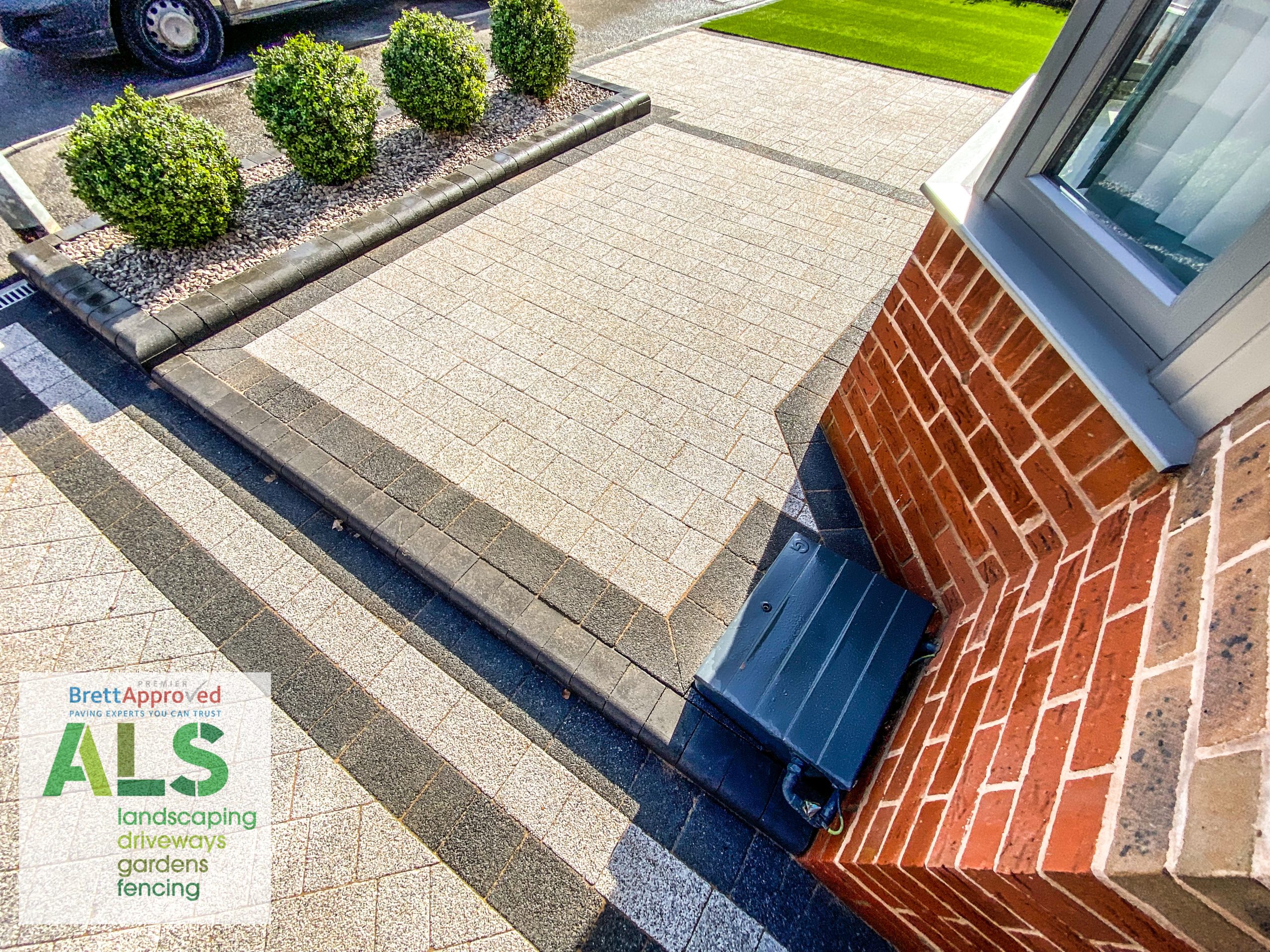
Why Permeable Paving is the Future of Driveway Design

In recent years, the humble driveway has undergone a transformation. No longer just a place to park your car, it’s now a statement of style, sustainability, and smart design. One of the most significant innovations leading this change is permeable paving. But what exactly is it, and why is it becoming the go-to choice for homeowners across the UK?

Understanding Permeable Paving

Permeable paving refers to a range of materials and techniques designed to allow water to pass through the surface, reducing runoff and promoting natural drainage into the ground below. Unlike traditional impermeable surfaces, which can contribute to flooding and water pollution, permeable options support sustainable water management practices.

This approach aligns with Sustainable Urban Drainage Systems (SuDS), which aim to manage rainfall in urban areas, reducing the risk of flooding and improving water quality.

The Benefits of Permeable Paving

1. Effective Water Management

With permeable paving, rainwater seeps through the surface, reducing runoff and promoting natural drainage into the ground below. This not only mitigates the risk of flooding but also helps replenish groundwater levels.

In fact, the UK government notes that permeable surfaces can significantly reduce the need for additional drainage systems, making them an environmentally friendly choice for homeowners. (Driveline Paving LTD)

2. Planning Permission Advantages

In the UK, if you’re paving over more than five square metres of your front garden with traditional, impermeable materials, you might need planning permission. However, permeable surfaces like gravel, permeable concrete block paving, or porous asphalt typically don’t require such permissions. (Planning Portal)

This means you can upgrade your driveway without the added hassle of navigating complex planning regulations.

3. Environmental Impact

Permeable paving supports sustainable urban drainage systems (SuDS), helping to reduce the risk of flooding and water pollution. By allowing water to filter through the comparative guidesurface, these systems can trap suspended solids and filter pollutants from stormwater.

Moreover, by reducing surface runoff, permeable paving helps prevent the overwhelming of sewer systems during heavy rainfall, a common issue in many urban areas.

4. Aesthetic Versatility

From resin-bound gravel to permeable concrete blocks, there’s a range of materials and colours to suit every home’s aesthetic. Whether you’re after a sleek modern look or a more traditional feel, permeable paving has got you covered.

For inspiration on how to enhance your driveway’s appearance, check out our previous blog on The Benefits of Permeable Driveway Paving: Eco-Friendly and Practical Solutions.

Popular Permeable Paving Options

Resin-Bound Gravel

A mixture of aggregate stones and resin, this surface is smooth, durable, and allows water to drain through effectively. It’s a flexible surfacing material, resistant to cracking, and conforms to SuDS standards.

Resin-bound gravel is also known for its low maintenance requirements and long-lasting finish, making it a popular choice among homeowners.

Permeable Concrete Block Paving

Designed with gaps to facilitate water infiltration, these blocks are both functional and visually appealing. They are suitable for areas with light vehicular traffic and can enhance the aesthetic appeal of your property.

This type of paving is particularly effective when combined with a well-designed sub-base that promotes efficient water drainage.

Porous Asphalt and Concrete

These materials have a porous structure that permits water to seep through, making them suitable for areas with heavy rainfall. They are commonly used on roads, paths, and parking lots subject to light vehicular traffic.

Porous asphalt and concrete are durable options that can withstand the UK’s variable weather conditions while providing effective drainage solutions.

Gravel

A cost-effective option, gravel driveways allow for excellent drainage but may require more maintenance to prevent displacement. Stabilised gravel, in particular, offers great drainage and can easily be altered and repaired.

For more on choosing the best driveway material for Lincoln’s climate, consider reading our comparative guide.

Maintenance Considerations

While permeable driveways may require periodic cleaning to prevent clogging, regular upkeep ensures long-term performance and appearance. For instance, resin-bound surfaces should be swept or power washed at least twice a year to avoid the build-up of detritus and prevent the growth of moss or algae.

Additionally, it’s advisable to inspect the paving annually for signs of wear or damage, addressing any issues promptly to maintain its effectiveness.

For a comprehensive guide on maintaining your driveway, refer to our blog on Maximising the Lifespan of Your Driveway: Maintenance and Enhancement Tips.

Conclusion

Permeable paving represents a significant advancement in driveway design, offering environmental benefits, regulatory compliance, and aesthetic versatility. As we look to build more sustainable communities, embracing such innovations is not just beneficial – it’s essential.

At ALS Driveways Lincoln, we’re committed to helping you make informed decisions about your driveway needs. Whether you’re considering a new installation or upgrading an existing one, our team is here to provide expert advice and quality service.

By integrating permeable paving into your driveway design, you’re not only enhancing the functionality and appearance of your property but also contributing to a more sustainable and environmentally friendly future.

How to Deal with Potholes and Cracks: Quick Fixes for Your Driveway

We’ve all seen them – those annoying potholes and cracks that suddenly appear in the middle of your once-smooth driveway. Whether it’s down to the relentless Lincolnshire rain, frost over winter, or just general wear and tear, surface damage is a common nuisance for homeowners. The good news? You don’t have to live with it – and in many cases, you don’t need a full driveway replacement either.

In this blog, we’ll explain what causes potholes and cracks, how to identify when it’s a quick fix vs a bigger job, and what you can do to put things right before the damage gets worse.


What Causes Potholes and Cracks in Driveways?

Driveways take a real beating throughout the year. From heavy vehicles and shifting soil, to freezing and thawing, there are several reasons you might start to see damage appearing.

Common causes include:

  • Freeze-thaw cycles: Water gets into small cracks, freezes, expands, and makes the damage worse.

  • Poor drainage: Standing water can soften tarmac or concrete and wash away sub-base material.

  • Heavy vehicles: Regular parking of large vans or delivery vehicles can cause depressions or breaks.

  • Old age: Even the best-laid driveway surfaces wear out eventually.

  • Poor installation: If the base wasn’t prepared properly, the surface may not hold up as well over time.

If you’re unsure whether repair or replacement is the best option, read our blog on Driveway Repair vs. Replacement: How to Make the Right Decision.


Spot the Signs Early: Don’t Wait for Damage to Spread

Most potholes and cracks don’t happen overnight. Often, there are early warning signs that give you time to step in before the damage gets worse.

Keep an eye out for:

  • Hairline cracks forming in the surface

  • Uneven areas or dips

  • Loose gravel or blocks

  • Small areas of crumbling tarmac

  • Water pooling in certain spots

Walk your driveway every couple of months, especially after winter or heavy rainfall. It’s a five-minute job that can save you hundreds in the long run.


Quick Fixes for Different Driveway Types

Here’s how to approach minor repairs depending on the surface you have.

Tarmac Driveways

Small cracks can be cleaned and filled with cold lay tarmac or tarmac repair kits, available from most DIY shops. For potholes, clean out the loose debris, apply a cold patch filler, and compact it with a tamper.

✔ Quick and easy
✔ Affordable
✖ May not blend perfectly with older tarmac
✖ Temporary fix if underlying drainage issues remain

Concrete Driveways

Cracks in concrete can be filled using a concrete crack filler or sealant. If your concrete has spalled (flaked or chipped), you might need a resurfacing product.

✔ Neat finish with the right product
✔ Helps prevent water getting in
✖ Doesn’t work well on deep structural damage

Block Paving

Loose or uneven blocks? Simply lift them, add fresh sharp sand to level the base, and re-lay the blocks. Refill the joints with kiln-dried sand to stop movement.

✔ Blocks can be replaced individually
✔ Great for DIYers
✖ Weeds and moss can return if joints aren’t sealed

Resin-Bound Gravel

Minor surface cracking in resin often requires professional help, but early-stage issues like loose stones or slight discoloration can sometimes be resolved with a gentle jet wash and re-broadcasting of aggregate.

✔ Seamless look when professionally repaired
✖ Difficult to DIY without affecting the finish


When a “Quick Fix” Isn’t Enough

While DIY repairs can patch things up, they’re not always a long-term solution. Sometimes, recurring cracks or large potholes are a sign of deeper issues — like failing sub-base or drainage problems.

You might need a full replacement if:

  • Cracks are spreading rapidly across the surface

  • Potholes keep reappearing in the same spot

  • Water sits on your driveway for long periods

  • The surface has deteriorated significantly over time

In these cases, it’s best to speak to a professional installer like ALS Driveways Lincoln, who can assess the damage and recommend the best course of action.


Preventing Future Damage: A Bit of Upkeep Goes a Long Way

Once you’ve sorted out the current issues, it pays to do a little ongoing maintenance to keep your driveway in tip-top shape.

Here’s what we recommend:

  • Sweep regularly: Clear leaves, dirt, and debris that hold moisture.

  • Clean stains: Oil, fuel, and rust stains weaken surface materials.

  • Seal surfaces: Tarmac and concrete benefit from resealing every few years.

  • Control weeds: Use a natural weed killer or re-sand joints in block paving.

  • Ensure good drainage: Avoid pooling water by keeping channels clear and slopes intact.

Our Maintenance Blog offers seasonal advice for keeping your driveway in great condition.


Conclusion

Potholes and cracks might seem like a minor annoyance at first, but left unchecked, they can lead to expensive repairs – or even full replacement. The good news is, with a bit of attention and a few handy fixes, you can extend the life of your driveway and keep it looking smart.

If you’re unsure whether your driveway can be saved with a simple repair, or if it’s time to start fresh, ALS Driveways Lincoln is here to help. Our friendly, experienced team can offer honest advice, expert installation, and practical solutions tailored to your needs.


FAQs:

Can I repair driveway cracks myself?
Yes, small cracks in concrete or tarmac can be filled with off-the-shelf products. Just make sure the area is clean and dry before you begin.

What causes potholes in driveways?
Potholes often form when water seeps into cracks, freezes, expands, and weakens the surface. Heavy use and poor drainage can make it worse.

Is it better to repair or replace a damaged driveway?
If the damage is minor and localised, repairs are usually sufficient. But if there are widespread issues or drainage problems, replacement may be the smarter choice.

Choosing the Best Driveway Material for Lincoln’s Climate: A Comparative Guide

When it comes to choosing the right material for your driveway, it’s not just about looks – Lincolnshire’s ever-changing weather has a big say in how well your driveway performs over time. From damp, chilly winters to the odd heatwave in summer, Lincoln’s climate puts driveways through their paces.

In this blog, we’ll break down the most popular driveway materials and compare how they hold up in Lincoln’s conditions. Whether you’re planning a brand-new installation or thinking about upgrading, we’ll help you make an informed choice that lasts.


What Does Lincoln’s Climate Mean for Your Driveway?

Before diving into materials, let’s quickly sum up what makes Lincoln’s weather a bit of a challenge:

  • Cold, wet winters with frequent frosts and the odd snow flurry.
  • Mild, rainy springs and autumns, which can mean moss and weed growth.
  • Occasional heat spells in summer, putting stress on certain surfaces.
  • Plenty of moisture year-round, which affects drainage and longevity.

So, you’ll want a material that’s: 

✔ Durable through freeze-thaw cycles.
✔ Low-maintenance (because who wants to be constantly cleaning or repairing?).
✔ Well-drained to prevent puddles and slippery surfaces.

Comparing the Most Popular Driveway Materials for Lincoln

Block Paving

Overview:

Block paving is made up of individual blocks or bricks laid in various patterns, giving a traditional, high-end look.

Pros for Lincoln’s Climate:

  • Durable: Handles the freeze-thaw cycles well if installed with proper drainage.
  • Easy Repairs: Individual blocks can be replaced if damaged.
  • Permeable Options Available: Helps with Lincoln’s wet seasons and prevents puddles.
  • Visual Appeal: Customisable colours and patterns to suit any home.

Considerations:

  • Weed Growth: Moss and weeds can grow between blocks if not maintained.
  • Sanding Required: Needs occasional re-sanding to keep the blocks stable.

Learn more about the pros and cons in our blog Driveway Repair vs. Replacement: How to Make the Right Decision.


Resin-Bound Gravel

Overview:
Resin-bound gravel combines natural stone with a clear resin, creating a smooth, attractive surface.

Pros for Lincoln’s Climate:

  • Permeable Surface: Perfect for Lincoln’s rainy seasons—no puddles, no surface water.
  • Weed-Resistant: Unlike traditional gravel, there’s no loose stone for weeds to take root.
  • Durability: Handles temperature swings well without cracking.
  • Low Maintenance: Occasional jet wash is all it needs to stay pristine.

Considerations:

  • Initial Cost: Higher upfront investment compared to gravel or tarmac.
  • Professional Installation Essential: To ensure proper drainage and a flawless finish.


Tarmac (Asphalt)

Overview:
A classic, practical choice, tarmac driveways offer a smooth, dark finish and are popular across the UK.

Pros for Lincoln’s Climate:

  • Cost-Effective: Lower initial cost compared to block paving or resin.
  • Quick Installation: Can be laid and set fairly quickly.
  • Good for Cold Climates: Handles frosts well when installed correctly.

Considerations:

  • Heat Sensitivity: In rare hot spells, tarmac can soften and deform slightly.
  • Maintenance: Requires resealing every few years to maintain durability.
  • Less Visual Appeal: More functional than decorative.


Gravel

Overview:
Loose gravel driveways are one of the most affordable options, offering a rustic charm.

Pros for Lincoln’s Climate:

  • Excellent Drainage: Water passes through easily – no worries about standing water.
  • Affordable: Budget-friendly and simple to install.
  • Traditional Look: Suits rural or period properties perfectly.

Considerations:

  • Weed Growth: Needs regular maintenance to prevent weeds and grass.
  • Movement: Gravel can shift and spread, requiring occasional top-ups.
  • Snow & Ice: Can be tricky to clear in winter.


Concrete

Overview:
A hard-wearing and versatile material, concrete driveways provide a smooth, modern surface.

Pros for Lincoln’s Climate:

  • Strong & Durable: Handles heavy vehicles and freeze-thaw cycles.
  • Low Maintenance: Resistant to most weather conditions.
  • Customisable Finishes: Options like coloured or stamped concrete available.

Considerations:

  • Prone to Cracking: Especially if drainage isn’t spot-on.
  • Non-Permeable: Needs proper drainage solutions to prevent pooling.
  • Cost: Mid to high-range depending on finish.


Our Recommendation: What’s Best for Lincoln?

For Lincolnshire homes, resin-bound gravel and block paving strike the best balance:

  • Both handle wet weather and freezing temperatures well.
  • Both offer permeable options, ideal for avoiding puddles and drainage issues.
  • They provide a polished, attractive finish, adding kerb appeal and value to your property.

However, if budget is a key factor, tarmac or gravel may still serve you well with proper maintenance.


Long-Term Considerations: Maintenance & Longevity

Whatever material you choose, Lincoln’s climate means you’ll want to stay on top of upkeep:

Material Lifespan Key Maintenance Tips
Block Paving 20-30 years Re-sand joints, occasional weed control, power wash.
Resin-Bound Gravel 15-20 years Occasional jet wash, sweep debris regularly.
Tarmac 15-20 years Reseal every few years, fill any small cracks early.
Gravel 10-15 years Weed control, top up gravel as needed.
Concrete 25-30 years Check for cracks, reseal every few years if applicable.


Ready to Choose the Right Driveway?

At ALS Driveways Lincoln, we specialise in helping homeowners choose the perfect driveway material for Lincoln’s unique climate. Whether you’re looking for something low-maintenance, budget-friendly, or designed to wow the neighbours, we’re here to guide you every step of the way.

Get in touch today for a free consultation and no-obligation quote.

Sustainable Driveways: Eco-Friendly Materials and Installation Techniques

As sustainability becomes an increasingly important focus for homeowners, the demand for eco-friendly driveways is growing. Sustainable driveways not only minimise environmental impact but also offer long-term benefits like improved drainage, reduced maintenance, and increased property value. By choosing green materials and techniques, you can create a driveway that’s both stylish and environmentally responsible.

In this blog, we’ll explore the best eco-friendly driveway materials and sustainable installation practices to help you make an informed decision for your home.


1. Why Choose a Sustainable Driveway?

A sustainable driveway reduces its environmental impact in several ways:

  • Lower Carbon Footprint: 

Eco-friendly materials often require less energy to produce.

  • Improved Drainage: 

Permeable materials allow rainwater to drain naturally, reducing runoff and helping prevent localised flooding.

  • Durability: 

Many sustainable materials are long-lasting, reducing the need for replacements and repairs.

Choosing a sustainable driveway is a smart investment in both the planet and your property’s long-term value.


2. Eco-Friendly Materials for Sustainable Driveways

a. Permeable Pavers

Permeable pavers are designed to allow water to pass through gaps between the blocks, replenishing groundwater and preventing surface runoff. These pavers are available in a variety of styles and are ideal for creating a modern, eco-conscious driveway.

Benefits:

  • Excellent drainage.
  • Reduces the risk of flooding.
  • Long-lasting and easy to repair.

b. Resin-Bound

Resin-bound combines small stones with a clear resin to create a durable, porous surface. This material is visually appealing, low maintenance, and environmentally friendly.

Benefits:

  • Permeable and reduces runoff.
  • Wide range of colours and finishes.
  • Durable and resistant to cracking.

c. Recycled Materials

Using recycled materials, such as reclaimed concrete or crushed glass, reduces waste and gives old materials a second life. These options are cost-effective and provide a unique aesthetic.

Benefits:

  • Reduces landfill waste.
  • Cost-effective.
  • Creates a unique, customised appearance.

d. Grass and Gravel Grid Systems

These systems combine gravel or grass with plastic grids for added stability. Grass grids allow vegetation to grow while providing support for vehicles, creating a green and natural look.

Benefits:

  • Blends with landscaping.
  • Highly permeable and eco-friendly.
  • Ideal for low-traffic driveways.

Learn more about permeable pavers at Marshalls’ Guide to Sustainable Paving.


3. Sustainable Installation Techniques

Using eco-friendly materials is only part of the equation. Sustainable installation methods are just as important for creating a green driveway.

a. Proper Base Preparation

A well-prepared base ensures durability and optimal drainage. For sustainable driveways, consider using crushed stone or recycled aggregate as a base material to improve permeability and reduce waste.

b. Efficient Drainage Design

Incorporate drainage solutions such as soakaways, drainage channels, or permeable sub-bases to manage rainwater effectively. These techniques help prevent flooding and support natural water cycles.

c. Minimising Waste

Reduce construction waste by reusing excavated materials or recycling leftover pavers and aggregates. Planning carefully can also minimise overordering.

d. Hiring Professionals

Professional driveway installers, like ALS Driveways, Lincoln ensure materials are used efficiently and installed correctly to maximise durability and environmental benefits.

For more on effective driveway design, see our blog on Transforming Your Driveway with Decorative Borders and Edging.


4. Long-Term Benefits of Sustainable Driveways

Beyond reducing your environmental impact, sustainable driveways offer several practical advantages:

  • Cost Savings: 

Reduced runoff means fewer drainage issues, saving money on repairs and maintenance.

  • Resilience: 

Permeable surfaces prevent water pooling and are less prone to weather-related damage.

  • Curb Appeal: 

Eco-friendly driveways are attractive and can enhance your property’s value.


5. Choosing the Right Material for Your Needs

Each eco-friendly material has unique advantages, so it’s important to consider your driveway’s specific requirements:

  • High-Traffic Areas: 

Resin-bound gravel or permeable pavers provide durability and low maintenance.

  • Aesthetic Appeal: 

Choose recycled materials or custom-coloured resin-bound gravel for a stylish finish.

  • Blending with Nature: 

Grass and gravel grids are perfect for driveways that integrate with garden landscaping.

Pro Tip: Consult with professionals, like ALS Driveways, Lincoln to select materials and designs that meet both your sustainability goals and practical needs.


Conclusion

Sustainable driveways combine environmental responsibility with practical benefits, offering an eco-friendly solution that doesn’t compromise on style or functionality. By choosing materials like permeable pavers, resin-bound gravel, or recycled concrete, and using sustainable installation techniques, you can create a driveway that supports the environment while enhancing your home.

If you’re ready to explore eco-friendly driveway options, ALS Driveways Lincoln is here to help. We specialise in professional installation using high-quality materials designed for sustainability and longevity. Contact us today for a consultation and let’s create a driveway that’s as green as it is beautiful.

How a Well-Maintained Driveway Can Reduce Long-Term Costs

A beautifully installed driveway not only boosts your home’s curb appeal but can also save you money in the long run—if it’s cared for properly. While ALS Driveways focuses on providing high-quality, expertly installed driveways, this blog will help you understand how proactive maintenance can extend your driveway’s lifespan and reduce future expenses.

Even if you’re not maintaining the driveway yourself, following these tips ensures your investment remains in great condition for years to come.

1. Why Does Maintenance Save Money?

Driveways endure heavy loads, weather exposure, and daily use. Left unchecked, minor issues like pooling water or hairline cracks can quickly escalate into larger, more expensive problems.

How Long-Term Savings Add Up:

  • Avoid Structural Issues: 

Addressing minor surface imperfections prevents larger, structural issues that may require resurfacing or replacement.

  • Minimise Wear and Tear: 

Keeping the surface clean and free from damaging elements, such as moss or stains, ensures the material stays durable.

2. Start with Professional Installation

A driveway’s longevity and cost-effectiveness start with proper installation. Poorly laid driveways are prone to shifting, cracking, and drainage issues, leading to higher repair costs down the line.

At ALS Driveways, we ensure every driveway is installed with:

  • A solid foundation for lasting strength.
  • Proper grading and drainage to prevent water pooling.
  • Premium materials designed for durability and minimal upkeep.

See our blog on Driveway Repair vs. Replacement: How to Make the Right Decision to learn why quality installation is key to long-term savings.

3. Cleaning Keeps Costs Low

One of the simplest ways to protect your investment is regular cleaning. Keeping the surface free of dirt, moss, and oil stains prevents long-term damage and keeps your driveway looking pristine.

Key Cleaning Tips:

  • Remove Debris Regularly: 

Sweep away leaves and debris to prevent staining and moss growth.

  • Tackle Stains Early: 

Use mild detergent and water for fresh spills, or a pressure washer for tougher stains.

  • Prevent Plant Growth: 

Block paving and gravel driveways are particularly prone to weeds. Applying weed inhibitors can stop plants from undermining the structure.

For tips on safe and effective driveway cleaning, visit Marshalls’ Guide to Cleaning Driveways.

4. Address Drainage Concerns Early

Water pooling on your driveway is one of the main culprits behind cracks and surface damage. Proper drainage is an essential feature of a well-installed driveway, and addressing drainage concerns early can save you costly resurfacing or replacements.

Simple Steps to Improve Drainage:

  • Keep nearby gutters and drains clear of debris to prevent overflow onto your driveway.
  • Ensure water flows away from the driveway using appropriately sloped grading.
  • Speak with professionals, like ALS Driveways, to install features like drainage channels if needed.

Learn about water management in our blog on Seasonal Driveway Care.

5. Choose Materials Designed for Longevity

High-quality materials are worth the investment when it comes to reducing long-term costs. While cheaper materials may seem appealing upfront, they often require more maintenance or replacement sooner.

Durable Driveway Materials Include:

  • Concrete: 

Long-lasting and versatile, with minimal upkeep.

  • Resin-Bound Gravel: 

Offers durability and excellent drainage, perfect for reducing maintenance needs.

  • Block Paving: 

A premium option that’s easy to refresh with occasional re-sanding or re-levelling.

Consult with ALS Driveways to choose the best material for your specific needs and budget.

6. Professional Expertise Matters

The best way to avoid long-term expenses is by ensuring your driveway is installed to the highest standards from the outset. Cutting corners on installation can lead to drainage issues, uneven surfaces, or early deterioration – all of which result in costly fixes.

With ALS Driveways, you can trust in:

  • Precision installation techniques.
  • Expert advice on design, layout, and material selection.
  • Driveways built to withstand Lincolnshire’s varied weather conditions.

7. Why a Long-Lasting Driveway is Worth the Investment

While proper installation and minimal upkeep come at an initial cost, they deliver significant long-term savings. A well-installed driveway will:

  • Last 20–30 years or more, depending on the material.
  • Require fewer interventions like resurfacing or relaying.
  • Retain its aesthetic appeal and value, making it an asset if you choose to sell your home.

For inspiration on your new driveway, check out our projects page.

Conclusion

A well-installed and proactively cared-for driveway can significantly reduce long-term costs, ensuring your investment pays off for years to come. While ALS Driveways doesn’t provide maintenance services, we pride ourselves on delivering expertly installed driveways designed to last, reducing the need for constant upkeep.

If you’re ready to invest in a durable, high-quality driveway, contact ALS Driveways Lincoln today. We’ll help you choose the best materials and design for your needs, ensuring a result you’ll love for decades.


How can a high-quality driveway save me money in the long run?
A professionally installed driveway reduces the need for frequent repairs or replacement, while quality materials and proper drainage minimise long-term maintenance costs.

Which driveway materials last the longest?
Concrete and block paving are among the most durable options, with lifespans of 20–30 years or more when installed properly.

Does ALS Driveways offer maintenance services?
While ALS Driveways focuses on professional installation, we can advise on how to care for your new driveway to maximise its lifespan.

Understanding the Costs of Driveway Installation and How to Budget

A new driveway is a worthwhile investment that can boost your property’s curb appeal, provide practical benefits, and even increase its value. However, understanding the costs involved is crucial to ensure you’re financially prepared. From material choices and labour expenses to long-term maintenance, several factors influence the final price.

This guide breaks down the costs of driveway installation in the UK and offers tips to help you budget effectively for a driveway that meets your needs without breaking the bank.

1. What Affects the Cost of a Driveway Installation?

Before diving into specific numbers, it’s important to understand what influences the cost of a driveway project.

a. Size of the Driveway

The larger the driveway, the higher the cost, as more materials and labour are required. A driveway for two cars will naturally cost less than one designed to accommodate multiple vehicles.

b. Choice of Materials

The type of material you choose has a significant impact on your overall costs. Materials range from budget-friendly gravel to high-end block paving. Each has its advantages and price points:

  • Gravel: Affordable but requires frequent replenishment.
  • Concrete: Durable and versatile, with a mid-range cost.
  • Asphalt: Low maintenance but with a shorter lifespan.
  • Resin-Bound Gravel: Sleek and modern but more expensive upfront.
  • Block Paving: Premium in both appearance and cost.

 For a detailed comparison, visit our blog on Which Type of Driveway is Best?.

c. Site Preparation

If your site requires additional groundwork – such as removing an old driveway, levelling uneven areas, or improving drainage – these factors will increase costs.

d. Labour Costs

Labour rates can vary depending on the complexity of the installation, the region, and the contractor. In the UK, labour typically costs between £50–£100 per square metre.

e. Additional Features

Optional upgrades like decorative edging, integrated lighting, or drainage channels will add to your expenses but can significantly enhance the functionality and appearance of your driveway.

2. Average Costs by Material

Here’s an approximate guide to driveway installation costs in the UK, including materials and labour:

  • Gravel: £40–£60 per square metre.
  • Asphalt: £50–£80 per square metre.
  • Concrete: £70–£120 per square metre.
  • Resin-Bound Gravel: £90–£150 per square metre.
  • Block Paving: £100–£200 per square metre.

Prices can vary based on the complexity of the project and location. For the most accurate estimate, consult a reputable contractor like ALS Driveways.

3. Hidden Costs to Consider

When budgeting for a driveway installation, it’s important to account for potential hidden costs:

a. Drainage Installation

Proper drainage is essential to prevent water pooling on your driveway, which can lead to damage over time. Adding drainage channels or soakaways can increase the overall cost.

b. Waste Removal

If you’re replacing an old driveway, you’ll need to factor in the cost of removing and disposing of the existing materials.

c. Long-Term Maintenance

Some materials require more upkeep than others. For example, gravel driveways need regular top-ups, while concrete driveways may require occasional sealing.

d. Permits and Planning

In certain cases, you may need planning permission for a new driveway, particularly if it involves altering your property’s drainage. Be sure to check with your local council. Learn more about driveway regulations on the GOV.UK Planning Portal.

4. How to Budget for Your Driveway Installation

Creating a realistic budget ensures you can achieve your desired outcome without unexpected costs. Here are some tips:

a. Get Multiple Quotes

Obtain at least three quotes from reputable contractors to compare prices and services. This gives you a clearer idea of what’s reasonable for your area.

b. Prioritise Your Needs

Focus on what’s most important to you – whether it’s durability, aesthetics, or low maintenance – and allocate your budget accordingly.

c. Plan for Contingencies

Set aside 10–15% of your budget for unforeseen expenses, such as extra groundwork or changes to the design.

d. Explore Financing Options

Many companies, including ALS Driveways, offer financing plans to help you spread the cost of your project. This allows you to invest in higher-quality materials without straining your budget.

5. Should You DIY or Hire a Professional?

While DIY installations might seem like a cost-saving option, they come with risks. Driveway installation requires expertise to ensure proper drainage, stability, and durability. Mistakes can lead to costly repairs down the line. Hiring a professional contractor ensures the job is done to a high standard, saving you time and stress.

6. Why Choose ALS Driveways?

At ALS Driveways Lincoln, we understand that a new driveway is a big investment. That’s why we work closely with our customers to provide tailored solutions that suit their budget and requirements. From material selection to site preparation and installation, we ensure every project is completed to the highest standard.

7. Cost vs. Value: Is a New Driveway Worth It?

A professionally installed driveway isn’t just an expense – it’s an investment. Here’s why:

  • Increased Property Value: A well-maintained driveway can boost your home’s market value.
  • Improved Curb Appeal: An attractive driveway creates a great first impression.
  • Longevity: Choosing durable materials ensures your investment lasts for years to come.

Conclusion

Understanding the costs of driveway installation and planning your budget effectively are key to achieving a driveway that enhances your home and meets your needs. By considering factors like material choice, site preparation, and long-term maintenance, you can make an informed decision that fits your budget.

If you’re ready to start your driveway project, contact ALS Driveways Lincoln today for a no-obligation quote. Let us help you create a driveway that’s as functional as it is beautiful.

Is Your Driveway Ready for Christmas? Festive Prep and Maintenance Tips

Christmas is literally just around the corner; we’ve even had some snow! For most of us it’s a time for family gatherings, festive decorations, and plenty of visitors. While you’re busy planning menus and hanging lights, don’t overlook an important part of your home: your driveway. It’s one of the first things guests see, and a well-maintained driveway can make your home feel warm and welcoming, even in the chilliest weather.

In this blog, we’ll share essential tips to get your driveway holiday-ready, from quick fixes and cleaning to ideas for festive décor. Let’s make sure your driveway is as prepared as your Christmas tree!

Why Prepare Your Driveway for Christmas?

Christmas brings heavier traffic – both from visitors and delivery vehicles dropping off all those last-minute online orders. Preparing your driveway makes sure:

  1. Safety: 

Reduces the risk of slips, trips, and falls caused by ice, cracks, or debris.

  1. Curb Appeal: 

A clean, well-maintained driveway creates a welcoming first impression for guests.

  1. Durability: 

Tackling minor repairs before winter helps protect your driveway from further damage caused by cold weather and frost.

1. Start with a Thorough Clean

A sparkling driveway can make all the difference when welcoming Christmas guests. Cleaning doesn’t just improve its appearance – it helps you spot any damage that might need attention.

How to Clean Your Driveway:

  • Remove Debris: Sweep away leaves, twigs, and other debris. This prevents staining and clears the surface for deeper cleaning.
  • Tackle Stains: Use a mix of water and mild detergent to scrub away oil or grease stains. For tougher stains, a power washer can work wonders.
  • Pressure Washing: If you have a block paving or concrete driveway, pressure washing is ideal for removing dirt and moss build-up.

Tip: Avoid harsh chemicals that could damage the surface, especially if you have a resin-bound or asphalt driveway.

2. Repair Cracks and Potholes

Cracks and potholes don’t just look bad – they can also create hazards for guests and cause further damage during winter. The freeze-thaw cycle can turn small cracks into big problems, so it’s best to address them before temperatures drop.

  • Small Cracks: Fill hairline cracks with a crack filler to prevent water from seeping in and freezing.
  • Potholes: Use cold patch asphalt to fill potholes temporarily or contact a professional for a more permanent fix.

For more advice on repairing your driveway, check out our blog on Driveway Repair vs. Replacement: How to Make the Right Decision.

3. Apply a Protective Sealant

Sealing your driveway provides a protective layer against water, ice, and de-icing salts, which can degrade the surface. This is especially important for asphalt and concrete driveways.

  • When to Seal: 

Ideally, seal your driveway in autumn before the first frost, but there’s still time if temperatures are mild, especially if you’re reading this down South.

  • How to Seal: 

Apply an even coat of driveway sealer and let it cure for at least 24-48 hours. Follow the manufacturer’s instructions for the best results.

4. Ensure Good Drainage

Proper drainage is key to preventing water from pooling on your driveway, which can freeze and create slippery patches.

  • Clear Gutters and Drains: Make sure nearby gutters and drainage channels are free of leaves and debris.
  • Check Slopes: If water tends to pool on your driveway, consider installing a drainage channel to guide water away from the surface.

For more drainage tips, visit Paving Expert’s Guide to Driveway Drainage.

5. Add Anti-Slip Protection

Slippery driveways are a common hazard in winter. Adding anti-slip measures ensures your driveway is safe for guests and delivery drivers alike.

  • De-Icers: Use eco-friendly de-icing products like calcium magnesium acetate to melt ice without damaging the surface.
  • Sand or Grit: Sprinkle sand or grit over icy areas for added traction.
  • Mats or Runners: Consider placing non-slip mats along pathways or particularly icy spots for extra safety.

6. Light It Up for Safety and Style

Outdoor lighting can make a big impact during the festive season. Not only does it create a magical atmosphere, but it also improves visibility and safety for your guests.

  • Pathway Lights: Line your driveway with solar or LED pathway lights for a soft, welcoming glow.
  • Spotlights: Use spotlights to highlight key areas like steps or the front door.
  • Festive Touches: Add string lights or illuminated decorations to trees or fences near your driveway for a seasonal touch.

7. Festive Décor for Your Driveway

Your driveway is an extension of your home, so why not make it part of your holiday decorations?

  • Planters: Add festive planters filled with evergreen branches, holly, or poinsettias at the edges of your driveway.
  • Wreaths: Hang a wreath on your garage door or at the entrance to your driveway for a traditional look.
  • Inflatables or Light Displays: If you enjoy more playful décor, consider adding inflatables or light-up reindeer along the driveway.

Tip: Keep decorations clear of areas where cars will park or drive to avoid damage.

8. Get Professional Help if Needed

Sometimes, preparing your driveway for Christmas requires more than a DIY approach. If your driveway has significant damage or you want to ensure it’s in top condition, calling in the experts can save you time and hassle.

At ALS Driveways Lincoln, we offer professional advice and driveway replacements to get your driveway looking its best. Contact us today for a free consultation.

Conclusion

Getting your driveway ready for Christmas doesn’t have to be a daunting task. With a little cleaning, some minor repairs, and festive touches, you can create a driveway that’s safe, functional, and full of seasonal cheer. Whether it’s sealing, drainage improvements, or simply adding a string of lights, your efforts will make a lasting impression on everyone who visits.

If you need expert help to prepare your driveway for the holiday season, ALS Driveways Lincoln is here for you. From maintenance to full-scale repairs, we’ll make sure your driveway is ready to shine this Christmas.

Driveway Repair vs. Replacement: How to Make the Right Decision

Your driveway plays a key role in your home’s functionality and curb appeal, but like everything else, it doesn’t last forever. Over time, cracks, potholes, and general wear and tear can leave you wondering whether it’s time for a quick repair or a complete replacement.  

In this blog, we’ll help you weigh up your options, so you can make an informed decision that works for your budget and long-term needs. Whether it’s patching up a few cracks or starting fresh with a new driveway, we’ve got the insights you need.  

The Signs You Need to Repair Your Driveway

Repairs are ideal for minor damage or surface issues that don’t compromise the structural integrity of your driveway. Here are some common signs that a repair is the best option:  

1. Hairline Cracks 

Small cracks are often caused by natural settling or weather changes. These can usually be sealed or filled, preventing water from seeping in and causing further damage.  

Check out our blog on Seasonal Driveway Care for tips on maintaining your driveway and addressing minor cracks year-round.  

2. Potholes

A single pothole or small group of them can often be repaired with patching materials. However, if potholes are widespread, a replacement might be more cost-effective.  

3. Fading or Surface Wear

If your driveway has lost its colour or the surface feels rough and worn, resealing can bring it back to life. This is particularly common with asphalt driveways.  

4. Drainage Issues 

Pooling water might indicate minor grading problems that can be resolved without replacing the entire driveway. Installing drainage channels or adjusting slopes may be sufficient.  

For more on preventing drainage issues, visit Paving Expert’s Guide to Driveway Drainage.

When a Full Driveway Replacement is Necessary 

There comes a point when repairs won’t cut it anymore. If the underlying structure of your driveway is compromised, replacement is usually the best choice. Here’s when it’s time to consider starting fresh:  

1. Large Cracks or Extensive Damage  

If cracks are wide (more than 1/4 inch) or run deep into the surface, they may indicate significant structural problems. These are often too severe for simple repairs.  

2. Multiple Potholes

Potholes that keep forming, even after patching, are a sign that the foundation is failing. In this case, replacing the entire driveway is the best way to solve the problem for good.  

3. Age of the Driveway 

The typical lifespan of a driveway varies depending on the location of the driveway and the material:  

– Asphalt: 15–20 years  

– Concrete: 20–30 years  

– Gravel: 10–15 years with proper maintenance  

If your driveway is nearing or past its expected lifespan and showing signs of wear, a replacement will likely save you more money and hassle in the long run.  

4. Structural Problems 

Issues like sagging, uneven surfaces, or poor drainage often indicate underlying foundation problems. These can’t be fixed with surface repairs and require a full replacement.  

Factors to Consider When Deciding

If you’re still unsure whether to repair or replace your driveway, consider these key factors:  

1. Costs

Repairs are typically more affordable than replacements. However, multiple small repairs can add up over time. If you find yourself repairing the same issues repeatedly, it may be more cost-effective to replace the driveway altogether.  

2. Longevity  

Think about how long you plan to stay in your home. If you’re planning to sell soon, repairs can be a quick fix to boost curb appeal. If you’re staying for the long haul, a replacement might be worth the investment.  

3. Material  

Certain materials are easier and more cost-effective to repair than others. For example, block paving can often be relevelled and relaid, while asphalt may need a full resurfacing or replacement.  

4. Professional Advice  

Sometimes, the best way to decide is to get an expert opinion. At ALS Driveways, we can assess the condition of your driveway and recommend the most suitable solution based on its current state and your goals.  

How ALS Driveways Can Help?

Still not sure whether to repair or replace your driveway? That’s where we come in. At ALS Driveways, Lincoln, we specialise in honesty first. If your driveway is beyond repair, we’ll tell you. If you’ve still got a few years left with patches and repairs, we’ll also tell you. Our experienced team will assess your driveway and recommend the best solution based on its condition and your budget.  

Conclusion 

Deciding between repairing or replacing your driveway can feel like a big decision, but it doesn’t have to be stressful. By understanding the signs, costs, and long-term benefits of each option, you’ll be able to make the right choice for your home. Whether you’re looking to patch up a few cracks or completely transform your driveway, ALS Driveways is here to help.  

Contact us today for a no-obligation consultation and let’s keep your driveway looking its best! 

The Importance of Regular Driveway Inspections and How to Conduct Them

Your driveway does more than provide a place to park the car; it’s a valuable part of your property’s first impression and curb appeal. However, driveways are constantly exposed to the elements, heavy loads, and temperature changes – all of which cause wear and tear over time. Conducting regular inspections can help you catch minor issues before they turn into costly repairs, extending the life and look of your driveway.

In this blog, we’ll look into why regular driveway inspections are essential and how to carry them out effectively, whether you have an asphalt, concrete, or gravel driveway.

Why Driveway Inspections Are Essential

Driveways face various stressors: rain, ice, UV rays, and even chemicals like de-icers. Without regular inspections, small cracks or uneven surfaces can develop unnoticed, leading to potholes or serious surface damage. Here’s why regular inspections are worth the time:

1. Prevent Expensive Repairs:

Catching cracks or drainage issues early can save you from having to invest in a complete replacement or resurfacing later.

2. Extend Lifespan:

Regular maintenance helps your driveway withstand seasonal wear, increasing its lifespan and keeping it looking good longer.

3. Safety:

Cracks, potholes, and uneven spots pose a tripping hazard. Regular inspections can help you keep the driveway safe for you, your family, and visitors.

4. Boosts Curb Appeal:

A well-maintained driveway enhances the appearance of your home, showing that the property is well cared for overall.

What to Look for During a Driveway Inspection

Inspecting your driveway only takes a few minutes, but knowing what to look for is key. Here are the main signs to check for:

Cracks and Small Holes:

Cracks can indicate surface damage, and if left unchecked, they allow water to seep in, freeze, and expand. This is especially problematic in winter, as the freeze-thaw cycle can worsen cracks quickly.

Drainage Issues:

Puddles or pooling water indicate drainage issues, which can weaken the driveway surface over time and increase the likelihood of cracking.

Uneven Surfaces or Sinking:

Spotting any areas that seem lower or uneven is a sign that the underlying foundation might be shifting. Address these areas early to prevent larger dips from forming.

Weeds and Moss:

Plant growth along the edges or in cracks can weaken the driveway, allowing roots to break through and expand cracks further.

Edge Wear:

If the edges of your driveway are breaking or crumbling, it’s often due to high foot traffic or lack of reinforcement. Adding edging can help strengthen these areas and maintain structure

How to Conduct a Driveway Inspection

Carrying out a driveway inspection is straightforward, but a bit of routine can help you get the best results. Here’s a quick guide to make your inspection effective:

1. Inspect After the Rain

Water can highlight cracks and drainage problems, so inspecting the driveway after a rainy day makes it easier to spot issues. Look for areas where water pools or seeps into cracks – this is often a sign of a drainage issue or expanding crack that needs to be sealed.

2. Use a Brush to Clear the Surface

Sweeping the driveway before inspection will give you a clearer view. It also helps you see hairline cracks or small surface holes that dirt or debris might otherwise hide.

3. Check for Loose Gravel (If Applicable)

If you’ve got a gravel driveway, take note of any areas where gravel has shifted or washed away, as this indicates that more gravel or a different type of edging might be needed to keep everything in place.

4. Test for Stability Along the Edges

Stand on the edges of your driveway and apply a bit of pressure. If you feel movement or see cracks appearing, these edges need reinforcement to prevent further deterioration. 

5. Check Downspouts and Gutters Nearby

If water is draining directly onto your driveway from a gutter or downspout, redirect it to avoid constant moisture exposure that can lead to cracks and damage.

Addressing Common Driveway Issues

After your inspection, any issues you find can be addressed with a few simple maintenance steps:

Seal Cracks Immediately: Use a quality crack filler to seal small cracks as soon as you notice them. This will prevent water from getting in and worsening the damage.

Repair Drainage Problems: Add drainage channels if water pools on your driveway, or adjust nearby slopes to help water flow away from the surface.

Replace Gravel or Pavers: For gravel driveways, regularly add gravel to maintain an even surface, and for block paving, re-sand any areas where pavers have loosened.

Consider Adding Edging: Reinforcing your driveway with edging, such as stone or bricks, can help keep gravel or pavers in place, maintain structure, and prevent wear and tear at the edges.

For a detailed guide on adding edging to your driveway, visit our blog Transform Your Driveway with Decorative Borders and Edging.

How Often Should You Inspect Your Driveway?

Twice a year is usually enough – once in early spring and once in autumn. However, if you live in a region prone to extreme weather or if your driveway gets heavy use, quarterly inspections ;might be better. An autumn inspection is an excellent time to address any repairs before winter arrives.

Conclusion

Regular driveway inspections are an easy, low-cost way to maintain your driveway, boost your home’s curb appeal, and avoid costly repairs in the future. By catching minor issues early, you’ll extend your driveway’s lifespan and keep it looking pristine. If you’re unsure about what to look for or need help addressing any issues, ALS Driveways is here to help with professional advice and repair services.

For more on driveway maintenance year-round, check out our blog Seasonal Driveway Care.

Winter-Proofing Your Driveway: Essential Tips for Cold Weather

Although we know it’s not technically Winter yet, there have been times when it’s felt like it. When it does arrive, your driveway will face its toughest challenge – snow, ice, and freezing temperatures. Without proper care, winter can turn small cracks into large ones, cause unsightly potholes, and generally shorten the lifespan of your driveway. But with a few simple preparations, you can help your driveway withstand harsh winter conditions and prevent damage.

In this blog, we’ll walk you through essential tips to get your driveway ready for the cold months, keeping it looking good and performing well, whatever the weather throws at it.

Why Winter-Proofing Your Driveway is So Important

Let’s be honest, here in the UK we’re not strangers to rain, but winter’s freezing and thawing cycles can really play havoc with your driveway. Water seeps into small cracks, freezes, and expands—turning those small cracks into large ones. That’s not only bad for your driveway’s appearance but also for your wallet when spring rolls around.

Winter-proofing your driveway is about protecting your investment. It helps maintain the structural integrity of the surface, reducing the risk of needing costly repairs or replacements down the line.

1. Inspect and Repair Cracks Before Frost Arrives

Before the temperature drops below freezing, inspect your driveway for any cracks or holes. If water gets into these cracks, freezes, and expands, it can lead to significant damage. Fill small cracks with a good-quality crack filler to prevent further deterioration.

Tip: Asphalt driveways are particularly vulnerable to frost damage, so give them a thorough once-over. For concrete driveways, using a flexible caulking product designed for concrete will ensure it can expand and contract with temperature changes.

For more on maintaining your driveway year-round, check out our blog on Seasonal Driveway Care.

2. Apply a Quality Sealant

One of the best ways to protect your driveway from winter weather is by applying a high-quality sealant. Sealing your driveway helps to repel water, prevent ice formation, and guard against chemicals like rock salt. It’s particularly important for asphalt driveways, which should be sealed every 2-3 years. Concrete driveways can benefit from a sealant too, reducing surface wear and preventing water infiltration.

Pro Tip: Sealing is most effective if applied before winter hits, but it needs time to cure. Make sure you plan for a mild, dry day, ideally in late autumn, to get this task done.

3. Ensure Proper Drainage

Standing water is your driveway’s worst enemy during the winter. When temperatures drop, water left on the surface freezes, leading to cracks or frost heaving. Make sure your driveway has proper drainage to avoid pooling water, especially around the edges. You might want to consider adding drainage channels or improving the slope of your driveway if water tends to collect.

For some homeowners, a simple fix like clearing blocked gutters or drains can solve the problem. But if your driveway slopes the wrong way, directing water toward your house or a low point, you’ll want to call in a professional for a permanent solution.

4. Shovel Regularly and Choose the Right Tools

Snow and ice can cause long-term damage if left to sit on your driveway. Regular snow removal can help prevent ice from forming and reduce moisture penetration. Use a plastic or rubber-edged shovel to avoid scratching or damaging the surface of your driveway.

For those in Lincoln or other areas where snow isn’t too heavy but persistent, keeping up with snow removal is key. Avoid using metal shovels, which can scratch asphalt or concrete, leaving them vulnerable to further weather damage.

5. Be Careful with De-Icers

We get it – ice is a pain, but be careful with de-icing products. Rock salt (sodium chloride) is commonly used to melt ice, but it can be tough on your driveway. Salt can seep into the surface, causing it to break down, particularly in concrete driveways.

Opt for calcium magnesium acetate (CMA), which is much gentler on your driveway and the environment. Sand is another great alternative for adding traction without damaging your driveway surface.

Top Tip: Avoid applying de-icers too early or too often. Shovel first, then apply de-icer sparingly to problem areas.

6. Maintain Driveway Edges

Driveway edges often get the most wear and tear during winter, especially if you’re using a snowplough or shovelling regularly. Cracks tend to start at the edges and work their way inwards, so reinforcing and maintaining these areas is crucial.

If your driveway has edging like block paving or stone, make sure it’s firmly in place and free of any gaps where water can pool or freeze.

For more on driveway edging maintenance, see our Transform Your Driveway with Decorative Borders and Edging blog.

7. Think Long-Term: Plan for a Spring Inspection

Winter may be tough, but spring is the ideal time to check how your driveway has fared. After winter passes, inspect your driveway again to identify any damage that might have occurred, and repair it immediately to prevent small issues from turning into big problems.

Conclusion

Winter-proofing your driveway doesn’t need to be complicated, but it is essential. By repairing cracks, sealing the surface, ensuring good drainage, and being mindful of the tools and products you use, you’ll keep your driveway in top condition throughout the cold months.

If you’re unsure where to start or need professional help, ALS Driveways, Lincoln is here to offer expert advice and services tailored to your driveway’s needs. Contact us today for a free consultation, and let’s make sure your driveway stands up to whatever winter throws at it!


FAQs:


How often should I seal my driveway to protect it from winter damage? 

You should seal an asphalt driveway every 2-3 years and concrete driveways when you notice surface wear. Sealing before winter is ideal to prevent water from seeping in and causing cracks.

What is the best way to remove snow from my driveway without causing damage?

Use a plastic or rubber-edged shovel to clear snow. Avoid using metal tools that can scratch the surface, and be gentle with de-icers, choosing eco-friendly options like calcium magnesium acetate.

How can I prevent water from freezing on my driveway during winter? 

Ensure your driveway has proper drainage to avoid pooling water. Regularly shovel snow to prevent ice build-up, and consider adding a sealant to create a waterproof barrier.