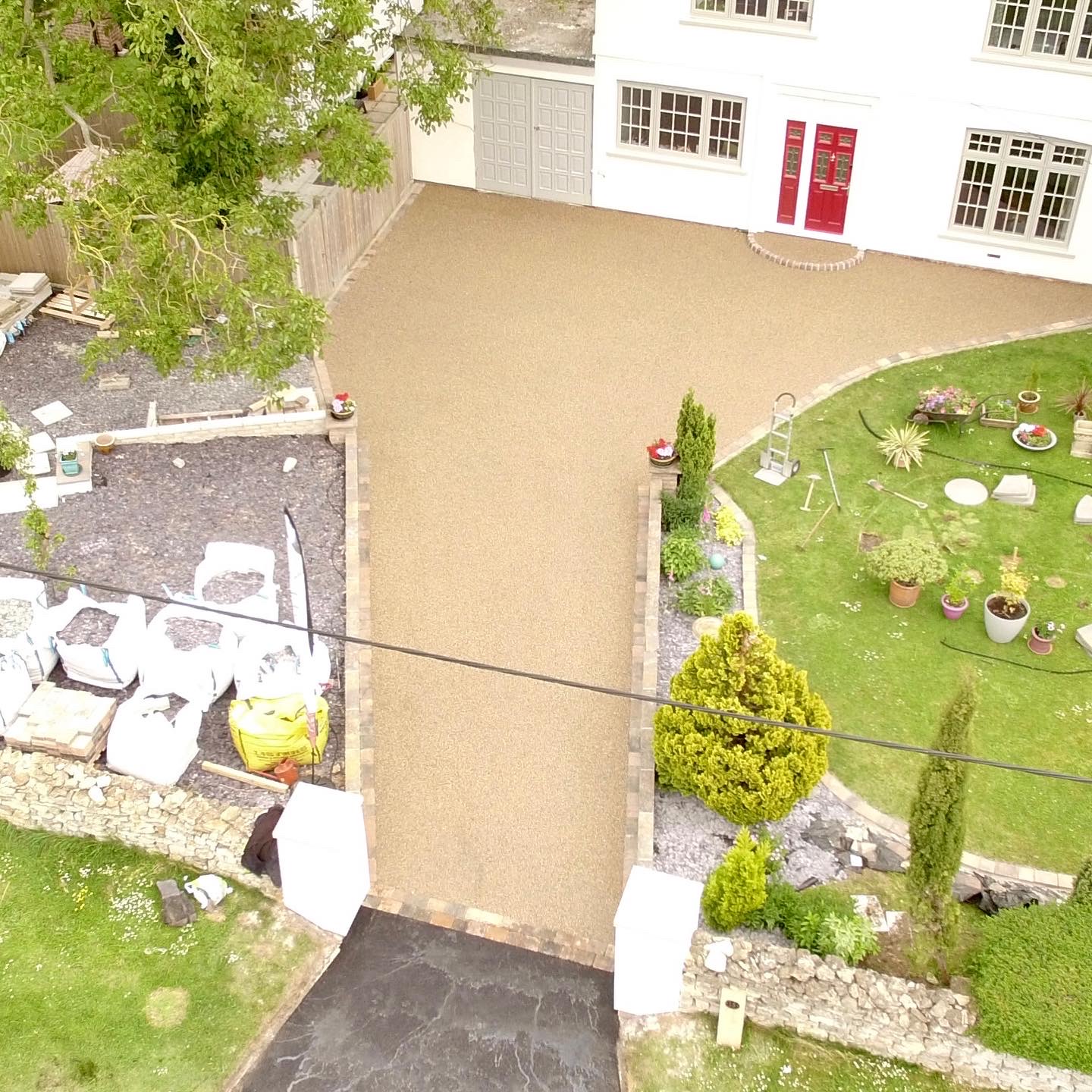
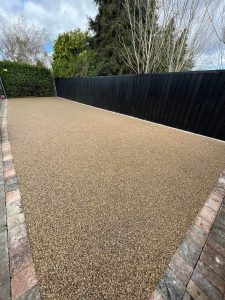
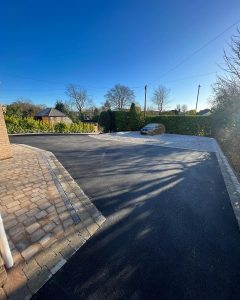
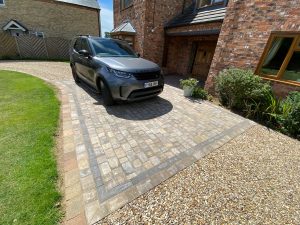
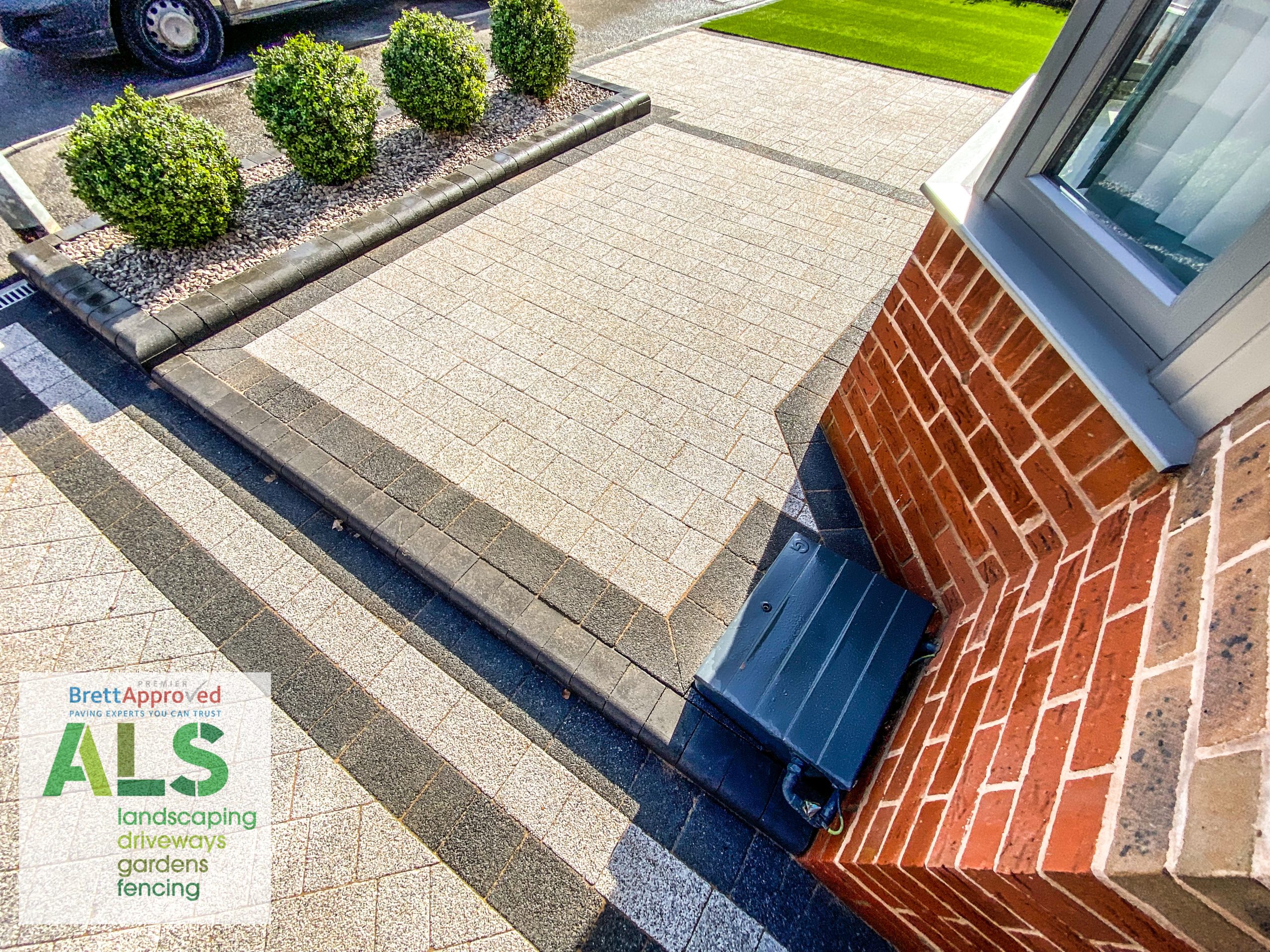
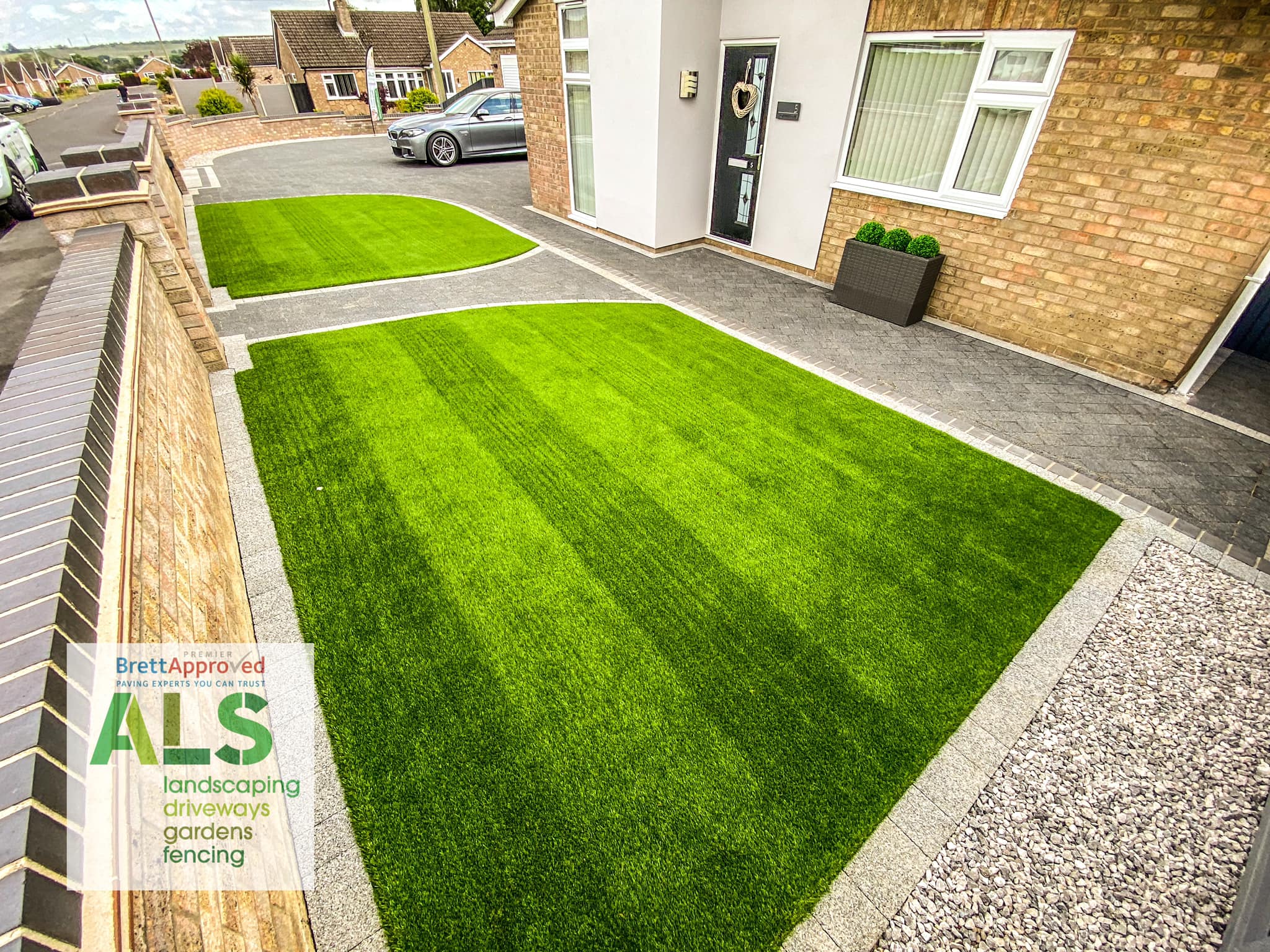
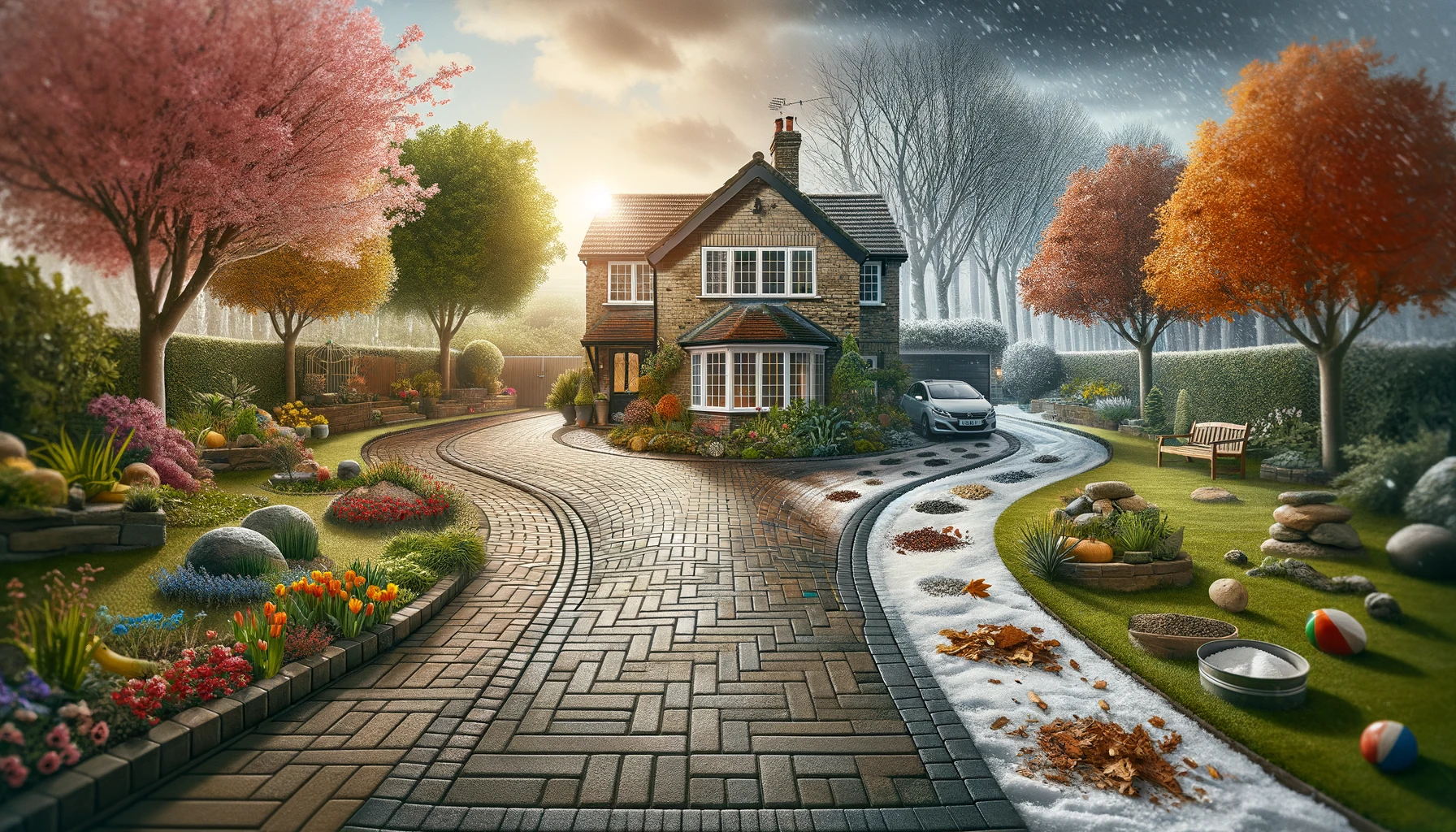
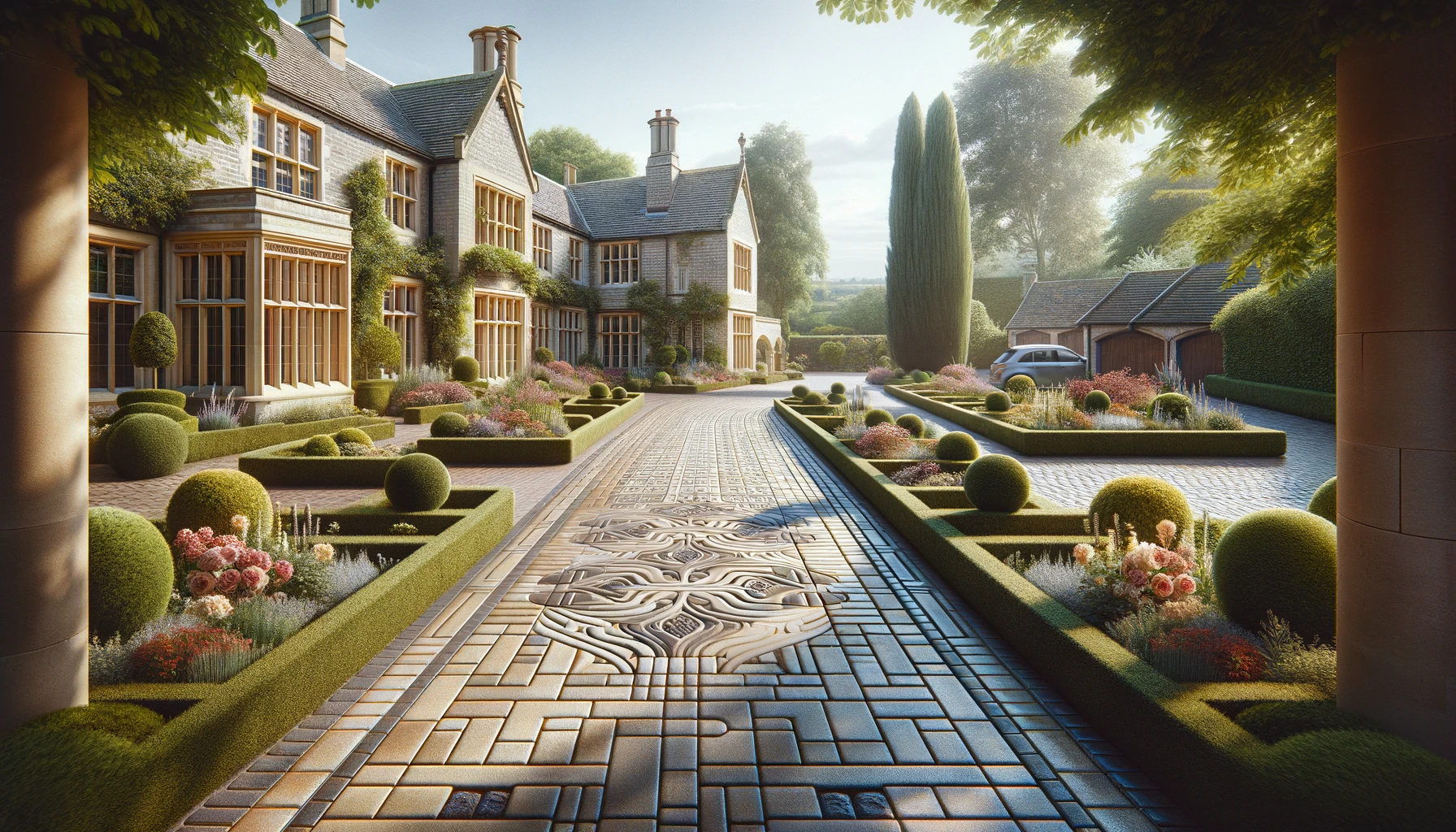
Transform Your Driveway with Decorative Borders and Edging

When it comes to improving the overall look of your driveway, it’s often the small details that make the biggest impact. Decorative borders and edging can add a clean, finished look while making your driveway more cohesive with your garden and home exterior. Not only do they improve aesthetics, but they also provide practical benefits, such as preventing soil erosion and keeping gravel or block paving in place.

In this blog, we’ll explore how adding borders and edging can improve the appearance of your driveway, as well as tips on the best materials to use, installation guidance, and maintenance advice. 

Why Bother with Decorative Borders and Edging?

While your driveway might already look great, adding decorative borders or edging can provide that extra touch to make it stand out. A properly installed border:

Defines the space:

Borders neatly separate your driveway from your lawn, garden, or surrounding areas.

Boosts curb appeal:

It provides a more finished, polished look that can significantly increase the aesthetic value of your property.

Protects your driveway:

Edging helps prevent the spread of materials, such as gravel or block paving, and reduces wear along the edges.

If you’ve ever had problems with weeds or soil spilling onto your driveway, then installing decorative borders could be the perfect solution.

Choosing the Right Material for Your Borders

When selecting the best material for your decorative borders or edging, it’s important to choose one that complements your driveway’s existing surface and the overall style of your home. Here are some popular options:

Brick or Block Paving:

A classic choice that provides both structure and charm. Block paving is durable, easy to clean, and can be laid in different patterns to create an interesting design.

Stone Edging:

Natural stone adds a rustic, timeless feel to your driveway. Stones such as granite or limestone are both durable and visually appealing.

Resin-Bound Edging:

This is ideal for those who prefer a seamless look. Resin-bound gravel can be mixed with the same material used for the driveway to provide a continuous flow, creating a uniform and minimalist finish.

Timber Edging:

For a softer, more natural look, timber is a great option. However, keep in mind that it may require more maintenance than other materials due to weathering over time.

If you’re unsure which material is best for your driveway, feel free to contact us at ALS Driveways Lincoln. We provide professional advice and guidance tailored to your home.

Installation Tips for Driveway Borders and Edging

While installing borders and edging might seem straightforward, it’s important to plan the job properly to avoid any issues down the line. Here’s a basic step-by-step guide to give you an idea of what’s involved:

1. Measure and Mark the Area:

Start by marking out where you want the borders to go. Measure carefully to ensure the design is symmetrical and follows the shape of your driveway.

2. Excavate the Trench:

Dig a trench where the borders will be placed. The depth will depend on the type of edging material you’re using, but it should typically be deep enough to bury at least one-third of the border.

3. Level the Base:

Make sure the bottom of the trench is flat and level before laying the border material. You can use a layer of sand or concrete for stability, depending on the weight and type of material.

4. Lay the Edging:

Begin placing the border material into the trench, making sure each piece is level and firmly in place. If you’re using bricks or blocks, leave a small gap between them for jointing compound or mortar.

5. Backfill and Secure:

Fill in the trench around the border with soil or gravel to hold the edging in place. Compact the backfill material to ensure stability.

For more detailed installation help, check out our blog on Which Driveway is Best? for additional insight into driveway construction techniques.

Maintaining Your Driveway Edging

Once your driveway borders and edging are installed, a little bit of maintenance can go a long way in keeping them looking their best. Here are a few simple tips:

Regular Cleaning:

Sweep away debris, leaves, or dirt to prevent staining or build-up. If you have stone or brick borders, pressure washing can help maintain their natural colour and prevent algae growth.

Weed Control:

Keep weeds in check by applying weed killer along the edges of your driveway. Weeds can cause damage to mortar or joints, so it’s important to remove them as soon as they appear.

Repair Any Shifts:

Over time, some edging materials may shift slightly due to weather or ground movement. If you notice any movement, address it early by re-setting the affected section before the problem worsens.

For year-round advice on keeping your driveway in top shape, have a read of our Maintenance & Enhancement Tips blog, which offers tips on preparing your driveway throughout the year.

Conclusion: A Finishing Touch that Makes a Big Difference

Decorative borders and edging are a fantastic way to give your driveway a finished, polished appearance. Whether you’re after a natural stone look or a modern, sleek design, choosing the right material and installing it correctly will give your driveway structure, style, and longevity.

At ALS Driveways Lincoln, we specialise in helping homeowners choose the right materials and designs to improve their driveways. If you’re thinking about adding decorative borders to your driveway, give us a call or contact us through our website. We’ll be happy to guide you through the process, from material selection to professional installation.

Useful Sources:

  1. For more expert advice on driveway edging and installation, visit Brett. They offer practical tips and insights into selecting the right materials and proper installation techniques for block paving and edging.
  2. Check out Paving Expert for in-depth guidance on installing block paving and edging for driveways.

With our help, you can give your driveway the perfect finishing touch, creating a space you’ll love coming home to every day.

FAQs:

What materials work best for driveway borders and edging?

Popular materials include block paving, natural stone, resin-bound gravel, and timber, depending on your desired look and the style of your home.

How do decorative borders improve my driveway? 

Borders create a more polished and structured appearance while helping prevent the spread of gravel or block paving, and can even reduce wear along the edges.

Do driveway borders require much maintenance?

Regular sweeping and occasional pressure washing will keep borders clean. Weed control and periodic inspection for shifting materials are recommended for long-term upkeep.

Revitalise Your Home’s Curb Appeal: A Complete Guide to Driveway Resurfacing

We’re already halfway through Summer 2024, although it hasn’t felt much like Summer this year. As always many homeowners are looking for ways to improve their property’s curb appeal. One of the best ways to do this with the most impact is by upgrading your driveway by resurfacing it. 

Over time, driveways take a lot of punishment and wear and tear from vehicles, weather, and general use. Resurfacing not only improves the aesthetic appeal but also extends the life of your driveway, making it a wise investment. 

In this guide, we’ll explore the benefits of driveway resurfacing, the best materials to use, and a step-by-step process to help you achieve the best results.

Why Resurface Your Driveway?

Driveways are exposed to constant stress from heavy vehicles, changing weather conditions, and chemical spills. Over time, this can lead to cracks, potholes, and surface wear. Resurfacing is a process that involves applying a new layer of material over the existing surface, effectively restoring its appearance and functionality.

Key Benefits of Resurfacing:

Improved Curb Appeal:

A newly resurfaced driveway looks fresh and clean, instantly boosting your home’s exterior appearance.

Increased Durability:

Resurfacing reinforces the driveway’s surface, helping it withstand future wear and tear.

Cost-Effective:

Compared to a full replacement, resurfacing is more affordable while still delivering significant improvements.

Extended Lifespan:

Regular resurfacing can add years to the life of your driveway, delaying the need for more extensive repairs or replacements.

2. Choosing the Right Material for Resurfacing

The success of your driveway resurfacing project largely depends on the material you choose. Each type of material offers different benefits, so it’s essential to pick one that suits your needs, budget, and the local climate.

Popular Resurfacing Materials:

Asphalt: Asphalt is a popular choice due to its affordability and durability. It’s ideal for driveways with significant wear and tear. Asphalt provides a smooth finish and can be resealed regularly to maintain its appearance.

Concrete: Concrete is a durable and versatile option that can be customised with various finishes and colours. While it’s more expensive than asphalt, it offers a long lifespan and a clean, modern look.

Resin-Bound Gravel: Resin-bound gravel is an attractive option that combines gravel with a resin binder, creating a smooth, permeable surface. This material is excellent for creating decorative driveways with a natural appearance.

Block Paving: For those seeking a more decorative finish, block paving is an excellent option. It involves laying individual blocks in patterns, offering a range of design possibilities. Block paving is durable and easy to repair, but it can be more time-consuming and costly to install.

3. The Driveway Resurfacing Process: A Step-by-Step Guide

Resurfacing a driveway is a project that can significantly transform your property. Here’s a step-by-step guide to ensure your resurfacing project is successful:

Step 1: Inspect the Existing Surface

Before beginning the resurfacing process, thoroughly inspect your driveway. Identify any cracks, potholes, or significant damage. Minor cracks can be repaired before resurfacing, but extensive damage might require more substantial repairs or even a replacement.

Step 2: Clean the Driveway

A clean surface is essential for proper adhesion of the new material. Remove all dirt, debris, moss, and weeds from the driveway. Use a pressure washer to clean the surface thoroughly, ensuring that it’s free of oil stains and other contaminants.

Step 3: Repair Cracks and Holes

Fill in any cracks or potholes with an appropriate filler. For asphalt driveways, use an asphalt patching compound, and for concrete driveways, use a concrete repair mix. Smooth out the filler with a trowel and allow it to dry completely.

Step 4: Apply a Bonding Agent

A bonding agent helps the new surface material adhere to the existing driveway. This is particularly important if you’re resurfacing with concrete or asphalt. Apply the bonding agent evenly across the entire surface and let it dry according to the manufacturer’s instructions.

Step 5: Mix and Apply the Resurfacing Material

Prepare the resurfacing material according to the manufacturer’s instructions. Begin applying the material at one end of the driveway, working your way across the surface. Use a trowel, squeegee, or paving machine to spread the material evenly. Ensure the surface is smooth and level, avoiding any pooling or uneven areas.

Step 6: Finish and Cure the Surface

Once the resurfacing material is applied, finish the surface according to your desired texture. For concrete, you might choose a broom finish for added traction. Allow the surface to cure completely, which can take 24 to 48 hours depending on the material and weather conditions.

Step 7: Seal the Surface (Optional)

For added protection, consider sealing the resurfaced driveway. Sealing helps to protect the surface from moisture, UV rays, and chemical spills, extending the life of your driveway. Apply the sealant evenly and allow it to dry completely before using the driveway.

4. Maintaining Your Resurfaced Driveway

After resurfacing, proper maintenance is key to keeping your driveway in top condition. Regular cleaning, prompt repairs of minor cracks, and periodic resealing (if applicable) will help maintain the appearance and durability of your driveway.

Maintenance Tips:

Regular Cleaning:  Sweep the driveway regularly to remove debris and prevent stains. For stubborn stains, use a mild detergent and a scrub brush.

Crack Repairs:  Address any new cracks or holes as soon as they appear to prevent them from worsening.

Resealing:  For asphalt and concrete driveways, consider re-sealing every 2 to 3 years to maintain a protective layer.

5. Is Driveway Resurfacing Right for You?

Driveway resurfacing is an excellent option if your existing driveway is structurally sound but shows signs of surface wear and tear. It’s a cost-effective solution that can add years to the life of your driveway and improve your home’s curb appeal without the expense and disruption of a full replacement.

However, if your driveway has extensive damage, such as large cracks, deep potholes, or drainage issues, resurfacing may only be a temporary fix. In such cases, it might be worth considering a complete driveway replacement to ensure a long-lasting solution.

For more on driveway maintenance and ensuring the longevity of your investment, check out our blog on “Maintenance and Enhancement Tips”, which provides valuable advice on protecting your driveway throughout the year.

6. Conclusion

Resurfacing your driveway this summer is a smart way to refresh your home’s curb appeal and protect your investment. By choosing the right materials, following a careful process, and maintaining the surface regularly, you can enjoy a beautiful, durable driveway for years to come. Whether you opt for asphalt, concrete, resin-bound gravel, or block paving, a well-executed resurfacing project can make a significant difference in your property’s overall appearance.

If you’re ready to refresh your driveway and want professional assistance, ALS Driveways is here to help. Contact us today to discuss your project and receive a quote tailored to your needs. Our experienced team is committed to delivering high-quality results that will stand the test of time.

FAQs

  1. What are the main benefits of resurfacing my driveway?

Resurfacing your driveway improves its appearance, increases durability, and extends its lifespan. It’s a cost-effective way to restore your driveway without needing a full replacement, making it look fresh and clean while also protecting it from further wear and tear.


  1. What materials can I use for driveway resurfacing?

Common materials for resurfacing include asphalt, concrete, resin-bound gravel, and block paving. Each material offers different benefits, such as affordability, durability, and aesthetic appeal, so choose one that suits your needs and budget.


  1. How do I know if my driveway needs resurfacing?

If your driveway is structurally sound but shows signs of surface wear, such as cracks, minor potholes, or fading, resurfacing is likely a good option. However, if there is extensive damage like deep potholes or drainage issues, a full replacement might be necessary.


  1. What is the process for resurfacing a driveway?

The process involves inspecting and cleaning the existing surface, repairing any cracks, applying a bonding agent, and then applying the new resurfacing material. Finally, the surface is finished and allowed to cure, with optional sealing for added protection.


  1. How should I maintain my resurfaced driveway?

Regular maintenance includes sweeping to remove debris, promptly repairing any new cracks, and resealing the surface every 2 to 3 years for asphalt and concrete driveways. Proper maintenance will help maintain its appearance and durability over time.

Renting Out Your Driveway in Lincoln: A Smart Way to Earn Extra Income

In today’s economic climate, finding additional sources of income can be incredibly helpful. One way homeowners in Lincoln are boosting their earnings is by renting out their driveways. If it’s something you haven’t already thought about, it’s definitely worth looking into. With platforms like JustPark and YourParkingSpace, it’s easier than ever to turn your unused parking space into a steady income stream. This blog explores the benefits, potential earnings, and important considerations of renting out your driveway in Lincoln.

The Benefits of Renting Out Your Driveway

1. Passive Income

Renting out your driveway can provide a steady source of passive income with minimal effort. Once your space is listed and bookings start coming in, you can earn money without having to actively manage the rental process.

2. Flexibility

You have complete control over when and how often you rent out your driveway. Whether you want to make it available during working hours, weekends, or specific events, you can set your own schedule to suit your needs.

3. Meeting Demand

In cities like Lincoln, where parking can be scarce, there is a consistent demand for convenient parking spaces. This demand can translate into a reliable income for you, especially if your driveway is located near popular destinations or transport links.

How Much Can You Earn?

The amount you can earn by renting out your driveway varies based on location, demand, and availability. According to JustPark, some hosts make over £4,000 per year, with the first £1,000 being completely tax-free under HMRC’s property income allowance. On average, people across the UK earn about £200 per month from renting out their parking spaces. 

If you have a driveway that you don’t use, or only use overnight, for example, then this could make a big difference to your income. As Tesco says, “Every little bit helps”.

Important Considerations

1. Legal and Tax Implications

While the first £1,000 of your earnings from renting out your driveway is tax-free, any income above this threshold must be declared to HMRC. Make sure you keep accurate records of your earnings and consult with a tax professional (if needed) to stay compliant. Landlord Today published a recent article which provides a more indepth look at what you need to know.

2. Terms and Conditions

Before listing your driveway, familiarise yourself with the terms and conditions of the platform you choose to use. Platforms like JustPark and YourParkingSpace charge a small fee for their services, usually around 3% of the rental price, and provide guidance on how to manage bookings effectively.

3. Security and Insurance

Consider the security of your property and the vehicles that will be parked on it. While platforms offer some level of security, you may want to check your home insurance policy to see if it covers renting out your driveway or if you need additional coverage.

How to Get Started

1. List Your Space

Sign up on a parking platform like JustPark or YourParkingSpace, and create a listing for your driveway. Provide clear details about the location, size, and availability of your space.

2. Set Your Price

Research similar listings in your area to set a competitive price. Remember, you can adjust this based on demand, such as higher rates during local events or peak times.

3. Manage Bookings

Once your listing is live, manage your bookings through the platform’s app or website. Make sure your space is accessible and provide clear instructions for renters.

Real-Life Examples

Many homeowners across the UK are already benefiting from renting out their driveways. For instance, residents in Luton are using their rental income to cover monthly bills, according to JustPark. In 2021, UK homeowners collectively earned £26 million by renting out their driveways according to Landlord Today.

Conclusion

Renting out your driveway in Lincoln is a practical and effective way to generate extra income. By taking advantage of the demand for parking spaces and using reliable platforms, you can turn an unused space into a valuable financial resource. Ensure you understand the legalities, set fair prices, and manage your bookings efficiently to maximise your earnings.

Haven’t got a driveway? No problem, if you’ve got the space, we can create it for you. Just get in touch with us today for a no obligation quote.

FAQs

  1. How much can I earn by renting out my driveway in Lincoln?

The amount you can earn depends on your location, demand, and availability. On average, UK residents earn about £200 per month by renting out their parking spaces. Some hosts make over £4,000 per year, with the first £1,000 being completely tax-free.

  1. Are there any legal or tax implications for renting out my driveway?

Yes, while the first £1,000 you earn from renting out your driveway is tax-free under HMRC’s property income allowance, any income above this threshold must be declared to HMRC. 

  1. How do I get started with renting out my driveway?

To get started, sign up on a parking platform like JustPark or YourParkingSpace and create a listing for your driveway.

The Benefits of Permeable Driveway Paving: Eco-Friendly and Practical Solutions

Permeable driveway paving continues to be one of the most popular choices for homeowners seeking eco-friendly and practical solutions for their driveways. Unlike traditional paving methods, permeable paving offers a range of environmental and functional benefits. In this blog, we explore why permeable paving might be the right choice for your driveway, and how it can make a significant difference to both your home and the environment.

Environmental Benefits

One of the main advantages of permeable driveway paving is its positive impact on the environment. Traditional driveways often contribute to water runoff, which can lead to flooding and water pollution. Permeable paving allows water to seep through the surface and into the ground, mimicking the natural water cycle. This process helps to:

Reduce Flooding:

By allowing water to infiltrate the ground, permeable paving reduces the volume of runoff, minimising the risk of flooding in urban areas. This is especially important in areas prone to heavy rainfall like the Lincolnshire area, or where the existing drainage infrastructure is insufficient.

Improve Water Quality:

As water passes through the permeable surface, it is filtered, reducing pollutants and improving the quality of groundwater. This natural filtration process helps to remove contaminants like oil, grease, and heavy metals that can accumulate on driveways and roadways.

Support Local Ecosystems:

Permeable surfaces help maintain natural water levels, supporting the health of local plants and wildlife. By reducing runoff, permeable paving also helps to prevent soil erosion and maintain the integrity of nearby water bodies.

Material Options

Permeable driveway paving can be achieved using a variety of materials, each offering unique benefits:

Porous Asphalt:

Similar to traditional asphalt but with added voids that allow water to pass through. Porous asphalt is durable and can withstand heavy traffic, making it an excellent choice for driveways.

Permeable Concrete:

A mix of concrete with high porosity, providing durability and water infiltration. Permeable concrete is an excellent option for homeowners looking for a robust and long-lasting driveway material.

Interlocking Pavers:

This is still a favourite of ours. Concrete or stone pavers with gaps in between, filled with sand, gravel or grass to facilitate drainage. Interlocking pavers are highly customisable and can be arranged in various patterns and designs to enhance the aesthetic appeal of your driveway.

Gravel:

A simple and cost-effective option, gravel driveways allow water to seep through easily. While gravel may require more maintenance to prevent spreading and ensure even coverage, it is a versatile and eco-friendly option.

Installation Process

The installation of a permeable driveway involves several key steps to ensure its effectiveness and longevity:

1.  Excavation:

Removing the existing driveway surface and excavating to the required depth. This step ensures that the new permeable driveway will be level and stable.

2.   Sub-base Preparation:

Laying a permeable sub-base, typically made of crushed stone, to provide structural support and drainage. The sub-base is crucial for maintaining the stability and permeability of the driveway.

3. Laying the Surface Material:

Installing the chosen permeable material, ensuring proper alignment and spacing. Careful installation is essential to maintain the permeability and aesthetic appeal of the driveway.

4. Finishing Touches: 

Filling gaps with gravel, sand or grass, and compacting the surface to ensure stability. Additional features, such as edging or decorative elements, can also be added to enhance the appearance of the driveway.

Maintenance Tips

To keep a permeable driveway in top condition, regular maintenance is essential:

Cleaning:

Periodically remove debris and dirt from the surface to maintain permeability. Regular cleaning can prevent clogs and ensure that water continues to flow through the driveway.

Weed Control:

Keep weeds at bay by using appropriate herbicides or manual removal. Weeds can disrupt the permeability of the driveway and detract from its appearance.

Inspection:

Regularly check for any signs of damage or blockages and address them promptly to prevent further issues. Timely repairs can extend the lifespan of your driveway and maintain its functionality.

Replenishing Gravel:

If your permeable driveway includes gravel, periodically replenish the gravel to maintain even coverage and permeability. This step can help prevent erosion and maintain the driveway’s appearance.

Cost vs. Benefit Analysis

While the initial cost of permeable paving can be higher than traditional methods, the long-term benefits often outweigh the investment:

Cost Savings:

Reduced need for drainage systems and lower maintenance costs over time. Permeable driveways can help reduce the burden on municipal drainage systems and prevent costly water damage to your property.

Environmental Impact:

Contributing to sustainable water management and reducing environmental footprint. By choosing permeable paving, homeowners can actively participate in water conservation efforts and promote environmental stewardship.

Property Value:

Enhanced curb appeal and potential increase in property value due to eco-friendly features. Properties with well-maintained permeable driveways are attractive to environmentally conscious buyers and can command higher prices in the real estate market.

Latest Trends and Innovations

The latest trends in permeable driveway paving include innovative materials and designs that further enhance their functionality and appeal:

Recycled Materials:

Many permeable paving options now incorporate recycled materials, such as recycled concrete or plastic, to further reduce environmental impact.

Green Driveways:

Some homeowners are opting for green driveways, which incorporate grass or other vegetation between permeable pavers. These driveways blend seamlessly with the surrounding landscape and provide additional environmental benefits.

Smart Technology Integration:

Advances in smart home technology have led to the development of permeable driveways that can integrate with home automation systems. For example, some permeable driveways can be equipped with sensors that monitor water flow and alert homeowners to potential issues.

Conclusion

Permeable driveway paving offers a range of benefits that make it a smart choice for homeowners looking to improve their property’s functionality and environmental impact. With various materials and styles available, you can find a solution that fits your aesthetic preferences and practical needs. If you’re considering upgrading your driveway, contact us at ALS Driveways Lincoln for expert advice and a comprehensive quote.

FAQs

What are the main benefits of permeable driveway paving?

Permeable driveway paving helps reduce flooding by allowing water to seep through the surface, improving water quality by filtering pollutants, and supporting local ecosystems by maintaining natural water levels. It also adds aesthetic value to properties and can reduce long-term maintenance costs.

  1. What materials can be used for permeable driveway paving?

Materials for permeable driveway paving include porous asphalt, permeable concrete, interlocking pavers, and gravel. Each material offers unique benefits, such as durability, ease of maintenance, and aesthetic options.

  1. How do I maintain a permeable driveway?

Maintenance involves regular cleaning to remove debris, controlling weeds, inspecting for damage or blockages, and replenishing gravel if used. Regular upkeep ensures the driveway remains functional and aesthetically pleasing.

Why Automated Driveway Gates Are a Smart Upgrade for Your Home

In our last blog, we discussed why ALS Driveways, Lincoln think Driveway Alarms and Sensors are worth the investment.

In this blog, we’re going to discuss another investment that boosts both security and aesthetics.

In our opinion, automated driveway gates are a stellar choice. They’re not just about looking smart—they pack a substantial practical punch with security, convenience, and value-adding benefits. Let’s explore the reasons why installing an automated gate is a savvy upgrade.

Enhanced Security

A major advantage of automated gates is the increased security for your home. A sturdy gate is one of the first lines of defence against potential intruders, especially those intent on stealing your car. The most recent Crime Survey for the UK published by the Office for National Statistics (ONS) in January 2024 was cited in an article by Keyteck in which they stated that vehicle theft increased from 122,423 in the year to September  2022 to 132, 489 in the year to September 2023. That’s an 8% increase.

ONS also stated that homes with added security features such as cameras and gates are up to 50% less likely to be burgled. Automated gates further reinforce this by integrating advanced features like cameras and intercom systems, ensuring you always know who’s coming and going.

Boosting Property Value

Installing an automated gate can significantly increase your home’s market value. Properties equipped with security measures and aesthetic enhancements are more appealing to potential buyers. According to The Expert Gate Company such upgrades can increase property value by as much as 5%, making them a worthwhile investment for future financial returns.

Convenience and Accessibility

The convenience of automated gates is unmatched. With remote control access, you can open or close your gates without stepping outside—ideal during bad weather, and we’ve been having more than our fair share of that lately, or late-night arrivals. This feature is particularly beneficial for individuals with mobility issues, ensuring easy and safe access to their property.

Customisable Style

Automated gates offer a range of customisation options. They come in various designs and materials—metal, wood, or a combination—to match any architectural style. Choosing the right gate not only secures your property but also significantly enhances its curb appeal, making your home stand out in the neighbourhood.

Eco-Friendly Options

For the environmentally conscious, solar-powered gates are an excellent choice. These gates reduce reliance on traditional power sources, helping lower your carbon footprint while maintaining high functionality.

Installation Considerations

Before installation, consider the type of gate that best fits your driveway and lifestyle needs—whether sliding or swinging. Material durability, maintenance requirements, and the credibility of the installer are crucial factors to ensure a long-lasting and efficient setup. We’re more than happy to advise, if you need help making the decision. Just get in touch.

Latest Trends and Innovations

The latest innovations in driveway gate technology include smartphone integration, allowing homeowners to control gate functions from anywhere. We discuss this in more detail in our Understanding Driveway Alarms and Sensors guide. Automated gates used to be something that we’d associate with the elite or rich, but these are becoming more popular in an attempt to reduce vehicle theft. According to a 2023 Home Security Report, homes equipped with smart security systems, including automated gates, have seen a reduction in insurance premiums, reflecting the trust and value these systems offer.

The Potential Risk

At ALS Driveways, Lincoln we always try to give a rounded view/opinion and whilst we’re a fan of automated gates for all the reasons above, it goes without saying that whilst they are intended to protect, without correct installation and maintenance, they are capable of inflicting severe, sometimes fatal – injuries, as cited in Property Mark’s article recently.

Conclusion

Automated driveway gates are more than a luxury—they are a practical upgrade that enhances security, increases property value, and offers unmatched convenience. They’re a smart choice for any homeowner looking to improve their property’s functionality and aesthetic appeal.

If you’re considering a driveway upgrade, and know that now is the right time to go the whole hog, get in touch with us today for a comprehensive quote.


FAQs


What are the main benefits of installing automated driveway gates?

Automated driveway gates enhance home security by providing a robust barrier against potential intruders, which can deter theft, especially of vehicles. They also increase property value by up to 5% and offer convenience with features like remote control access. Additionally, these gates can significantly improve your home’s curb appeal with customizable designs and materials.


Can automated gates really save me money on home insurance?

Yes, installing automated driveway gates can potentially reduce your home insurance premiums. According to a 2023 Home Security Report, homes equipped with advanced security systems, including automated gates, are viewed as less risky, which can lead to lower insurance costs.


What should I consider before installing an automated driveway gate?

Before installing an automated gate, it’s important to consider the type of gate that best suits your driveway and lifestyle, whether sliding or swinging. You should also think about the gate’s material durability, maintenance needs, and the reliability of the installer. These factors ensure that your gate is functional, long-lasting, and effectively enhances your property’s security and aesthetics.

The Journey to Your Maximising the Lifespan of Your Driveway: Maintenance and Enhancement Tips

At ALS Driveways, Lincoln we thought you’d appreciate our homeowner’s guide to extending life and enhancing the beauty of your driveway. Whether you’ve recently installed a new driveway or you’re looking to spruce up an existing one, maintaining its condition and appearance is key. Beyond just being a functional part of your home, a well-maintained driveway can boost curb appeal and even increase property value. In this guide, we’ll cover everything from seasonal maintenance to aesthetic enhancements that don’t just repair but improve your driveway.

Seasonal Maintenance Tips

Here’s a quick reminder of our Seasonal Driveway Care guide, click through to read the whole blog if you missed it, or you’re in need of some product suggestions.

Spring

This is always a tricky one. By April you’d think that we’ve seen the last of the snow, but in the UK, anything’s possible. This year, the April ‘showers’ are more stormy than we’ve seen in previous years too.

That said, Spring is an ideal time for a thorough cleaning. Remove debris and dirt accumulated over the winter months. Check for any damage caused by freeze-thaw cycles, such as small cracks or erosion, and address these issues as soon as you can to prevent them from worsening.


Summer

The heat of summer can be tough on driveways, especially asphalt which can become soft and pliable in high temperatures. Apply a sealcoat to protect the asphalt from UV rays, which can cause fading and deterioration. For concrete driveways, summer is a good time to apply a UV-protective sealant to prevent discoloration.


Autumn

Preparing your driveway for the colder months involves clearing leaves and debris, which might block drainage and cause water to pool and freeze as temperatures drop. This is also the perfect time to fill cracks and apply a fresh sealant if needed, as these maintenance tasks require mild temperatures to set properly.


Winter

Keep your driveway clear of ice and snow to minimise water seepage into cracks. Use eco-friendly de-icers that won’t degrade your driveway material. Regularly inspect the surface for any new damage caused by the cold and address these issues as soon as the weather allows.


Enhancing Your Driveway’s Aesthetic Appeal

Improving the look of your driveway goes beyond repairs. Consider bordering your driveway with complementary materials like cobblestone or brick to frame it beautifully. 

Landscaping alongside your driveway with flowers or shrubs can also enhance its appearance and appeal. Lighting is another critical aspect; consider solar or low-voltage landscape lighting to illuminate your pathway, which not only enhances safety but also adds a charming ambiance during the evenings. If you need some help with this, contact ALS Landscaping, Lincoln, they’re great at what they do!

Repair and Renovation Options

Addressing wear and tear promptly can prevent small issues from becoming costly repairs. For concrete driveways, use a polymer-based cement resurfacer to fill in cracks or holes. For asphalt driveways, patching holes and applying a liquid crack sealer is a quick fix that extends its life. If your driveway is nearing the end of its life, resurfacing might be a more cost-effective solution than a complete redo. Resurfacing involves removing the top layer of your driveway and replacing it, giving it a new look and extended lifespan without the full cost of a new driveway. If you’re not sure whether to repair or replace, get in touch, we’ll always give you our honest advice.

Upgrading Your Driveway

If your driveway has undergone numerous repairs or if it doesn’t suit your home’s aesthetics, upgrading might be the right choice and that’s where we come in! We’re the experts who can help you choose the materials that match your home’s style and your personal preferences. For instance, resin-bound driveways offer a smooth, durable finish with plenty of customisation options, while permeable paving solutions add eco-friendly elegance, allowing water to drain naturally and reduce runoff.

Still need convincing? Click the image below to see some of our latest projects.

Eco-Friendly Practices for Driveway Care

Sustainable practices are not only good for the planet but can also save you money in the long run. Opt for permeable materials that help manage stormwater, reducing runoff and the burden on local drainage. Regular maintenance using eco-friendly products extends the lifespan of your driveway while minimising environmental impact. For instance, instead of harsh chemicals, use vinegar or salt solutions for weed control and cleaning.

Conclusion

Your driveway is an integral part of your home’s exterior and, with the right care, can remain functional and attractive for many years. This guide provides you with the tools and knowledge to maintain, enhance, and possibly upgrade your driveway effectively. Remember, a little effort goes a long way in keeping your driveway in top condition, reflecting your home’s pride and aesthetic value.

FAQs

How Often Should I Seal My Driveway?

The frequency of sealing your driveway depends on the material and the amount of traffic it endures. For asphalt driveways, it’s recommended to apply a sealant every two to three years to prevent fading, cracking, and water damage. For concrete driveways, sealing every three to five years can help protect against stains and weather damage. Always check the condition of your driveway and the manufacturer’s recommendations on sealants for the best results.

What Are the Best Ways to Enhance the kerb Appeal of My Driveway?

Enhancing your driveway’s kerb appeal can be achieved by adding aesthetic and functional features. Consider framing your driveway with attractive edging materials like cobblestone or brick. Landscaping with flowers or decorative grasses along the sides can also add colour and texture. Installing lighting along the driveway not only improves safety but also adds a welcoming glow to your home in the evenings. These enhancements not only beautify your driveway but also increase the overall appeal of your property.

What Should I Do If My Driveway Starts Showing Signs of Wear?

Regular maintenance is key to extending the life of your driveway. For small cracks, use a polymer-based cement resurfacer for concrete driveways or a liquid crack sealer for asphalt driveways. If the damage is more extensive, consider resurfacing, which involves removing the top layer and replacing it with fresh material. This can rejuvenate your driveway without the need for a complete replacement. Always address wear and damage promptly to prevent small issues from becoming larger, more expensive problems. 

The Journey to Your Dream Driveway: What to Expect with ALS Driveways Lincoln

Transforming your driveway is so much more than just an upgrade; it’s a journey towards changing the first impression of your home. Here’s what you can expect when you partner with ALS Driveways Lincoln, from the first handshake to the final inspection.

Kick-off Meeting: Understanding Your Vision

Our journey starts with a simple yet essential step – understanding what you want for your driveway. During our initial meeting, we’ll discuss your preferences, needs, and the unique aspects of your property. This isn’t just about what we think looks good; it’s about what fits your lifestyle, home aesthetics and surrounding neighbourhood. Possibly even more important is your budget. We discuss this in more detail in our blog ‘Your No Nonsense Guide to Driveway Decisions’ and how ALS Driveways Lincoln can work with your budget, large or small.

Checkatrade published a blog recently that includes an indication of prices for resurfacing your driveway in 2024. If you really have no idea about the likely cost, it might be worth ‘checking’ it out. And if the figures make you wince, don’t worry, we’ve partnered with Ideal4Finance to help make your driveway a reality by spreading the cost.

Sam O’Connor had this to say

“We stumbled across ALS after we saw them doing another job rectifying a poorly laid driveway by another company. We were very impressed with what we saw and asked them to come and quote us for our drive and garden. Addam was very thorough and talked us through everything….”

Design and Planning: Bringing Ideas to Life

Now we understand your vision, our next step is to create a design that exceeds your expectations and our high standards. We’ll present you with options, discussing the pros and cons of each material and style. Whether you’re leaning towards a classic look or something more modern, we’ll ensure the design reflects your personal taste while considering practicality and durability.

If you feel like you’d like some inspiration take a look at out Top 5 Driveway Designs for 2024.

Stacey Woodgates had this to say about our process

“Brilliant brilliant service from quote to installation. Really quick quote and during the initial meeting everything was explained, had us booked in within the week. The guys completing the work were friendly and professional and did some fantastic work is really awful weather! Can’t fault them and would happily use their services again.”

Preparing the Ground: Setting the Stage

Before any actual work begins, we’ll handle all the necessary preparations. This includes checking for any required permissions, preparing the site, and ensuring we have a clear plan of action. Our goal is to ensure a smooth process without any surprises.

ALS Driveways Lincoln prides itself on ‘no hidden costs’. Everything is laid out in black and white, you won’t find any ‘unexpected’ issues with our service.

The Transformation: From Old to Gold

The installation process is where you’ll see your dream driveway start to take shape. Our skilled team will manage every aspect of the installation, from excavation to laying down the final surface. We pride ourselves on our attention to detail and commitment to quality.

Have a look at some of our recently completed installations on our Projects Page.

Final Touches and Review: Ensuring Perfection

Once the installation is complete, we’ll walk you through the final product, ensuring it meets your expectations and our quality standards. This final inspection is crucial for us to ensure you’re delighted with the outcome.

We know we’re the experts, but you’re the customer. Cable Guys left this review, which shows how much we care.

“From initial contact by phone, to visiting their showroom, concluding in a site meeting with their surveyor, ALS have ‘listened’ and offered appropriate solutions with ‘me’ the customer in the forefront all the time. Wouldn’t hesitate to recommend them.”

Aftercare Support: Beyond the Build

Our service doesn’t end once the driveway is installed. We’ll provide you with all the information you need to maintain your new driveway, ensuring it continues to look its best for years to come. Plus, our team is always just a call away if you have any questions or need assistance.

Conclusion

Choosing ALS Driveways Lincoln for your driveway transformation means you’re choosing a smooth and clear journey to increase your home’s curb appeal. With our expertise, commitment to quality, and focus on customer satisfaction, we’re dedicated to making your dream driveway a reality. Ready to start? Let’s ‘pave’ the way together. Get in touch with us today.

FAQs

Will I need to obtain planning permission to install a new driveway at my home?

It depends on the type of driveway you’re planning to install and the specific regulations in your area. Generally, if your new driveway uses permeable (or porous) materials that allow water to drain through, like gravel, permeable concrete block paving, or porous asphalt, you might not need planning permission. However, for non-permeable surfaces where rainwater runs off into roads, you may need to apply for permission. Don’t worry, we’ll discuss this with you when you get in touch.

How long will the installation of my new driveway take from start to finish?

The duration of a driveway installation will vary based on several factors, including the size of the driveway, the chosen materials, and weather conditions. Typically, a driveway installation can take anywhere from a few days to a week. We strive to minimise disruption and complete the work as efficiently as possible, ensuring we maintain the highest standards of quality.

What maintenance will my new driveway require to keep it looking its best?

Maintaining your driveway will depend on the material you choose. For example, gravel driveways may need occasional weeding and topping up of gravel, while block paving might require re-sanding to prevent weeds. Concrete and asphalt driveways can benefit from regular cleaning and may need sealing every few years to prevent cracks and erosion. We provide all our clients with specific aftercare instructions tailored to their driveway type to ensure longevity and aesthetics.

Seasonal Driveway Care: Year-Round Maintenance Tips for UK Homes

Ever noticed how your driveway seems to demand a bit more TLC as the seasons change? Well, it’s not being needy; it’s just the British weather doing its thing. From the damp winters to the (occasionally) warm summers, each season brings its own set of challenges for your driveway. A bit of seasonal care can go a long way in keeping your driveway looking spiffy and in tip-top condition all year round.

Spring: Awakening Your Driveway

Ah, spring! The daffodils are blooming, the birds are singing, and your driveway… well, it’s probably looking a bit worse for wear after the winter. Time for a spring clean!

Assessment and Cleaning: 

Length dependent (obviously) take a leisurely stroll down your driveway, coffee in hand, and inspect for any wear and tear. Now’s the time for a good old scrub. A pressure washer can work wonders, but remember, it’s not a toy! Use eco-friendly cleaners to do your bit for the planet. If you’re local to ALS Driveways Lincoln, but feel like that’s a bit too much effort, check out Driveway Cleaning Lincoln, they’ve got some great reviews!

Crack Repair: 

Spot any cracks? Water’s a sneaky chap – it loves to get into those and cause havoc. Seal them up before they invite themselves deeper. No need for fancy tools; a good quality sealant from your local DIY shop will do the trick, but if you’re not sure whether the cracks have become too wide, Homes&Gardens have some advice that will help you decide whether you need to call the professionals in.

Summer: Protection and Enhancement

Summer in Britain can be three days of heatwave followed by a week of rain, or three weeks of rain if you’re in Lincoln, but your driveway needs care regardless of the weather’s mood swings.

Sealing and Coating: 

Think of sealant as sunscreen for your driveway. It needs protection from the UV rays too. Choose a sealant that suits your driveway’s material like you’d pick a sunscreen for your skin type. The Paving People share their thoughts on what they consider to be the ‘best’.

Landscaping Tips: 

Now we’re talking. Use this time to add some greenery around your driveway. Not only does it look lovely, but it also prevents soil erosion. Just don’t let the plants get too cosy and encroach on the driveway space. And if you want our expert opinion, get in touch with ALS Landscaping today.

Autumn: Preparing for the Cold

Autumn, with its palette of colours, can also be a bit of a troublemaker, dropping leaves and rain that test your driveway’s patience.

Drainage Check: 

Make sure your driveway’s drainage is clear of autumn’s leafy gifts. Water should flow away freely, not create mini lakes on your driveway. Want to find out more about driveway drainage? EM EasyMerchant has a whole blog on the subject.

Debris Management: 

Regularly sweep away leaves and debris. It’s a bit like brushing your teeth; neglect it, and you’ll have problems later.

Winter: Weathering the Cold

Winter is the ultimate test of British stoicism, and your driveway feels it too.

Snow and Ice Removal: 

Gentle does it when removing snow and ice. A plastic shovel or a broom can be your best mates here. Avoid rock salt; it’s like feeding your driveway fast food – harmful in the long run. Want to find out why? Complete Driveway Designs explain the unknown dangers of de-icers and rock salts.

Preventative Measures: 

If you’re expecting frosty visitors, a sprinkle of sand can provide traction without damaging your driveway. Think of it as your driveway’s winter boots.

Year-Round Tips

Regular Maintenance: 

Like tea, regular attention makes everything better. Keep an eye on your driveway, and it will serve you well for years to come.

Professional Help:

Sometimes, a problem is a bit beyond a DIY fix. When in doubt, call in the pros. It’s like asking for directions; better to swallow your pride than end up in the wrong place.

Conclusion

There you have it, a year in the life of your driveway, British style. A little bit of TLC, a bit of maintenance, and a fairly regular inspection can keep your driveway looking grand through rain, shine, and the occasional snow. So, grab your calendar, and pencil in some driveway TLC. Your future self (and your car) will thank you.

Remember if you’re ready for something new,  ALS Driveways is here to help. With our expertise, we can transform your driveway into a welcoming path that complements your home perfectly. Contact us today.

FAQs

How Can I Effectively Maintain My Driveway Throughout the Year?

Seasonal care is key to keeping your driveway in excellent condition. Start with a spring assessment and clean-up, using eco-friendly cleaners and repairing any cracks to prevent water damage. In summer, apply a protective sealant to guard against UV rays and enhance your driveway’s appearance, while keeping landscaping in check to prevent soil erosion. Autumn calls for ensuring proper drainage and managing debris to prevent blockages and damage. Come winter, gently remove snow and ice without using harsh chemicals that can harm your driveway. Regular maintenance and professional checks can help extend your driveway’s life, ensuring it stays spiffy all year round.

Why Is Crack Repair Important and When Should I Call in Professionals?

Repairing cracks in your driveway is crucial to prevent water infiltration, which can cause significant damage over time. Early spring is the best time to inspect and repair any cracks after the winter weather. For small cracks, a high-quality sealant from your local DIY shop should suffice. However, if cracks have widened or if you’re unsure about the extent of the damage, it’s wise to consult professionals. They can offer expert advice and repair services to prevent further deterioration. Remember, addressing cracks promptly can save you from more costly repairs down the line.

FAQ 3: How Do I Prepare My Driveway for Winter to Minimise Damage?

Preparing your driveway for winter involves a few key steps to minimise damage from cold weather conditions. Ensure your driveway’s drainage system is clear of debris to prevent water accumulation and potential freezing. Use a plastic shovel or broom for gentle snow and ice removal, avoiding rock salt and other corrosive de-icers that can damage the driveway surface. Instead, consider using sand for traction, which is less harmful to your driveway. These preventative measures, along with regular maintenance checks, can help your driveway withstand the winter months more effectively.


Why Driveway Landscaping Matters

When we think about having a new driveway we usually focus on the ‘driveway’ and inadvertently overlook the significant impact driveway landscaping can have on our home. But it’s not just about curb appeal; the right landscaping choices can transform your driveway into a functional and attractive feature of your home. This blog explores why investing in your driveway’s landscape is more than a cosmetic upgrade – it’s a smart decision for enhancing your property’s value, improving environmental sustainability, and creating a welcoming entrance to your home. 

If it’s not raining (or if it is, take a brolly) look at your driveway and ask yourself this. “Is it just a space to park on, or could it be a canvas waiting for a touch of green?” Beyond just leading to your front door, it’s the first hint of your home’s story. Imagine a driveway that not only welcomes guests but also reflects your personal style.

Research suggests that well-planned outdoor spaces can uplift property values significantly, we discuss this in more detail in our blog Will A Driveway Add Value To My Property. But it’s not just aesthetics; a landscaped driveway can improve drainage, reduce water runoff, and even make maintenance easier. It’s a blend of beauty and functionality that extends your home’s character right to the curb.

 In this blog, we discuss how landscaping can uplift this often-overlooked space into a stunning and inviting pathway.

Choosing the Right Plants and Materials

The secret to a great driveway landscape lies in choosing the right companions – plants and materials that are not only eye-catching but also resilient. With ALS you have the best of both worlds, not only are we driveway experts, we’re also landscaping experts too! 

If you need help finding plants that can withstand the occasional stray football or car fume, like hardy grasses or low-maintenance shrubs take a look at ALS’ Landscaping in Lincoln blog, From Dreary to Dreamy

And if you want some inspiration on which materials to use take a look at our projects page for some interesting combinations. Budget dependent you might want to consider gravel for a permeable, eco-friendly option, or pavers for a more structured look. These choices should complement your home’s architecture and withstand the test of time and weather. It’s about finding the perfect marriage of durability and style and that’s where we excel. Get in touch today and let’s talk.

Design Ideas and Tips

Designing your driveway’s landscape offers a chance to express your personal style. For a modern home, consider clean lines and minimalist plantings. Rustic homes might pair well with wildflowers and natural stone. Don’t forget about lighting – it’s crucial for safety and can dramatically change the ambience after dusk. Incorporating elements like a curved pathway or a border of flowering plants can make a world of difference. ALS Landscaping Lincoln’s 3D Landscape Design Service is for you if you can’t wait to ‘see’ the finished project before work starts.

For more design inspiration, our blog post on Innovative Driveway Technologies offers excellent ideas to complement your landscape.

Maintenance and Upkeep

A well-maintained driveway landscape not only looks better but also lasts longer. Regular tasks like weeding, pruning, and clearing debris keep it in top shape. Seasonally, adjust your care routine – protect plants in winter and ensure proper watering in summer. Efficient drainage is crucial, especially in rainy seasons, to prevent water logging. Remember, consistent care will save you time and resources in the long run, keeping your driveway looking pristine and welcoming.

But if you’re really not ‘into’ gardening and maintenance, dont worry. ALS Landscaping Lincoln offers a range of artificial options that look just as good as the ‘real’ stuff!

Conclusion

Your driveway is the gateway to your home, a space where practicality should meet beauty. With thoughtful landscaping, it can be as warm and inviting as your home. We hope these insights inspire you to see your driveway as more than just a parking space – it’s a key part of your home’s personality and story.

Feeling inspired to revamp your driveway? ALS Driveways is here to help. With our expertise, we can transform your driveway into a welcoming path that complements your home perfectly. Contact us today, and let’s bring your vision to life.

FAQs

What are the benefits of driveway landscaping?

Driveway landscaping extends beyond mere aesthetics, offering practical benefits such as improved property value, enhanced drainage, and easier maintenance. This blend of functionality and beauty significantly uplifts a home’s curb appeal.

How does landscaping affect a driveway’s functionality?

Landscaped driveways offer improved drainage and reduced water runoff, making them more than just visually appealing. This results in easier maintenance and a more sustainable, eco-friendly outdoor space.

What should be considered when choosing plants and materials for driveway landscaping?

Selecting resilient plants and materials is key to effective driveway landscaping. Hardy plants that can withstand traffic and pollution, along with durable materials like gravel or pavers, ensure both aesthetic appeal and longevity.

The Evolution of Driveway Materials: From Traditional to Eco-Friendly Options

In this blog we look at the journey of how driveway materials have changed over the years. From the traditional choices that have been a mainstay in British homes to the innovative, eco-friendly alternatives gaining popularity today, this blog sheds light on the diverse options available to UK homeowners in 2024

As driveway specialists, ALS Driveways. Lincoln offers insights into choosing the right material that balances aesthetic appeal, durability, and environmental consciousness. Whether you’re refurbishing an old driveway or planning a new one, understanding these options is key to making an informed decision that reflects both your style and commitment to the environment.

This blog takes you through the evolution of driveway materials, from the traditional concrete and asphalt to innovative, eco-friendly options. We’ll give you a quick overview of the strengths and drawbacks of each material and look at how the latest advancements align with sustainable living. 

The Era of Traditional Materials 

Concrete and asphalt have been the backbone of British driveways for generations. Concrete, robust and long-lasting, offers a stable surface for your vehicles. But, it’s prone to cracking over time, especially in areas with extreme weather changes.  We discuss more about the pros and cons of concrete driveways in our blog, Which Type of Driveway is the Best?

Asphalt, known for its smooth finish, provides a resilient and cost-effective solution. Yet, it too has its downsides, such as susceptibility to high temperatures and environmental concerns due to its petroleum-based composition. 

Despite their continued popularity, these traditional materials pose environmental challenges. Impermeable surfaces contribute to water runoff, leading to urban flooding and drainage problems. The production process of these materials also has a considerable carbon footprint. As far back as 2019, it has widely been known that Asphalt is not the most environmentally friendly material available, as mentioned in The Pros and Cons of an Ashalt Driveway: Is it worth the cost?

It’s a personal choice between the price you pay, and the price the environment pays. At ALS Driveways, Lincoln we’ll always give you the lowdown on what’s available, but at the end of the day, the decision will always be yours.


Shift to Eco-Friendly Alternatives

As environmental awareness grows, more homeowners are looking for sustainable solutions. There’s no ‘right’ or ‘wrong’. It’s a personal choice. At ALS Driveways, Lincoln, we’ll always give you up to date facts, without judgement. The driveway industry is responding with innovative materials that reduce environmental impact without compromising on quality. These eco-friendly alternatives are designed to address common issues associated with traditional materials, such as poor drainage and high maintenance.

Eco-Friendly Driveway Options

Resin-bound surfaces have been around for a while now and are still proving to be a popular choice. These driveways are a mixture of natural stone aggregates and clear resin, creating a permeable, hard-wearing surface. They allow water to drain naturally, reducing the risk of flooding, and are available in a variety of colours and finishes to suit any property style. 

Recycled materials, like crushed glass or recycled plastic, offer an eco-conscious alternative. They repurpose waste into durable, aesthetically pleasing driveways, contributing to a circular economy. To find out more about what it is, and what it does, head over to Driveway Transformations Ltd.

Permeable pavers, made from materials like porous concrete or interlocking bricks, allow water to seep through, reducing runoff and improving water management, which is a key consideration in many parts of the UK. This we do supply. Head over to our ‘projects’ page to see what all the fuss is about.

Comparing Traditional and Modern Materials 

When weighing traditional materials against modern alternatives, consider factors like longevity, maintenance, environmental impact, and cost. While traditional materials are often cheaper initially, eco-friendly options offer long-term savings through reduced maintenance and environmental benefits.

Interestingly, eco-friendly options aren’t just better for the environment, with improvements since their inception, they’ll also last almost as long as their traditional counterparts. Concrete driveways can last up to 30 years, resin-bound and block paving driveways aren’t that far behind with an average of 25 years. Visit our earlier blog ‘Which Driveways Last the Longest’.

Choosing the Right Material for Your Property

Selecting the right driveway material involves balancing your property’s style, the local climate, and your personal preferences. Consider local planning regulations, especially in conservation areas or for listed buildings. We always advise that you consult with driveway specialists like us for expert advice tailored to your specific needs.

Conclusion 

Your driveway is a statement of your home’s character and your environmental values. Choosing the right material is a crucial decision. With options ranging from traditional to eco-friendly, there’s a solution that fits every need and preference.


For expert advice and to explore the best driveway options for your home, reach out to ALS Driveways, Lincoln. We’re here to help you make an informed decision that enhances your property’s appeal and aligns with your commitment to sustainability.

FAQs

What are the main differences between traditional and eco-friendly driveway materials?

Traditional driveway materials like concrete and asphalt are known for their durability but pose environmental challenges due to their impermeability and production process. Eco-friendly options like resin-bound surfaces, recycled materials, and permeable pavers offer benefits such as improved drainage, reduced environmental impact, and often longer-term cost savings despite a higher initial investment.

How long can I expect my driveway to last with different materials?

Traditional concrete driveways can last up to 30 years. In contrast, modern eco-friendly options like resin-bound and block paving driveways have a slightly shorter lifespan, averaging around 25 years. The choice of material affects the longevity of the driveway, with modern materials increasingly matching the durability of traditional ones.

Are eco-friendly driveway materials suitable for all UK climates?

Yes, eco-friendly driveway materials are designed to suit various UK climates. Permeable pavers and resin-bound surfaces, for instance, are excellent for areas with heavy rainfall, improving water management and reducing flooding risks. Consulting with driveway specialists like ALS Driveways, Lincoln can provide tailored advice for specific local climates and property styles.