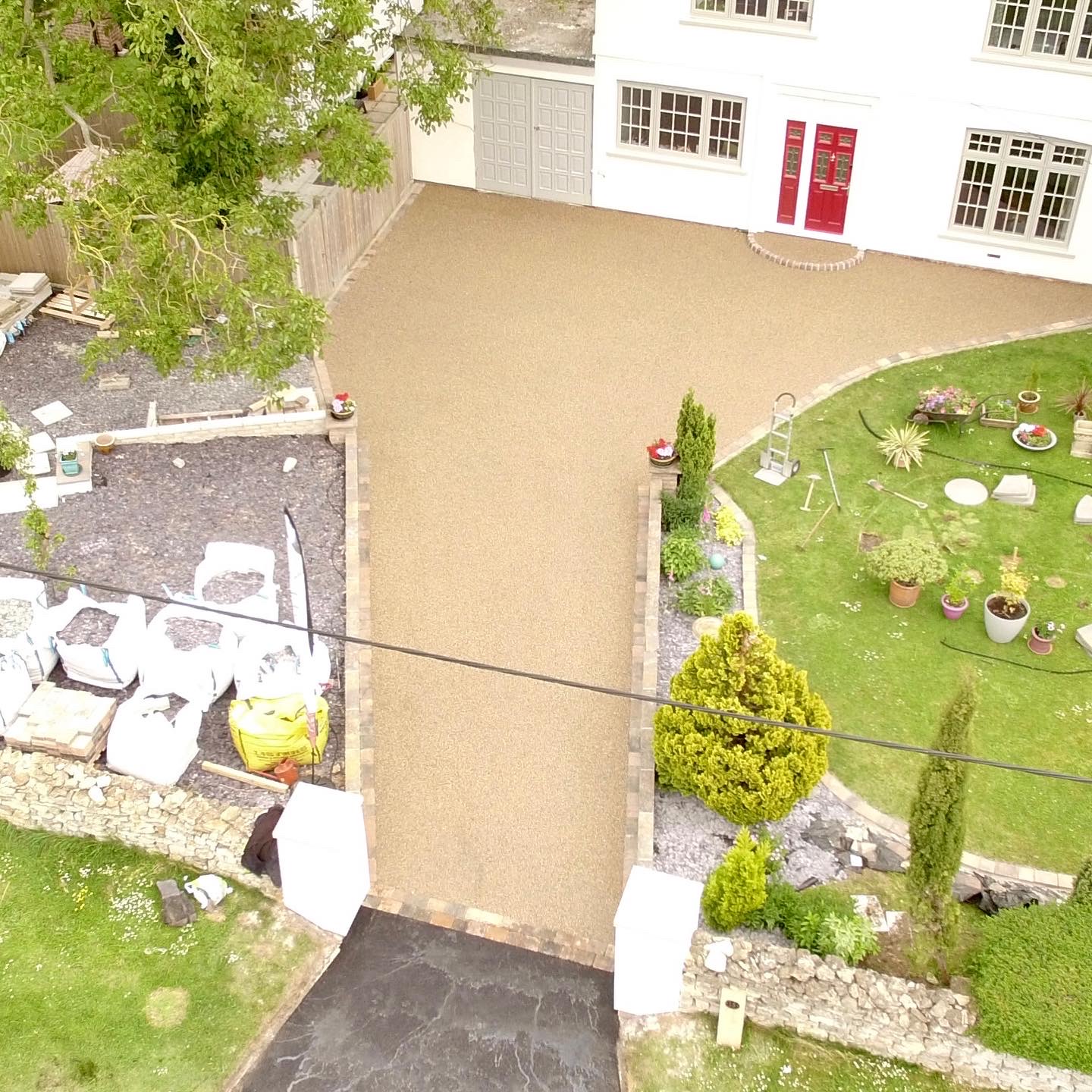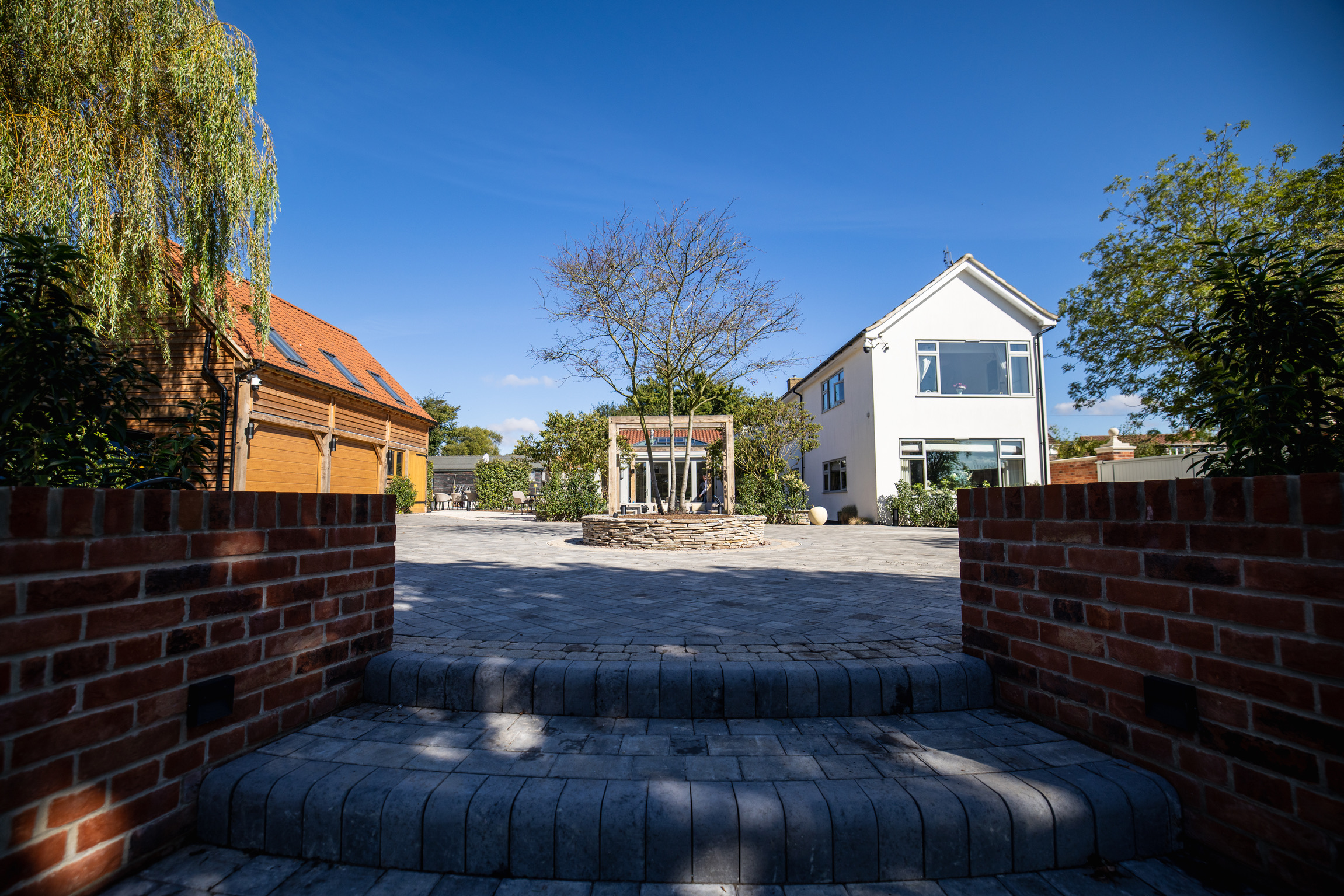
Landscaping Around Your Driveway

Landscaping around your driveway can dramatically improve the overall appearance of your property. While many homeowners focus solely on the driveway surface itself, the surrounding space plays a major role in how polished and cohesive the finished result looks.

A beautifully installed driveway can lose some of its impact if it is bordered by untidy edges, sparse planting or poorly considered front garden design. On the other hand, thoughtful landscaping around your driveway can elevate the entire front of your home, improve kerb appeal and create a more welcoming entrance.

With spring in full swing and gardens beginning to flourish, May is the ideal time to consider how landscaping can complement your driveway and maximise visual impact.

Why Is Landscaping Around Your Driveway Important?

Landscaping around your driveway helps frame the space and create a more intentional, premium finish.

Without landscaping, even a high-quality driveway can look incomplete. Borders, planting and hard landscaping features soften the edges of the driveway and help it blend naturally into the rest of the property.

In addition, well-planned landscaping can:

  • improve kerb appeal
  • add colour and visual interest
  • enhance drainage around the driveway
  • create clearer separation between driveway and garden
  • increase perceived property value

According to the Royal Horticultural Society’s front garden design guidance, front garden landscaping plays a significant role in creating attractive, functional entrances to residential properties.

What Plants Work Best for Landscaping Around Your Driveway?

Choosing the right planting is essential when landscaping around your driveway.

Plants should enhance the appearance of the space without obstructing vehicles, pathways or visibility.

Popular choices include:

  • low-growing evergreen shrubs
  • ornamental grasses
  • lavender and other drought-tolerant plants
  • compact flowering perennials
  • structured topiary for formal designs

When selecting plants, it’s worth considering long-term maintenance requirements as well as seasonal appearance.

Should You Add Borders When Landscaping Around Your Driveway?

Borders are one of the most effective ways to improve landscaping around your driveway.

A well-defined border helps separate the driveway from lawns, flower beds or pathways while creating a more finished appearance.

Popular border options include:

  • block paving edging
  • brick soldier courses
  • stone setts
  • raised planter edging

Borders can also help prevent gravel or soil from spilling onto the driveway surface.

If you’re planning a new driveway, our blog Choosing the Right Driveway for Your Home This Spring explores how design details can influence the final look of the installation.

Can Landscaping Around Your Driveway Improve Drainage?

Landscaping around your driveway is not purely aesthetic. Done correctly, it can also improve drainage.

Planting beds and permeable borders can help absorb surface water, while thoughtful grading can direct rainfall away from the driveway.

The UK Government guidance on sustainable drainage systems highlights the benefits of integrating drainage-conscious landscaping into property design.

This is particularly valuable for homes that experience pooling water near driveway edges.

How Can Lighting Enhance Landscaping Around Your Driveway?

Lighting is often overlooked when landscaping around your driveway, yet it can significantly improve both appearance and practicality.

Options include:

  • low-level pathway lighting
  • uplighting for planting features
  • driveway edge lighting
  • wall-mounted entrance lighting

Lighting not only enhances aesthetics in the evening but can also improve safety and visibility.

Our blog Innovative Driveway Solutions: How Smart Technology is Changing the Game explores modern lighting and smart driveway features in more detail.

What Mistakes Should You Avoid When Landscaping Around Your Driveway?

To achieve the best results, avoid common mistakes such as:

  • overplanting too close to the driveway
  • choosing plants that grow too large
  • blocking drainage routes
  • ignoring maintenance requirements
  • creating borders that clash with the driveway style

Successful landscaping should complement the driveway rather than compete with it.

Why May Is the Perfect Time for Landscaping Around Your Driveway

May offers ideal conditions for landscaping work.

Warmer temperatures and improving soil conditions make it easier to establish planting, while the spring season provides homeowners with a clear view of how their front garden can be improved ahead of summer.

Landscaping during May also allows plants time to establish before the hotter summer months.

Conclusion

Landscaping around your driveway is one of the most effective ways to maximise the visual impact of your property’s entrance. By combining thoughtful planting, attractive borders and practical design features, homeowners can create a driveway area that feels polished, welcoming and well considered.

Whether you’re installing a new driveway or simply improving an existing one, landscaping can make a substantial difference to the final result.

If you are planning driveway improvements this spring, the team at ALS Driveways Lincoln are always happy to help.


FAQs

What plants are best for landscaping around a driveway?

Low-growing shrubs, ornamental grasses and drought-tolerant perennials work well around driveways.

Can landscaping improve driveway drainage?

Yes. Planting beds and permeable borders can help absorb water and improve drainage.

Should driveway borders match the driveway material?

They don’t have to match exactly, but they should complement the overall design for a cohesive look.
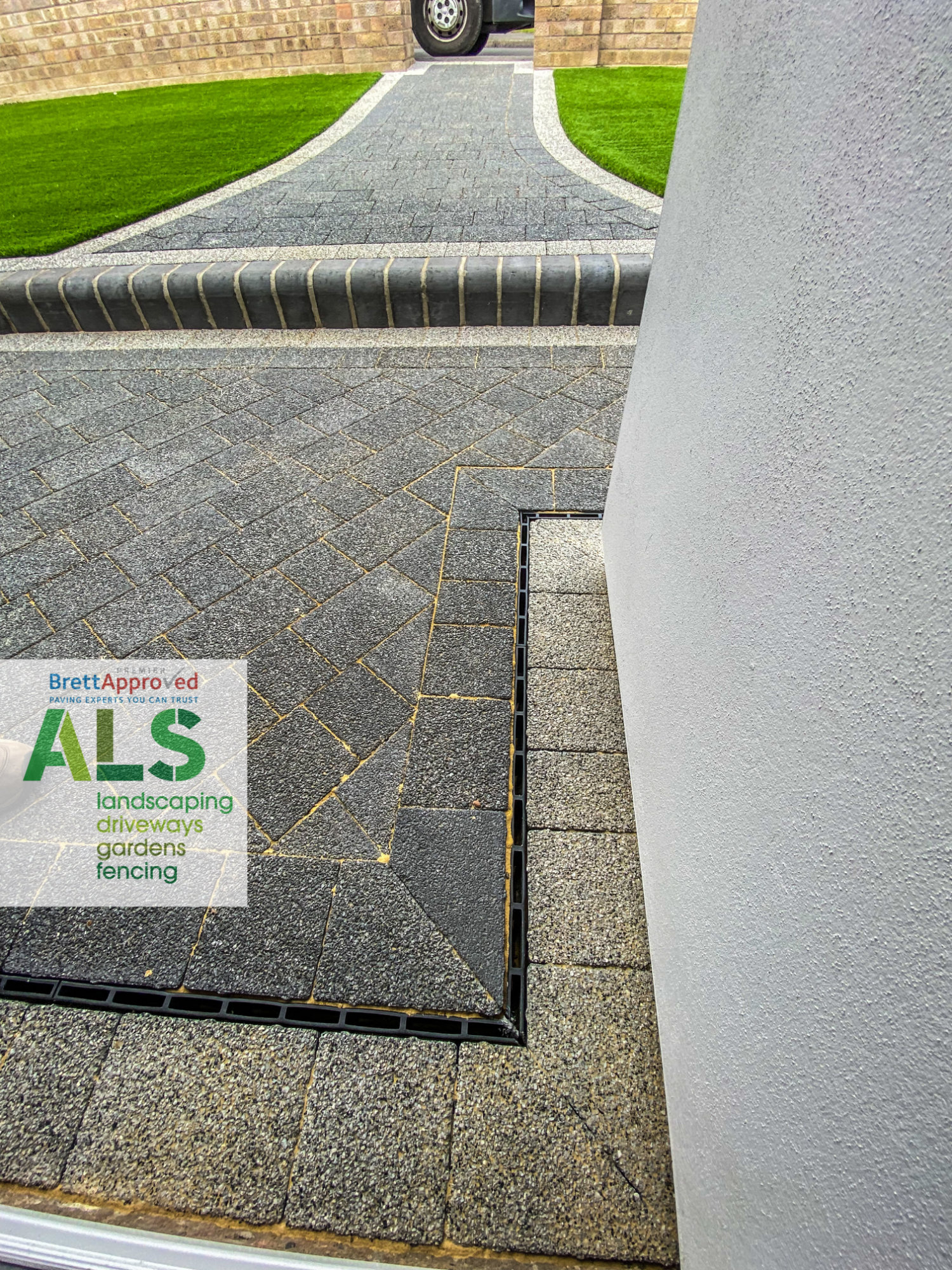
Choosing the Right Driveway for Your Home This Spring

Choosing the right driveway is an important decision for any homeowner, particularly in spring when many people begin planning improvements to their property. After assessing winter wear and considering whether an upgrade is needed, the next step is selecting a driveway that suits both your home and your lifestyle.

However, choosing the right driveway is not simply about appearance. It also involves understanding how different materials perform, how they handle drainage, and how well they stand up to daily use.

With a wide range of options available, taking the time to choose carefully can make a significant difference to both the look and longevity of your driveway.


What Should You Consider When Choosing the Right Driveway?

Choosing the right driveway starts with understanding your specific needs. Every property is different, and what works well for one home may not be suitable for another.

Key factors to consider include:

  • how often the driveway is used
  • the number and type of vehicles
  • drainage requirements
  • the style of your property
  • long-term maintenance expectations

In addition, local planning considerations may also play a role. The UK Planning Portal explains that certain driveway surfaces must meet drainage requirements to avoid the need for planning permission.


Which Driveway Materials Are Most Popular in the UK?

When choosing the right driveway, understanding the most common materials can help narrow down your options.

Some of the most popular choices include:

Block Paving
A versatile option that offers a traditional look and allows for easy repairs.

Resin-Bound Driveways
A modern, permeable surface that provides a smooth finish and excellent drainage.

Tarmac Driveways
A durable and cost-effective solution that performs well under regular use.

Gravel Driveways
A budget-friendly option with natural drainage benefits, although it requires ongoing maintenance.

Each material has its advantages, and the best choice depends on how the driveway will be used.


How Important Is Drainage When Choosing the Right Driveway?

Drainage plays a critical role when choosing the right driveway. Poor drainage can lead to standing water, which may cause long-term damage to the surface.

Gov.UK has a Draining & Surface Water Guide that highlights the importance of sustainable drainage systems in managing surface water effectively.

Permeable driveway materials are designed to allow water to pass through the surface, reducing the risk of pooling and helping to manage rainfall more efficiently.

If drainage has been an issue with your current driveway, this is an important factor to prioritise when selecting a new surface.


Should You Prioritise Appearance or Durability?

Choosing the right driveway often involves balancing appearance with durability.

While a driveway should complement the look of your home, it also needs to withstand daily use and changing weather conditions.

For example:

  • lighter surfaces may show marks more easily
  • darker finishes can hide wear but may fade over time
  • textured surfaces provide grip but may require more cleaning

It is important to choose a driveway that not only looks good initially but continues to perform well over time.

If improving your property’s appearance is a priority, our blog Selling Your Home? How a New Driveway Could Help You Close the Deal Faster explains how driveway upgrades can influence kerb appeal and property value.


How Does Budget Affect Choosing the Right Driveway?

Budget is naturally an important consideration when choosing the right driveway.

Costs can vary depending on:

  • the material selected
  • the size of the area
  • ground preparation requirements
  • drainage solutions
  • design features such as borders or patterns

While it may be tempting to choose the lowest-cost option, it is often worth considering long-term value. A higher-quality installation may reduce maintenance costs and last longer.

For a detailed breakdown, our guide Is a New Driveway Worth the Investment? Key Factors to Consider explores the financial side of driveway upgrades.


Why Spring Is the Ideal Time for Choosing the Right Driveway

Spring is one of the best times to choose and install a new driveway. The weather is generally more stable, and conditions are suitable for ground preparation and installation work.

In addition, starting the process in spring allows homeowners to:

  • secure installation dates before peak demand
  • complete work ahead of summer
  • enjoy the benefits of a new driveway sooner

The Met Office spring weather overview notes that improving conditions during spring make it a practical time for outdoor projects.


What Mistakes Should You Avoid When Choosing the Right Driveway?

When choosing the right driveway, there are a few common mistakes to avoid:

  • focusing only on appearance
  • overlooking drainage requirements
  • underestimating usage demands
  • choosing materials based on short-term cost
  • not considering long-term maintenance

Taking a balanced approach helps ensure the driveway meets both practical and aesthetic needs.

If you are exploring modern options, our blog Innovative Driveway Solutions: How Smart Technology is Changing the Game highlights new features homeowners are now considering.

Conclusion

Choosing the right driveway is an important step for any homeowner looking to improve their property this spring. By considering factors such as materials, drainage, durability and budget, it is possible to select a driveway that meets both practical needs and visual expectations.

Taking the time to make the right decision now can help ensure long-term performance and reduce future maintenance issues.

If you are planning a new driveway this year, the team at ALS Driveways Lincoln are always happy to offer advice and help you explore the best options for your home.


FAQs

What is the best driveway material for UK homes?

The best material depends on usage, drainage and budget, but resin, block paving and tarmac are popular choices.

Do I need planning permission for a new driveway?

In many cases no, but permeable surfaces are recommended to meet drainage regulations.

How long does a new driveway last?

Most driveways last many years, depending on the material, installation quality and maintenance.

Signs It’s Time to Upgrade Your Driveway This Year

Upgrade your driveway is something many homeowners start thinking about as spring arrives. After months of winter weather followed by early spring rain, this time of year often reveals how well your driveway has held up.

While some surfaces continue to perform well, others begin to show signs of wear that are harder to ignore. Cracks may become more visible, drainage issues more noticeable, and the overall appearance may start to impact your home’s kerb appeal.

However, knowing when to upgrade your driveway is not always straightforward. Some issues can be repaired, while others suggest that a full upgrade may be the better long-term option.

In this guide, we’ll look at the key signs that indicate it may be time to upgrade your driveway this year.

What Are the Clear Signs You Should Upgrade Your Driveway?

Upgrade your driveway becomes a consideration when multiple issues begin to appear at once rather than a single isolated problem.

For example, you may notice:

  • cracks spreading across the surface
  • uneven areas developing
  • water pooling after rainfall
  • fading or worn appearance

When several of these signs appear together, it often indicates that the surface has reached the end of its lifespan.

According to the NHBC homeowner guidance, external surfaces naturally deteriorate over time due to weather exposure and regular use.

Can Driveway Cracks Be Repaired or Do They Mean It’s Time to Upgrade Your Driveway?

Small cracks can often be repaired. However, larger or recurring cracks may suggest deeper structural issues.

If cracks continue to reappear after repairs, it could indicate problems with the sub-base beneath the surface.

In these cases, choosing to upgrade your driveway may provide a more durable and long-term solution.

If you are unsure, our guide Is a New Driveway Worth the Investment? Key Factors to Consider explains how to assess whether upgrading is the right decision.

Why Do Drainage Problems Often Lead Homeowners to Upgrade Their Driveway?

Drainage issues are one of the most common reasons homeowners choose to upgrade their driveway.

If water regularly pools on the surface, it can gradually weaken materials and create ongoing maintenance issues.

The CIRIA SuDS Manual highlights the importance of effective drainage systems in managing surface water and protecting paved areas.

Modern driveway installations often include permeable materials or built-in drainage solutions that prevent water from collecting.

Does Appearance Matter When You Upgrade Your Driveway?

Appearance plays a bigger role than many homeowners expect. A worn or outdated driveway can affect the overall look of your property.

As spring arrives, homeowners often spend more time outdoors, making kerb appeal more noticeable.

If your driveway looks tired, faded or uneven, upgrading can significantly improve the overall appearance of your home.

Our blog Maximising Kerb Appeal Before the Dark Nights Set In explains how driveway improvements can enhance your property’s exterior.

How Does Spring Make It Easier to Upgrade Your Driveway?

Spring is one of the best times to upgrade your driveway. Weather conditions are generally more stable, and installation work can be planned more efficiently.

In addition, starting the process early in the season allows homeowners to avoid peak demand later in the year.

The Planning Portal provides guidance on driveway planning considerations, including permeable surfaces and drainage requirements.

What Should You Consider Before You Upgrade Your Driveway?

Before making a decision, it’s important to consider a few key factors:

  • the condition of your current driveway
  • how you use the space
  • drainage requirements
  • long-term durability
  • overall budget

Taking these into account helps ensure the new driveway meets both practical and aesthetic needs.

If you are exploring options, our blog Innovative Driveway Solutions: How Smart Technology is Changing the Game highlights modern features homeowners are now choosing.

Conclusion

Upgrade your driveway is a decision many homeowners face as spring begins. While some issues can be repaired, others indicate that a full upgrade may be the more effective long-term solution.

By recognising the signs early, you can plan improvements at the right time and avoid ongoing maintenance problems.

A well-designed driveway not only improves functionality but also enhances the overall appearance of your home.

If you are considering upgrading your driveway this year, the team at ALS Driveways Lincoln are always happy to offer advice and help you explore the best options.


FAQs

How do I know if I should upgrade my driveway?

If your driveway has multiple issues such as cracks, drainage problems and surface wear, it may be time to upgrade.

Is spring a good time to install a new driveway?

Yes. Spring offers more stable weather conditions and better availability for installation work.

Can driveway drainage problems be fixed without replacing it?

In some cases yes, but persistent issues may require a full upgrade to resolve properly.


Common Driveway Myths Homeowners Still Believe

Common driveway myths homeowners still believe are surprisingly widespread. Many people rely on advice they have heard from neighbours, read online, or picked up from outdated sources. Unfortunately, some of this information can be misleading.

Driveways are exposed to weather, vehicle weight and daily use throughout the year. Because of this, choosing the right materials and understanding how to maintain them properly can make a significant difference to how long a driveway lasts.

However, when common driveway myths influence decisions about installation or maintenance, homeowners may unintentionally shorten the life of their driveway or spend money on unnecessary repairs.

Below, we explore some of the most common driveway myths homeowners still believe and explain the reality behind them.

Are All Driveways the Same? One of the Most Common Driveway Myths

One of the most common driveway myths is the belief that all driveway surfaces perform in roughly the same way. In reality, different driveway materials behave very differently depending on factors such as drainage, installation quality and local weather conditions.

For example, block paving allows individual blocks to be replaced if damage occurs, while resin-bound surfaces allow water to drain through the surface. Tarmac driveways provide a smooth, durable surface but rely heavily on proper installation of the base underneath.

Choosing the right material is therefore more important than many homeowners realise. Guidance from GOV.UK on paving front gardens explains that permeable surfaces are increasingly recommended to help manage rainwater and reduce local flooding.

If you are considering a new driveway, our blog Choosing the Best Driveway Material for Lincoln’s Climate explains how different materials perform in local conditions.

Do Driveways Really Need No Maintenance?

Another example of homeowner common driveway myths is the idea that once a driveway is installed, it requires no maintenance.

Although driveways are designed to be durable, they still benefit from occasional care. Leaves, dirt and debris can gradually accumulate on the surface, particularly during autumn and winter.

If this material remains on the driveway, it can trap moisture and encourage moss growth. Over time, this may affect both the appearance and performance of the surface.

The National House Building Council (NHBC) notes that regular maintenance of external surfaces helps maintain the condition of residential properties and surrounding structures.

Simple tasks such as sweeping debris, clearing drainage areas and removing moss can help keep a driveway in good condition.

Are Small Cracks Nothing to Worry About?

Many homeowners assume small cracks are purely cosmetic. This is another of the common driveway myths that can sometimes lead to bigger issues later.

Cracks allow water to enter the surface of a driveway. During colder weather, this moisture may freeze and expand, gradually widening the crack.

According to the Met Office, freeze–thaw cycles are common during UK winters, particularly when temperatures fluctuate around freezing.

If you notice small cracks appearing, our guide Driveway Repair vs Replacement: How to Make the Right Decision explains when minor repairs are enough and when it may be worth considering a more substantial solution.

Do New Driveways Last Forever?

Another widespread homeowner belief when discussing common driveway myths is that once a driveway has been installed, it should last indefinitely.

In reality, all external surfaces experience wear over time. Weather conditions, vehicle weight and environmental factors all gradually affect the surface.

The British Geological Survey highlights that ground movement and soil conditions can also influence how surfaces behave over time, particularly in areas with clay soils.

With proper installation and sensible maintenance, many driveways can last for decades. However, understanding that wear is natural helps homeowners plan improvements when necessary.

Does Driveway Drainage Really Matter?

Drainage is often overlooked when discussing driveways, yet it plays an essential role in protecting both the surface and the surrounding property.

Poor drainage can cause water to collect on the driveway surface. Over time, standing water may weaken certain materials or encourage moss growth.

The Environment Agency advises homeowners to manage surface water effectively to reduce flooding risks and protect property structures.

Modern driveway designs frequently incorporate drainage channels or permeable materials that allow water to drain away naturally. Our blog Why Permeable Paving is the Future of Driveway Design explores how permeable driveway surfaces help manage rainfall more effectively.

Can DIY Driveway Repairs Always Save Money?

Many homeowners enjoy tackling DIY projects, but another of the common driveway myths is that DIY driveway repairs always save money.

Driveways rely on more than just the visible surface. The sub-base beneath the driveway plays a critical role in supporting vehicle weight and maintaining stability.

If the base beneath the surface has shifted or deteriorated, repairing the surface alone may only provide a temporary solution.

Professional driveway installers understand how the sub-base, drainage and surface materials work together. In many cases, professional advice can prevent repeated repairs and provide a longer-lasting result.

Conclusion

Common driveway myths can lead homeowners to make decisions based on outdated or inaccurate information. Understanding the facts behind these myths can help ensure better long-term results.

Different materials behave in different ways, driveways benefit from occasional maintenance, and proper drainage is essential for long-term performance.

By separating fact from fiction, homeowners can make more informed decisions about caring for their driveway.

If you are considering a new driveway or would like advice about maintaining your existing one, the team at ALS Driveways Lincoln are always happy to help.

FAQs

What are the most common driveway myths?

Some of the most common driveway myths include the belief that all driveway materials perform the same, that driveways require no maintenance, and that small cracks can safely be ignored.

Do driveways require regular maintenance?

Yes. Sweeping debris, removing moss and checking drainage areas can help extend the life of a driveway.

How long should a driveway last?

The lifespan depends on the material, installation quality and maintenance, but many well-installed driveways last several decades.

How to Keep Your Driveway in Good Shape Through the Rest of Winter

Winter driveway maintenance that homeowners often overlook in the UK  becomes particularly important in late January, when freezing temperatures, rain and frost start to take their toll on outdoor surfaces.

By late January, winter has well and truly settled in. The festive rush is over, but the cold weather is far from finished. Frosty mornings, wet afternoons and the odd icy surprise are now part of daily life, and your driveway is right in the firing line. 

Good winter driveway maintenance UK practices can prevent small cracks and drainage issues turning into expensive repairs later in the year.This is the point in winter where small problems can quickly turn into bigger ones if they are ignored. The good news is that a few simple checks and sensible habits can help your driveway cope with whatever the rest of winter throws at it.

In this blog, we’ll look at practical ways to keep your driveway safe, tidy and in good condition through the remaining winter months, without overcomplicating things.

Simple Winter Driveway Maintenance Tips UK

Early winter preparation is important, but late January is often when driveways really start to feel the strain. Repeated freeze and thaw cycles, constant moisture and reduced daylight all take their toll.

According to the Met Office, January is typically one of the coldest months in the UK, with frequent overnight frosts and increased rainfall. These conditions are ideal for surface damage if water is allowed to sit or seep into cracks.

A quick check now can help prevent issues from getting worse before spring arrives.

Start With a Simple Inspection

You don’t need specialist equipment to spot potential problems. A slow walk up and down your driveway is often enough.

Look out for:

  • Cracks that appear wider than they were earlier in winter
  • Puddles that linger long after rain has stopped
  • Loose blocks or uneven patches
  • Moss or algae forming in shaded areas

If you want more detail on dealing with surface damage, our blog How to Deal with Potholes and Cracks: Quick Fixes for Your Driveway explains what to watch for and when action is needed.

Keep Moisture Under Control

Moisture is the main cause of winter driveway damage. When water gets into small gaps and freezes, it expands and slowly breaks the surface apart.

To reduce moisture problems:

  • Sweep away leaves and debris regularly
  • Keep drainage channels and gullies clear
  • Remove moss and algae where possible
  • Avoid letting snow or slush sit and refreeze

The Environment Agency advises homeowners to keep drainage routes clear during winter to prevent surface water issues, particularly during prolonged wet spells. This advice applies just as much to driveways as it does to gardens and paths.

If drainage has been an ongoing issue, it may be worth reading our blog Why Permeable Paving is the Future of Driveway Design for longer-term solutions.

Be Careful With De-Icing Products

By January, most households have used some form of de-icer. While this helps prevent slips, not all products are kind to driveway surfaces.

Rock salt can:

  • Cause surface erosion over time
  • Leave white staining
  • Damage nearby plants and grass

Safer alternatives include grit, sharp sand, or eco-friendly de-icers designed for domestic surfaces. The Royal Horticultural Society recommends choosing products that are less corrosive and safer for surrounding areas.

Avoid pouring boiling water onto ice. It may seem effective, but it can crack surfaces and refreeze quickly, making the problem worse.

Clean Gently When Conditions Allow

You don’t need to deep-clean your driveway in January, but a light clean on a mild day can help.

If temperatures are above freezing:

  • Sweep away grime and debris
  • Rinse with cold water if needed
  • Avoid pressure washing if frost is forecast overnight

For guidance that applies all year round, our blog Spring into Action: Driveway Cleaning and Repair Tips for the New Season offers useful advice that also works in winter, with a bit of common sense applied.

Watch for Safety Hazards

Mid-winter is when safety becomes just as important as appearance. Slippery surfaces, uneven paving and poor visibility all increase the risk of accidents.

Simple safety improvements include:

  • Improving outdoor lighting
  • Keeping edges clear and visible
  • Gritting known slippery areas
  • Fixing loose blocks or gravel promptly

Know When to Plan Ahead

Winter is not always the best time to carry out major driveway work, but it is an excellent time to plan.

If winter has highlighted ongoing issues such as poor drainage, cracking or lack of space, January is ideal for:

  • Researching materials
  • Thinking about layout changes
  • Budgeting for spring or summer work

Our blog Understanding the Costs of Driveway Installation and How to Budget can help you start thinking about next steps without pressure.

Conclusion

By late January, your driveway has already faced weeks of tough weather, and there is still plenty of winter left to come. A little attention now can make a big difference, and winter driveway maintenance UK homeowners carry out in January can protect surfaces until spring.

Regular sweeping, sensible use of de-icers, good drainage and basic inspections all go a long way towards keeping your driveway in good shape.

If winter has made you realise your driveway needs more than just maintenance, the team at ALS Driveways Lincoln are always happy to offer advice and help you plan a long-term solution when the time is right.


FAQs

Should I worry about driveway damage in January?
Yes. January’s freeze and thaw cycles can make small cracks and drainage issues worse if left unchecked.

Is it safe to clean my driveway in winter?
Yes, as long as temperatures are above freezing and the surface can dry before nightfall.

When should I start planning driveway improvements?
Winter is ideal for planning and budgeting, even if installation is scheduled for spring or summer.

The Benefits of Resin Driveways: Why They’re Perfect for Your Home

Is your driveway more of a pothole patchwork than poster child? A resin driveway might be the answer – offering durability, good looks, and clever drainage. Let’s take a look at why this option is ideal for your home.


1. Looks That Last

Resin-bound driveways are like the little black dress of surfacing – stylish, timeless, and always in vogue. Thanks to a mix of natural aggregates and clear resin, the result is a seamless, stone-carpet finish. You’ve got virtually endless colour and texture combinations to match your home’s vibe. Plus, resin resists fading as the UV-stable varieties hold their colour for years, Arbour Landscape Solutions agree with us in their blog – The Benefits of a Resin Bound Driveway, and Premier BrettApproved Paving Experts like us, offer guarantees too! That’s not just kerb appeal, it’s a long-term investment.


2. Low Maintenance (Time-Saving Perk!)

Nobody wants to spend Saturday mornings cleaning driveways. Resin surfaces need little more than a sweep and occasional jet wash – no re-pointing, no moss battles, no weeding. Resin-bound finishes resist weed growth and stay in shape through frost or heat. Our friends over at StoneSet Resin go into more detail in their recent blog What Makes Resin Bound Surfacing Low Maintenance and Long Lasting? Think of it like driveway pride without the backache.


3. Permeable — So No More Puddles

UK driveways can be like mini-lakes after heavy rain – especially in the LIncolnshire area, but resin driveways let water drain straight through into the ground. As they’re SuDS compliant, they reduce surface run-off and avoid trouble with planning regulations . No more ponding outside your front door, and no planning permission worries. To find out more read our Driveway Drainage Solutions UK blog.

4. Tough Enough for Daily Life

Kids, cars, bins, and bad weather – driveways take a beating. Resin is durable, flexible, and brimming with resilience. It works well over good bases and won’t crack like concrete can (en.wikipedia.org). You can expect it to stay looking good for 10–20 years, often more with care .

5. Safer Underfoot

According to Elite Landscapes, because it’s permeable and textured, resin reduces slip-risk – even in wet or icy conditions. Ideal if the kids are charging in or granny’s coming over—peace of mind all round.

6. Fits Any Home, Any Design

Whether your taste is sleek modern or traditional charm, resin has you covered. It fits around curves and gates with ease, and you can add borders or monograms for a personal touch. Gravel and tarmac don’t offer quite the same finish. Looking for some inspiration? Check out our projects page!

7. Quick and Tidy Installation

Professional resin crews (like us) can lay your driveway in just a day or two, and you can usually walk on it within 24 hours. That’s far faster than block paving, meaning less disruption and quicker results – your tea and biscuits can stay warm indoors. Don’t just take our word for it; have a look at our Testimonials page to see what our customers think about our service.

What to Keep in Mind

  • Budget: It’s not the cheapest option – expect around £180–£250 per m² for resin-bound work according to homebuilding.co.uk. But you’re paying for longevity, visual appeal, and hassle-free upkeep. And don’t worry if it ‘feels’ beyond budget – payment options are available – just get in touch for a quote.


  • Base Quality: The key is a sound base – get that right, and the resin will sing; get it wrong, and things could go pear-shaped and nobody wants that!

  • Professional installation: Do-it-yourself is not advised – resin works best in the hands of pros who know the ins and outs.

See It in Action

Local trends show a shift towards resin thanks to these benefits – but stick to the professional installers. If you want to see how we work, head over to our YouTube channel.


Useful Links

Want to compare other materials? Read the Best Driveway Material for Lincoln’s Climate.

Curious about permeability? Our guide Why Permeable Paving is the Future of Driveway Design is well worth a look.

Conclusion

A resin driveway is more than just a pretty surface – it’s a smart, long-term choice that trims maintenance, manages water responsibly, and boosts your home’s frontage. It pairs style with substance: looks that last, safety for all the family, and durability to tackle busy life and British weather.

If you’re after a driveway that’s robust, attractive, and fuss-free, resin is well worth a serious look. Here at ALS Driveways Lincoln, we’re happy to walk you through your options, show you samples, and recommend the type that’ll best suit your home and budget. Ring us up or drop us a message – it’d be our pleasure.


How long does a resin driveway last?
Generally 10–20 years and sometimes longer – with a good base and professional install, you’re looking at 25+ years of performance.

Is there planning permission needed?
Thanks to its permeability and SuDS compliance, resin-bound driveways usually fall under permitted development and don’t require planning permission.

Can resin driveways be used on slopes?
Yes – provided the base is stable and there’s proper edge restraint. Its permeability helps control water runoff on sloping sites.