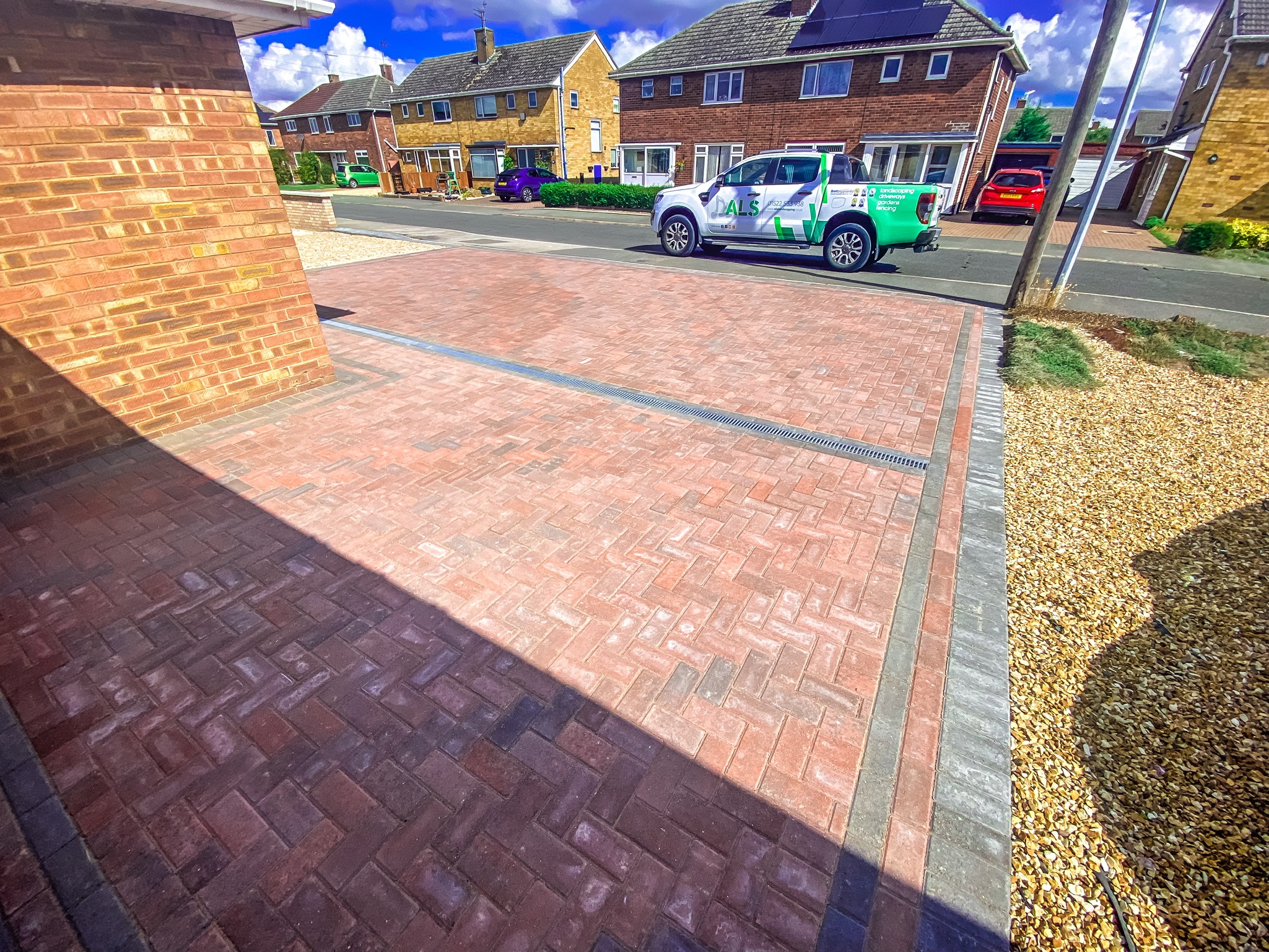
Although we know it’s not technically Winter yet, there have been times when it’s felt like it. When it does arrive, your driveway will face its toughest challenge – snow, ice, and freezing temperatures. Without proper care, winter can turn small cracks into large ones, cause unsightly potholes, and generally shorten the lifespan of your driveway. But with a few simple preparations, you can help your driveway withstand harsh winter conditions and prevent damage.
In this blog, we’ll walk you through essential tips to get your driveway ready for the cold months, keeping it looking good and performing well, whatever the weather throws at it.
Why Winter-Proofing Your Driveway is So Important
Let’s be honest, here in the UK we’re not strangers to rain, but winter’s freezing and thawing cycles can really play havoc with your driveway. Water seeps into small cracks, freezes, and expands—turning those small cracks into large ones. That’s not only bad for your driveway’s appearance but also for your wallet when spring rolls around.
Winter-proofing your driveway is about protecting your investment. It helps maintain the structural integrity of the surface, reducing the risk of needing costly repairs or replacements down the line.
1. Inspect and Repair Cracks Before Frost Arrives
Before the temperature drops below freezing, inspect your driveway for any cracks or holes. If water gets into these cracks, freezes, and expands, it can lead to significant damage. Fill small cracks with a good-quality crack filler to prevent further deterioration.
Tip: Asphalt driveways are particularly vulnerable to frost damage, so give them a thorough once-over. For concrete driveways, using a flexible caulking product designed for concrete will ensure it can expand and contract with temperature changes.
For more on maintaining your driveway year-round, check out our blog on Seasonal Driveway Care.
2. Apply a Quality Sealant
One of the best ways to protect your driveway from winter weather is by applying a high-quality sealant. Sealing your driveway helps to repel water, prevent ice formation, and guard against chemicals like rock salt. It’s particularly important for asphalt driveways, which should be sealed every 2-3 years. Concrete driveways can benefit from a sealant too, reducing surface wear and preventing water infiltration.
Pro Tip: Sealing is most effective if applied before winter hits, but it needs time to cure. Make sure you plan for a mild, dry day, ideally in late autumn, to get this task done.
3. Ensure Proper Drainage
Standing water is your driveway’s worst enemy during the winter. When temperatures drop, water left on the surface freezes, leading to cracks or frost heaving. Make sure your driveway has proper drainage to avoid pooling water, especially around the edges. You might want to consider adding drainage channels or improving the slope of your driveway if water tends to collect.
For some homeowners, a simple fix like clearing blocked gutters or drains can solve the problem. But if your driveway slopes the wrong way, directing water toward your house or a low point, you’ll want to call in a professional for a permanent solution.
4. Shovel Regularly and Choose the Right Tools
Snow and ice can cause long-term damage if left to sit on your driveway. Regular snow removal can help prevent ice from forming and reduce moisture penetration. Use a plastic or rubber-edged shovel to avoid scratching or damaging the surface of your driveway.
For those in Lincoln or other areas where snow isn’t too heavy but persistent, keeping up with snow removal is key. Avoid using metal shovels, which can scratch asphalt or concrete, leaving them vulnerable to further weather damage.
5. Be Careful with De-Icers
We get it – ice is a pain, but be careful with de-icing products. Rock salt (sodium chloride) is commonly used to melt ice, but it can be tough on your driveway. Salt can seep into the surface, causing it to break down, particularly in concrete driveways.
Opt for calcium magnesium acetate (CMA), which is much gentler on your driveway and the environment. Sand is another great alternative for adding traction without damaging your driveway surface.
Top Tip: Avoid applying de-icers too early or too often. Shovel first, then apply de-icer sparingly to problem areas.
6. Maintain Driveway Edges
Driveway edges often get the most wear and tear during winter, especially if you’re using a snowplough or shovelling regularly. Cracks tend to start at the edges and work their way inwards, so reinforcing and maintaining these areas is crucial.
If your driveway has edging like block paving or stone, make sure it’s firmly in place and free of any gaps where water can pool or freeze.
For more on driveway edging maintenance, see our Transform Your Driveway with Decorative Borders and Edging blog.
7. Think Long-Term: Plan for a Spring Inspection
Winter may be tough, but spring is the ideal time to check how your driveway has fared. After winter passes, inspect your driveway again to identify any damage that might have occurred, and repair it immediately to prevent small issues from turning into big problems.
Conclusion
Winter-proofing your driveway doesn’t need to be complicated, but it is essential. By repairing cracks, sealing the surface, ensuring good drainage, and being mindful of the tools and products you use, you’ll keep your driveway in top condition throughout the cold months.
If you’re unsure where to start or need professional help, ALS Driveways, Lincoln is here to offer expert advice and services tailored to your driveway’s needs. Contact us today for a free consultation, and let’s make sure your driveway stands up to whatever winter throws at it!
FAQs:
How often should I seal my driveway to protect it from winter damage?
You should seal an asphalt driveway every 2-3 years and concrete driveways when you notice surface wear. Sealing before winter is ideal to prevent water from seeping in and causing cracks.
What is the best way to remove snow from my driveway without causing damage?
Use a plastic or rubber-edged shovel to clear snow. Avoid using metal tools that can scratch the surface, and be gentle with de-icers, choosing eco-friendly options like calcium magnesium acetate.
How can I prevent water from freezing on my driveway during winter?
Ensure your driveway has proper drainage to avoid pooling water. Regularly shovel snow to prevent ice build-up, and consider adding a sealant to create a waterproof barrier.