The Benefits of Resin Driveways: Why They’re Perfect for Your Home

Is your driveway more of a pothole patchwork than poster child? A resin driveway might be the answer – offering durability, good looks, and clever drainage. Let’s take a look at why this option is ideal for your home.


1. Looks That Last

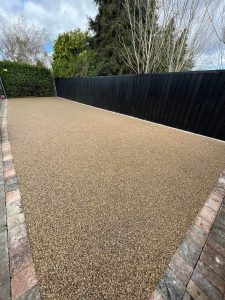
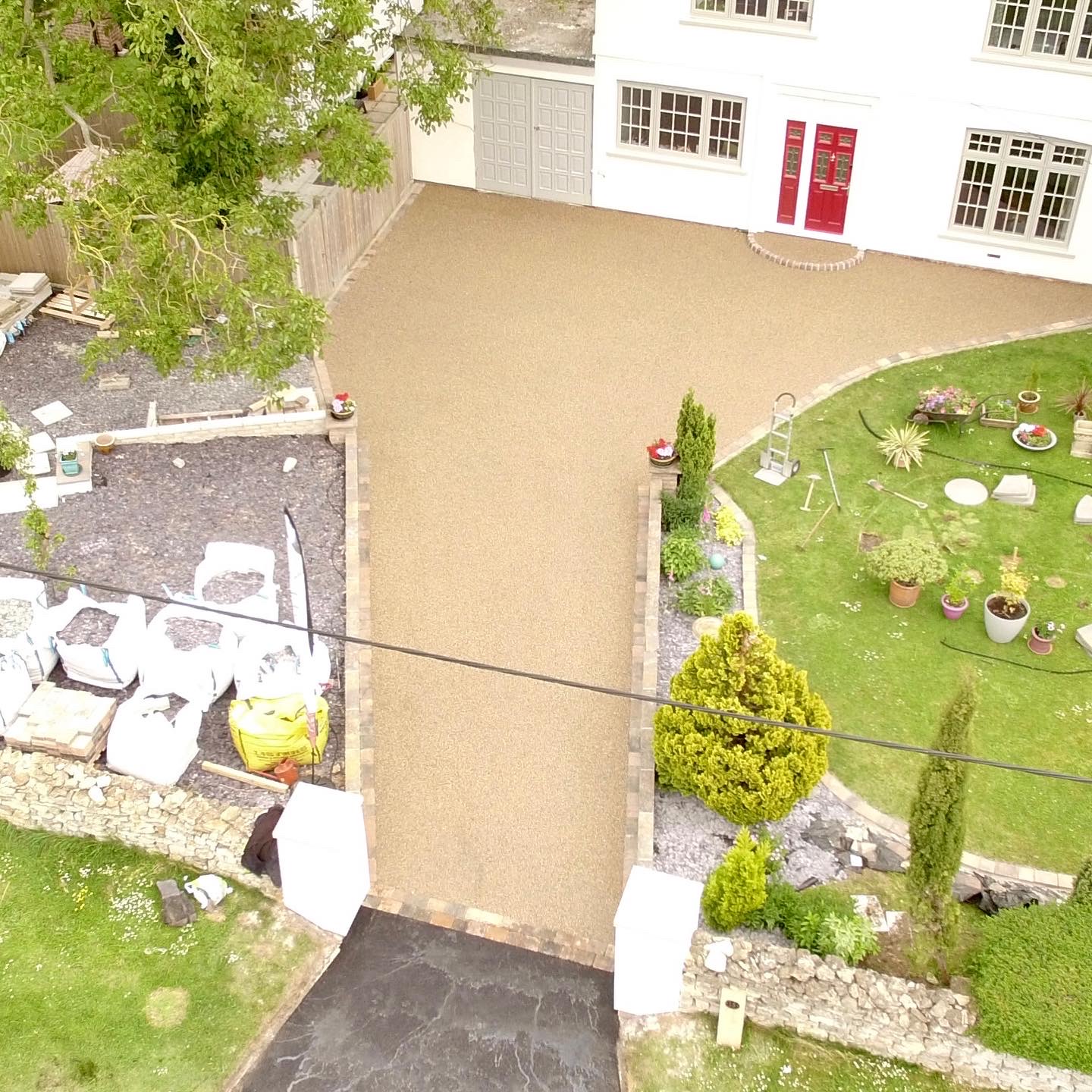
Resin-bound driveways are like the little black dress of surfacing – stylish, timeless, and always in vogue. Thanks to a mix of natural aggregates and clear resin, the result is a seamless, stone-carpet finish. You’ve got virtually endless colour and texture combinations to match your home’s vibe. Plus, resin resists fading as the UV-stable varieties hold their colour for years, Arbour Landscape Solutions agree with us in their blog – The Benefits of a Resin Bound Driveway, and Premier BrettApproved Paving Experts like us, offer guarantees too! That’s not just kerb appeal, it’s a long-term investment.


2. Low Maintenance (Time-Saving Perk!)

Nobody wants to spend Saturday mornings cleaning driveways. Resin surfaces need little more than a sweep and occasional jet wash – no re-pointing, no moss battles, no weeding. Resin-bound finishes resist weed growth and stay in shape through frost or heat. Our friends over at StoneSet Resin go into more detail in their recent blog What Makes Resin Bound Surfacing Low Maintenance and Long Lasting? Think of it like driveway pride without the backache.


3. Permeable — So No More Puddles

UK driveways can be like mini-lakes after heavy rain – especially in the LIncolnshire area, but resin driveways let water drain straight through into the ground. As they’re SuDS compliant, they reduce surface run-off and avoid trouble with planning regulations . No more ponding outside your front door, and no planning permission worries. To find out more read our Driveway Drainage Solutions UK blog.

4. Tough Enough for Daily Life

Kids, cars, bins, and bad weather – driveways take a beating. Resin is durable, flexible, and brimming with resilience. It works well over good bases and won’t crack like concrete can (en.wikipedia.org). You can expect it to stay looking good for 10–20 years, often more with care .

5. Safer Underfoot

According to Elite Landscapes, because it’s permeable and textured, resin reduces slip-risk – even in wet or icy conditions. Ideal if the kids are charging in or granny’s coming over—peace of mind all round.

6. Fits Any Home, Any Design

Whether your taste is sleek modern or traditional charm, resin has you covered. It fits around curves and gates with ease, and you can add borders or monograms for a personal touch. Gravel and tarmac don’t offer quite the same finish. Looking for some inspiration? Check out our projects page!

7. Quick and Tidy Installation

Professional resin crews (like us) can lay your driveway in just a day or two, and you can usually walk on it within 24 hours. That’s far faster than block paving, meaning less disruption and quicker results – your tea and biscuits can stay warm indoors. Don’t just take our word for it; have a look at our Testimonials page to see what our customers think about our service.

What to Keep in Mind

  • Budget: It’s not the cheapest option – expect around £180–£250 per m² for resin-bound work according to homebuilding.co.uk. But you’re paying for longevity, visual appeal, and hassle-free upkeep. And don’t worry if it ‘feels’ beyond budget – payment options are available – just get in touch for a quote.


  • Base Quality: The key is a sound base – get that right, and the resin will sing; get it wrong, and things could go pear-shaped and nobody wants that!

  • Professional installation: Do-it-yourself is not advised – resin works best in the hands of pros who know the ins and outs.

See It in Action

Local trends show a shift towards resin thanks to these benefits – but stick to the professional installers. If you want to see how we work, head over to our YouTube channel.


Useful Links

Want to compare other materials? Read the Best Driveway Material for Lincoln’s Climate.

Curious about permeability? Our guide Why Permeable Paving is the Future of Driveway Design is well worth a look.

Conclusion

A resin driveway is more than just a pretty surface – it’s a smart, long-term choice that trims maintenance, manages water responsibly, and boosts your home’s frontage. It pairs style with substance: looks that last, safety for all the family, and durability to tackle busy life and British weather.

If you’re after a driveway that’s robust, attractive, and fuss-free, resin is well worth a serious look. Here at ALS Driveways Lincoln, we’re happy to walk you through your options, show you samples, and recommend the type that’ll best suit your home and budget. Ring us up or drop us a message – it’d be our pleasure.


How long does a resin driveway last?
Generally 10–20 years and sometimes longer – with a good base and professional install, you’re looking at 25+ years of performance.

Is there planning permission needed?
Thanks to its permeability and SuDS compliance, resin-bound driveways usually fall under permitted development and don’t require planning permission.

Can resin driveways be used on slopes?
Yes – provided the base is stable and there’s proper edge restraint. Its permeability helps control water runoff on sloping sites.

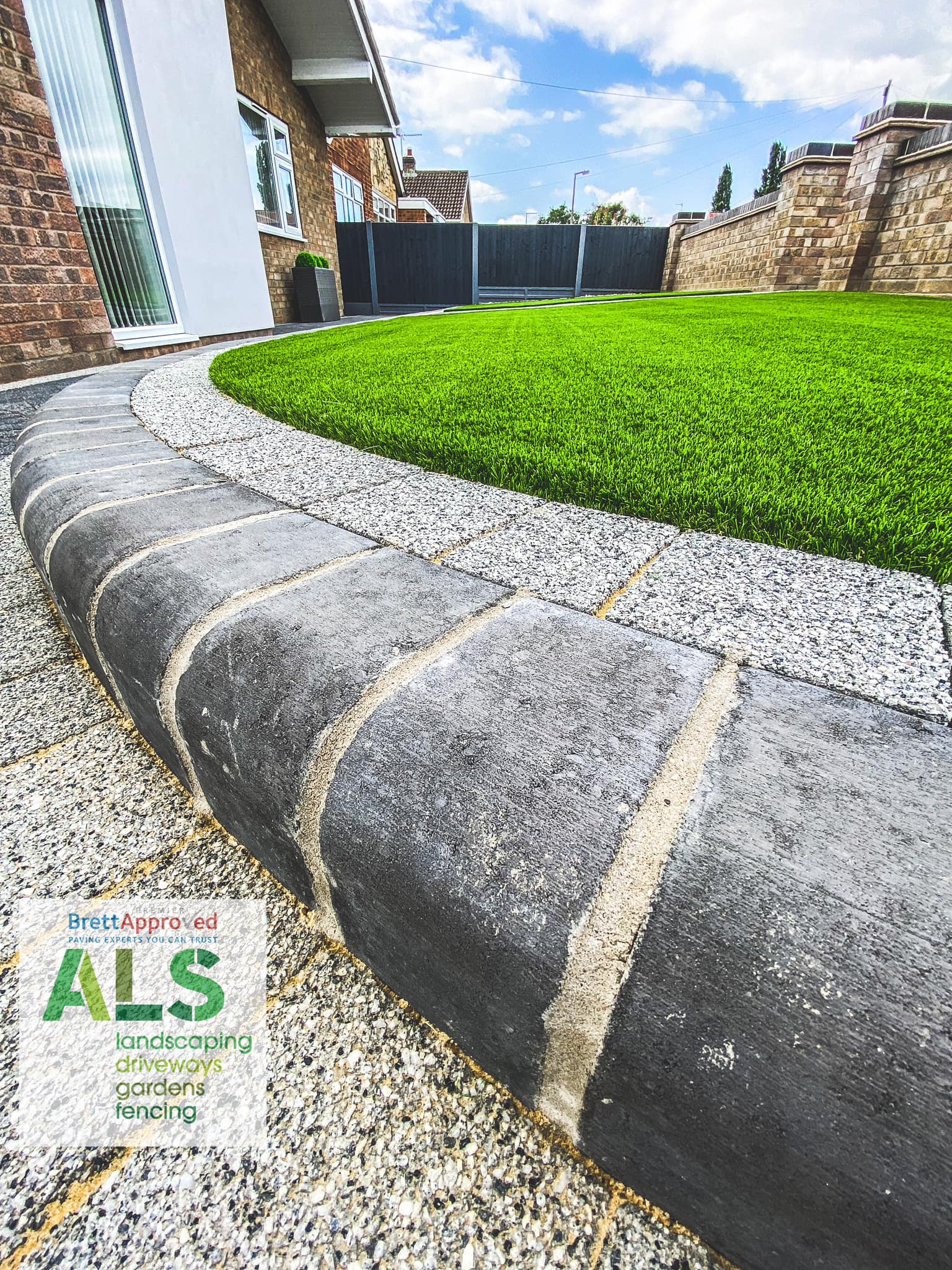
Why Permeable Paving is the Future of Driveway Design

In recent years, the humble driveway has undergone a transformation. No longer just a place to park your car, it’s now a statement of style, sustainability, and smart design. One of the most significant innovations leading this change is permeable paving. But what exactly is it, and why is it becoming the go-to choice for homeowners across the UK?

Understanding Permeable Paving

Permeable paving refers to a range of materials and techniques designed to allow water to pass through the surface, reducing runoff and promoting natural drainage into the ground below. Unlike traditional impermeable surfaces, which can contribute to flooding and water pollution, permeable options support sustainable water management practices.

This approach aligns with Sustainable Urban Drainage Systems (SuDS), which aim to manage rainfall in urban areas, reducing the risk of flooding and improving water quality.

The Benefits of Permeable Paving

1. Effective Water Management

With permeable paving, rainwater seeps through the surface, reducing runoff and promoting natural drainage into the ground below. This not only mitigates the risk of flooding but also helps replenish groundwater levels.

In fact, the UK government notes that permeable surfaces can significantly reduce the need for additional drainage systems, making them an environmentally friendly choice for homeowners. (Driveline Paving LTD)

2. Planning Permission Advantages

In the UK, if you’re paving over more than five square metres of your front garden with traditional, impermeable materials, you might need planning permission. However, permeable surfaces like gravel, permeable concrete block paving, or porous asphalt typically don’t require such permissions. (Planning Portal)

This means you can upgrade your driveway without the added hassle of navigating complex planning regulations.

3. Environmental Impact

Permeable paving supports sustainable urban drainage systems (SuDS), helping to reduce the risk of flooding and water pollution. By allowing water to filter through the comparative guidesurface, these systems can trap suspended solids and filter pollutants from stormwater.

Moreover, by reducing surface runoff, permeable paving helps prevent the overwhelming of sewer systems during heavy rainfall, a common issue in many urban areas.

4. Aesthetic Versatility

From resin-bound gravel to permeable concrete blocks, there’s a range of materials and colours to suit every home’s aesthetic. Whether you’re after a sleek modern look or a more traditional feel, permeable paving has got you covered.

For inspiration on how to enhance your driveway’s appearance, check out our previous blog on The Benefits of Permeable Driveway Paving: Eco-Friendly and Practical Solutions.

Popular Permeable Paving Options

Resin-Bound Gravel

A mixture of aggregate stones and resin, this surface is smooth, durable, and allows water to drain through effectively. It’s a flexible surfacing material, resistant to cracking, and conforms to SuDS standards.

Resin-bound gravel is also known for its low maintenance requirements and long-lasting finish, making it a popular choice among homeowners.

Permeable Concrete Block Paving

Designed with gaps to facilitate water infiltration, these blocks are both functional and visually appealing. They are suitable for areas with light vehicular traffic and can enhance the aesthetic appeal of your property.

This type of paving is particularly effective when combined with a well-designed sub-base that promotes efficient water drainage.

Porous Asphalt and Concrete

These materials have a porous structure that permits water to seep through, making them suitable for areas with heavy rainfall. They are commonly used on roads, paths, and parking lots subject to light vehicular traffic.

Porous asphalt and concrete are durable options that can withstand the UK’s variable weather conditions while providing effective drainage solutions.

Gravel

A cost-effective option, gravel driveways allow for excellent drainage but may require more maintenance to prevent displacement. Stabilised gravel, in particular, offers great drainage and can easily be altered and repaired.

For more on choosing the best driveway material for Lincoln’s climate, consider reading our comparative guide.

Maintenance Considerations

While permeable driveways may require periodic cleaning to prevent clogging, regular upkeep ensures long-term performance and appearance. For instance, resin-bound surfaces should be swept or power washed at least twice a year to avoid the build-up of detritus and prevent the growth of moss or algae.

Additionally, it’s advisable to inspect the paving annually for signs of wear or damage, addressing any issues promptly to maintain its effectiveness.

For a comprehensive guide on maintaining your driveway, refer to our blog on Maximising the Lifespan of Your Driveway: Maintenance and Enhancement Tips.

Conclusion

Permeable paving represents a significant advancement in driveway design, offering environmental benefits, regulatory compliance, and aesthetic versatility. As we look to build more sustainable communities, embracing such innovations is not just beneficial – it’s essential.

At ALS Driveways Lincoln, we’re committed to helping you make informed decisions about your driveway needs. Whether you’re considering a new installation or upgrading an existing one, our team is here to provide expert advice and quality service.

By integrating permeable paving into your driveway design, you’re not only enhancing the functionality and appearance of your property but also contributing to a more sustainable and environmentally friendly future.

From Planning to Payoff: How to Maximise the ROI of a New Driveway Installation

Investing in a new driveway isn’t just about aesthetics—it’s a smart financial decision. A well-installed driveway can boost your property’s value, improve kerb appeal, and even make everyday life more convenient. But how do you ensure you get the best return on your investment (ROI)?

Whether you’re installing a driveway to enhance your home, increase resale value, or improve functionality, careful planning is key to maximising your investment. In this blog, we’ll guide you through every stage of the process, from material selection to long-term maintenance, so you get the most out of your driveway.

1. Why a Driveway is a Smart Investment

A professionally installed driveway provides multiple benefits beyond just a place to park your car.

Financial Benefits of a Driveway Installation:

  • Increases Property Value: According to Homebuilding & Renovating, well-designed driveway can add up to 10% to your home’s value.
  • Boosts Kerb Appeal: A high-quality driveway creates a strong first impression for visitors or potential buyers.
  • Reduces Maintenance Costs: Investing in durable materials and proper installation prevents costly repairs down the line.
  • Improves Practicality: More parking space can make your home more attractive to buyers, particularly in areas with limited on-street parking.


 If you’re thinking about whether to repair or replace your existing driveway, check out our blog on Driveway Repair vs. Replacement: How to Make the Right Decision.

2. Planning Your Driveway for Maximum ROI

A well-planned driveway project ensures you get the best results. Here’s what to consider:

a. Choose the Right Material for Your Budget and Needs

The material you select plays a major role in the longevity, appearance, and value of your driveway. Here’s a quick comparison:

Material Average Lifespan Pros Cons ROI Potential
Block Paving 30+ years Customisable, durable, easy to repair Higher upfront cost, requires re-sanding ⭐⭐⭐⭐⭐
Resin-Bound  15-20 years Smooth, modern look, permeable for drainage More expensive than standard gravel ⭐⭐⭐⭐
Tarmac (Asphalt) 15-25 years Cost-effective, quick installation Can soften in extreme heat, requires resealing ⭐⭐⭐⭐
Concrete 25-30 years Durable, low maintenance Can crack over time, limited design options ⭐⭐⭐
Gravel 10-15 years Affordable, easy to install Requires regular upkeep, can shift over time ⭐⭐⭐

If you want to balance cost and long-term value, block paving and resin-bound offer the best ROI.

b. Consider Your Driveway Layout and Size

Maximising space is essential. A well-thought-out design should:

  • Provide enough room for multiple vehicles if space allows.
  • Ensure easy access and exit.
  • Include edging or decorative borders for a polished look.

c. Factor in Drainage Solutions

A driveway with poor drainage can lead to pooling water, which weakens the surface over time. Proper planning includes:

  • Using permeable materials like resin-bound gravel or permeable block paving.
  • Installing drainage channels to prevent water damage.
  • Ensuring the driveway is sloped correctly to direct water away from your home.

Find out more about eco-friendly driveway materials in our blog on Sustainable Driveways: Eco-Friendly Materials and Installation Techniques.

3. How to Ensure a High-Quality Installation

Even the best materials won’t deliver good ROI if the installation is poor.

a. Work with Experienced Professionals

Choosing a trusted driveway installer, like ALS Driveways Lincoln, ensures your driveway is laid correctly and built to last.

b. Focus on Sub-Base Quality

The foundation is crucial for longevity. A poor sub-base leads to sinking and cracking, so ensure your installer uses the right materials and compaction techniques.

c. Add Finishing Touches for Kerb Appeal

Small details can make a big difference in ROI. Consider:

  • Decorative Edging: A neat border can elevate the look of your driveway.
  • Lighting: Improves security and enhances appearance at night.
  • Landscaping Integration: Blending your driveway with your garden creates a seamless look.

4. Long-Term Maintenance for Continued Value

Maintaining your driveway properly prevents damage and ensures it retains its appeal.

a. Regular Cleaning

  • Use a pressure washer for block paving and concrete.
  • Sweep gravel driveways regularly to maintain an even surface.

b. Weed and Moss Prevention

  • Apply a weed killer periodically to prevent plant growth.
  • Re-sand block paving every few years to maintain stability.

c. Resealing (If Needed)

  • Tarmac and concrete driveways benefit from resealing every few years to maintain durability.

A well-maintained driveway can last twice as long, doubling your return on investment!

5. Selling Your Home? How to Use Your Driveway as a Selling Point

If you’re planning to sell, your driveway can give you an edge in the property market.

a. Make Sure It’s in Good Condition

A damaged or neglected driveway can put buyers off. If needed, refresh the surface or relevel block paving before listing your property.

b. Highlight the Benefits in Your Listing

If your driveway offers off-street parking, is low maintenance, or was newly installed, make sure to mention it in your property listing!

c. Consider Staging the Driveway

Simple touches like potted plants, a fresh coat of paint on your garage door, or well-placed outdoor lighting can enhance first impressions.

Conclusion

A well-planned, professionally installed driveway isn’t just about convenience – it’s an investment that can significantly boost your property’s value and visual appeal. By choosing the right materials, ensuring quality installation, and maintaining it properly, you can maximise your driveway’s ROI and enjoy the benefits for years to come.

If you’re considering a new driveway, ALS Driveways Lincoln can help you make the right choices to get the best long-term value. Contact us today for expert advice and a no-obligation quote!

Understanding the Costs of Driveway Installation and How to Budget

A new driveway is a worthwhile investment that can boost your property’s curb appeal, provide practical benefits, and even increase its value. However, understanding the costs involved is crucial to ensure you’re financially prepared. From material choices and labour expenses to long-term maintenance, several factors influence the final price.

This guide breaks down the costs of driveway installation in the UK and offers tips to help you budget effectively for a driveway that meets your needs without breaking the bank.

1. What Affects the Cost of a Driveway Installation?

Before diving into specific numbers, it’s important to understand what influences the cost of a driveway project.

a. Size of the Driveway

The larger the driveway, the higher the cost, as more materials and labour are required. A driveway for two cars will naturally cost less than one designed to accommodate multiple vehicles.

b. Choice of Materials

The type of material you choose has a significant impact on your overall costs. Materials range from budget-friendly gravel to high-end block paving. Each has its advantages and price points:

  • Gravel: Affordable but requires frequent replenishment.
  • Concrete: Durable and versatile, with a mid-range cost.
  • Asphalt: Low maintenance but with a shorter lifespan.
  • Resin-Bound Gravel: Sleek and modern but more expensive upfront.
  • Block Paving: Premium in both appearance and cost.

 For a detailed comparison, visit our blog on Which Type of Driveway is Best?.

c. Site Preparation

If your site requires additional groundwork – such as removing an old driveway, levelling uneven areas, or improving drainage – these factors will increase costs.

d. Labour Costs

Labour rates can vary depending on the complexity of the installation, the region, and the contractor. In the UK, labour typically costs between £50–£100 per square metre.

e. Additional Features

Optional upgrades like decorative edging, integrated lighting, or drainage channels will add to your expenses but can significantly enhance the functionality and appearance of your driveway.

2. Average Costs by Material

Here’s an approximate guide to driveway installation costs in the UK, including materials and labour:

  • Gravel: £40–£60 per square metre.
  • Asphalt: £50–£80 per square metre.
  • Concrete: £70–£120 per square metre.
  • Resin-Bound Gravel: £90–£150 per square metre.
  • Block Paving: £100–£200 per square metre.

Prices can vary based on the complexity of the project and location. For the most accurate estimate, consult a reputable contractor like ALS Driveways.

3. Hidden Costs to Consider

When budgeting for a driveway installation, it’s important to account for potential hidden costs:

a. Drainage Installation

Proper drainage is essential to prevent water pooling on your driveway, which can lead to damage over time. Adding drainage channels or soakaways can increase the overall cost.

b. Waste Removal

If you’re replacing an old driveway, you’ll need to factor in the cost of removing and disposing of the existing materials.

c. Long-Term Maintenance

Some materials require more upkeep than others. For example, gravel driveways need regular top-ups, while concrete driveways may require occasional sealing.

d. Permits and Planning

In certain cases, you may need planning permission for a new driveway, particularly if it involves altering your property’s drainage. Be sure to check with your local council. Learn more about driveway regulations on the GOV.UK Planning Portal.

4. How to Budget for Your Driveway Installation

Creating a realistic budget ensures you can achieve your desired outcome without unexpected costs. Here are some tips:

a. Get Multiple Quotes

Obtain at least three quotes from reputable contractors to compare prices and services. This gives you a clearer idea of what’s reasonable for your area.

b. Prioritise Your Needs

Focus on what’s most important to you – whether it’s durability, aesthetics, or low maintenance – and allocate your budget accordingly.

c. Plan for Contingencies

Set aside 10–15% of your budget for unforeseen expenses, such as extra groundwork or changes to the design.

d. Explore Financing Options

Many companies, including ALS Driveways, offer financing plans to help you spread the cost of your project. This allows you to invest in higher-quality materials without straining your budget.

5. Should You DIY or Hire a Professional?

While DIY installations might seem like a cost-saving option, they come with risks. Driveway installation requires expertise to ensure proper drainage, stability, and durability. Mistakes can lead to costly repairs down the line. Hiring a professional contractor ensures the job is done to a high standard, saving you time and stress.

6. Why Choose ALS Driveways?

At ALS Driveways Lincoln, we understand that a new driveway is a big investment. That’s why we work closely with our customers to provide tailored solutions that suit their budget and requirements. From material selection to site preparation and installation, we ensure every project is completed to the highest standard.

7. Cost vs. Value: Is a New Driveway Worth It?

A professionally installed driveway isn’t just an expense – it’s an investment. Here’s why:

  • Increased Property Value: A well-maintained driveway can boost your home’s market value.
  • Improved Curb Appeal: An attractive driveway creates a great first impression.
  • Longevity: Choosing durable materials ensures your investment lasts for years to come.

Conclusion

Understanding the costs of driveway installation and planning your budget effectively are key to achieving a driveway that enhances your home and meets your needs. By considering factors like material choice, site preparation, and long-term maintenance, you can make an informed decision that fits your budget.

If you’re ready to start your driveway project, contact ALS Driveways Lincoln today for a no-obligation quote. Let us help you create a driveway that’s as functional as it is beautiful.

Winter-Proofing Your Driveway: Essential Tips for Cold Weather

Although we know it’s not technically Winter yet, there have been times when it’s felt like it. When it does arrive, your driveway will face its toughest challenge – snow, ice, and freezing temperatures. Without proper care, winter can turn small cracks into large ones, cause unsightly potholes, and generally shorten the lifespan of your driveway. But with a few simple preparations, you can help your driveway withstand harsh winter conditions and prevent damage.

In this blog, we’ll walk you through essential tips to get your driveway ready for the cold months, keeping it looking good and performing well, whatever the weather throws at it.

Why Winter-Proofing Your Driveway is So Important

Let’s be honest, here in the UK we’re not strangers to rain, but winter’s freezing and thawing cycles can really play havoc with your driveway. Water seeps into small cracks, freezes, and expands—turning those small cracks into large ones. That’s not only bad for your driveway’s appearance but also for your wallet when spring rolls around.

Winter-proofing your driveway is about protecting your investment. It helps maintain the structural integrity of the surface, reducing the risk of needing costly repairs or replacements down the line.

1. Inspect and Repair Cracks Before Frost Arrives

Before the temperature drops below freezing, inspect your driveway for any cracks or holes. If water gets into these cracks, freezes, and expands, it can lead to significant damage. Fill small cracks with a good-quality crack filler to prevent further deterioration.

Tip: Asphalt driveways are particularly vulnerable to frost damage, so give them a thorough once-over. For concrete driveways, using a flexible caulking product designed for concrete will ensure it can expand and contract with temperature changes.

For more on maintaining your driveway year-round, check out our blog on Seasonal Driveway Care.

2. Apply a Quality Sealant

One of the best ways to protect your driveway from winter weather is by applying a high-quality sealant. Sealing your driveway helps to repel water, prevent ice formation, and guard against chemicals like rock salt. It’s particularly important for asphalt driveways, which should be sealed every 2-3 years. Concrete driveways can benefit from a sealant too, reducing surface wear and preventing water infiltration.

Pro Tip: Sealing is most effective if applied before winter hits, but it needs time to cure. Make sure you plan for a mild, dry day, ideally in late autumn, to get this task done.

3. Ensure Proper Drainage

Standing water is your driveway’s worst enemy during the winter. When temperatures drop, water left on the surface freezes, leading to cracks or frost heaving. Make sure your driveway has proper drainage to avoid pooling water, especially around the edges. You might want to consider adding drainage channels or improving the slope of your driveway if water tends to collect.

For some homeowners, a simple fix like clearing blocked gutters or drains can solve the problem. But if your driveway slopes the wrong way, directing water toward your house or a low point, you’ll want to call in a professional for a permanent solution.

4. Shovel Regularly and Choose the Right Tools

Snow and ice can cause long-term damage if left to sit on your driveway. Regular snow removal can help prevent ice from forming and reduce moisture penetration. Use a plastic or rubber-edged shovel to avoid scratching or damaging the surface of your driveway.

For those in Lincoln or other areas where snow isn’t too heavy but persistent, keeping up with snow removal is key. Avoid using metal shovels, which can scratch asphalt or concrete, leaving them vulnerable to further weather damage.

5. Be Careful with De-Icers

We get it – ice is a pain, but be careful with de-icing products. Rock salt (sodium chloride) is commonly used to melt ice, but it can be tough on your driveway. Salt can seep into the surface, causing it to break down, particularly in concrete driveways.

Opt for calcium magnesium acetate (CMA), which is much gentler on your driveway and the environment. Sand is another great alternative for adding traction without damaging your driveway surface.

Top Tip: Avoid applying de-icers too early or too often. Shovel first, then apply de-icer sparingly to problem areas.

6. Maintain Driveway Edges

Driveway edges often get the most wear and tear during winter, especially if you’re using a snowplough or shovelling regularly. Cracks tend to start at the edges and work their way inwards, so reinforcing and maintaining these areas is crucial.

If your driveway has edging like block paving or stone, make sure it’s firmly in place and free of any gaps where water can pool or freeze.

For more on driveway edging maintenance, see our Transform Your Driveway with Decorative Borders and Edging blog.

7. Think Long-Term: Plan for a Spring Inspection

Winter may be tough, but spring is the ideal time to check how your driveway has fared. After winter passes, inspect your driveway again to identify any damage that might have occurred, and repair it immediately to prevent small issues from turning into big problems.

Conclusion

Winter-proofing your driveway doesn’t need to be complicated, but it is essential. By repairing cracks, sealing the surface, ensuring good drainage, and being mindful of the tools and products you use, you’ll keep your driveway in top condition throughout the cold months.

If you’re unsure where to start or need professional help, ALS Driveways, Lincoln is here to offer expert advice and services tailored to your driveway’s needs. Contact us today for a free consultation, and let’s make sure your driveway stands up to whatever winter throws at it!


FAQs:


How often should I seal my driveway to protect it from winter damage? 

You should seal an asphalt driveway every 2-3 years and concrete driveways when you notice surface wear. Sealing before winter is ideal to prevent water from seeping in and causing cracks.

What is the best way to remove snow from my driveway without causing damage?

Use a plastic or rubber-edged shovel to clear snow. Avoid using metal tools that can scratch the surface, and be gentle with de-icers, choosing eco-friendly options like calcium magnesium acetate.

How can I prevent water from freezing on my driveway during winter? 

Ensure your driveway has proper drainage to avoid pooling water. Regularly shovel snow to prevent ice build-up, and consider adding a sealant to create a waterproof barrier.

The Benefits of Permeable Driveway Paving: Eco-Friendly and Practical Solutions

Permeable driveway paving continues to be one of the most popular choices for homeowners seeking eco-friendly and practical solutions for their driveways. Unlike traditional paving methods, permeable paving offers a range of environmental and functional benefits. In this blog, we explore why permeable paving might be the right choice for your driveway, and how it can make a significant difference to both your home and the environment.

Environmental Benefits

One of the main advantages of permeable driveway paving is its positive impact on the environment. Traditional driveways often contribute to water runoff, which can lead to flooding and water pollution. Permeable paving allows water to seep through the surface and into the ground, mimicking the natural water cycle. This process helps to:

Reduce Flooding:

By allowing water to infiltrate the ground, permeable paving reduces the volume of runoff, minimising the risk of flooding in urban areas. This is especially important in areas prone to heavy rainfall like the Lincolnshire area, or where the existing drainage infrastructure is insufficient.

Improve Water Quality:

As water passes through the permeable surface, it is filtered, reducing pollutants and improving the quality of groundwater. This natural filtration process helps to remove contaminants like oil, grease, and heavy metals that can accumulate on driveways and roadways.

Support Local Ecosystems:

Permeable surfaces help maintain natural water levels, supporting the health of local plants and wildlife. By reducing runoff, permeable paving also helps to prevent soil erosion and maintain the integrity of nearby water bodies.

Material Options

Permeable driveway paving can be achieved using a variety of materials, each offering unique benefits:

Porous Asphalt:

Similar to traditional asphalt but with added voids that allow water to pass through. Porous asphalt is durable and can withstand heavy traffic, making it an excellent choice for driveways.

Permeable Concrete:

A mix of concrete with high porosity, providing durability and water infiltration. Permeable concrete is an excellent option for homeowners looking for a robust and long-lasting driveway material.

Interlocking Pavers:

This is still a favourite of ours. Concrete or stone pavers with gaps in between, filled with sand, gravel or grass to facilitate drainage. Interlocking pavers are highly customisable and can be arranged in various patterns and designs to enhance the aesthetic appeal of your driveway.

Gravel:

A simple and cost-effective option, gravel driveways allow water to seep through easily. While gravel may require more maintenance to prevent spreading and ensure even coverage, it is a versatile and eco-friendly option.

Installation Process

The installation of a permeable driveway involves several key steps to ensure its effectiveness and longevity:

1.  Excavation:

Removing the existing driveway surface and excavating to the required depth. This step ensures that the new permeable driveway will be level and stable.

2.   Sub-base Preparation:

Laying a permeable sub-base, typically made of crushed stone, to provide structural support and drainage. The sub-base is crucial for maintaining the stability and permeability of the driveway.

3. Laying the Surface Material:

Installing the chosen permeable material, ensuring proper alignment and spacing. Careful installation is essential to maintain the permeability and aesthetic appeal of the driveway.

4. Finishing Touches: 

Filling gaps with gravel, sand or grass, and compacting the surface to ensure stability. Additional features, such as edging or decorative elements, can also be added to enhance the appearance of the driveway.

Maintenance Tips

To keep a permeable driveway in top condition, regular maintenance is essential:

Cleaning:

Periodically remove debris and dirt from the surface to maintain permeability. Regular cleaning can prevent clogs and ensure that water continues to flow through the driveway.

Weed Control:

Keep weeds at bay by using appropriate herbicides or manual removal. Weeds can disrupt the permeability of the driveway and detract from its appearance.

Inspection:

Regularly check for any signs of damage or blockages and address them promptly to prevent further issues. Timely repairs can extend the lifespan of your driveway and maintain its functionality.

Replenishing Gravel:

If your permeable driveway includes gravel, periodically replenish the gravel to maintain even coverage and permeability. This step can help prevent erosion and maintain the driveway’s appearance.

Cost vs. Benefit Analysis

While the initial cost of permeable paving can be higher than traditional methods, the long-term benefits often outweigh the investment:

Cost Savings:

Reduced need for drainage systems and lower maintenance costs over time. Permeable driveways can help reduce the burden on municipal drainage systems and prevent costly water damage to your property.

Environmental Impact:

Contributing to sustainable water management and reducing environmental footprint. By choosing permeable paving, homeowners can actively participate in water conservation efforts and promote environmental stewardship.

Property Value:

Enhanced curb appeal and potential increase in property value due to eco-friendly features. Properties with well-maintained permeable driveways are attractive to environmentally conscious buyers and can command higher prices in the real estate market.

Latest Trends and Innovations

The latest trends in permeable driveway paving include innovative materials and designs that further enhance their functionality and appeal:

Recycled Materials:

Many permeable paving options now incorporate recycled materials, such as recycled concrete or plastic, to further reduce environmental impact.

Green Driveways:

Some homeowners are opting for green driveways, which incorporate grass or other vegetation between permeable pavers. These driveways blend seamlessly with the surrounding landscape and provide additional environmental benefits.

Smart Technology Integration:

Advances in smart home technology have led to the development of permeable driveways that can integrate with home automation systems. For example, some permeable driveways can be equipped with sensors that monitor water flow and alert homeowners to potential issues.

Conclusion

Permeable driveway paving offers a range of benefits that make it a smart choice for homeowners looking to improve their property’s functionality and environmental impact. With various materials and styles available, you can find a solution that fits your aesthetic preferences and practical needs. If you’re considering upgrading your driveway, contact us at ALS Driveways Lincoln for expert advice and a comprehensive quote.

FAQs

What are the main benefits of permeable driveway paving?

Permeable driveway paving helps reduce flooding by allowing water to seep through the surface, improving water quality by filtering pollutants, and supporting local ecosystems by maintaining natural water levels. It also adds aesthetic value to properties and can reduce long-term maintenance costs.

  1. What materials can be used for permeable driveway paving?

Materials for permeable driveway paving include porous asphalt, permeable concrete, interlocking pavers, and gravel. Each material offers unique benefits, such as durability, ease of maintenance, and aesthetic options.

  1. How do I maintain a permeable driveway?

Maintenance involves regular cleaning to remove debris, controlling weeds, inspecting for damage or blockages, and replenishing gravel if used. Regular upkeep ensures the driveway remains functional and aesthetically pleasing.

Top 5 Driveway Designs for 2024: Enhancing UK Homes with Style and Function

As we advance towards 2024, driveway designs in the UK are evolving rapidly, playing an even bigger part in a property’s character. Across the UK, and in areas like Lincolnshire in particular, where aesthetics and functionality are key, the choice of driveway design is becoming high on the agenda. 

This guide discusses the top five driveway styles set to be popular in 2024, each uniquely blending visual appeal with practicality, tailored to meet the specific needs of UK homeowners, landlords and property developers.

Geometric Patterns

Geometric patterns in driveways are a relative newcomer to the dream driveway scene. These designs, characterised by precise lines and symmetrical forms, offer a contemporary twist to traditional driveways. Their versatility allows for various materials like brick, stone, or coloured concrete, creating a visually striking entrance. Beyond their aesthetic value, these patterns provide efficient water drainage, a crucial feature in the UK’s often wet climate. They not only upgrade the aesthetic aspect of properties but also play a vital role in enhancing curb appeal and property value.
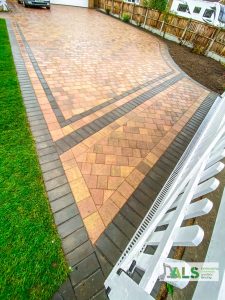
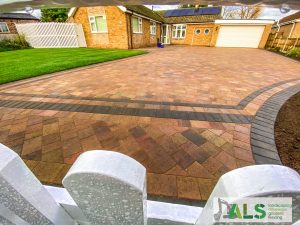
Our friends over at The Resin Mill, provide a comprehensive overview in their recent blog ‘Resin Bound Design Possibilities’. If you’re looking for inspiration of what’s possible, this is a great place to start, and don’t forget to visit our Projects page for more.


Permeable Driveways

Emerging as a key element in sustainable property development, permeable driveways are designed to let water pass through, reducing runoff and aiding in groundwater recharge. They’re constructed from materials like porous concrete, permeable pavers, or gravel, which are practical for the UK’s weather. These driveways minimise puddle formation and are less prone to damage from freeze-thaw cycles. Their environmental benefits, such as reducing strain on drainage systems and decreasing urban heat islands, make them increasingly popular among eco-conscious homeowners.

Nowadays all new builds have to use permeable materials for driveway solutions, and install adequate drainage, but this wasn’t always the case. If you have an older property or flooding is an issue, get in touch to see how we can help.

Mosaic/Artistic Patterns

Mosaic and artistic patterns offer homeowners the opportunity to express personal style and creativity. With limitless customisation options, ranging from intricate tile mosaics to bold, painted patterns, these driveways can be tailored to reflect individual tastes and complement the home’s exterior. As an exterior focal point, they add character and uniqueness, enhancing both the garden and landscaping features, and increasing the property’s visual and market appeal.

At ALS Driveways Lincoln we don’t offer this driveway installation solution. MD Paving  are specialists, you can find out more about them on their website.

Natural Stone Driveways

Natural stone driveways are renowned for their classic elegance and enduring quality. They are exceptionally durable, withstanding heavy traffic and adverse weather, making them a practical choice for the UK climate. The unique texture and colour variations of natural stone add a bespoke appearance to driveways, enhancing the overall aesthetic of properties. These driveways can be matched to various architectural styles, adding to their appeal as a wise investment in terms of property value. And they’re a favourite of ALS Driveways Lincoln.

Illusion Patterns

Another relatively new driveway solution are Illusion patterns. They represent a bold and imaginative approach in driveway design. Employing techniques like forced perspective, these patterns create optical illusions of three-dimensional shapes or dynamic movements. This innovative use of design enhances the driveway’s visual appeal and allows for personal expression. The uniqueness of these driveways can substantially increase a property’s curb appeal and, consequently, its market value.

Spectacular Driveways are decorative pattern imprinted concrete specialists; if you’ve got your heart set on this type of dream driveway, visit their website for more.

Conclusion

The driveway designs set to define home exteriors in 2024 offer more than just functional value; they’re a testament to the homeowner’s taste and style. Whether it’s the contemporary flair of geometric patterns, the eco-friendliness of permeable driveways, the artistic expression of mosaic patterns, the timeless elegance of natural stone, or the creative impact of illusion patterns, each design brings a unique dimension to UK homes, enhancing both their aesthetic appeal and market value.

We’ve got lots of information in our blog posts to help you make an informed decision, and we’re always happy to provide advice about upcoming trends and which driveway style would suit your property best. Get in touch with us for a free, no obligation call today.

FAQs

What are the main benefits of choosing a geometric pattern for my driveway? 

Geometric patterns in driveways offer aesthetic appeal with their contemporary designs and also ensure efficient water drainage, which is crucial in the UK’s wet climate. They enhance curb appeal and can increase property value.

How do permeable driveways contribute to environmental sustainability? 

Permeable driveways help reduce water runoff, aid in groundwater recharge, and decrease the strain on urban drainage systems. They also contribute to reducing urban heat islands, making them a sustainable choice for eco-conscious homeowners.

Can natural stone driveways withstand heavy vehicular traffic? 

Yes, natural stone driveways are known for their durability and can withstand heavy vehicular traffic and adverse weather conditions, making them a practical and long-lasting choice for UK homeowners.

Lincoln Property Developers: Why a High-Quality Driveway Matters in Your Project

Driveways might not always make the top of the priority list when planning a development, but their significance is undeniable. For Lincoln-based property developers, a well-constructed driveway isn’t just an aesthetic choice—it’s an essential component that can influence the overall success of your project.

First Impressions Count

When potential buyers or tenants approach a property, the driveway often serves as their initial point of contact. A cracked or uneven driveway can mar an otherwise perfect home or commercial space. On the other hand, a well-laid, high-quality driveway enhances the overall aesthetic and sets a positive tone for what lies beyond the entrance.

Andrew Louis suggests that the garden and driveway are the number one priority in their Top Tips for Sellers. At ALS Driveways in Lincoln we believe it also stands true for prospective renters of both a commercial and residential bias).

Not sure which driveway surface is the ‘right’ surface for your property? Take a look at our recent blog ‘Which Type of Driveway is the Best?’.

Boosting Property Value

In the competitive Lincolnshire property market, every detail counts. A premium driveway can elevate a property’s curb appeal, making it stand out in listings and in-person viewings. According to a report by Property Investments UK, homes in Lincolnshire with strong curb appeal, including top-tier driveways, have a competitive edge in pricing and attractiveness. This competitive edge translates into faster sales, higher rental income, and greater overall profitability for developers.

Struggling for inspiration? Visit our Projects page to see more.

Cost Benefits in the Long Run

While the upfront cost of a quality driveway might seem substantial, it’s essential to view it through the lens of long-term investment. Quality driveways require less maintenance, resist wear and tear, and don’t need frequent repairs. The savings generated over time, in comparison to maintaining a subpar driveway, can be significant. For property developers, this means reduced post-construction liabilities and happier property owners or tenants.

Home How recently published a guide in which they provide average costing information per square metre and any additional costs you could incur. As always, we recommend obtaining at least three quotes, unless of course, you’ve been referred to a specific installer by a friend or family member. Leave your details here and one of our friendly team will get back to you to provide ours!

The Advantage of Timely Execution

Time is a valuable commodity in the world of property development. Delays in any phase of the project can result in increased costs. This is where working with experienced Lincoln driveway suppliers becomes vital. Their expertise ensures efficient, high-quality work, leading to timely project completions. Even better, if like ALS Driveways Lincoln, they’re Brett Approved Installers!

A Spring-Ready Selling Point

The pull of spring often prompts an uptick in property sales and rentals. A property boasting a new, flawless driveway complements the vibrancy of spring, making it even more appealing to potential buyers. It’s not just about aesthetics; it’s about aligning with the energy and renewal sentiments of the season. In fact, Moving City Estate Agents offer 3 Reasons why Spring is a great time to buy a property mentioning that “…autumn and winter months are a safe bet for soaked…boxes and slippery streets.”

Custom Solutions for Unique Properties

Each property has its unique character and requirements. A generic driveway approach rarely hits the mark. Experienced driveway installation teams can offer tailored solutions, ensuring the driveway aligns perfectly with the property’s style, be it modern, traditional, or somewhere in between. 

Eco-Friendly Options

Sustainability is no longer just a buzzword; it’s a priority for many buyers and tenants. Modern driveway designs consider environmental impacts, incorporating permeable materials that facilitate better water drainage and reduce runoff. For property developers, this not only adds an eco-friendly selling point but also ensures landscape preservation.


According to an article in Grand Designs Magazine, a classic gravel driveway is one of the ‘most eco-friendly, sustainable driveways’. At ALS Driveways Lincoln, we don’t offer gravel driveway installations, but we do care about the environment, which is why you can be sure that all of our driveway solutions consider the ‘green’ impact. 

Trust in ALS Driveways

For property developers in Lincoln and the surrounding areas seeking a partner to ensure their projects shine, ALS Driveways stands out. Their reputation in Lincolnshire home improvements is impeccable. They also offer landscaping services in Lincoln too. Their solutions enhance any property, guaranteeing satisfaction for both developers and eventual property occupants.

Conclusion

In the landscape (forgive the pun) of property development, driveways emerge not as mere add-ons but pivotal elements that shape first impressions, escalate property values, and mirror a commitment to quality and sustainability. For properties in Lincoln and beyond, investing in a top-tier driveway is a strategic move that pays dividends in curb appeal, long-term cost savings, and environmental responsibility. Coupled with the timely and bespoke solutions offered by professionals like ALS Driveways Lincoln, a premium driveway becomes a signature of excellence—a tangible promise of durability, aesthetics, and environmental consideration. 

As property developers, ignoring the significance of a high-quality driveway is a missed opportunity. Embracing it, on the other hand, is an investment in a property’s enduring appeal and market success.

If you’re looking for a trusted partner to elevate your property projects, look no further than ALS Driveways in Lincoln. Their expertise and commitment ensure your projects not only meet but exceed expectations.

FAQs

  1. What driveway materials are recommended for Lincolnshire properties?
    There’s a range of materials suitable for Lincolnshire’s climate and aesthetic preferences. Whether it’s concrete, asphalt, resin-bound, or block paving, ALS Driveways in Lincoln can guide developers toward the best fit for each project.

  2. How do eco-friendly driveways contribute to the environment?
    Eco-friendly driveways, especially those with permeable materials, reduce water runoff, preventing erosion and ensuring groundwater replenishment. This not only aids in landscape preservation but also addresses wider environmental concerns.

  3. What’s the lifespan of a high-quality driveway?
    With top-tier materials and professional installation, driveways can last anywhere from 20 to 30 years, if not more. Regular maintenance, like cleaning and sealing, can further extend this lifespan.


Seven Reasons Why Winter is the Perfect Time to Install a New Driveway In Lincoln.

Most people paint a picture of Lincolnshire’s winter with the warm glow of cosy fires, the playful patterns of frosty windows, and the spellbinding charm of a white snowfall. But there’s a hidden side to this picturesque season, one that makes it a prime time for some home improvements – particularly driveway installations.

If a brand-new driveway is on your wishlist, here are seven reasons why winter in Lincoln might be the perfect time for your project.

  • Flexible Scheduling Opportunities

    • Spring and summer are the height of contractor hustle and bustle, making it a challenge to pin down your preferred dates.
    • In winter even the best driveway installers often experience a lull, which offers more flexibility in scheduling.

Designer Drives Ltd mention this in their blog Why Winter is Good For Driveway Installation, stating that ‘…the problem then is that most good quality driveway companies are busy and usually booked up throughout the spring/summer…leaving the winter available’.

  • Potential for Cost Savings

    • With demand slowing down in winter, you might find some tempting discounts.
    • This means getting top-notch quality without emptying your pockets.

It’s always worth doing your homework and checking to see what’s available in your local area.

  • Be Spring-Ready

    • Why wait for spring to kick off your improvements? Start in winter! 
    • You’ll be less likely to want to spend time outdoors, but come the spring your driveway will be complete.
    • Welcome spring with a driveway facelift, and skip the summer construction drama.

The days are shorter, which means that your approved driveway installer will be getting the job done when it’s light. Less annoying for your neighbours, and you!

  • Quicker Planning Approvals

    • With fewer homeowners queueing up for planning permission in winter, the wheels turn faster *
    • This paves the way (pun intended) for a speedy start and finish to your project.

* Not all driveway installations need planning permission. Check out the Guidance from Lincolnshire County Council, and if you do need planning permission, you’ll find more information including pricing on this page.  

You can also read our blog Driveways Without Dropped Kerbs: A Guide for UK Homeowners, Property Developers, and Landlords to find out whether you’ll need one, or just give us a call on 01522 253 668 and ask!

  • Optimal Curing for Some Materials

    • Some materials, like concrete, have a soft spot for the cold, making them perfect winter companions.
    • Tarmac also doesn’t mind the cold too much, but if the ground’s frozen, or the temperature is likely to drop below freezing, according to the Paving Experts, it’s best to leave it until the temperature warms up.*

* Curing time when laying tarmac will take longer when the weather is colder.

  • Minimised Landscape Damage

    • Winter sees gardens and greenery taking a nap, thereby lowering damage risks.
    • When spring blooms, it won’t bear the scars of recent construction, keeping your landscape pristine. But if you want to go the whole hog and have your garden transformed at the same time as your driveway, no problem, ALS Landscaping in Lincoln is waiting for your call.
  • Boosted Home Value for Spring Sales

    • Get your home market-ready by spring with enhanced kerb appeal.
    • A gleaming new driveway could be that extra touch that sets your property apart.

Will A Driveway Add Value to My Property? is one of our most frequently asked questions; the quick answer is yes, but if you want to find out how and why, read our blog.

Conclusion

Lincoln’s winter isn’t just about the aesthetics; it’s also an under-the-radar goldmine for driveway installations. From scheduling ease to attractive cost points, the season packs in a punch. As the snow blankets Lincoln, lean on local experts and transform your driveway against the mesmerising winter canvas.

Thinking of a driveway makeover this winter? 

Reach out to Lincoln’s seasoned suppliers and contractors and let them chart your course!

Get in touch today!


Save Big on Car Insurance with a New Driveway: A Homeowner’s Guide

As a homeowner in the UK, you’re probably well aware of the many expenses that come with maintaining your property. From heating bills to property taxes, the costs can add up quickly. However, there’s one potential saving opportunity that you might not have considered: your car insurance. Believe it or not, installing a new driveway can lead to significant savings on your car insurance premiums. In this blog, we’ll explore how having a driveway can reduce your car insurance costs.

The Relationship Between Driveways and Car Insurance

You might be wondering, “How does having a driveway affect my car insurance?” It’s all about risk assessment. Insurance companies use various factors to determine the cost of your premium, and one critical factor is where you park your car overnight.

Amy Smith provides an overview of parking definitions in her recent article for Go.Compare.

Parking Location Matters

Insurance providers take into account where you park your vehicle when assessing risk. Cars parked on the street are more vulnerable to theft, vandalism, and accidents, making them riskier to insure. On the other hand, cars parked in secure locations, such as a driveway or garage, are considered safer and are, therefore, associated with lower insurance premiums.

According to Martin Lewis, founder of MoneySavingExpert.com, “Parking your car on a driveway can lower your insurance premiums because it’s generally safer than on-street parking. This is especially true in areas with higher crime rates.”

And if you want to lower the ‘risk’ even further, you might want to consider installing bollards when you have your driveway installed. We talk about this in greater detail in Securing Your Property: The Rising Trend of Driveway Bollards in the UK.

Reduced Risk of Theft

Cars parked on the street are more exposed to theft. Thieves often target vehicles that are easily accessible and can be quickly driven away. Driveways, however, provide an additional layer of security, making it more difficult for would-be thieves to access your car.

According to Rebecca Goodman, an Insurance Expert, “…parking your car anywhere other than in the street is the safest option. That’s why parking your car in a car port or on the driveway of your home could help reduce the cost of your car insurance. Whereas parking on the street can increase your premium. 

At ALS Driveways in Lincoln, we offer a wide range of driveway options, from traditional tarmac and concrete, to more modern solutions such as block paving. If you feel like some inspiration of what’s possible, visit our projects page.

Protection from Weather-Related Damage

Cars parked on the street are exposed to the elements, including hail, falling branches, and other weather-related hazards. Parking your vehicle in a driveway or garage can shield it from some of the risks, reducing the likelihood of weather-related damage and insurance claims.

Fewer Accidents in Private Spaces

Accidents involving parked cars are more common on public roads. When you park in your driveway, you’re less likely to be involved in accidents caused by other drivers. This reduction in accident risk can contribute to lower insurance premiums.

The RAC talks about the Impact of overnight parking on car insurance and how parking your car overnight on the driveway of your property “…reduces the chance of it being hit by a passing motorist…”. They go on to list 12 ways you could accidentally invalidate your car insurance; which is our opinion is worth a read!

How Much Can You Save?

The potential savings on your car insurance premiums can vary depending on various factors, including your location, insurer, and the level of coverage you choose. However, it’s not uncommon to see savings ranging from 5% to 20% or more.

Location Matters

In urban areas with high rates of theft and accidents, the savings from having a driveway can be substantial. On the other hand, if you live in a low-risk, rural area, the impact on your premium may be less pronounced.

According to Plumplot, Lincoln postcodes rank 23 out of 99 when it comes to vehicle crime rate rank, so whilst the savings you can make on your car insurance might not be significant, having a driveway will still save you some money and at ALS Driveways we think the peace of mind is worth it!

Insurance Provider Policies

Different insurance companies have varying policies when it comes to discounts for secure parking. It’s essential to check with your current insurer and compare quotes from other providers to see how much you can save by having a driveway.

A car insurance expert at Uswitch, recommends that “homeowners should shop around for car insurance quotes and consider how having a driveway can affect their premiums with different providers.” And once you’ve done that, get in touch with us to take the next steps.

Level of Coverage

The level of coverage you choose also plays a role in the potential savings. Comprehensive coverage is more expensive but provides more extensive protection. However, even with comprehensive coverage, having a driveway can result in savings due to the reduced risk factors mentioned earlier.

Whether you have basic third-party coverage or comprehensive insurance, having a driveway can still lead to lower premiums so it’s always worth taking the time to compare.

Steps to Maximize Your Savings

Now that you understand how a driveway can reduce your car insurance premiums, here are some steps you can take to maximise your savings:

Inform Your Insurance Provider: Contact your current insurer and inform them that you’ve installed a driveway. They may be able to adjust your premium accordingly.

Shop Around: Obtain quotes from multiple insurance providers to compare savings. Don’t forget to mention your driveway when requesting quotes.

Consider Other Security Measures: In addition to a driveway, consider investing in security measures such as an alarm system or security cameras to further reduce risk and potentially lower your premium.

Conclusion

As a UK homeowner, you have an opportunity to save on your car insurance premiums by installing a driveway. This simple yet effective change can result in substantial savings while providing additional security and protection for your vehicle. By parking in a secure location, you reduce the risk of theft, accidents, and weather-related damage, all of which can contribute to lower insurance premiums. To maximise your savings, inform your insurance provider, shop around for quotes, and consider additional security measures. With a driveway, you can enjoy peace of mind and a little extra cash in your pocket.

So, whether you’re planning to install a new driveway or already have one, remember that it’s not just a convenient place to park; it’s a money-saving asset that benefits your car insurance premiums and your overall financial well-being.

Get in touch today!