Selling Your Home? How a New Driveway Could Help You Close the Deal Faster

When it comes to selling your home, most people focus on sprucing up the kitchen, giving the living room a lick of paint, or tackling the dreaded loft clear-out. But here’s the thing: before anyone sets foot inside, they’ve already formed an opinion. And what’s the first thing they see? Your driveway.

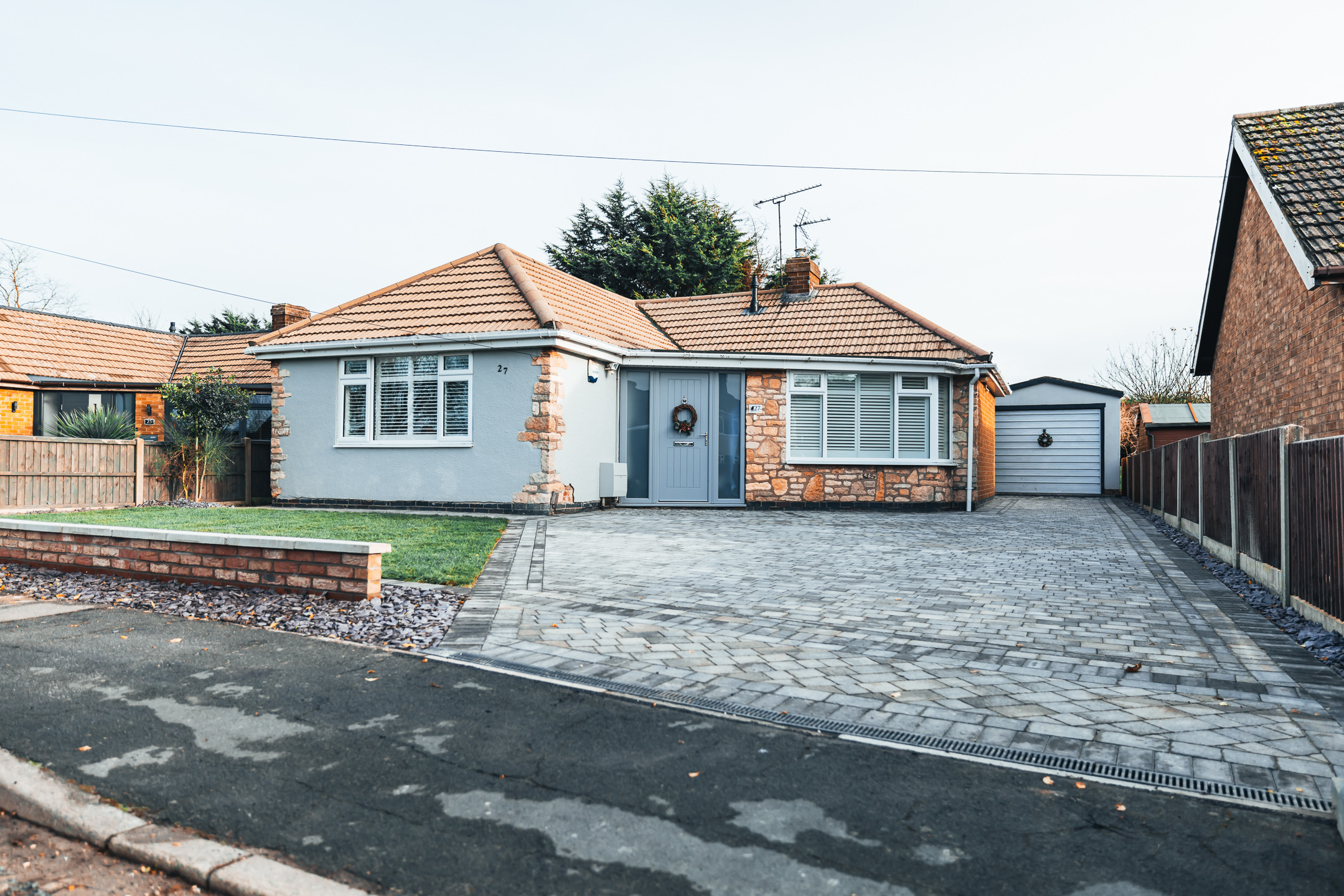
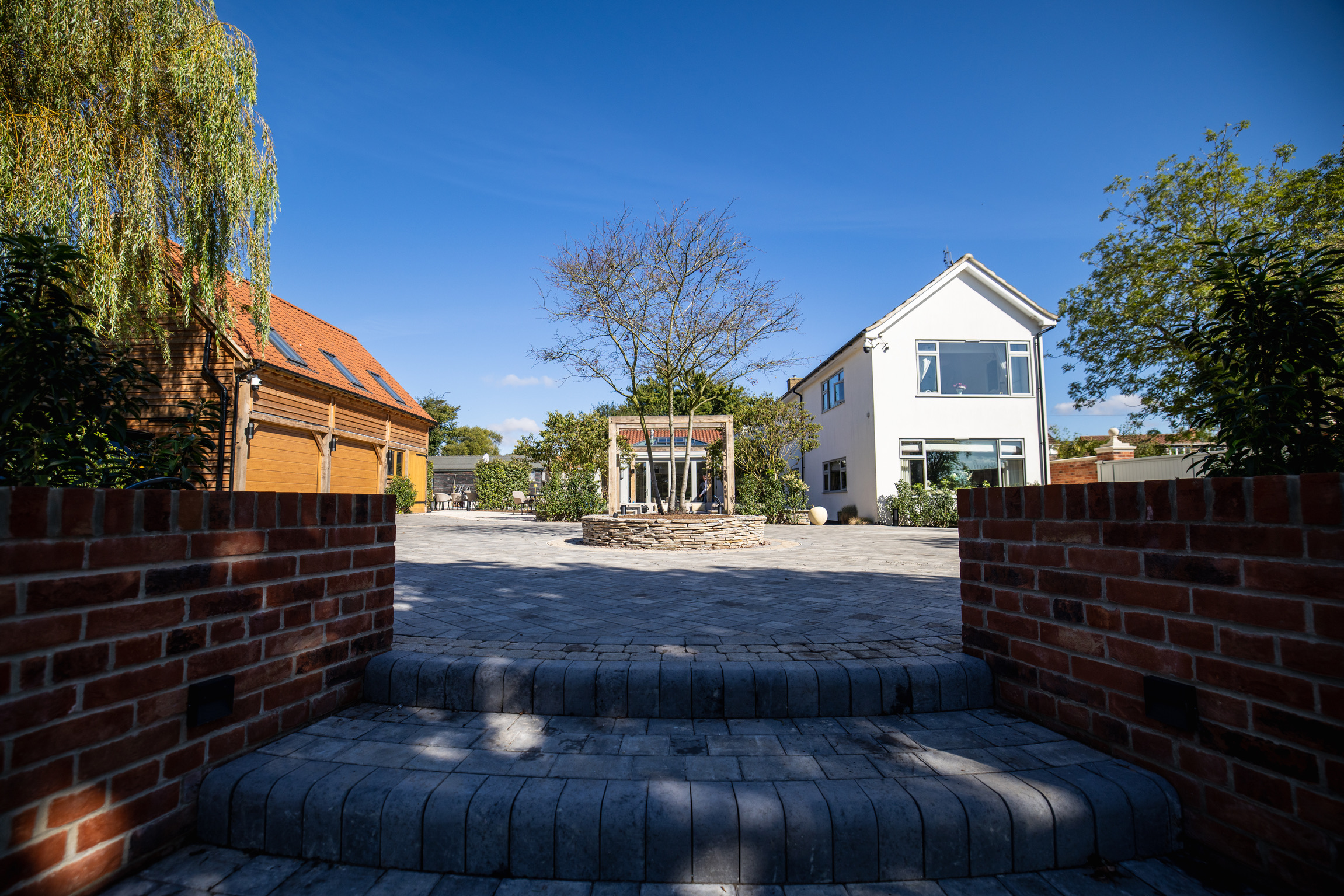
A tired, cracked or weed-ridden driveway can give the wrong impression before buyers even reach the front door. On the flip side, a smart new driveway can instantly lift the look of your property, add value, and even help you sell faster.

So, is a new driveway really worth it when you’re trying to move home? Let’s take a closer look.


First Impressions Count

We all know the phrase “don’t judge a book by its cover”. But let’s be honest, when it comes to houses, everyone does. According to a 2023 survey by Zoopla, 68% of buyers said kerb appeal was one of the most important factors influencing their decision to view a home. And a driveway, sitting right at the front of the property, is a huge part of that first impression.

Imagine pulling up to a house with a smooth, freshly-laid driveway compared with one full of potholes and cracks. Which home would you expect to be better looked after? Exactly.

If you’d like to read more about simple ways to get your driveway in top condition, you might enjoy our blog on Spring into Action: Driveway Cleaning and Repair Tips for the New Season.


Adding Value to Your Home

It’s not just about looks. A driveway can also boost the actual value of your home. Recent figures from Property Reporter UK suggest that a new driveway can increase a property’s value by up to 10%. That’s a potential boost of £20,000 on a home worth £200,000 – not bad for something that also makes life more practical.

In Lincoln and the surrounding areas, where parking space is often at a premium, having a proper driveway can make your home much more appealing to buyers. Nobody wants to be circling the street on a wet Tuesday night trying to find a spot.

If you’re weighing up costs, take a look at our post Understanding the Costs of Driveway Installation and How to Budget. It breaks down what to expect and how to plan sensibly.


Convenience is King

One of the first questions buyers often ask is: “Where will I park?” Having your own driveway gives them peace of mind straight away. It’s convenient, secure, and often reduces car insurance premiums.

Think about it from the buyer’s point of view. A house with no driveway means battling for on-street parking, dodging residents’ permits, and worrying about dings and scrapes from passing cars. A home with a neat driveway? Problem solved.


Choosing the Right Driveway for Selling

If you’re thinking about upgrading your driveway before putting your house on the market, you’ll want something that looks the part but doesn’t break the bank.

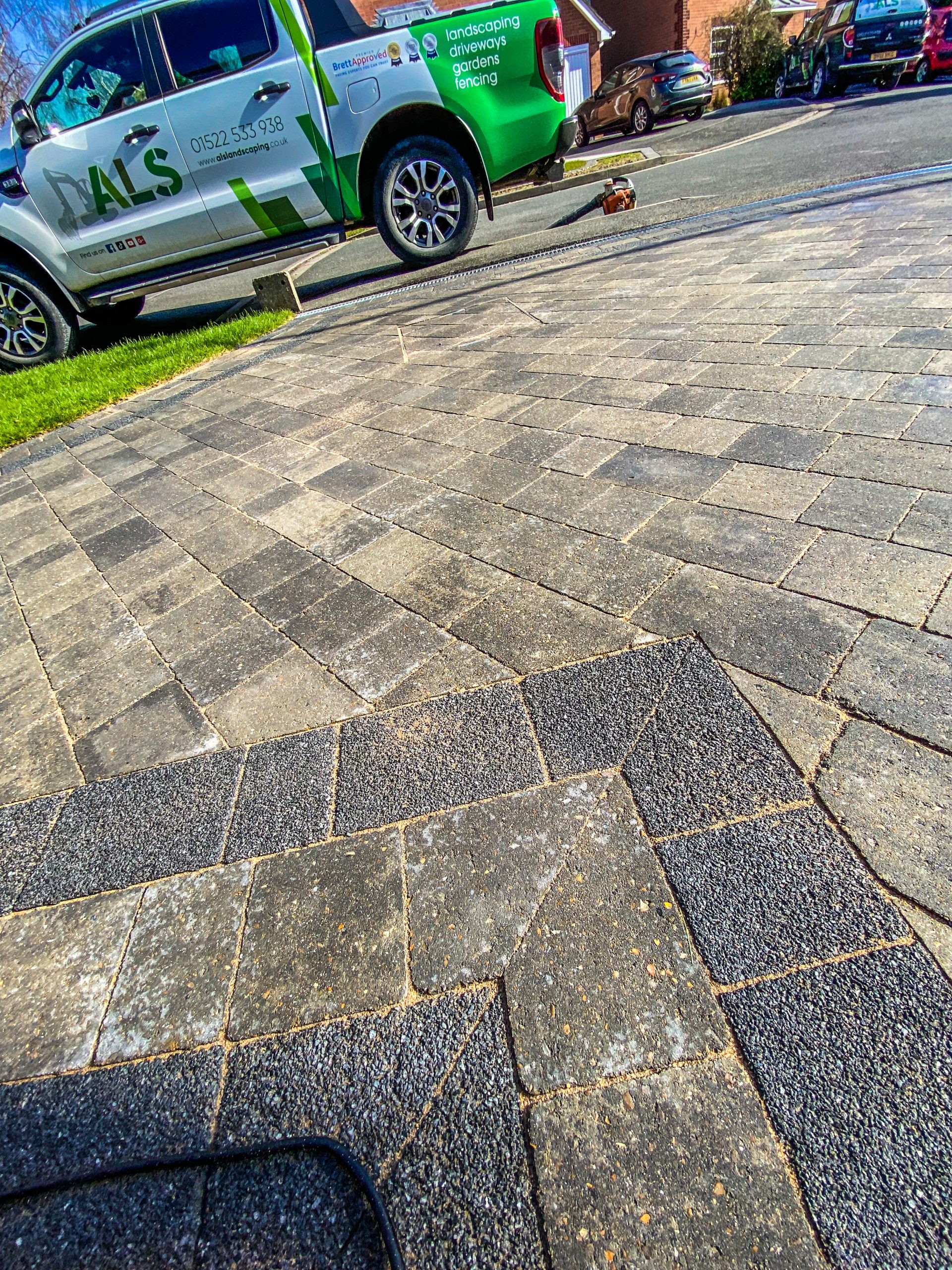
  • Block paving is a popular choice because it looks smart and lasts for years.

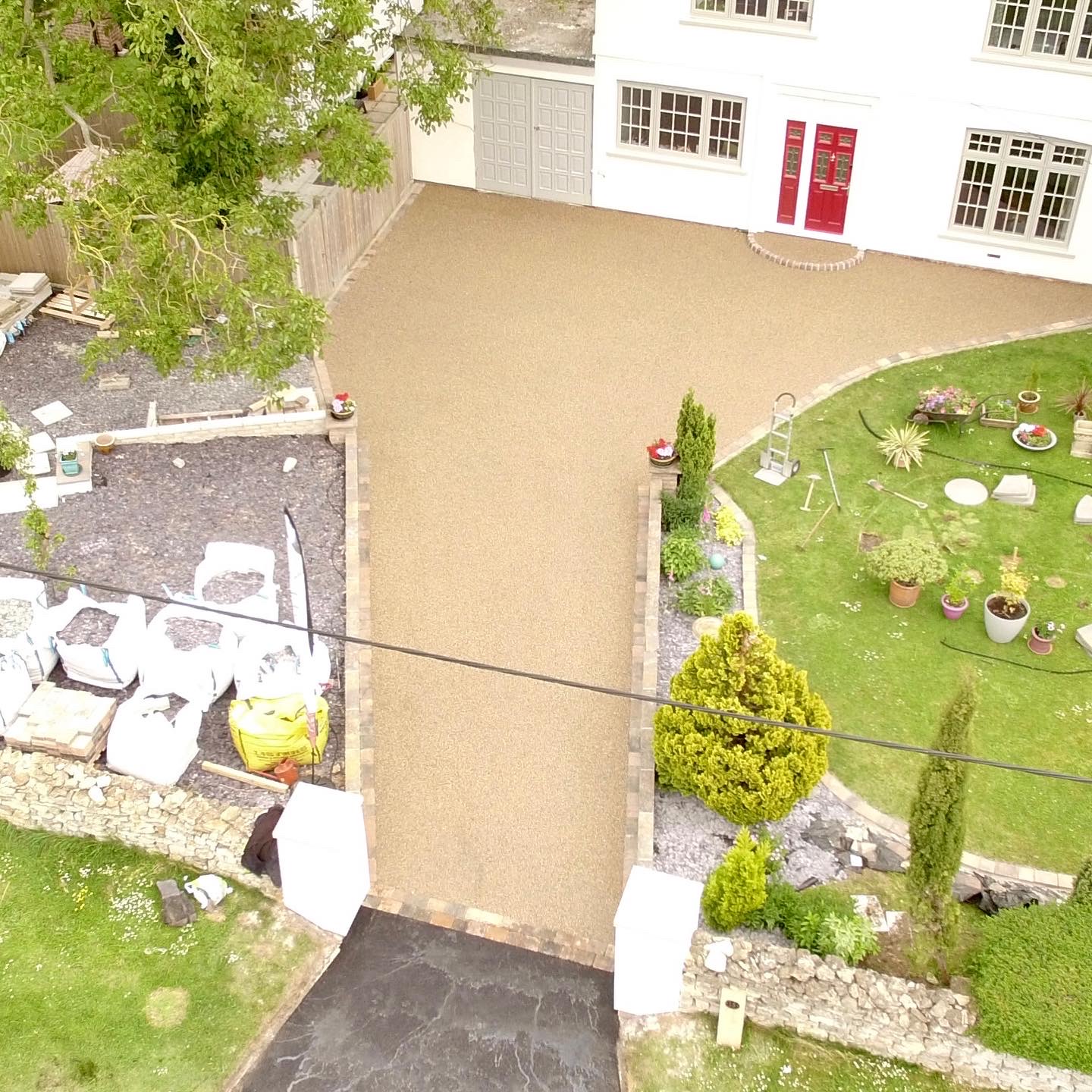
  • Resin driveways offer a modern, low-maintenance option that really lifts the look of a home.

  • Gravel driveways can be more cost-effective and still give a lovely rustic finish.

We’ve covered this in detail in our blog Choosing the Best Driveway Material for Lincoln’s Climate: A Comparative Guide.


Timing Matters

If you’re planning on selling soon, you might be wondering if you’ve got the time to upgrade your driveway. The good news is, modern driveway installations are usually quicker than people think. Depending on the size and material, most projects are completed in a few days to a week.

That means you can have a fresh, new look in time for viewings without a long wait.


A Smart Investment

At the end of the day, a new driveway isn’t just about looks – it’s about investment. For many buyers, seeing a well-kept driveway is a signal that the rest of the home has been cared for too. It reassures them they’re not walking into a money pit.

And let’s face it, if a new driveway can help you sell faster and potentially add thousands to your asking price, it’s one of those rare home improvements that can really pay off.


Conclusion

If you’re getting ready to sell your home, don’t overlook the space right outside your front door. A new driveway can:

  • Create a brilliant first impression.

  • Add value to your home.

  • Make life easier for buyers with guaranteed parking.

  • Help your property stand out in a competitive market.

At ALS Driveways Lincoln, we’ve helped countless homeowners upgrade their driveways before selling – and many have told us it made all the difference. If you’d like to explore your options, get in touch with our friendly team today.


FAQs

Does a new driveway really increase property value?
Yes. A well-installed driveway can add up to 10% to your home’s value, particularly in areas like Lincoln where off-road parking is highly sought after.

Which driveway material is best if I’m selling my home?
Block paving and resin are very popular with buyers because they look smart and are long-lasting. Gravel can also be a cost-effective option.

How long does it take to install a new driveway?
Most driveways can be completed within a few days to a week, depending on size and material. This makes it possible to upgrade before viewings start.
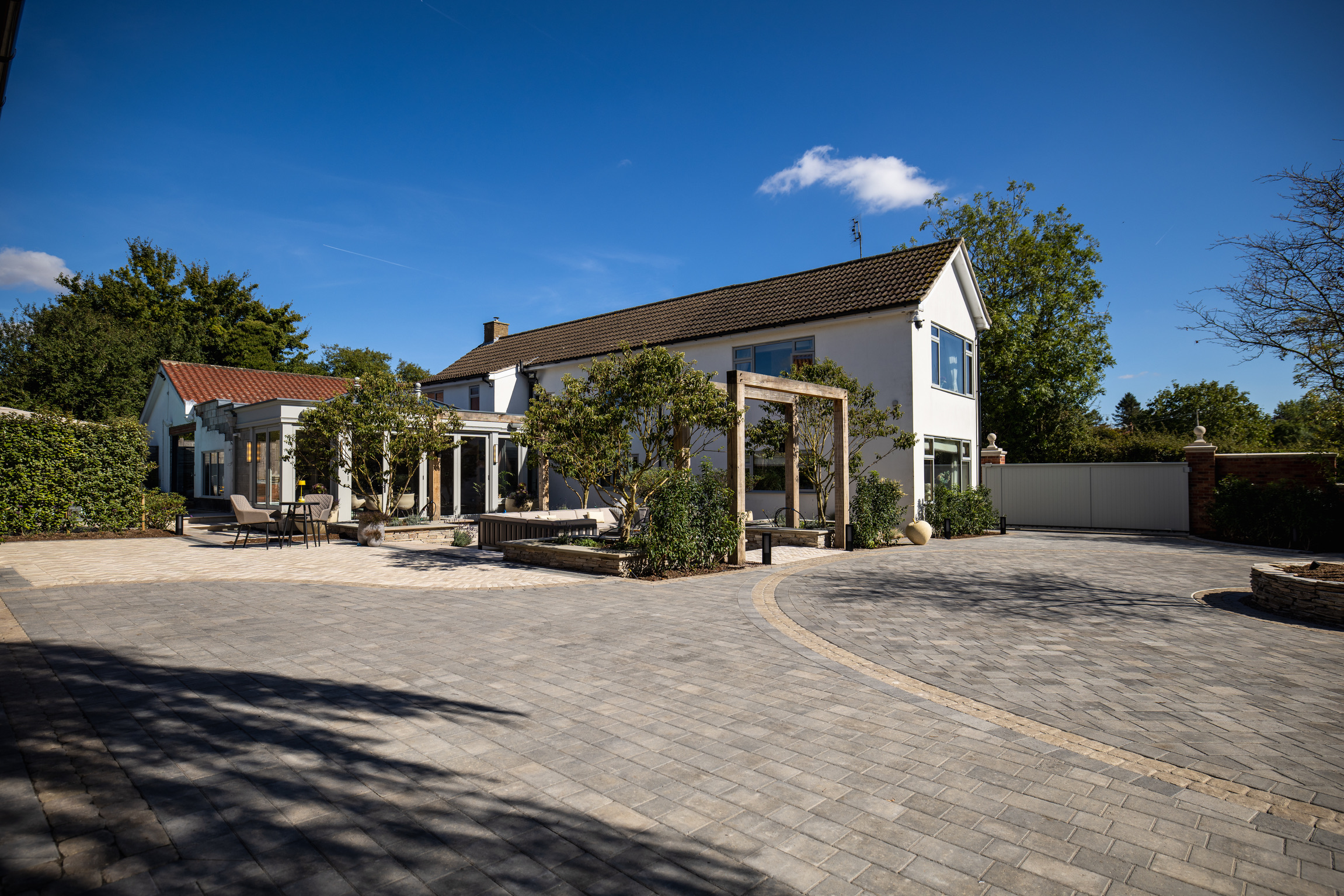
Is a New Driveway Worth the Investment? Key Factors to Consider

We’ve said it before and no doubt we’ll say it again – a driveway isn’t just a place to park your car,  it’s often the first thing people notice about your home. Whether you’re trying to boost kerb appeal, improve practicality or simply stop tripping over the same pothole every morning, a new driveway can be a big decision. But is it really worth the investment? Let’s take a good, honest look.


1. First Impressions Count

We’ve all heard the saying “don’t judge a book by its cover”, but when it comes to houses, everyone does. Estate agents regularly say that a neat, attractive driveway can make a huge difference to a home’s value.

According to Propertymark (the UK’s professional body for estate agents), improving kerb appeal can increase property value by up to 10 per cent in some cases. That’s a sizable return if you’re considering selling in the near future.

If you’ve got weeds growing through cracked tarmac or the paving stones have started their own “leaning tower” competition, a fresh driveway could well be the facelift your home needs.


2. Financial Value vs. Practical Value

It’s not just about how much value you add for resale, there’s also the everyday benefit. A new driveway can:

  • Make parking easier and safer.

  • Reduce mud and dirt being tracked into the house.

  • Improve drainage, especially if you opt for permeable paving.

That practical value might not show up on a property listing, but you’ll notice it every single day.


3. The Cost Question

This is where the decision can get tricky. Driveway costs vary widely depending on:

  • Size – a small single driveway will be far cheaper than a sweeping double.

  • Material choice – resin-bound surfaces cost more than basic gravel, but they last longer and need less upkeep.

  • Preparation work – if the ground needs levelling, old surfaces removing or drainage adding, this will push costs up.

Our guide Understanding the Costs of Driveway Installation and How to Budget goes into detail on what you can expect to spend.


4. Longevity and Maintenance

One of the key factors in whether a driveway is worth the investment is how long it will last.

  • Concrete – durable but can crack if not properly installed.

  • Resin-bound – long lifespan, low maintenance, very smart finish.

  • Block paving – strong and attractive but needs occasional weed control.

A cheaper driveway that needs replacing in 10 years could cost more in the long run than a more expensive option that lasts 25 years with minimal maintenance.


5. Weather Resistance

In Lincolnshire, we see a fair mix of weather – hot summers (well, the odd week of them) and cold, frosty winters. Choosing a surface that can cope with temperature changes, frost and rain is vital.

Resin-bound and block paving are excellent for handling rain, especially when combined with good drainage design, helping you avoid puddles and frost damage.


6. Eco-Friendly Choices

If sustainability matters to you, a driveway project is a great opportunity to make greener choices. Options include:

  • Recycled materials – using reclaimed aggregates or recycled tarmac.

  • Permeable paving – allows rainwater to drain naturally, reducing flood risk.

  • Locally sourced stone – reduces transportation emissions.

Our recent blog Recycled Materials in Driveway Construction: Benefits and Considerations looks at the eco-friendly side in more detail.


7. Potential Grants or Support

While there aren’t any UK-wide grants specifically for new driveways, in certain cases,  such as installing a driveway for improved accessibility, you may be able to access support through the Disabled Facilities Grant. This is something your local council can advise on.


8. Everyday Quality of Life

Sometimes, you can’t put a price on not having to navigate puddles the size of Lincoln Cathedral’s nave after every downpour. A smooth, well-drained driveway can make winter mornings less of a slip hazard and summer evenings more enjoyable for the kids playing outside.


9. Resale Advantage

When buyers arrive for a viewing, they don’t just look at the kitchen and bathroom. They look at how the whole property “feels”. A neat, well-designed driveway sends the message that the home has been looked after – and that makes a difference.

Estate agents in Lincoln have confirmed that houses with new or well-maintained driveways often sell faster, and sometimes for a higher price than similar properties with neglected frontages.


10. The Verdict

A new driveway can be worth the investment, but only if you choose the right materials, plan it properly and consider both the practical and financial benefits. Even if you’re not selling, the daily ease, safety and pride in your home can make it a decision you won’t regret.

If you’d like advice tailored to your property, ALS Driveways Lincoln can help you select the best materials for your budget, climate and style. From classic block paving to contemporary resin-bound finishes, we’ll help make sure your investment pays off.


FAQs

How much value does a new driveway add to a UK home?
According to estate agents, a new driveway can boost your property’s value by up to 10 per cent, depending on materials, design and overall kerb appeal.

What’s the best driveway material for Lincoln’s climate?
Resin-bound and block paving tend to cope best with the mix of frost, rain and heat we see in Lincolnshire. Both are durable, attractive and good for drainage when installed correctly.

Can I get financial help towards a new driveway?
While there are no general grants for new driveways, you may be eligible for a Disabled Facilities Grant if your project improves accessibility. Speak to your local council for more information.

Innovative Driveway Solutions: How Smart Technology is Changing the Game

Across Lincolnshire and the UK, homeowners are discovering that driveways can be more than just practical – they can be smart, efficient and futuristic. In this blog, we explore how the latest technology is transforming what we expect from our driveways, combining convenience with modern design and long-term reliability.


1. Smart Lighting: More Than Good Looks

It all starts with lighting. Smart LED solutions now let you automate your driveway’s lighting schedule, set motion‑activated zones, or even control lights via smartphone. That means safe, illuminated access at night without leaving anything on unnecessarily.

According to a 2024 energy report by the Energy Saving Trust, smart LED lighting can cut domestic outdoor lighting costs by up to 75 per cent compared with traditional halogen systems, equipping your driveway with both efficiency and ambience.


2. Electric Vehicle (EV) Charging Integration

With EV ownership on the rise, integrated driveway chargers are gaining popularity. Installing a charging point in your driveway adds convenience and future‑proofs your home. Many modern chargers now feature smart settings: you can schedule charging for off‑peak hours to save on electricity, or check usage remotely through apps.

The Government’s Office for Zero Emission Vehicles offers up-to-date guidance and incentives for home EV charging solutions, making integration a smart step for many homeowners.


3. Heated Driveway Surfaces for Frost Protection

Smart-activated heated driveway panels are no longer limited to luxury homes. Embedded beneath permeable paving or resin-bound surfaces, these systems use sensors or timers to gently warm the driveway and prevent ice formation. This reduces maintenance, boosts safety, and even helps protect plants and edging from frost damage.


4. Permeable Technological Upgrades

New permeable surfacing technologies help manage rainwater on-site, meeting SuDS requirements. Technologies such as resin-bound paving with embedded stormwater storage, or interlocking permeable bricks, allow water to drain through while sensors monitor saturation and alert users before ponding occurs.

For more on drainage-friendly solutions, check our blog Spring into Action: Driveway Cleaning and Repair Tips for the New Season, which covers seasonal maintenance and water management in detail.


5. Smart Gates and Entry Systems

Automated driveway gates integrated with intercoms or smartphone access bring added security and convenience. Modern systems can open with vehicle proximity, voice command, or code pad – creating a seamless arrival experience. Many also feature built-in lighting for visibility and safety.


6. Sensors and Alerts for Maintenance

Some smart systems monitor wear, cracks and surface degradation, sending alerts when repair is needed. Soil-moisture sensors near drive edges can detect saturation and prevent frost heave or subsidence. This proactive approach helps maintain your driveway’s appearance and structure without guesswork.


7. How to Choose Smart Features that Work for You

Feature Benefit Consideration
Lighting automation Energy-efficient ambience Requires timer or app-based control
EV charging integration Convenience and future-proofing Must meet electrical safety standards
Heated driveway panels No ice, safer access, lower manual work Installation cost and energy use
Permeable sensors Prevents flooding or subsidence May add to installation complexity
Smart gates Improved security and convenience Requires power and occasional maintenance


8. Installation Tips and Where to Begin

  1. Plan early – decide if smart features like lighting or EV charging need wiring installed before laying your driveway.

  2. Choose certified products – make sure safety standards and compatibility with your home’s energy system.

  3. Get professional help – ALS Driveways Lincoln can help integrate smart tech seamlessly into your installation plan.

  4. Test regularly – schedule seasonal checks on sensors, chargers and heating elements to ensure everything works smoothly.

If you’d like help planning smart features into your next driveway install, let us know, our team has experience in integrating modern systems with classic finishes.


9. Conclusion

Smart technology is no longer a gimmick – it’s becoming practical, useful and accessible in driveway design. From energy-saving lighting and frost-protection heating to EV charging and rainwater storage, these innovations bring added value, safety and a modern edge to your home.

At ALS Driveways Lincoln, we keep pace with the latest smart upgrades. If you’re interested in a driveway that’s driven by convenience and future-ready features, we’d be happy to advise you, just give us a call or drop us a message.


Can smart lighting be added after the driveway is installed?
Yes, though it’s simplest if the conduit is installed during the driveway laying phase. Post-install adds complexity and cost.

Are heated driveway systems expensive to run?
They use energy only when activated, usually costing less than traditional de-icing methods. They can save money by avoiding damage and maintenance.

Do I need EV charging approval or planning permission?
Most installations are classed as permitted development, but it’s wise to check with your energy provider or local council. Home grants may also be available.

Recycled Materials in Driveway Construction: Benefits and Considerations

Upgrading your driveway can be a smart opportunity to be kind to the planet and your pocket. Recycled materials, such as crushed concrete, reclaimed bricks and asphalt millings, are now a favoured choice for homeowners throughout Lincolnshire. They are effective, attractive and increasingly reliable when installed correctly. In this guide, we’ll cover why recycled driveways are sensible, how they work in practice and what you need to look out for.


1. Why Recycled Materials Make Sense

Using recycled aggregates prevents tonnes of construction waste ending up in landfill and saves on transport and quarrying. According to  Journal,of green building,  recycled aggregates can reduce CO₂ emissions by up to 40% compared with fresh second-run stone – a significant environmental boost, matched by real savings on haulage and disposal costs.

2. A Real Project from Lincolnshire

In 2023, Minster Group recycled crushed concrete from Pelham Bridge to improve the Billinghay and Walcott footpath. The material was repurposed locally, saving landfill fees and reducing transport emissions. Though not a driveway, it proves that reused aggregates can deliver safe, long-lasting paved surfaces, just like they would in a driveway installation.


3. Comparing Costs for a 50 m² Drive

Layer New Material (£/m²) Recycled Option (£/m²)
Sub‑base 20–25 12–15 (crushed concrete)
Intermediate layer 0–10 10–12 (asphalt millings)
Surface finish 30–45 25–35 (reclaimed blocks or resin)
Estimated savings 20–30% total cost

These figures exclude labour but show significant potential for savings, especially when materials are sourced locally.


4. Common Recycled Materials

  • Crushed Concrete – Excellent for a stable, permeable sub-base.

  • Reclaimed Block Paving/Bricks – Offers traditional charm in patterns like herringbone.

  • Asphalt Millings – Durable and cost-effective, ideal for mid-layer use.

  • Decorative Recycled Aggregates – Like crushed granite or glass for a smart, drainage-friendly finish.

5. A Step-by-Step Installation Guide

  1. Source Certified Aggregates – Check for BS EN 13242 compliance to ensure quality.

  2. Site Assessment – Evaluate slope, soil type and drainage before ordering materials.

  3. Sub-Base Preparation – Lay crushed concrete in 100 mm layers and compact to create a firm foundation.

  4. Add Intermediate Layer – Spread and compact asphalt millings for added stability.

  5. Finish Surface – Install blocks or resin-bound aggregate; this should be drainage compliant (SuDS).

  6. Edge Detailing and Drainage – Use solid edging and install drainage features as explored in our blog 5 Tips to Stop Your Driveway From Sinking.

  7. Compact and Cure – Allow time for settling and seal edges to lock everything in place.


6. Maintenance Considerations

  • Sweep Regularly – To prevent debris build-up and blockage.

  • Weed Control – Check edges and joints each spring.

  • Top-Up Aggregates – Add loose material where needed after rainfall.

  • Resealing – Resin or block surfaces may need resealing every few years.

  • Inspect Drainage – Ensure runoff systems are clear after heavy weather.

  • More details available in our blog  Maximising the Lifespan of Your Driveway.


7. Lincolnshire Suitability

Recycled surfaces work particularly well with local soil types and frequent rainfall, they support natural drainage and blend beautifully with rural surroundings. Whether in Waddingham or Saxilby, these driveways balance practical benefits with aesthetic appeal.


8. Compliance and Regulation

Ensure materials are certified to BS EN 13242. Use permeable aggregates to meet SuDS guidelines and avoid planning hiccups. Resources like the Environment Agency provide legal advice, and at ALS Driveways Lincoln, we handle all assessments and compliance checks for you.


9. A Little History

While using recycled stone isn’t new (it traces back to the Victorian era), today’s aggregates are more reliable, sustainably sourced, and tested for quality. It’s practical upcycling at its best – improved and modernised.


Conclusion

Recycled driveways combine sustainability, style, performance, and affordability. When properly planned and installed, they’re strong, drainage-friendly, eco-wise, and cost-effective – everything you want at the kerb.

Here at ALS Driveways Lincoln, we specialise in sourcing certified recycled materials, installing them with care, and ensuring lasting quality. If you want a driveway that delivers across all fronts, give us a call or fill in our contact form. We’re happy to chat through your options, no fuss, no pitch.

FAQs

Are recycled driveway materials durable?
Yes – when sourced properly and installed by professionals, materials like crushed concrete and asphalt millings offer strength and longevity equal to new aggregates.

Will recycled driveways require more upkeep?
Some loose surfaces may need occasional topping-up or sweeping. However, sealed layers like block paving or resin-bound finishes require minimal maintenance.

Do I need permission to install a recycled-material driveway?
Typically not. Provided the surfaces are permeable and SuDS compliant, these driveways usually fall under permitted development. Always good to check with your local planning officer or our team.

Creating a Grand Entrance: Design Ideas for an Impressive Driveway

Is your driveway making a statement, or is it barely whispering ‘hello’? A grand driveway doesn’t have to cost the earth. With thoughtful materials, smart features and a bit of style, your entrance can deliver that proud nod every time you pull up. Let’s explore some design ideas to help you create a driveway that earns respect, admiration and maybe even a few compliments.


1. Grand Gates and Borders: First Impressions Matter

Nothing says ‘welcome home’ quite like a striking set of gates. Whether it’s modern steel, rustic timber or classic wrought iron, a well-chosen pair will define your driveway and make a lasting first impression.

Pair your gates with low stone walls, neat brick pillars or timber edging to create a clean and structured look. Borders help contain materials like gravel and give your entrance a polished feel. According to The Spruce, even simple edging materials like steel or brick can transform a drive’s appearance.

Once your driveway is finished, we recommend reading our guide Driveway Maintenance: 5 tips on how to keep yours looking great for years to come for practical maintenance tips.


2. Materials That Mean Business

Choosing the right materials can make a huge visual difference. Resin-bound gravel is ideal if you want something modern and sleek. Block paving is perfect for those who prefer a traditional look with the flexibility of patterns and borders.

Our detailed blog Choosing the Best Driveway Material for Lincoln’s Climate explains which materials stand up to the British weather and which are best for Lincolnshire homes.


3. Lighting to Make It Shine

A grand driveway should still look great after the sun goes down. Low-level LED lighting along the edges, softly lit pillars or spotlights on your gate posts will make a huge difference.

Solar lights are easy to install and give off a soft glow. According to Surrey Hills Driveways, driveway lighting is one of the top trends for 2025, offering both safety and a stylish finish.


4. Feature Patterns and Detailing

Patterns in your driveway are a brilliant way to add character. Think herringbone, basketweave or chevron. You can also create circular designs near the entrance or in front of your garage.

Adding a darker border or central feature can guide the eye and make your driveway look larger or more formal. These touches add class without being over the top.


5. Borders, Paths and Planting

Planting adds life and texture. Use low-growing shrubs like lavender, rosemary or small box hedges to soften edges and bring colour. Pleached trees or ornamental grasses give vertical interest and structure.

For tips on keeping your greenery and your driveway in good shape, take a look at our blog Maximising the Lifespan of Your Driveway.


6. Smart Add-ons for Modern Living

Add practicality with a bit of flair. Think motion-sensor lighting, integrated EV chargers or even heated surfaces for frost protection. These additions combine convenience with forward-thinking design, making your driveway smarter and more efficient.


7. Putting It All Together: A Checklist

Feature Description
Material Resin-bound, block paving or a combination for added style
Edging Stone, brick or metal borders to define space
Lighting Low-level LED or solar lighting for safety and ambience
Planting Shrubs, perennials and structure for softness and colour
Gates and Walls Timber, steel or stone for a strong visual start
Tech Options EV chargers, motion-sensor lighting or heated paving for smart living
Patterns Add interest with herringbone, chevron or circular details


Conclusion

Creating a grand driveway entrance is not about spending a fortune. It is about carefully selecting the right features to suit your home and lifestyle. Whether you love sleek modern finishes or a more traditional look with greenery and brick borders, the key is balance and detail.

At ALS Driveways Lincoln, we help homeowners bring these visions to life with advice, planning and professional installation. We know what works for Lincolnshire homes, and we are always happy to chat through your ideas.

Ready to get started? Call us today or fill in our contact form. We will help you create an entrance you can be proud of, one that combines style, substance and a smile every time you come home.

FAQs

  1. What makes a driveway look impressive?
    Using smart materials, lighting, planting and patterns all contribute to an eye-catching and welcoming design.
  2. Can I add lighting to my driveway later?
    Yes. Many solar and low-voltage options can be added after installation, but planning ahead makes it easier and more cohesive.

3. Do I need planning permission for gates or lighting?
Most driveway improvements are classed as permitted development. However, taller gates or specific lighting setups may need council approval, so it is best to check or ask us for advice.

The Benefits of Resin Driveways: Why They’re Perfect for Your Home

Is your driveway more of a pothole patchwork than poster child? A resin driveway might be the answer – offering durability, good looks, and clever drainage. Let’s take a look at why this option is ideal for your home.


1. Looks That Last

Resin-bound driveways are like the little black dress of surfacing – stylish, timeless, and always in vogue. Thanks to a mix of natural aggregates and clear resin, the result is a seamless, stone-carpet finish. You’ve got virtually endless colour and texture combinations to match your home’s vibe. Plus, resin resists fading as the UV-stable varieties hold their colour for years, Arbour Landscape Solutions agree with us in their blog – The Benefits of a Resin Bound Driveway, and Premier BrettApproved Paving Experts like us, offer guarantees too! That’s not just kerb appeal, it’s a long-term investment.


2. Low Maintenance (Time-Saving Perk!)

Nobody wants to spend Saturday mornings cleaning driveways. Resin surfaces need little more than a sweep and occasional jet wash – no re-pointing, no moss battles, no weeding. Resin-bound finishes resist weed growth and stay in shape through frost or heat. Our friends over at StoneSet Resin go into more detail in their recent blog What Makes Resin Bound Surfacing Low Maintenance and Long Lasting? Think of it like driveway pride without the backache.


3. Permeable — So No More Puddles

UK driveways can be like mini-lakes after heavy rain – especially in the LIncolnshire area, but resin driveways let water drain straight through into the ground. As they’re SuDS compliant, they reduce surface run-off and avoid trouble with planning regulations . No more ponding outside your front door, and no planning permission worries. To find out more read our Driveway Drainage Solutions UK blog.

4. Tough Enough for Daily Life

Kids, cars, bins, and bad weather – driveways take a beating. Resin is durable, flexible, and brimming with resilience. It works well over good bases and won’t crack like concrete can (en.wikipedia.org). You can expect it to stay looking good for 10–20 years, often more with care .

5. Safer Underfoot

According to Elite Landscapes, because it’s permeable and textured, resin reduces slip-risk – even in wet or icy conditions. Ideal if the kids are charging in or granny’s coming over—peace of mind all round.

6. Fits Any Home, Any Design

Whether your taste is sleek modern or traditional charm, resin has you covered. It fits around curves and gates with ease, and you can add borders or monograms for a personal touch. Gravel and tarmac don’t offer quite the same finish. Looking for some inspiration? Check out our projects page!

7. Quick and Tidy Installation

Professional resin crews (like us) can lay your driveway in just a day or two, and you can usually walk on it within 24 hours. That’s far faster than block paving, meaning less disruption and quicker results – your tea and biscuits can stay warm indoors. Don’t just take our word for it; have a look at our Testimonials page to see what our customers think about our service.

What to Keep in Mind

  • Budget: It’s not the cheapest option – expect around £180–£250 per m² for resin-bound work according to homebuilding.co.uk. But you’re paying for longevity, visual appeal, and hassle-free upkeep. And don’t worry if it ‘feels’ beyond budget – payment options are available – just get in touch for a quote.


  • Base Quality: The key is a sound base – get that right, and the resin will sing; get it wrong, and things could go pear-shaped and nobody wants that!

  • Professional installation: Do-it-yourself is not advised – resin works best in the hands of pros who know the ins and outs.

See It in Action

Local trends show a shift towards resin thanks to these benefits – but stick to the professional installers. If you want to see how we work, head over to our YouTube channel.


Useful Links

Want to compare other materials? Read the Best Driveway Material for Lincoln’s Climate.

Curious about permeability? Our guide Why Permeable Paving is the Future of Driveway Design is well worth a look.

Conclusion

A resin driveway is more than just a pretty surface – it’s a smart, long-term choice that trims maintenance, manages water responsibly, and boosts your home’s frontage. It pairs style with substance: looks that last, safety for all the family, and durability to tackle busy life and British weather.

If you’re after a driveway that’s robust, attractive, and fuss-free, resin is well worth a serious look. Here at ALS Driveways Lincoln, we’re happy to walk you through your options, show you samples, and recommend the type that’ll best suit your home and budget. Ring us up or drop us a message – it’d be our pleasure.


How long does a resin driveway last?
Generally 10–20 years and sometimes longer – with a good base and professional install, you’re looking at 25+ years of performance.

Is there planning permission needed?
Thanks to its permeability and SuDS compliance, resin-bound driveways usually fall under permitted development and don’t require planning permission.

Can resin driveways be used on slopes?
Yes – provided the base is stable and there’s proper edge restraint. Its permeability helps control water runoff on sloping sites.

Exploring the Latest Trends in Driveway Design for 2025

Driveways have come a long way from being just a patch of tarmac to park your car. In 2025, they’re all about style, sustainability, and smart solutions. Let’s take a look at what’s making waves in driveway design this year.

1. Resin-Bound Driveways: The Smooth Operator

Resin-bound driveways are gaining popularity for their sleek finish and durability. They offer a seamless look and come in various colours to match your home’s aesthetic. Plus, they’re permeable, allowing water to drain through and reducing puddles.

For more on the benefits of permeable driveways, check out our blog: The Benefits of Permeable Driveway Paving: Eco-Friendly and Practical Solutions.

2. Geometric Patterns: Adding a Bit of Flair

Gone are the days of plain driveways. Homeowners are now opting for geometric patterns like herringbone or basket weave to add visual interest. It’s like giving your driveway a fancy new outfit, according to T&A Resin and Stonecraft Landscapes, bold geometric patterns are leading the way in design trends, especially in urban areas.

3. Eco-Friendly Materials: Green is the New Black

Sustainability is more than just a buzzword. Homeowners are choosing eco-friendly materials like permeable pavers and recycled concrete to reduce their environmental impact. It’s a win-win: good for the planet and your driveway.

A&L Tree and Landscapes highlight the growing trend towards eco-friendly driveway options, including the use of recycled materials and permeable designs.

4. Integrated Lighting: Bright Ideas

Adding lighting to your driveway isn’t just practical; it’s also stylish. From solar-powered lights to LED strips, illuminating your driveway enhances safety and adds a touch of elegance.

Surrey Hills Driveways suggest that incorporating lighting into paving is both functional and a major design statement. Take a look at our Innovative Driveway Technology blog for more.

5. Mixed Materials: The More, The Merrier

Why settle for one material when you can mix and match? Combining different textures like gravel with stone pavers creates a unique look that stands out. Hello Lovely Living, liken It to a pick-and-mix for your driveway.

In their blog, SandT Groundworks note that mixed-media designs incorporating two or more materials are set to dominate this year. 

6. Neutral Tones: Keeping It Classy

Neutral colours like greys, beiges, and charcoals are in vogue. They offer a timeless appeal and blend well with various architectural styles. Think of it as the little black dress for your driveway.

Stonecraft Landscapes mention that choosing a contrasting border in a darker or lighter shade can create clean lines that define the space, adding aesthetics. We agree wholeheartedly; check out our Transform Your Driveway with Decorative Edging blog. 

7. Smart Driveways: The Future is Now

Technology is making its way to driveways with features like heated surfaces to melt snow and integrated electric vehicle charging points. We mentioned this back in 2024 in our Innovative Driveway Technology blog.

SandT Groundworks also discuss the emergence of smart innovations for high-performance driveways, including heated driveways and solar-powered options. 

8. Personalised Touches: Make It Yours

Adding personal elements like monograms or custom patterns makes your driveway uniquely yours. It’s a great way to showcase your personality right from the curb. 

9. Low-Maintenance Solutions: Easy Does It

Homeowners are leaning towards materials that require minimal upkeep. Options like stabilised gravel and resin-bound surfaces are durable and easy to maintain, giving you more time to enjoy your driveway rather than working on it.

For tips on maintaining your driveway, check out our blog: Maximising the Lifespan of Your Driveway: Maintenance and Enhancement Tips.

10. Edging and Borders: The Finishing Touch

Adding borders or edging to your driveway not only enhances its appearance but also helps keep materials like gravel in place. It’s the cherry on top of your driveway sundae.

The Spruce provide ideas for affordable and easy-to-install edging options suitable for DIY projects.

Conclusion: More Than Just a Parking Spot

Let’s face it, driveways have come a long way from being a bit of gravel and guesswork. In 2025, they’re doing more than just keeping your car off the street – they’re upping curb appeal, supporting sustainability, and making life that little bit easier. From smart tech and sustainable surfaces to patterns, lighting and personalised touches, it’s never been more exciting (yes, really!) to think about your driveway.

Here at ALS Driveways Lincoln, we’re not just about laying paving – we’re about helping you make practical, attractive choices that work for your home and your budget. Whether you’re planning a full revamp or just curious about what’s possible, we’re happy to talk you through the options.

Need some guidance on materials? Check out Choosing the Best Driveway Material for Lincoln’s Climate. Thinking about future-proofing? You might also find our blog on Sustainable Driveways worth a look.

Let’s make 2025 the year your driveway finally gets the attention it deserves. Give us a ring, or pop over to our contact page – we’ll get the kettle on.

Why Permeable Paving is the Future of Driveway Design

In recent years, the humble driveway has undergone a transformation. No longer just a place to park your car, it’s now a statement of style, sustainability, and smart design. One of the most significant innovations leading this change is permeable paving. But what exactly is it, and why is it becoming the go-to choice for homeowners across the UK?

Understanding Permeable Paving

Permeable paving refers to a range of materials and techniques designed to allow water to pass through the surface, reducing runoff and promoting natural drainage into the ground below. Unlike traditional impermeable surfaces, which can contribute to flooding and water pollution, permeable options support sustainable water management practices.

This approach aligns with Sustainable Urban Drainage Systems (SuDS), which aim to manage rainfall in urban areas, reducing the risk of flooding and improving water quality.

The Benefits of Permeable Paving

1. Effective Water Management

With permeable paving, rainwater seeps through the surface, reducing runoff and promoting natural drainage into the ground below. This not only mitigates the risk of flooding but also helps replenish groundwater levels.

In fact, the UK government notes that permeable surfaces can significantly reduce the need for additional drainage systems, making them an environmentally friendly choice for homeowners. (Driveline Paving LTD)

2. Planning Permission Advantages

In the UK, if you’re paving over more than five square metres of your front garden with traditional, impermeable materials, you might need planning permission. However, permeable surfaces like gravel, permeable concrete block paving, or porous asphalt typically don’t require such permissions. (Planning Portal)

This means you can upgrade your driveway without the added hassle of navigating complex planning regulations.

3. Environmental Impact

Permeable paving supports sustainable urban drainage systems (SuDS), helping to reduce the risk of flooding and water pollution. By allowing water to filter through the comparative guidesurface, these systems can trap suspended solids and filter pollutants from stormwater.

Moreover, by reducing surface runoff, permeable paving helps prevent the overwhelming of sewer systems during heavy rainfall, a common issue in many urban areas.

4. Aesthetic Versatility

From resin-bound gravel to permeable concrete blocks, there’s a range of materials and colours to suit every home’s aesthetic. Whether you’re after a sleek modern look or a more traditional feel, permeable paving has got you covered.

For inspiration on how to enhance your driveway’s appearance, check out our previous blog on The Benefits of Permeable Driveway Paving: Eco-Friendly and Practical Solutions.

Popular Permeable Paving Options

Resin-Bound Gravel

A mixture of aggregate stones and resin, this surface is smooth, durable, and allows water to drain through effectively. It’s a flexible surfacing material, resistant to cracking, and conforms to SuDS standards.

Resin-bound gravel is also known for its low maintenance requirements and long-lasting finish, making it a popular choice among homeowners.

Permeable Concrete Block Paving

Designed with gaps to facilitate water infiltration, these blocks are both functional and visually appealing. They are suitable for areas with light vehicular traffic and can enhance the aesthetic appeal of your property.

This type of paving is particularly effective when combined with a well-designed sub-base that promotes efficient water drainage.

Porous Asphalt and Concrete

These materials have a porous structure that permits water to seep through, making them suitable for areas with heavy rainfall. They are commonly used on roads, paths, and parking lots subject to light vehicular traffic.

Porous asphalt and concrete are durable options that can withstand the UK’s variable weather conditions while providing effective drainage solutions.

Gravel

A cost-effective option, gravel driveways allow for excellent drainage but may require more maintenance to prevent displacement. Stabilised gravel, in particular, offers great drainage and can easily be altered and repaired.

For more on choosing the best driveway material for Lincoln’s climate, consider reading our comparative guide.

Maintenance Considerations

While permeable driveways may require periodic cleaning to prevent clogging, regular upkeep ensures long-term performance and appearance. For instance, resin-bound surfaces should be swept or power washed at least twice a year to avoid the build-up of detritus and prevent the growth of moss or algae.

Additionally, it’s advisable to inspect the paving annually for signs of wear or damage, addressing any issues promptly to maintain its effectiveness.

For a comprehensive guide on maintaining your driveway, refer to our blog on Maximising the Lifespan of Your Driveway: Maintenance and Enhancement Tips.

Conclusion

Permeable paving represents a significant advancement in driveway design, offering environmental benefits, regulatory compliance, and aesthetic versatility. As we look to build more sustainable communities, embracing such innovations is not just beneficial – it’s essential.

At ALS Driveways Lincoln, we’re committed to helping you make informed decisions about your driveway needs. Whether you’re considering a new installation or upgrading an existing one, our team is here to provide expert advice and quality service.

By integrating permeable paving into your driveway design, you’re not only enhancing the functionality and appearance of your property but also contributing to a more sustainable and environmentally friendly future.

How to Deal with Potholes and Cracks: Quick Fixes for Your Driveway

We’ve all seen them – those annoying potholes and cracks that suddenly appear in the middle of your once-smooth driveway. Whether it’s down to the relentless Lincolnshire rain, frost over winter, or just general wear and tear, surface damage is a common nuisance for homeowners. The good news? You don’t have to live with it – and in many cases, you don’t need a full driveway replacement either.

In this blog, we’ll explain what causes potholes and cracks, how to identify when it’s a quick fix vs a bigger job, and what you can do to put things right before the damage gets worse.


What Causes Potholes and Cracks in Driveways?

Driveways take a real beating throughout the year. From heavy vehicles and shifting soil, to freezing and thawing, there are several reasons you might start to see damage appearing.

Common causes include:

  • Freeze-thaw cycles: Water gets into small cracks, freezes, expands, and makes the damage worse.

  • Poor drainage: Standing water can soften tarmac or concrete and wash away sub-base material.

  • Heavy vehicles: Regular parking of large vans or delivery vehicles can cause depressions or breaks.

  • Old age: Even the best-laid driveway surfaces wear out eventually.

  • Poor installation: If the base wasn’t prepared properly, the surface may not hold up as well over time.

If you’re unsure whether repair or replacement is the best option, read our blog on Driveway Repair vs. Replacement: How to Make the Right Decision.


Spot the Signs Early: Don’t Wait for Damage to Spread

Most potholes and cracks don’t happen overnight. Often, there are early warning signs that give you time to step in before the damage gets worse.

Keep an eye out for:

  • Hairline cracks forming in the surface

  • Uneven areas or dips

  • Loose gravel or blocks

  • Small areas of crumbling tarmac

  • Water pooling in certain spots

Walk your driveway every couple of months, especially after winter or heavy rainfall. It’s a five-minute job that can save you hundreds in the long run.


Quick Fixes for Different Driveway Types

Here’s how to approach minor repairs depending on the surface you have.

Tarmac Driveways

Small cracks can be cleaned and filled with cold lay tarmac or tarmac repair kits, available from most DIY shops. For potholes, clean out the loose debris, apply a cold patch filler, and compact it with a tamper.

✔ Quick and easy
✔ Affordable
✖ May not blend perfectly with older tarmac
✖ Temporary fix if underlying drainage issues remain

Concrete Driveways

Cracks in concrete can be filled using a concrete crack filler or sealant. If your concrete has spalled (flaked or chipped), you might need a resurfacing product.

✔ Neat finish with the right product
✔ Helps prevent water getting in
✖ Doesn’t work well on deep structural damage

Block Paving

Loose or uneven blocks? Simply lift them, add fresh sharp sand to level the base, and re-lay the blocks. Refill the joints with kiln-dried sand to stop movement.

✔ Blocks can be replaced individually
✔ Great for DIYers
✖ Weeds and moss can return if joints aren’t sealed

Resin-Bound Gravel

Minor surface cracking in resin often requires professional help, but early-stage issues like loose stones or slight discoloration can sometimes be resolved with a gentle jet wash and re-broadcasting of aggregate.

✔ Seamless look when professionally repaired
✖ Difficult to DIY without affecting the finish


When a “Quick Fix” Isn’t Enough

While DIY repairs can patch things up, they’re not always a long-term solution. Sometimes, recurring cracks or large potholes are a sign of deeper issues — like failing sub-base or drainage problems.

You might need a full replacement if:

  • Cracks are spreading rapidly across the surface

  • Potholes keep reappearing in the same spot

  • Water sits on your driveway for long periods

  • The surface has deteriorated significantly over time

In these cases, it’s best to speak to a professional installer like ALS Driveways Lincoln, who can assess the damage and recommend the best course of action.


Preventing Future Damage: A Bit of Upkeep Goes a Long Way

Once you’ve sorted out the current issues, it pays to do a little ongoing maintenance to keep your driveway in tip-top shape.

Here’s what we recommend:

  • Sweep regularly: Clear leaves, dirt, and debris that hold moisture.

  • Clean stains: Oil, fuel, and rust stains weaken surface materials.

  • Seal surfaces: Tarmac and concrete benefit from resealing every few years.

  • Control weeds: Use a natural weed killer or re-sand joints in block paving.

  • Ensure good drainage: Avoid pooling water by keeping channels clear and slopes intact.

Our Maintenance Blog offers seasonal advice for keeping your driveway in great condition.


Conclusion

Potholes and cracks might seem like a minor annoyance at first, but left unchecked, they can lead to expensive repairs – or even full replacement. The good news is, with a bit of attention and a few handy fixes, you can extend the life of your driveway and keep it looking smart.

If you’re unsure whether your driveway can be saved with a simple repair, or if it’s time to start fresh, ALS Driveways Lincoln is here to help. Our friendly, experienced team can offer honest advice, expert installation, and practical solutions tailored to your needs.


FAQs:

Can I repair driveway cracks myself?
Yes, small cracks in concrete or tarmac can be filled with off-the-shelf products. Just make sure the area is clean and dry before you begin.

What causes potholes in driveways?
Potholes often form when water seeps into cracks, freezes, expands, and weakens the surface. Heavy use and poor drainage can make it worse.

Is it better to repair or replace a damaged driveway?
If the damage is minor and localised, repairs are usually sufficient. But if there are widespread issues or drainage problems, replacement may be the smarter choice.

Choosing the Best Driveway Material for Lincoln’s Climate: A Comparative Guide

When it comes to choosing the right material for your driveway, it’s not just about looks – Lincolnshire’s ever-changing weather has a big say in how well your driveway performs over time. From damp, chilly winters to the odd heatwave in summer, Lincoln’s climate puts driveways through their paces.

In this blog, we’ll break down the most popular driveway materials and compare how they hold up in Lincoln’s conditions. Whether you’re planning a brand-new installation or thinking about upgrading, we’ll help you make an informed choice that lasts.


What Does Lincoln’s Climate Mean for Your Driveway?

Before diving into materials, let’s quickly sum up what makes Lincoln’s weather a bit of a challenge:

  • Cold, wet winters with frequent frosts and the odd snow flurry.
  • Mild, rainy springs and autumns, which can mean moss and weed growth.
  • Occasional heat spells in summer, putting stress on certain surfaces.
  • Plenty of moisture year-round, which affects drainage and longevity.

So, you’ll want a material that’s: 

✔ Durable through freeze-thaw cycles.
✔ Low-maintenance (because who wants to be constantly cleaning or repairing?).
✔ Well-drained to prevent puddles and slippery surfaces.

Comparing the Most Popular Driveway Materials for Lincoln

Block Paving

Overview:

Block paving is made up of individual blocks or bricks laid in various patterns, giving a traditional, high-end look.

Pros for Lincoln’s Climate:

  • Durable: Handles the freeze-thaw cycles well if installed with proper drainage.
  • Easy Repairs: Individual blocks can be replaced if damaged.
  • Permeable Options Available: Helps with Lincoln’s wet seasons and prevents puddles.
  • Visual Appeal: Customisable colours and patterns to suit any home.

Considerations:

  • Weed Growth: Moss and weeds can grow between blocks if not maintained.
  • Sanding Required: Needs occasional re-sanding to keep the blocks stable.

Learn more about the pros and cons in our blog Driveway Repair vs. Replacement: How to Make the Right Decision.


Resin-Bound Gravel

Overview:
Resin-bound gravel combines natural stone with a clear resin, creating a smooth, attractive surface.

Pros for Lincoln’s Climate:

  • Permeable Surface: Perfect for Lincoln’s rainy seasons—no puddles, no surface water.
  • Weed-Resistant: Unlike traditional gravel, there’s no loose stone for weeds to take root.
  • Durability: Handles temperature swings well without cracking.
  • Low Maintenance: Occasional jet wash is all it needs to stay pristine.

Considerations:

  • Initial Cost: Higher upfront investment compared to gravel or tarmac.
  • Professional Installation Essential: To ensure proper drainage and a flawless finish.


Tarmac (Asphalt)

Overview:
A classic, practical choice, tarmac driveways offer a smooth, dark finish and are popular across the UK.

Pros for Lincoln’s Climate:

  • Cost-Effective: Lower initial cost compared to block paving or resin.
  • Quick Installation: Can be laid and set fairly quickly.
  • Good for Cold Climates: Handles frosts well when installed correctly.

Considerations:

  • Heat Sensitivity: In rare hot spells, tarmac can soften and deform slightly.
  • Maintenance: Requires resealing every few years to maintain durability.
  • Less Visual Appeal: More functional than decorative.


Gravel

Overview:
Loose gravel driveways are one of the most affordable options, offering a rustic charm.

Pros for Lincoln’s Climate:

  • Excellent Drainage: Water passes through easily – no worries about standing water.
  • Affordable: Budget-friendly and simple to install.
  • Traditional Look: Suits rural or period properties perfectly.

Considerations:

  • Weed Growth: Needs regular maintenance to prevent weeds and grass.
  • Movement: Gravel can shift and spread, requiring occasional top-ups.
  • Snow & Ice: Can be tricky to clear in winter.


Concrete

Overview:
A hard-wearing and versatile material, concrete driveways provide a smooth, modern surface.

Pros for Lincoln’s Climate:

  • Strong & Durable: Handles heavy vehicles and freeze-thaw cycles.
  • Low Maintenance: Resistant to most weather conditions.
  • Customisable Finishes: Options like coloured or stamped concrete available.

Considerations:

  • Prone to Cracking: Especially if drainage isn’t spot-on.
  • Non-Permeable: Needs proper drainage solutions to prevent pooling.
  • Cost: Mid to high-range depending on finish.


Our Recommendation: What’s Best for Lincoln?

For Lincolnshire homes, resin-bound gravel and block paving strike the best balance:

  • Both handle wet weather and freezing temperatures well.
  • Both offer permeable options, ideal for avoiding puddles and drainage issues.
  • They provide a polished, attractive finish, adding kerb appeal and value to your property.

However, if budget is a key factor, tarmac or gravel may still serve you well with proper maintenance.


Long-Term Considerations: Maintenance & Longevity

Whatever material you choose, Lincoln’s climate means you’ll want to stay on top of upkeep:

Material Lifespan Key Maintenance Tips
Block Paving 20-30 years Re-sand joints, occasional weed control, power wash.
Resin-Bound Gravel 15-20 years Occasional jet wash, sweep debris regularly.
Tarmac 15-20 years Reseal every few years, fill any small cracks early.
Gravel 10-15 years Weed control, top up gravel as needed.
Concrete 25-30 years Check for cracks, reseal every few years if applicable.


Ready to Choose the Right Driveway?

At ALS Driveways Lincoln, we specialise in helping homeowners choose the perfect driveway material for Lincoln’s unique climate. Whether you’re looking for something low-maintenance, budget-friendly, or designed to wow the neighbours, we’re here to guide you every step of the way.

Get in touch today for a free consultation and no-obligation quote.