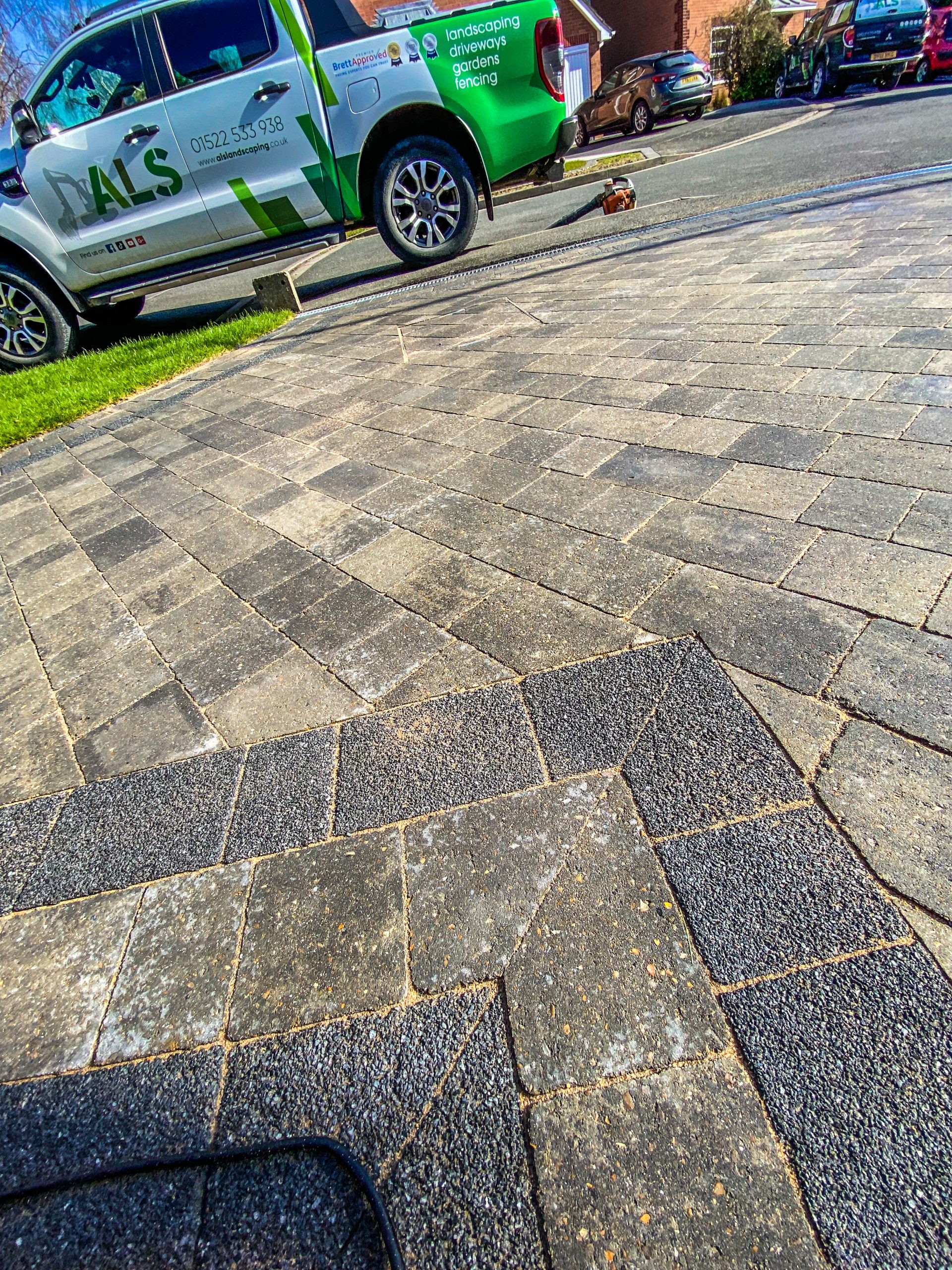
Winter Driveway Damage UK is a common problem for homeowners once frost, rain and grit have worked their way into driveway surfaces. By January, small cracks, drainage issues and loose paving can start to appear. Checking for Winter Driveway Damage UK early helps prevent minor surface problems from becoming larger and more expensive repairs later in the year.
However, winter driveway damage rarely appears overnight. Instead, it tends to develop slowly. Small cracks widen, drainage becomes less effective, and surfaces start to show signs of wear.
That is exactly why January is the ideal time to check your driveway carefully. At this stage, winter has already highlighted potential problems, yet there is still time to plan sensible repairs before spring weather arrives.
In this guide, we will walk through the most common signs of winter driveway damage and explain what homeowners should look for before the seasons begin to change.
Why Does Winter Driveway Damage UK Appear in January?
January is the best time to inspect your driveway because winter weather has already exposed weaknesses such as cracks, drainage issues, or surface movement. At the same time, it is still early enough to plan repairs before spring rain worsens the damage.
According to the Met Office, January and February often bring repeated freeze-thaw cycles. This means water enters small gaps, freezes overnight, and expands. As a result, surfaces can weaken or shift over time.
Therefore, checking your driveway now allows you to:
- Identify early winter damage
- Prevent small issues from spreading
- Plan repairs calmly before spring
- Avoid unexpected costs later in the year
Early Signs of Winter Driveway Damage UK to Watch For
One of the most common early warning signs is surface cracking.
Cracks often appear gradually. At first, they may look like hairline marks that are easy to overlook. However, repeated freezing and thawing can cause these cracks to widen.
Look out for:
- Thin cracks running across the driveway
- Existing cracks that have grown larger
- Small gaps forming between paving blocks
- Edges beginning to crumble
If cracks begin holding water, they should not be ignored. Our blog How to Deal with Potholes and Cracks: Quick Fixes for Your Driveway explains when cracks are cosmetic and when they may need attention.
How Frost and Rain Cause Winter Driveway Surface Damage
Poor driveway drainage is usually visible through standing water, slow-draining puddles, or damp patches that remain long after rainfall has stopped.
Drainage issues are particularly common after winter because debris, moss and grit often build up in drainage channels.
Therefore, after rainfall, ask yourself:
- Do puddles form in the same places every time?
- Does water drain away quickly or sit for hours?
- Are drainage channels blocked?
- Is water flowing towards the house rather than away?
The Environment Agency advises homeowners to keep surface water flowing freely to prevent long-term structural damage and localised flooding.
If drainage problems occur regularly, you may find our blog Why Permeable Paving is the Future of Driveway Design helpful. It explains how some driveway surfaces naturally manage rainwater more effectively.
How to Spot Drainage Problems Caused by Winter Weather
Driveways can become uneven during winter because moisture affects the ground beneath the surface.
For example, water can enter the sub-base beneath paving blocks or gravel. When that water freezes, it expands and pushes materials upwards. Once the ground thaws again, sections may settle unevenly.
As a result, you might notice:
- Loose or rocking paving blocks
- Gravel shifting into dips
- Slight ridges forming across the driveway
- Areas that feel uneven when walked on
Although these issues may seem minor at first, they can gradually worsen if left unattended.
Is Moss or Algae a Sign of a Bigger Problem?
Moss growth itself is not always serious. However, it can indicate excess moisture, which may suggest drainage or surface issues.
Moss and algae tend to grow where surfaces stay damp. Therefore, shaded driveways or areas with poor drainage are more likely to develop growth.
The Royal Horticultural Society recommends tackling moss early in spring, as removal is easier before it spreads further.
In addition, removing moss helps prevent slippery surfaces and improves the appearance of your driveway.
When Should You Be Concerned About Winter Driveway Damage?
Some driveway issues can wait until warmer weather. However, certain warning signs should not be ignored.
For example:
- Cracks that collect water
- Large uneven sections
- Drainage problems causing puddles
- Loose blocks creating trip hazards
If any of these appear, it is sensible to investigate sooner rather than later.
Our blog Driveway Repair vs Replacement: How to Make the Right Decision explains how to tell whether minor repairs are enough or whether a larger upgrade may be worth considering.
If Winter Driveway Damage UK is spotted early, homeowners can often repair small cracks or drainage problems before spring rain makes them worse.
What Can Homeowners Do in January to Protect Their Driveway?
Although winter is not always ideal for major work, there are still practical steps you can take.
For instance:
- Sweep regularly to remove debris
- Keep drainage channels clear
- Monitor cracks and uneven areas
- Avoid using harsh de-icing chemicals
- Make notes of issues for spring repairs
In addition, January is a great time to start planning improvements calmly rather than rushing later.
If budgeting is on your mind, our blog Understanding the Costs of Driveway Installation and How to Budget explains what factors affect driveway installation costs.
Why Planning Early Makes Life Easier
Many homeowners wait until late spring before thinking about driveway improvements. However, this often leads to longer waiting times.
By contrast, planning in winter allows you to:
- Explore different driveway materials
- Choose installation dates more easily
- Budget properly without pressure
- Compare options before the busy season
Therefore, even if work does not begin until later in the year, winter planning gives you more flexibility.
Conclusion
Winter can quietly expose the weak points in any driveway. Cracks, drainage problems and uneven surfaces often begin as small issues that gradually become larger ones.
However, by taking a few minutes in January to inspect your driveway carefully, you can identify problems early and plan sensible solutions before spring arrives.
Ultimately, a well-maintained driveway not only protects your property but also keeps your home looking tidy and welcoming throughout the year.
Understanding the signs of Winter Driveway Damage UK allows homeowners to protect their driveway and avoid costly repairs later in the year.
If you’re unsure about the condition of your driveway or would like advice on possible improvements, the team at ALS Driveways Lincoln are always happy to help.
FAQs
How do I know if winter has damaged my driveway?
Common signs include cracks, uneven surfaces, drainage problems, and moss growth caused by excess moisture.
Can winter weather cause driveway cracks?
Yes. Freeze-thaw cycles allow water to expand inside small gaps, which can gradually widen cracks.
When should driveway repairs be planned?
Winter inspections are useful because they allow homeowners to plan repairs before spring rain worsens the damage.